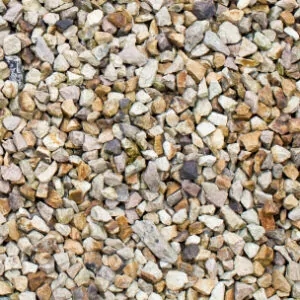
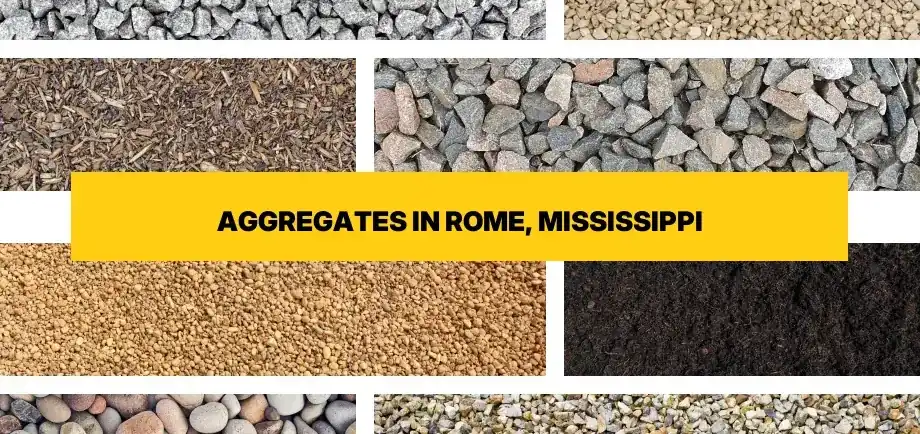
Order Topsoil, Stone & Gravel in Rome, Mississippi
Local Topsoil, Dirt, Sand, Rocks and Gravel near me in Rome, Mississippi
Shop Aggregates for Delivery in Rome
Order online for free delivery to any Rome address.
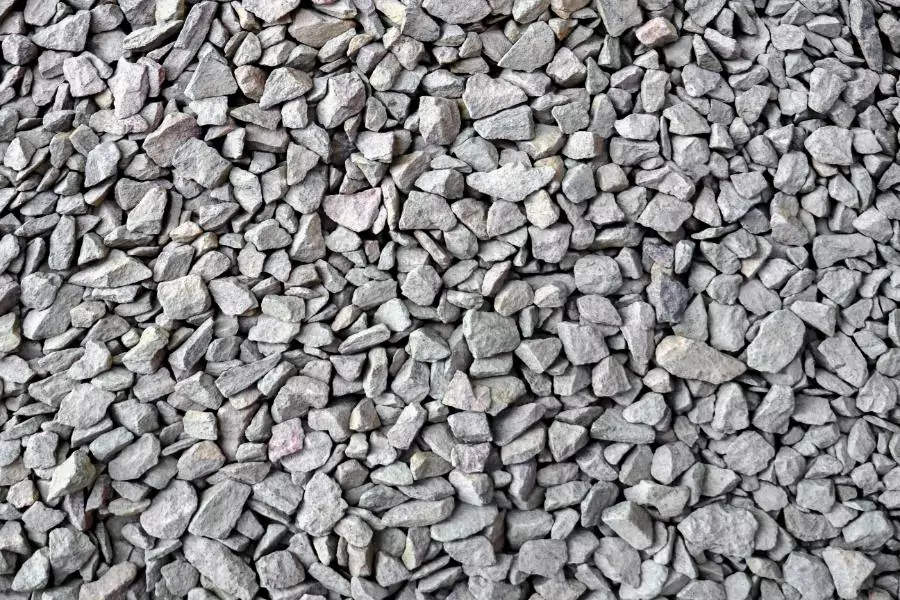
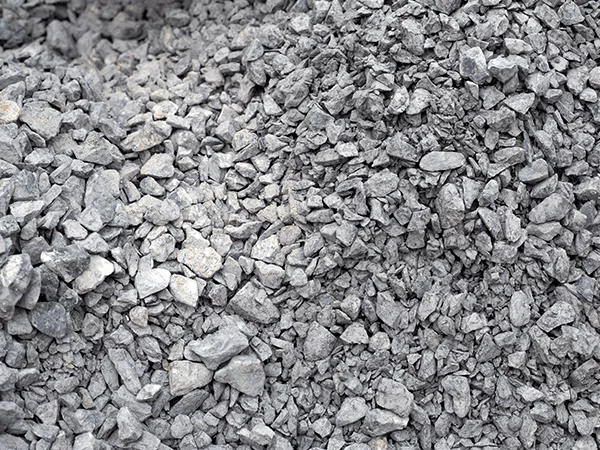


Gravel Monkey provides trusted aggregate delivery throughout Rome, Mississippi and the surrounding Sunflower County area. Whether you're building a driveway near Highway 442, improving drainage in the agricultural lands east of town, or creating walkways for properties along the rural roads of the Mississippi Delta, we deliver premium gravel, crushed stone, and landscaping materials directly to your site with completely free delivery.
Complete Range of Aggregates and Materials for Rome, MS
Understanding the unique challenges of building and landscaping in the Mississippi Delta region is essential for project success. Rome's clay-heavy soils, flat topography, and seasonal rainfall patterns require specific materials that provide proper drainage, stability, and durability. Gravel Monkey stocks a comprehensive selection of aggregates designed to perform in Rome's specific conditions:
- Driveway Gravel - Engineered aggregate blends that create stable, long-lasting driveways on Delta clay soils
- 3/4 Inch Crushed Stone - Versatile aggregate for driveways, foundations, and drainage applications
- #57 Stone - Uniform aggregate ideal for French drains and water management systems
- Crusher Run - Compactable base material that forms solid foundations on challenging soil
- Road Base - Heavy-duty aggregate foundation for farm roads and commercial access lanes
- Drain Rock - Angular stone specifically selected for superior water movement
- Pea Gravel - Smooth, rounded stone for decorative landscaping and pathways
- River Rock - Natural stone in multiple sizes for aesthetic landscape features
- Walkway Gravel - Comfortable surface material for garden paths and pedestrian areas
- Crushed Concrete - Eco-friendly recycled aggregate for cost-effective base applications
- Decomposed Granite - Compactable natural pathway material with excellent aesthetics
- Topsoil - Nutrient-rich soil for gardens, raised beds, and lawn establishment
- Fill Dirt - Essential material for grading, leveling, and site preparation
- Mason Sand - Fine sand for mortar mixing and masonry projects
- Playground Sand - Clean, safe sand for play areas and sandboxes
- Washed Sand - Clean aggregate for concrete, pavers, and specialized applications
Serving Rome and Surrounding Sunflower County Communities
Our free delivery service extends throughout the greater Rome area and adjacent communities across this agricultural region of the Mississippi Delta. We regularly deliver aggregates to properties throughout central Sunflower County, providing materials for residential, agricultural, and commercial projects in both town and rural locations.
Rome residents benefit from our understanding of local soil conditions and climate factors. The expansive clay soils prevalent throughout the area require proper base preparation and drainage solutions to prevent settling and maintain structural integrity. Properties along Highway 442 and surrounding farm-to-market roads face unique challenges that demand quality aggregate materials and proper installation techniques.
We deliver to customers in downtown Rome, residential areas on the east and west sides of town, agricultural operations throughout the surrounding farmland, and neighboring communities including Merigold to the west and Doddsville to the south. Whether your project is located on a town lot or a rural property accessed by county roads, our delivery trucks navigate the Delta road network to bring materials directly to your site.
Understanding Rome's Soil Conditions and Climate Factors
Successful construction and landscaping projects in Rome, MS require understanding the region's distinctive characteristics. The Mississippi Delta's geology creates specific challenges that influence material selection and project planning.
Delta Clay Soils and Their Implications
Rome sits in the heart of the Mississippi Delta, a region defined by deep alluvial soils deposited over millennia by the Mississippi River and its tributaries. These soils are predominantly heavy clay with high plasticity, meaning they expand significantly when wet and contract during dry periods. This expansion-contraction cycle creates substantial stress on driveways, foundations, and hardscape features.
The clay content in local soils typically exceeds sixty percent, with some areas approaching seventy-five percent. This composition leads to poor natural drainage, as water cannot percolate quickly through the dense clay matrix. During Rome's wet season, which extends from late fall through early spring, excess moisture causes the clay to swell, creating unstable conditions for construction. Conversely, during the hot, humid summers when temperatures regularly reach the mid-90s, the clay dries and contracts, creating cracks and voids.
Drainage Challenges in the Delta
With average annual rainfall approaching 55 inches, proper drainage becomes critical for any outdoor project in Rome. The flat topography characteristic of the Delta region means natural drainage is minimal - water doesn't flow away quickly but instead saturates the soil. This standing water exacerbates clay expansion issues and creates muddy, unstable conditions.
Agricultural drainage systems crisscross Sunflower County, reflecting the constant battle against excess water. Residential and commercial properties require similarly intentional drainage solutions. French drains using appropriate aggregate, proper grading with stable base materials, and strategic water management systems become essential components of successful projects rather than optional enhancements.
Climate Considerations for Material Selection
Rome experiences a humid subtropical climate with hot summers, mild winters, and significant precipitation throughout the year. Summer temperatures frequently exceed 90 degrees Fahrenheit with high humidity, while winters remain generally mild with occasional freezing events. This temperature range, combined with the moisture regime, influences how materials perform over time.
The lack of significant freeze-thaw cycles means frost heaving is rarely a concern, unlike northern regions. However, the wet-dry cycling of the clay soils creates similar stresses on infrastructure. Materials must provide stable foundations that resist the movement of underlying clay, while also facilitating drainage to minimize water-related expansion.
Selecting the Right Aggregates for Your Rome Project
Given Rome's unique soil and climate conditions, choosing appropriate materials becomes crucial for project longevity and performance. Different aggregates serve different purposes, and understanding these distinctions helps ensure successful outcomes.
Driveway Materials for Delta Clay Conditions
Driveways in Rome require robust base preparation to perform well on expansive clay soils. A proper driveway installation begins with excavating unstable topsoil and clay, then building layers of progressively finer aggregates that compact together to form a stable, drainage-friendly foundation.
For the base layer, road base or crusher run materials provide excellent stability. These blended aggregates contain particles ranging from fine dust to larger stones that compact together tightly, creating an interlocking matrix that resists movement. The base layer should typically extend 6-8 inches deep, providing sufficient thickness to distribute loads and isolate the driveway surface from problematic clay below.
Above the base layer, driveway gravel or additional crushed stone creates the final surface. This layer provides the texture and appearance while contributing to overall structural integrity. Proper installation includes compaction of each layer, ensuring maximum density and stability before adding subsequent materials.
| Aggregate Type | Primary Use in Rome | Drainage Rating | Compaction | Clay Soil Performance |
|---|---|---|---|---|
| Crusher Run | Driveway base, road foundation | Good | Excellent | Superior stability |
| 3/4 Inch Crushed Stone | Driveway surface, general purpose | Very Good | Good | Excellent drainage |
| Number 57 Stone | French drains, drainage systems | Excellent | Moderate | Maximum water flow |
| Road Base | Heavy-duty applications, farm roads | Good | Excellent | Handles heavy loads |
| Drain Rock | Foundation drainage, water management | Excellent | Low | Prevents water buildup |
| Pea Gravel | Landscaping, decorative paths | Very Good | Low | Aesthetic applications |
| Decomposed Granite | Walkways, patios | Good | Good | Natural appearance |
Drainage Solutions for Wet Delta Conditions
Managing water effectively represents one of the most important aspects of construction in Rome and throughout Sunflower County. French drains, surface drainage channels, and foundation drainage systems all rely on aggregate materials that facilitate rapid water movement away from structures and paved areas.
Number 57 stone excels in drainage applications due to its uniform size and angular shape. The spaces between individual stones remain open, allowing water to flow freely through the aggregate mass. When wrapped in proper filter fabric and installed with correct slope, French drains constructed with this material effectively intercept and redirect groundwater, preventing saturation of clay soils adjacent to foundations, driveways, and other critical areas.
Drain rock serves similar purposes in foundation drainage and agricultural water management. The angular particles maintain void spaces even under pressure, ensuring continued drainage capacity over time. For Rome properties dealing with persistent water issues - a common challenge given the flat terrain and heavy rainfall - incorporating proper drainage aggregate into site design makes the difference between a functional outdoor space and one plagued by standing water and mud.
Agricultural and Rural Property Applications
Sunflower County's agricultural heritage means many Rome-area properties include barns, equipment storage buildings, farm roads, and other rural infrastructure. These applications often require substantial quantities of aggregate materials and prioritize durability and cost-effectiveness over aesthetics.
Farm roads and field access lanes benefit from road base materials that withstand heavy equipment traffic. Cotton pickers, grain trucks, and tractors impose significant loads, especially during wet conditions when clay soils become particularly vulnerable. A properly constructed farm road begins with adequate excavation to remove unsuitable material, followed by thick layers of compacted road base or crusher run. The investment in quality materials and proper installation pays dividends by maintaining accessibility during critical planting and harvest windows when delays prove costly.
Equipment yards and barn areas similarly require stable, well-drained surfaces. Crushed concrete offers an economical option for these large-area applications, providing adequate stability at lower cost than premium aggregates while supporting environmental sustainability through material recycling.
Landscaping Materials for Mississippi Delta Properties
While structural applications like driveways and drainage systems demand specific aggregate characteristics, landscaping projects offer more flexibility in material selection. Aesthetic considerations, intended use, and maintenance preferences guide choices for decorative aggregates, pathway materials, and garden features.
Decorative Stone Options
Pea gravel remains a popular choice for Rome landscaping projects due to its smooth texture, natural appearance, and reasonable cost. The rounded stones provide comfortable walking surfaces for garden paths while offering excellent drainage - an important consideration given local rainfall totals. Pea gravel works well around plants, as mulch alternative, or as ground cover in areas where grass struggles to thrive.
River rock brings natural beauty to landscape designs, with larger stones creating visual interest in rock gardens, water features, and border areas. Available in various sizes and colors, river rock provides permanent, low-maintenance ground cover that won't decompose like organic mulches. For properties throughout Rome and Sunflower County, river rock offers practical benefits beyond aesthetics - the stone prevents erosion, reduces mud, and creates defined landscape zones that remain attractive through all seasons.
Walkway gravel delivers similar aesthetic appeal while specifically sized and selected for pedestrian comfort. Garden paths, trail surfaces, and recreational areas benefit from this specialized aggregate that remains stable underfoot while providing the drainage necessary for year-round usability in Rome's wet climate.
Natural Pathway Materials
Decomposed granite has gained popularity for pathways, patios, and outdoor living spaces in the Mississippi Delta region. This natural material compacts firmly when properly installed, creating surfaces that feel nearly solid while maintaining some permeability for drainage. The warm, natural tones complement traditional Delta architecture and blend seamlessly with planted areas.
For Rome homeowners seeking attractive, functional pathways that handle moisture better than traditional concrete or pavers, decomposed granite offers an excellent solution. The material remains stable even during wet weather, doesn't become slippery like some alternatives, and requires minimal maintenance once established. When edged properly and installed over adequate base preparation, decomposed granite pathways serve reliably for many years.
Sand Products for Specialized Applications
Various sand types serve specific purposes in Rome landscaping and construction projects. Mason sand provides the fine, clean aggregate essential for mortar mixing and masonry work. Its consistent particle size and low clay content ensure proper concrete and mortar performance.
Playground sand offers safe, clean material for children's play areas, sandboxes, and similar applications. This specially processed sand contains no sharp particles or contaminants, meeting safety standards for recreational use. For Rome families creating backyard play spaces or community organizations maintaining parks, quality playground sand ensures children's safety while providing the sensory experience of natural materials.
Washed sand serves numerous purposes from concrete mixing to paver base preparation. The thorough washing process removes clay, silt, and organic matter, producing clean aggregate that performs predictably in various applications. Whether mixing concrete for a Rome shed foundation or preparing base material for a paver patio, washed sand provides the consistency necessary for quality results.
Topsoil and Fill Dirt for Site Development
Not every project involves stone or gravel - soil products play equally important roles in creating functional, attractive properties throughout Rome and Sunflower County. Understanding the differences between topsoil and fill dirt helps ensure appropriate material selection for each application.
Quality Topsoil for Planting and Lawns
While Sunflower County's native soils prove excellent for agriculture, residential landscapes often benefit from supplemental topsoil. Native clay soils, though nutrient-rich, can be challenging for ornamental plants, lawn establishment, and garden cultivation due to their heavy texture and tendency toward compaction.
Premium topsoil blends incorporate organic matter and appropriate texture to support plant growth while improving drainage compared to straight clay. For new construction sites in Rome where topsoil was removed or severely disturbed, importing quality topsoil allows establishment of attractive lawns and gardens. Raised beds, landscape renovation projects, and lawn repair all benefit from topsoil addition.
When selecting topsoil for Rome projects, consider material that will integrate well with existing Delta soils. Extremely sandy topsoil may drain too quickly and require excessive irrigation, while topsoil containing too much clay negates the benefits of amendment. Quality suppliers provide balanced topsoil appropriate for local conditions, producing better results than generic products formulated for different regions.
Fill Dirt for Grading and Foundation
Fill dirt serves structural rather than horticultural purposes, providing economical material for raising grades, filling low areas, and creating proper drainage slopes around structures. Unlike topsoil, fill dirt prioritizes stability and compaction characteristics over fertility or texture.
Rome construction projects often require fill dirt for site preparation, foundation backfill, or regrading to improve drainage. The flat Delta topography means many properties lack sufficient grade for water to flow away from buildings naturally. Strategic fill dirt placement creates the subtle slopes necessary for effective surface drainage, reducing water infiltration into crawl spaces and preventing moisture problems.
Fill dirt should compact well without excessive settling over time. Material containing appropriate clay content provides good compaction while avoiding the extreme expansion-contraction behavior of pure clay. For Rome projects, locally-sourced fill dirt often performs best since it shares characteristics with native soils, ensuring compatible long-term behavior.
Installation Best Practices for Delta Conditions
Quality materials represent only part of successful project execution - proper installation techniques prove equally important, especially given Rome's challenging soil conditions. Following best practices maximizes the performance and longevity of aggregate installations throughout Sunflower County.
Soil Preparation and Excavation
Most aggregate projects in Rome benefit from removing unsuitable material before installing new aggregate. For driveways, this means excavating soft clay topsoil to reach more stable subgrade. Depth requirements vary based on intended use and existing soil conditions, but residential driveways typically require 8-12 inches of total depth including all aggregate layers.
During excavation, create proper drainage grades to direct water away from the finished surface. Even slight slopes prove beneficial in the flat Delta landscape, where water naturally tends to accumulate rather than flow. Installing drainage features like French drains at this stage prevents future water problems that undermine aggregate installations.
Layering and Compaction
Successful aggregate installations utilize multiple layers of progressively finer material, each compacted thoroughly before adding subsequent layers. This approach creates interlocking structure that distributes loads and resists movement despite underlying clay soil behavior.
Compaction cannot be overemphasized for Rome installations. Mechanical compaction using plate compactors or vibratory rollers ensures aggregate particles settle tightly together, minimizing future settling. Each layer should be compacted when moisture content is optimal - too dry, and compaction proves difficult; too wet, and materials displace rather than compact.
For base layers using crusher run or road base, compact to at least 95 percent density. Surface layers of crushed stone or gravel require similar attention, though these materials compact less extremely than blended base aggregates. Taking time to compact properly during installation prevents depression formation, edge failure, and premature surface degradation.
Edging and Containment
Aggregate materials require edge containment to maintain shape and prevent lateral migration over time. For Rome driveways and pathways, options include treated timber edging, concrete borders, steel edge restraints, or deep compacted aggregate berms.
Proper edging keeps materials in place despite vehicle traffic, water flow, and seasonal clay movement. Without adequate containment, aggregate gradually spreads beyond intended boundaries, creating maintenance issues and diminishing appearance. Investment in quality edging during initial installation proves far more cost-effective than continual material replenishment to replace migrated aggregate.
Frequently Asked Questions About Gravel and Aggregate in Rome, Mississippi
For Rome's heavy clay soils typical of the Mississippi Delta, we recommend drain rock or number 57 stone for drainage projects, and crusher run for stable driveway bases that resist the expansion and contraction of clay. These aggregates provide the drainage and structural stability necessary to perform well in Delta conditions, preventing water accumulation and maintaining solid foundations despite challenging soil behavior.
For Rome driveways installed over clay soil, we recommend excavating 8-12 inches below the desired finished grade and filling with aggregate layers. This typically includes 6-8 inches of compacted crusher run or road base for the foundation layer, topped with 2-4 inches of driveway gravel or crushed stone for the surface layer. This depth provides sufficient thickness to isolate the driveway from problematic clay soil movement while creating proper drainage.
Absolutely! We deliver free throughout Rome and surrounding Sunflower County, including rural properties, agricultural operations, and nearby communities like Merigold and Doddsville. Our delivery trucks navigate county roads and farm lanes to bring materials directly to your site, regardless of location. Whether you're in town or on a remote rural property, we provide the same free delivery service throughout our service area.
Crusher run is a blended material containing particles from fine dust to larger stones, designed to compact tightly together and form a solid, stable base - ideal for driveways and roads. Crushed stone consists of uniformly-sized angular rock particles, such as 3/4 inch stone, that provide excellent drainage and work well as driveway surfaces or drainage aggregate. Crusher run excels for base layers requiring maximum compaction, while crushed stone serves better for applications prioritizing drainage or as attractive surface material.
Preventing mud requires three key elements: proper base preparation with adequate depth and compaction, appropriate material selection favoring angular aggregates that lock together, and good drainage to direct water away from the driveway. For Rome's clay soils and heavy rainfall, install adequate base depth using crusher run or road base, ensure proper grade for water runoff, and consider installing French drains along the driveway edges if water accumulation proves problematic. Quality installation makes the difference between a clean, functional driveway and one plagued by mud during wet weather.
While possible for very light-duty applications, we don't recommend installing gravel directly over grass for driveways or high-traffic areas in Rome. The grass and topsoil beneath will decompose, creating soft spots and allowing gravel to sink into the clay soil below. For lasting results, excavate grass, topsoil, and soft clay, then install proper base layers before adding surface gravel. This approach costs more initially but produces stable surfaces that perform reliably for many years despite Delta soil conditions.
For driveway surfaces in Rome, 3/4 inch crushed stone provides an excellent balance of stability, drainage, and appearance. This size compacts adequately for vehicle traffic while maintaining void spaces for water drainage - important given local rainfall totals. Some homeowners prefer slightly smaller or larger stone based on aesthetic preferences, but 3/4 inch represents the most versatile choice for Delta driveways. Always install over a properly compacted base of crusher run or road base for best performance.
Gravel Monkey provides FREE delivery to Rome and throughout Sunflower County - there's no additional charge for bringing materials to your property. You pay only for the aggregate itself, with transparent pricing and no hidden fees. This free delivery service applies to all our products including gravel, crushed stone, sand, topsoil, and fill dirt, making it easy and affordable to get the materials you need for your Rome project.
Ready to Start Your Rome Project?
Whether you're building a new driveway, installing drainage systems, creating attractive landscaping, or tackling agricultural projects throughout Sunflower County, Gravel Monkey delivers the quality aggregates and materials you need. Our extensive inventory includes everything from specialized drainage rock to decorative landscaping stone, all available with free delivery to Rome and the surrounding Mississippi Delta region.
Our team understands the unique challenges of building in Delta clay soils and can help you select appropriate materials for your specific application. We serve residential customers creating beautiful yards, commercial clients developing property improvements, and agricultural operations maintaining critical infrastructure throughout Rome, Merigold, Doddsville, and across Sunflower County.
Contact us today to discuss your project requirements and receive expert guidance on material selection, quantities needed, and installation best practices for Delta conditions. With premium aggregates, free delivery, and local expertise, we make it easy to complete successful projects that perform beautifully for years to come in Rome's challenging Mississippi Delta environment.

Need help? Reach out for a quote: