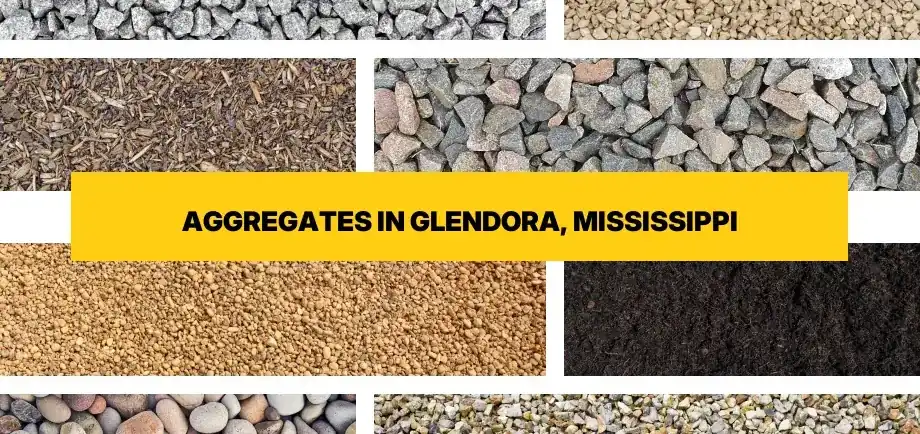
Sand, Aggregates & Gravel for Glendora, Mississippi
Local Topsoil, Dirt, Sand, Rocks and Gravel near me in Glendora, Mississippi
Shop Aggregates for Delivery in Glendora
Order online for free delivery to any Glendora address.
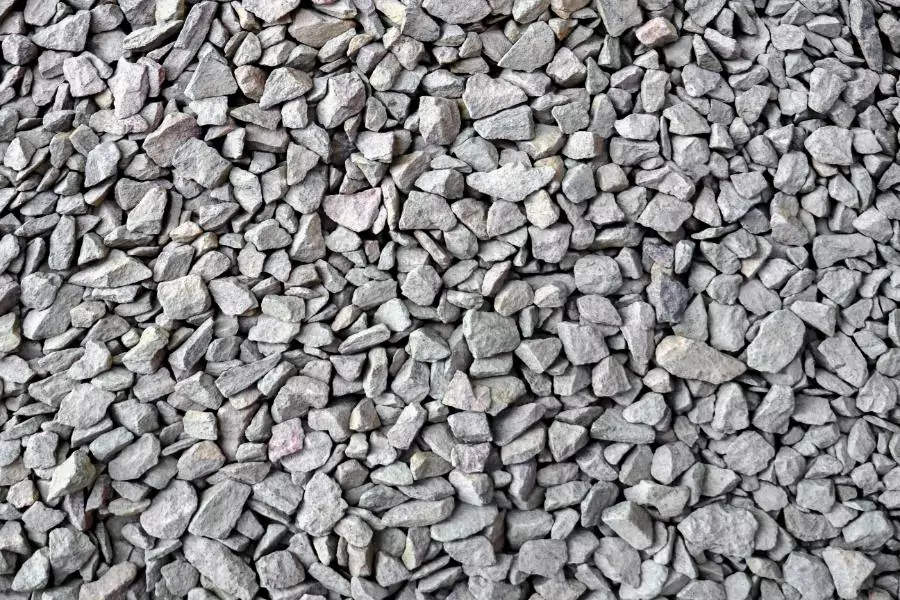
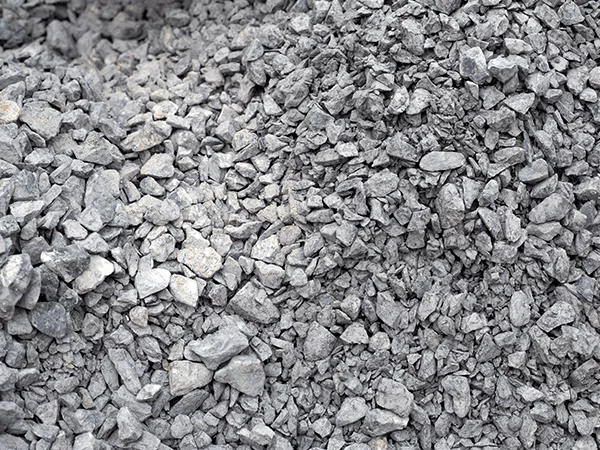


Gravel Monkey is your trusted source for premium gravel and aggregate delivery in Glendora, Mississippi. Serving Tallahatchie County and the surrounding Mississippi Delta region, we understand the unique challenges posed by Delta clay soils and the area's high water table. Whether you're improving a driveway near the Tallahatchie River, building agricultural roads for Delta farmland, or installing proper drainage systems in town, we deliver high-quality aggregates directly to your property with absolutely free delivery throughout the Glendora area.
Complete Aggregate & Landscaping Materials for Glendora Projects
The Mississippi Delta presents unique construction and landscaping challenges that require the right materials. From the expansive clay soils that dominate the region to the flat topography that can create drainage issues, selecting appropriate aggregates is crucial for project success. Our comprehensive inventory serves residential, commercial, and agricultural customers throughout Glendora and nearby communities including Sumner, Webb, Rome, and Charleston.
We stock a full range of aggregates and materials specifically suited to Delta conditions:
- Driveway Gravel - Engineered for stability on Delta clay soils
- 3/4 inch Crushed Stone - Versatile aggregate for multiple applications
- #57 Stone - Superior drainage for wet Delta conditions
- Crusher Run - Compactable base material ideal for soft soils
- Road Base - Heavy-duty foundation for farm and access roads
- Drain Rock - Essential for managing Delta water tables
- Pea Gravel - Decorative and functional for walkways
- River Rock - Natural aesthetic from Delta waterways
- Walkway Gravel - Perfect for paths and garden borders
- Crushed Concrete - Eco-friendly recycled aggregate
- Topsoil - Nutrient-rich soil for Delta gardens
- Fill Dirt - Essential for grading on flat Delta terrain
- Mason Sand - Fine sand for construction and masonry
- Playground Sand - Safe, clean sand for play areas
- Washed Sand - Premium sand for concrete and landscaping
- Decomposed Granite - Natural compacting surface material
Understanding Glendora's Delta Clay Soil Conditions
Glendora sits in the heart of the Mississippi Delta, where deep alluvial deposits create some of the most fertile yet challenging soils in the nation. The region's Sharkey clay and Tunica clay soils are highly expansive, meaning they swell significantly when wet and shrink when dry. This soil movement creates unique challenges for driveways, foundations, and any structure built on grade.
The Delta's flat topography means that proper drainage becomes paramount. With annual rainfall averaging 52 inches and a naturally high water table due to proximity to the Tallahatchie River and countless drainage ditches, water management isn't optional—it's essential. Many properties between Glendora and nearby Sumner experience standing water after heavy spring rains, making aggregate selection critical for functional outdoor spaces.
The region's geology requires a different approach than other parts of Mississippi. While the hill regions near Oxford or Jackson can rely on natural drainage, Delta properties need engineered solutions. This means deeper aggregate bases, proper drainage systems, and materials that resist the pumping action caused when heavy equipment or vehicles cross soft, saturated clay.
Selecting Aggregates for Delta Clay
When working with Glendora's challenging soils, several factors influence material selection. The clay's plasticity index is high, meaning it acts almost like modeling clay when saturated. Traditional thin gravel layers simply sink into wet clay, creating the familiar ruts and potholes seen on many Delta driveways and farm roads.
Successful installations require adequate depth—typically 6 inches minimum for driveways and 8-12 inches for roads supporting agricultural equipment. The aggregate must provide angular interlock to resist lateral movement. Materials with fine particles that compact tightly work best as base layers, while larger stone creates the durable wearing surface. This is why crusher run and road base perform exceptionally well in Delta applications.
Aggregate Applications for Glendora Properties
Residential Driveways and Access Roads
Glendora homeowners face persistent driveway challenges due to the underlying clay. A proper driveway installation starts with addressing the clay subgrade. In many cases, geotextile fabric should be placed over the prepared clay to prevent mixing and pumping. Over this, a base layer of compacted crusher run provides the foundation, with a surface layer of larger stone like three-quarter inch crushed stone for the finished appearance.
Properties throughout the town of Glendora, from homes near Highway 49 East to residences along County Road 518, benefit from this layered approach. The total depth should be at least 6 inches, though 8 inches provides better long-term performance. For properties experiencing severe drainage issues, installing subsurface drainage before the aggregate layers prevents water from saturating the subgrade.
Agricultural and Farm Roads
The agricultural heritage of Tallahatchie County means countless farm roads crisscross the landscape between Glendora, Rome, and Webb. These roads support heavy equipment—cotton pickers, grain carts, and tractors pulling substantial loads. Road base aggregate provides the strength needed for these demanding applications. When properly installed at 10-12 inches depth, road base creates an all-weather surface that resists rutting even during wet seasons.
Many Delta farmers prefer road base over traditional gravel because of its superior compaction characteristics. The blend of stone sizes from dust to larger aggregates allows tight compaction that creates a nearly solid surface. Regular grading maintains the crown necessary for shedding water, crucial in the flat Delta where water has nowhere to go but sideways.
Drainage Systems and Solutions
Perhaps no application matters more in Glendora than proper drainage. The Delta's high water table means many properties have standing water for extended periods, particularly in lower-lying areas. French drains, curtain drains, and other subsurface drainage systems require clean, angular drain rock or Number 57 stone. These materials create void spaces that allow water to flow freely while preventing soil migration that would clog the system.
Drainage projects in the Glendora area often involve directing water from structures to existing drainage ditches that feed into the complex network managing Delta water. The system must move water efficiently while preventing erosion. Properly sized drain rock ensures longevity—undersized stone allows soil particles to fill the voids, while oversized material may not provide adequate surface area for water collection.
| Aggregate Type | Best Applications in Glendora | Delta Clay Performance | Typical Depth |
|---|---|---|---|
| Crusher Run | Driveway base, road foundation | Excellent - compacts tightly | 4-8 inches |
| Road Base | Farm roads, heavy equipment areas | Superior - handles heavy loads | 8-12 inches |
| 3/4 inch Crushed Stone | Driveway surface, general use | Very good - angular interlock | 3-4 inches surface |
| #57 Stone | Drainage systems, French drains | Excellent - superior drainage | 12-18 inches drains |
| Drain Rock | Foundation drainage, wet areas | Excellent - prevents clogging | 12-24 inches |
| Pea Gravel | Walkways, decorative areas | Good - light traffic only | 2-3 inches |
| River Rock | Landscaping, water features | Good - decorative purposes | 2-4 inches |
| Crushed Concrete | Rural roads, temporary surfaces | Very good - economical option | 6-8 inches |
Serving Glendora and Surrounding Delta Communities
Our free delivery service extends throughout Glendora and the broader Tallahatchie County area. We regularly deliver aggregates to properties throughout the region:
Glendora Town Center: Residential properties along Main Street and the historic downtown area benefit from our driveway and landscaping materials. The town's proximity to the Tallahatchie River means drainage considerations are always top of mind for homeowners improving their properties.
Highway 49 East Corridor: This major route connecting Glendora to Tutwiler sees both residential and commercial development. Properties along this corridor often require substantial aggregate for parking areas and access improvements to handle customer traffic.
County Road 518 Area: This rural route serves agricultural properties and rural residences. Long driveways and farm access roads characterize this area, with many customers needing bulk aggregate deliveries for road maintenance and improvement projects.
Near Sumner: Just northeast of Glendora, the Sumner area represents prime Delta farmland. We deliver road base and drainage materials to agricultural operations throughout this productive region, where Emmett Till's memory reminds us of the area's complex history.
Webb Community: South of Glendora, Webb shares similar soil and drainage challenges. Properties throughout this community require proper aggregate selection to overcome the persistent Delta clay issues.
Rome District: Northwest toward Clarksdale, the Rome area contains a mix of agricultural and residential properties. The flat terrain and clay soils make aggregate selection critical for any ground-level project.
Rural Tallahatchie County: Throughout the broader county, from the Tallahatchie River bottomlands to the slightly higher terraces, we serve customers who depend on reliable aggregate delivery for maintaining farm infrastructure and rural properties.
Seasonal Considerations for Delta Aggregate Projects
Glendora's climate significantly influences when and how aggregate projects should be undertaken. The region experiences hot, humid summers with temperatures regularly exceeding 90°F and cold, wet winters where freezing temperatures occasionally occur. However, it's the rainfall pattern that most affects aggregate installations.
Spring Challenges
Spring brings heavy rainfall to the Delta, often exceeding 6 inches per month in March and April. The saturated ground conditions make this a challenging time for aggregate work. However, it's also when drainage issues become most apparent. Properties experiencing standing water or driveway deterioration during spring rains need drainage improvements before adding new aggregate. Installing drainage systems during wet periods allows you to see exactly where water accumulates, guiding proper system design.
Summer and Fall Installation
Late summer and fall provide ideal conditions for aggregate projects in Glendora. The drier conditions from July through October allow proper compaction of base materials. Clay subgrades have time to dry adequately, creating stable platforms for aggregate layers. This is the optimal time for major driveway installations, farm road improvements, and drainage system installations that require excavation.
Winter Considerations
While winter brings cooler temperatures and occasional freezes, Delta winters are generally mild enough for aggregate delivery and installation. December through February sees moderate rainfall, and frozen ground is rare. Light aggregate work like surface renewal and grading can proceed, though major excavation and base preparation should wait for drier conditions.
Supporting Delta Agriculture with Quality Aggregates
Tallahatchie County's agricultural economy depends on functional infrastructure. Cotton, soybeans, and rice dominate the crop mix, each requiring equipment access across the flat fields. Modern agricultural equipment—particularly grain carts and cotton pickers—can exceed 30 tons when loaded, creating enormous ground pressure on saturated Delta clay.
Farm roads must support this equipment while remaining passable after heavy rains. Road base aggregate, when installed at proper depth over prepared subgrade, creates an all-weather surface. Many Delta farmers install road base on their primary access routes and field entrances, reserving standard gravel for less-traveled areas.
Equipment yards and shop areas also benefit from proper aggregate. These high-traffic areas see constant heavy equipment movement, requiring surfaces that resist rutting and remain functional year-round. A proper installation includes geotextile fabric over the clay, 8-10 inches of compacted road base, and regular maintenance grading to maintain crown and drainage.
Grain storage and handling areas need stable surfaces that support loaded trucks. The approach to grain bins must handle semi-trucks during harvest, often in less-than-ideal conditions. Aggregate bases in these critical areas prevent costly harvest delays and equipment problems that can arise from mud and unstable ground.
Best Practices for Aggregate Installation in Glendora
Successful aggregate projects in the Mississippi Delta require attention to site preparation and proper installation techniques. The region's challenging soils demand more careful execution than less demanding environments.
Site Preparation Fundamentals
Proper preparation begins with addressing the existing clay. Remove any topsoil or organic material—these compress over time, causing settlement. Grade the clay subgrade to create positive drainage, establishing crown on driveways and roads so water flows to the edges rather than pooling in wheel tracks. In severely wet areas, consider installing subsurface drainage before proceeding with aggregate placement.
Geotextile fabric installation over the prepared clay prevents the aggregate from mixing with the clay under traffic. This simple step dramatically extends the life of the installation by preventing pumping—the action where fine clay particles work up through the aggregate, weakening the structure and creating mud holes.
Proper Aggregate Depth and Layering
Delta installations need greater depth than most regions due to the soft subgrade. Residential driveways should have minimum 6-inch depth, preferably 8 inches. This can be achieved with a single material like crusher run, or by layering—4-6 inches of crusher run or road base as base, topped with 2-3 inches of larger crushed stone for appearance and wearing surface.
Agricultural roads and areas supporting heavy equipment need 10-12 inches minimum. Use road base for the entire depth, compacting in 4-inch lifts. Proper compaction is crucial—each layer should be compacted before adding the next. While hand tampers work for small areas, larger projects benefit from mechanical compaction equipment.
Drainage Integration
Every aggregate installation in Glendora must consider water management. Design adequate crown into the surface—typically 2-3% cross-slope for roads and driveways. Direct water to existing drainage ditches or swales. Avoid dead-end drainage that simply dumps water onto clay; it will simply saturate the subgrade and undermine your aggregate installation.
For properties without adequate natural drainage, installing French drains along the aggregate edges collects water before it undermines the installation. These drains should outlet to ditches or other adequate discharge points, ensuring water moves away from the property rather than simply redistributing the problem.
Frequently Asked Questions About Gravel & Aggregates in Glendora
We deliver a complete range of aggregates including driveway gravel, crushed stone in multiple sizes, pea gravel, river rock, crusher run, road base, drain rock, crushed concrete, topsoil, fill dirt, and various sand types throughout Glendora and surrounding Tallahatchie County areas.
Yes! Gravel Monkey offers FREE delivery to Glendora and the surrounding Mississippi Delta area for all gravel and aggregate orders. We understand the unique needs of Delta properties and ensure timely delivery to your project site.
For Glendora's expansive clay soils, we recommend crusher run or three-quarter inch crushed stone for driveways and bases. These aggregates provide excellent drainage and stability in the Delta's challenging soil conditions. Proper base preparation is critical for long-lasting installations.
For Delta driveways, we recommend a four to six inch depth of gravel due to the soft clay subsoil. Measure your driveway length times width times depth in feet, then divide by 27 to get cubic yards. Our team can help calculate the exact amount for your Glendora property.
Absolutely! We deliver to all areas in and around Glendora, including properties near Sumner, Webb, Rome, and throughout the rural Tallahatchie County area. Our free delivery service covers the entire region.
Given the Delta's high water table and heavy clay soils, proper drainage is essential. We recommend drain rock or Number 57 stone for French drains and drainage systems. These materials allow water to flow freely while preventing soil migration common in this region.
Yes! We serve agricultural operations throughout the Glendora area with aggregates for farm roads, equipment pads, drainage improvements, and field access. We understand the unique requirements of Delta farming operations.
Late summer through fall provides optimal conditions for aggregate projects in the Delta. Drier conditions from July through October allow proper base preparation and compaction. However, we deliver year-round and can advise on project timing based on current weather conditions.
Ready to Start Your Glendora Aggregate Project?
Gravel Monkey serves Glendora, Tallahatchie County, and the surrounding Mississippi Delta with premium aggregates and free delivery. Our team understands the unique challenges of Delta clay soils and can recommend the right materials for your specific project. Whether you're installing a new driveway, improving farm roads, solving drainage problems, or any other aggregate application, we're here to help with expert advice and reliable delivery service.
Contact us today to discuss your project needs and schedule your free delivery. We're committed to supporting Glendora's residential, commercial, and agricultural customers with quality materials and exceptional service throughout the Delta region.

Need help? Reach out for a quote: