Shop Bulk Materials & Gravel in Rosedale, Louisiana
Local Topsoil, Dirt, Sand, Rocks and Gravel near me in Rosedale, Louisiana
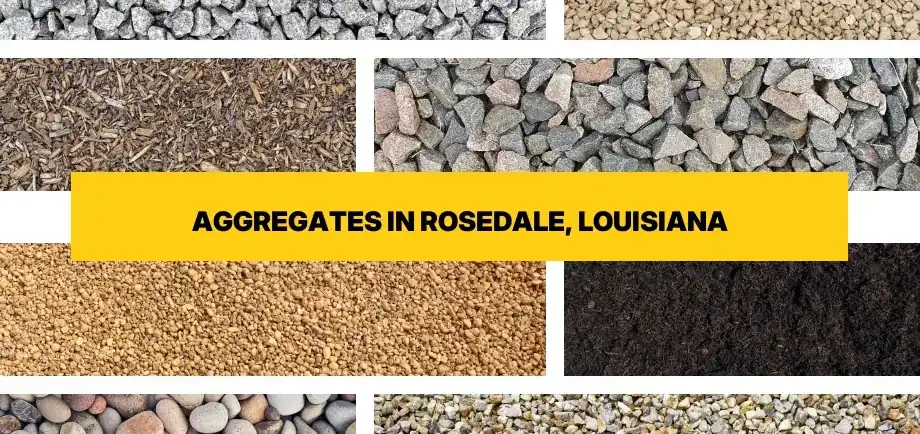
Shop Aggregates for Delivery in Rosedale
Order online for free delivery to any Rosedale address.


Gravel Monkey delivers premium aggregates and landscaping materials directly to residential and commercial properties throughout Rosedale, Louisiana. Located in Iberville Parish along the Mississippi River, Rosedale faces unique geological challenges including expansive clay soils, high water tables, and frequent flooding conditions. Our comprehensive selection of aggregates addresses these specific concerns, providing drainage solutions, stable base materials, and decorative stone options perfectly suited for the humid subtropical climate of South Louisiana. Whether you're building a driveway near downtown Rosedale or creating drainage systems for properties near the river levee, we deliver high-quality materials absolutely free to your location.
Comprehensive Aggregate Selection for Rosedale Properties
Understanding the soil composition and climate challenges of Rosedale is essential for selecting the right aggregates. The area sits atop alluvial deposits from the Mississippi River, resulting in heavy clay soils with high plasticity. These soils expand when wet and contract during dry periods, creating movement that affects foundations, driveways, and hardscaping. Our aggregate products address these concerns with proper drainage solutions and stable base materials.
- Driveway Gravel - Durable aggregate specifically designed for Louisiana's wet climate and clay soils
- 3/4 inch Crushed Stone - Versatile crushed aggregate for drainage and foundation applications
- #57 Stone - Standard construction aggregate for concrete work and French drains
- Crusher Run - Compactable blend that creates solid, stable bases resistant to soil movement
- Road Base - Heavy-duty aggregate for driveways and parking areas in high-traffic applications
- Drain Rock - Angular aggregate that allows maximum water flow through drainage systems
- Pea Gravel - Smooth decorative aggregate for walkways and garden landscaping
- River Rock - Natural rounded aggregate for aesthetic landscaping around homes
- Walkway Gravel - Specially sized aggregate for comfortable pedestrian surfaces
- Crushed Concrete - Eco-friendly recycled aggregate that performs well in humid conditions
- Topsoil - Rich organic soil for garden beds and lawn establishment
- Fill Dirt - Clean fill for grading and leveling properties before construction
- Mason Sand - Fine aggregate for mortar mixing and paver installations
- Washed Sand - Clean aggregate for concrete mixing and multiple construction uses
- Playground Sand - Safe, clean aggregate for children's play areas
- Decomposed Granite - Natural compactable aggregate for pathways and xeriscaping
Aggregate Delivery Throughout Rosedale Communities
Gravel Monkey provides free aggregate delivery to every neighborhood and area within Rosedale and the surrounding Iberville Parish region. Our service extends to properties along Highway 1, homes near the Mississippi River levee, residential areas throughout downtown Rosedale, properties near St. John the Baptist Catholic Church, communities along Rosedale Road, developments near False River, areas surrounding Port Allen, neighborhoods in White Castle, properties throughout Plaquemine, and residential zones near Bayou Grosse Tete.
Each of these areas presents distinct challenges related to the region's geology. Properties near the river levee often deal with elevated water tables and require exceptional drainage solutions using angular aggregates. Downtown Rosedale homes built on older foundations may need stabilization with compacted base materials. Rural properties along Highway 1 frequently require extensive driveway construction using crusher run and road base to handle heavy vehicles and prevent rutting in the clay subgrade.
Understanding Rosedale's Soil Conditions
The soils throughout Rosedale consist primarily of Commerce silt loam and Sharkey clay, both classified as hydric soils prone to poor drainage and high moisture retention. These soils originated from Mississippi River alluvial deposits and contain high percentages of montmorillonite clay minerals. This clay type exhibits significant shrink-swell behavior, expanding up to 30% when saturated and contracting during dry periods. This movement creates challenges for any construction sitting directly on native soil.
The water table in Rosedale typically sits within 1-3 feet of the surface year-round, rising even higher during spring flood seasons when the Mississippi River reaches high stages. Rainfall averages 60 inches annually, with peak precipitation occurring during late winter and early spring months. This consistent moisture creates an environment where proper drainage becomes critical for any hardscaping, foundation, or driveway project.
Aggregate Applications for Louisiana Climate
Driveway Construction on Clay Soils
Building durable driveways in Rosedale requires understanding how aggregates interact with expansive clay soils. The standard approach involves complete removal of organic topsoil, followed by a compacted base layer of crusher run or road base at least 4-6 inches thick. This base layer distributes weight across a broader area, preventing pressure points that would cause the clay beneath to compress unevenly. The compacted base also creates a capillary break, reducing moisture migration from the clay subgrade upward into the driving surface.
The top layer typically consists of driveway gravel or crushed stone sized between three-quarters inch to one and one-half inch. These angular aggregates interlock when compacted, creating a firm surface resistant to rutting. In Rosedale's humid climate, this angular stone resists becoming embedded in the clay during wet periods better than rounded river rock would. Many property owners also install geotextile fabric between the native clay and the base aggregate, further preventing intermixing and extending driveway life.
French Drains and Drainage Solutions
Given the high water table and poor soil drainage characteristics, French drains become essential infrastructure for many Rosedale properties. Effective French drain construction requires drain rock or #57 stone – angular aggregates with minimal fines that maintain void space even under pressure. These aggregates surround perforated drainage pipe, allowing water to flow freely from surrounding soils into the pipe and away from foundations, crawl spaces, and low-lying areas.
The typical French drain installation in Rosedale extends 18-24 inches deep and 12-18 inches wide, filled entirely with drain rock. The trench bottom slopes at least 1% grade toward the discharge point. Wrapping the aggregate in filter fabric prevents clay particles from migrating into the aggregate voids over time, which would reduce drainage capacity. Properties near the river levee often require multiple parallel French drains spaced 15-20 feet apart to handle the substantial groundwater flow.
Foundation Stabilization and Fill Projects
Many homes in older sections of Rosedale sit on pier and beam foundations elevated above grade. These foundations require proper fill and grading to prevent water accumulation beneath floor systems. Fill dirt provides the initial grading layer, establishing proper slope away from the structure. However, placing fill dirt directly against foundation elements risks moisture retention. Instead, a layer of crushed stone or drain rock adjacent to foundation walls creates a drainage plane that directs water away from structural elements.
For properties with crawl space foundations, the enclosed area should be filled with at least 4-6 inches of crushed stone aggregate. This aggregate layer serves multiple purposes: it reflects ground moisture away from floor joists, prevents vegetation growth that could attract termites, and provides a clean surface for accessing plumbing and electrical systems. In Rosedale's humid environment with average relative humidity above 75%, this aggregate layer significantly reduces moisture-related wood decay.
Aggregate Comparison for Rosedale Projects
Selecting the appropriate aggregate depends on your specific application, budget, and performance requirements. This comparison helps you understand which materials work best for different projects in Rosedale's unique climate conditions.
| Aggregate Type | Best Applications | Compaction | Drainage | Clay Soil Performance |
|---|---|---|---|---|
| Crusher Run | Driveway base, parking areas, RV pads | Excellent - compacts to near-solid surface | Moderate - contains fines | Excellent - resists clay intrusion |
| Road Base | Heavy traffic driveways, commercial parking | Excellent - maximum stability | Moderate - some fines present | Excellent - superior load distribution |
| 3/4 inch Crushed Stone | Drainage, driveway surface, general fill | Good - creates firm surface | Excellent - large void spaces | Very good - angular interlock |
| #57 Stone | French drains, concrete aggregate, pipe bedding | Moderate - not intended for traffic | Excellent - maximum flow rate | Good - requires fabric separator |
| Drain Rock | Foundation drainage, French drains, wet areas | Poor - loose angular stone | Superior - largest void spaces | Excellent with fabric barrier |
| Pea Gravel | Walkways, decorative landscaping, ground cover | Poor - rounded stones shift | Good - adequate water flow | Fair - can sink into clay when wet |
| Crushed Concrete | Driveway base, parking, eco-friendly projects | Excellent - self-cementing over time | Good - adequate drainage | Very good - hardens in place |
| Decomposed Granite | Pathways, patios, low-traffic hardscaping | Very good - compacts smooth | Moderate - contains natural fines | Good - stable when properly installed |
Seasonal Considerations for Rosedale Aggregate Projects
Spring and Summer: Peak Construction Season
Late spring through early fall represents the optimal window for aggregate projects in Rosedale. During these months, average temperatures range from 75°F to 92°F with lower rainfall totals compared to winter months. The drier conditions allow proper compaction of base materials and reduce the mud factor when working with native clay soils. However, afternoon thunderstorms remain common during summer months, so having aggregates delivered and ready for immediate installation becomes important.
Summer heat creates its own challenges. The intense Louisiana sun heats dark-colored aggregates significantly, making them uncomfortable for barefoot traffic on walkways and patios. For areas around pools or children's play zones, lighter-colored aggregates like limestone or washed stone reflect more sunlight and remain cooler to the touch. Additionally, summer represents peak mosquito season in South Louisiana, making standing water elimination through proper drainage absolutely essential for outdoor living comfort.
Fall and Winter: Drainage-Critical Seasons
Fall brings cooler temperatures but increased rainfall as frontal systems move through the region more frequently. Winter months from December through February see the highest precipitation totals, often exceeding 6 inches monthly. During these wet months, the high water table rises even further, and poorly drained soils remain saturated for extended periods. Any drainage issues become immediately apparent during winter, making this an ideal time to observe problem areas and plan spring drainage improvements.
Cold weather rarely affects aggregate projects in Rosedale, as freezing temperatures occur infrequently and briefly. However, the wet conditions mean that accessing properties for delivery may become challenging, especially on unpaved driveways or rural properties. Planning aggregate delivery for early fall or late spring avoids potential access issues while still allowing time for project completion before seasonal weather extremes.
Professional Installation Tips for Rosedale Conditions
Site Preparation on Clay Soils
Successful aggregate installations begin with proper site preparation addressing Rosedale's specific soil conditions. For driveway projects, excavation should remove all topsoil and organic material, typically 8-12 inches deep. The exposed clay subgrade must be graded to create proper drainage slope, typically 2% grade away from structures. Avoid installing aggregates onto wet, muddy clay – wait for drier conditions or stabilize extremely wet areas with geotextile fabric.
For properties with severe drainage issues, consider excavating an additional 4-6 inches below planned base depth and installing a layer of larger drain rock before placing the primary base aggregate. This creates a drainage layer that moves water laterally away from the project area. This technique proves especially valuable for low-lying properties near bayous or areas with clay subsoils that remain wet year-round.
Compaction Techniques
Proper compaction transforms loose aggregate into a stable surface capable of supporting vehicle traffic. In Rosedale's humid climate, compaction works best when aggregates contain optimal moisture content – slightly damp but not saturated. Crusher run and road base materials compact best when moisture content reaches approximately 5-8%. Too dry, and the fines won't bind particles together. Too wet, and the aggregate pumps under compactor weight without achieving density.
Compact aggregates in lifts no more than 4 inches thick, making multiple passes with a plate compactor or vibratory roller. For residential driveways, a plate compactor provides sufficient compaction force. Larger commercial projects benefit from walk-behind or ride-on rollers that deliver greater compaction energy. Always compact from the edges toward the center, overlapping passes by half the compactor width. This technique prevents edge failures and ensures uniform density across the entire surface.
Edging and Containment
Aggregates require edge restraint to prevent spreading, especially under vehicle traffic. For driveways and parking areas, options include treated lumber edging, steel or aluminum edging systems, concrete borders, or Belgian block stone edging. The edging material should extend below the bottom of the aggregate base to provide proper restraint. In areas with expansive clay soils, avoid rigid concrete edging that cannot flex with soil movement – flexible materials like steel edging or treated lumber accommodate minor shifting better.
For decorative aggregate applications like walkways or garden beds, less substantial edging suffices. Plastic landscape edging works well for pea gravel or river rock installations, while decomposed granite pathways benefit from steel edging that creates clean, defined lines. Always install edging before placing aggregates to ensure proper containment from the start.
Maintaining Aggregate Surfaces in South Louisiana
Regular Maintenance Tasks
Aggregate driveways and surfaces in Rosedale require periodic maintenance to remain functional and attractive. Every 2-3 years, plan to add a fresh 1-2 inch layer of surface aggregate to replace material lost to tire displacement and gradual embedding into the base. High-traffic areas like turning zones and parking spots wear faster and may need attention annually. Rake or drag the surface periodically to redistribute aggregate evenly and fill in low spots before they become problematic.
Weed growth represents a common challenge in Louisiana's warm, humid climate. Applying pre-emergent herbicide in early spring prevents most weed germination in aggregate surfaces. For existing weeds, use post-emergent herbicides carefully or remove manually. Avoid using flame weeders on gravel driveways, as the extreme heat can damage underlying geotextile fabric if present. For walkways and decorative aggregate beds, maintaining a 3-4 inch depth of aggregate discourages most weed growth by blocking sunlight from reaching the soil beneath.
Drainage System Maintenance
French drains and drainage systems require monitoring to ensure continued performance. Inspect drainage outlet points after heavy rains to verify water flows freely. If water backs up or flows slowly, the system may have sediment accumulation or root intrusion reducing capacity. Many French drain failures occur not from aggregate clogging but from outlet pipe blockages – keep discharge points clear of leaves, sediment, and vegetation.
Surface water management remains equally important. Keep ditches and swales clear of debris that could restrict flow. During fall, remove leaves promptly from aggregate surfaces to prevent organic material from decomposing and creating a layer of soil that encourages weed growth. For properties near trees, consider installing gutter guards to reduce leaf accumulation in drainage systems.
Frequently Asked Questions About Aggregates in Rosedale
Crusher run or road base works best as a base layer because these materials compact tightly and resist the movement caused by expansive clay soils. Top with driveway gravel or 3/4 inch crushed stone for the driving surface. A proper base layer of 4-6 inches creates stability and prevents the surface aggregate from sinking into the clay during wet periods.
Measure your driveway length times width to get square footage. For the base layer, you need 4-6 inches of crusher run or road base. For the surface layer, add 3-4 inches of driveway gravel. As an example, a 12 foot by 50 foot driveway needs approximately 10-12 tons of base material and 6-8 tons of surface aggregate. Our team can provide exact calculations for your specific project.
Installing gravel directly on clay soil without excavation leads to poor results, especially in Rosedale's wet climate. The gravel will gradually sink into the soft clay, creating ruts and uneven surfaces. Proper installation requires removing organic topsoil, installing geotextile fabric, adding a compacted base layer, and then placing surface aggregate. This method prevents the clay and gravel from mixing and extends surface life significantly.
Number 57 stone or drain rock works best for French drains in Rosedale because these aggregates maintain large void spaces that allow water to flow freely. The angular shape prevents the stone from packing together tightly, ensuring long-term drainage capacity. Always wrap the drain rock in filter fabric to prevent clay particles from migrating into the aggregate and reducing drainage over time.
Yes, crushed concrete performs excellently in Louisiana driveways. The recycled concrete aggregate actually hardens over time through a process called carbonation, creating an increasingly solid surface. Crushed concrete handles wet conditions well, costs less than virgin stone, and provides an eco-friendly option that diverts material from landfills. It works particularly well as a base layer or can serve as both base and surface aggregate.
Plan to add a fresh layer of surface aggregate every 2-3 years under normal residential use. High-traffic areas, areas with steep slopes, or driveways used by heavy vehicles may need annual attention. Adding 1-2 inches of new gravel maintains proper depth, fills in low spots, and keeps the surface looking fresh. Regular maintenance extends the life of the base layer and prevents costly repairs.
Sinkholes in gravel driveways typically result from inadequate base preparation, allowing the gravel to sink into soft clay soil underneath. They can also form over broken underground pipes, old cisterns, or tree stumps that decompose. Poor drainage causing water accumulation beneath the gravel washes away fines and creates voids. Proper excavation, base preparation, and drainage correction prevents sinkhole formation.
Yes, geotextile fabric provides significant benefits when installing gravel over clay soils in Rosedale. The fabric creates a separation barrier preventing clay from migrating upward into the gravel and gravel from sinking into the clay. This separation maintains aggregate depth and drainage capacity while extending the life of your installation. Use commercial-grade non-woven geotextile fabric rated for your specific application – driveway fabric differs from drainage fabric.
Why Choose Gravel Monkey for Rosedale Aggregate Delivery
Gravel Monkey understands the unique challenges that Rosedale properties face – expansive clay soils, high water tables, humid subtropical climate, and frequent heavy rainfall. Our team has extensive experience providing aggregates throughout Iberville Parish and surrounding Louisiana communities. We deliver exactly what you need, when you need it, with no delivery charges adding to your project costs.
Our aggregate products come from quality sources and meet specifications for various applications. We deliver to residential homes, commercial properties, agricultural operations, and government facilities throughout Rosedale and nearby communities including Maringouin, Grosse Tete, Bayou Sorrel, Plaquemine, and White Castle. Whether you need a single ton for a small repair or multiple loads for a major construction project, we provide the same quality service and free delivery.
The difference with Gravel Monkey comes from our understanding of Louisiana conditions and our commitment to customer education. We help you select the right aggregate for your specific soil conditions, intended use, and budget. Our experienced team can answer questions about installation techniques, material quantities, and long-term maintenance. This expertise ensures your project succeeds the first time, avoiding the costly mistakes that occur when wrong materials meet challenging soil conditions.
Climate Factors Affecting Aggregate Performance in Rosedale
Humidity and Moisture Considerations
Rosedale's subtropical climate features relative humidity averaging 75-80% year-round, with even higher levels during morning hours. This persistent moisture affects aggregate behavior in several ways. Gravel surfaces stay damp longer after rain, potentially causing tracking into homes and vehicles. Fine aggregates like decomposed granite or mason sand can develop surface crusting when minerals dissolved by moisture precipitate as the surface dries. Understanding these effects helps you select appropriate materials and plan maintenance accordingly.
The constant moisture also means vegetation grows aggressively through aggregate surfaces unless properly controlled. Grasses, weeds, and even small trees will colonize gravel areas quickly in Louisiana's climate. Maintaining adequate aggregate depth and using pre-emergent herbicides becomes essential for keeping surfaces clean and functional. For decorative aggregate beds, landscape fabric beneath the stone provides additional weed suppression, though determined weeds will eventually find their way through any barrier.
Temperature Extremes
While Louisiana doesn't experience extreme cold, summer temperatures regularly exceed 95°F with heat index values surpassing 105°F. Dark-colored aggregates absorb this heat and can become uncomfortably hot for barefoot traffic. Light-colored aggregates like white limestone or washed stone reflect more sunlight and remain cooler. For walkways, patios, and pool decks, lighter colors improve comfort significantly during summer months when outdoor spaces receive maximum use.
The rare winter freezes that occur in Rosedale typically last only hours, not days. This means freeze-thaw cycling – a major cause of aggregate heaving in northern climates – poses minimal concern here. However, when temperatures drop near freezing with saturated soils, some surface heaving can occur as ice lenses form in clay soils beneath aggregate surfaces. Proper drainage and adequate base depth minimize these effects.
Get Started with Your Rosedale Aggregate Project
Planning a driveway installation, drainage improvement, or landscaping project in Rosedale? Gravel Monkey provides the aggregates you need with free delivery throughout Iberville Parish and surrounding Louisiana areas. Our team helps you calculate quantities, select appropriate materials for your specific soil conditions, and coordinate delivery timing that works with your project schedule.
We serve the entire Rosedale community including properties along Highway 1, homes near the Mississippi River levee, rural properties throughout the parish, and commercial sites requiring bulk aggregate delivery. Our delivery drivers know the area well and can navigate to challenging locations including properties with long driveways, limited access routes, and rural roads.
Contact us today to discuss your aggregate needs. Whether you know exactly what you need or require assistance selecting materials, we provide expert guidance based on decades of experience delivering aggregates throughout South Louisiana. Free delivery means your project budget goes further, and quality materials ensure lasting results that handle Louisiana's challenging climate and soil conditions.

Need help? Reach out for a quote: