Order Topsoil, Stone & Gravel in Boothville, Louisiana
Local Topsoil, Dirt, Sand, Rocks and Gravel near me in Boothville, Louisiana
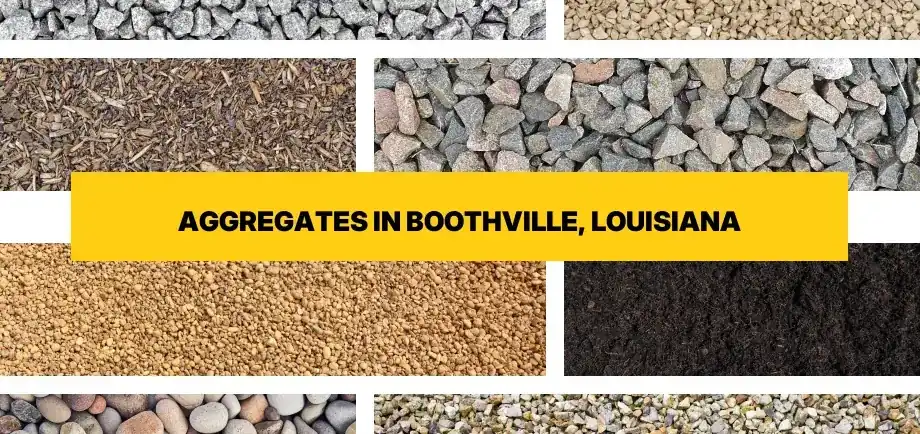
Shop Aggregates for Delivery in Boothville
Order online for free delivery to any Boothville address.
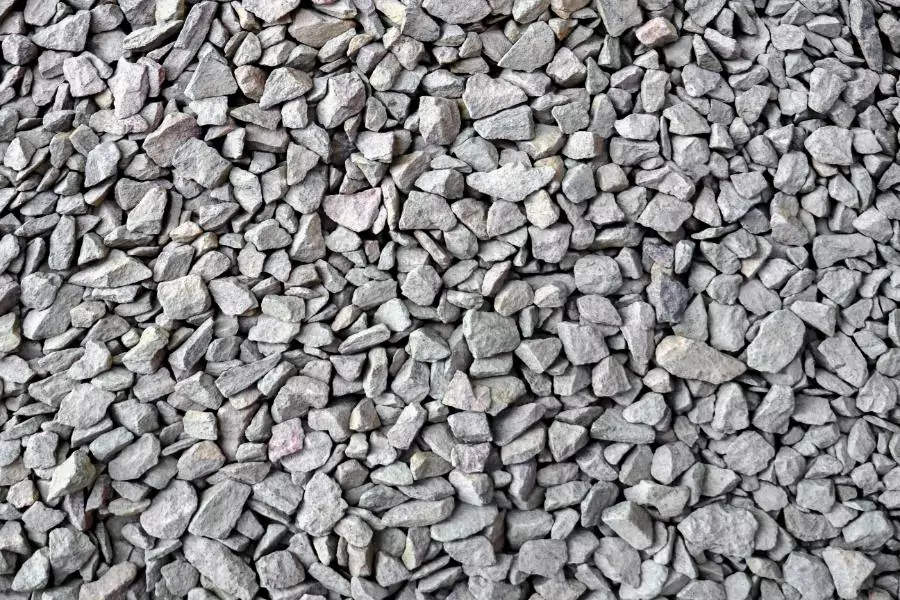
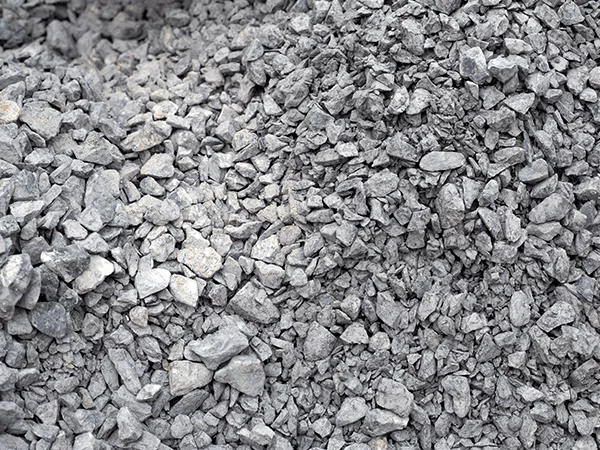


Gravel Monkey delivers premium aggregates and construction materials to Boothville and throughout lower Plaquemines Parish. As Louisiana's southernmost community, Boothville faces unique challenges including high water tables, hurricane exposure, and deltaic clay soils that demand specialized materials. Whether you're improving drainage near the Mississippi River, building elevated foundations along Highway 23, or creating stable driveways that can withstand coastal flooding, we provide the aggregates you need with completely free delivery to your property.
Complete Aggregate Selection for Coastal Louisiana Projects
Our extensive inventory meets the specific demands of construction and improvement projects in Boothville's challenging coastal environment:
- Driveway Gravel - Hurricane-resistant base for residential and commercial driveways
- 3/4 Inch Crushed Stone - Versatile aggregate for drainage and foundation stabilization
- #57 Stone - Premium drainage aggregate for French drains and percolation systems
- Drain Rock - Specialized material for managing high water tables
- Crusher Run - Compactable base aggregate for roads and parking areas
- Road Base - Stable foundation material for wetland construction
- River Rock - Natural aggregate for erosion control and landscaping
- Pea Gravel - Decorative stone for pathways and garden beds
- Walkway Gravel - Attractive aggregate for pedestrian surfaces
- Fill Dirt - Essential material for elevation and grading
- Topsoil - Nutrient-rich soil for coastal gardens
- Crushed Concrete - Eco-friendly recycled aggregate
- Mason Sand - Fine sand for masonry and construction
- Playground Sand - Safe, clean sand for play areas
- Washed Sand - Clean aggregate for concrete and landscaping
- Decomposed Granite - Natural pathway material
Understanding Boothville's Unique Geological Challenges
Boothville sits at the terminus of the Mississippi River Delta, where ongoing subsidence combines with rising sea levels to create exceptional construction challenges. The area's Holocene deltaic deposits consist primarily of organic-rich clays and silts with minimal load-bearing capacity. Water tables frequently rise within 12 to 18 inches of the surface, and the entire region experiences continuous land loss from coastal erosion.
These geological conditions demand specific aggregate solutions. Properties throughout the Venice area, Buras, and Port Sulphur require materials that provide both drainage and stability in perpetually saturated soils. The region's exposure to hurricane storm surge necessitates aggregates that resist displacement during flooding events while maintaining structural integrity during the humid subtropical climate's year-round moisture.
Climate Considerations for Aggregate Selection
Boothville's location at 29°N latitude brings hot, humid summers with average highs near 90°F and mild winters rarely dropping below 45°F. Annual rainfall exceeds 65 inches, with hurricane season from June through November bringing additional precipitation and storm surge threats. These conditions create year-round moisture saturation that affects aggregate performance. Materials must resist the growth of aquatic vegetation while maintaining stability during the thermal expansion cycles caused by temperature fluctuations between air-conditioned interiors and the intense outdoor heat.
Aggregate Applications for Coastal Construction Projects
Residential Drainage Systems
Proper drainage determines property habitability in Boothville's low-lying terrain. Installing French drains around foundations using number 57 stone provides the water management essential for preventing structural damage. The stone's angular shape and uniform size create void spaces that allow water to flow rapidly toward drainage outlets, reducing hydrostatic pressure against foundation walls. Properties near Grand Bayou, South Pass, and along the West Pointe a la Hache Highway particularly benefit from comprehensive drainage aggregate installations that intercept groundwater before it reaches structures.
Driveway Construction in Flood-Prone Areas
Building driveways that survive regular tidal flooding and hurricane inundation requires layered aggregate systems. Begin with a deep base of crusher run for stability, add a middle layer of 3/4 inch crushed stone for drainage, and finish with driveway gravel that provides a hard wearing surface. This three-layer approach distributes vehicle loads while allowing water to percolate downward rather than pooling on the surface. The system's flexibility accommodates the minor ground movements common to deltaic soils without cracking like concrete would.
Elevated Foundation Preparation
Recent building codes require elevated foundations throughout Plaquemines Parish's coastal zones. Creating these elevated pads demands substantial quantities of fill dirt to reach the required height, followed by compacted layers of road base aggregate to create a stable platform. The road base's gradation allows tight compaction while maintaining enough void space for water drainage. Properties near Pointe a la Hache and along Louisiana Highway 23 toward Empire commonly require elevation increases of 3 to 6 feet above existing grade, consuming significant aggregate volumes.
Aggregate Comparison for Louisiana Coastal Projects
| Aggregate Type | Best Coastal Uses | Drainage Rating | Hurricane Resistance |
|---|---|---|---|
| Crusher Run | Road bases, parking areas | Moderate | Excellent |
| 3/4" Crushed Stone | Foundations, general drainage | Excellent | Very Good |
| #57 Stone | French drains, percolation beds | Outstanding | Good |
| Drain Rock | High water table areas | Outstanding | Good |
| Road Base | Elevated pads, structural fills | Moderate | Excellent |
| River Rock | Erosion control, landscaping | Very Good | Fair |
| Pea Gravel | Walkways, decorative areas | Good | Fair |
| Fill Dirt | Site elevation, grading | Poor | Good when compacted |
Aggregate Delivery Throughout Lower Plaquemines Parish
We serve the entire southern tip of Louisiana, delivering aggregates to communities along both sides of the Mississippi River. From Venice's fishing camps to Port Sulphur's commercial district, from the historic areas near Fort Jackson to residential properties in Phoenix, our delivery trucks navigate Highway 23 and local access roads to reach your project site.
Properties along the East Bank near Triumph, Bohemia, and Diamond benefit from our knowledge of local access conditions. On the West Bank, we regularly serve customers in Happy Jack, Garden Island Bay, and Buras. Even the most remote fishing camps and hunting lodges accessible by boat receive our attention, with arrangements for mainland delivery points when watercraft access is required. Communities recovering from hurricane damage throughout the parish rely on our prompt aggregate delivery for reconstruction projects.
Serving Commercial and Industrial Sites
Boothville's economy depends on fishing, oil field services, and maritime operations. We supply aggregates to commercial fishing docks, boat launch facilities, equipment yards, and processing plants throughout the region. Marina operators near Venice Marina and Empire-South Pass Marina use our river rock and crushed stone for erosion control around pier structures. Oil field service companies operating staging areas require regular deliveries of road base and crusher run to maintain all-weather access to equipment during crew changes and supply operations.
Technical Specifications for Coastal Aggregate Applications
Calculating Aggregate Quantities
Determining the correct amount of aggregate prevents project delays and excess costs. For a driveway measuring 50 feet long by 12 feet wide requiring 6 inches of depth, calculate cubic yards by multiplying 50 x 12 x 0.5, then dividing by 27. This equals 11.1 cubic yards. However, Boothville's soft soils often require additional depth to prevent aggregate settling into the clay substrate. Consider ordering 15 to 20 percent extra material for projects on virgin ground that hasn't been previously stabilized with aggregate.
Aggregate Installation Best Practices
Successful aggregate installations begin with proper site preparation. Remove all vegetation and organic topsoil down to the mineral soil layer. Install geotextile fabric to separate the aggregate from underlying clay, preventing the aggregate from gradually sinking into the soft substrate. This fabric barrier is especially critical in Boothville's deltaic soils where the clay content exceeds 60 percent in many locations. Compact each aggregate layer with a vibrating plate compactor before adding the next layer. Water the material slightly during compaction to achieve maximum density without creating a muddy mess that loses structural integrity.
Seasonal Factors Affecting Aggregate Projects
While Boothville's subtropical climate permits year-round construction, certain seasons present advantages for aggregate work. Winter months from December through February bring lower humidity and fewer mosquitoes, making outdoor work more comfortable. However, occasional cold fronts can bring heavy rains that temporarily saturate job sites. Spring months see increased rainfall as the Gulf moisture combines with frontal systems. Summer's intense heat makes physical labor challenging, though morning work sessions allow completion before afternoon thunderstorms develop.
Hurricane season considerations extend beyond the storms themselves. Contractors often complete major aggregate projects before June to avoid weather delays during the critical summer months. Post-hurricane reconstruction drives aggregate demand as property owners repair damaged driveways, replace eroded foundations, and improve drainage systems that failed during storm surge events. Planning aggregate deliveries well in advance during reconstruction periods ensures material availability when you need it.
Environmental Stewardship in the Mississippi Delta
The fragile Mississippi River Delta ecosystem requires careful environmental consideration during construction projects. Selecting crushed concrete as a recycled aggregate option reduces the environmental impact of new stone quarrying. This recycled material performs comparably to virgin stone while supporting sustainability goals. Proper aggregate installation prevents soil erosion that would otherwise contribute sediment to nearby waterways, protecting the already-stressed marsh habitats surrounding Boothville.
Creating permeable surfaces using pea gravel or walkway gravel instead of impervious concrete reduces stormwater runoff volumes. This matters significantly in an area where every acre of developed land contributes to flooding during heavy rain events. Aggregates also avoid the heat island effect created by asphalt, keeping property temperatures lower and reducing cooling costs in the already-hot climate. When properly installed with erosion control measures, aggregates support both development needs and environmental protection in this vulnerable coastal region.
Maintaining Aggregate Installations in Coastal Conditions
Coastal Louisiana's aggressive environment requires regular aggregate maintenance to preserve performance. Annual inspection identifies areas where material has settled or been displaced by flooding. Adding fresh aggregate to low spots maintains proper drainage gradients and prevents water ponding. Remove any vegetation growing through the aggregate promptly, as plant roots can disrupt the material's structure and create channels for water infiltration. Power wash aggregate surfaces annually to remove accumulated silt and organic matter that clogs void spaces and reduces drainage capacity.
After major storm events, inspect aggregate installations for displacement or contamination. Hurricane storm surge often deposits layers of mud and debris across aggregate surfaces. Once floodwaters recede, hosing off contaminated aggregate and adding a fresh top layer restores appearance and function. Properties that experience regular tidal flooding near the South Pass area benefit from installing perimeter berms using compacted fill dirt capped with mason sand to create barriers that reduce the frequency of aggregate contamination.
Frequently Asked Questions About Aggregates in Boothville
For areas with high water tables and frequent flooding, we recommend drain rock, number 57 stone, or 3/4 inch crushed stone. These aggregates provide excellent drainage while maintaining stability in wet conditions. The angular shapes and uniform sizing create consistent void spaces that allow water to flow freely, essential for managing the groundwater that naturally rises close to the surface throughout Plaquemines Parish. Installing these drainage aggregates around foundations and under driveways prevents water accumulation that causes structural damage.
A standard residential driveway measuring 50 feet by 12 feet requires approximately 11 to 13 cubic yards of aggregate for a 6-inch depth. However, Boothville's soft soils often necessitate deeper installations or additional base layers to prevent settling. We recommend discussing your specific site conditions with our team to determine accurate quantities. Properties on virgin ground typically need 20 percent more material than those where aggregate has previously stabilized the soil.
While no material eliminates hurricane risk, properly installed aggregates significantly improve property resilience. Heavy aggregates like crusher run and road base resist displacement from wind and water better than lighter materials. Installing adequate aggregate bases under structures prevents foundation undermining during storm surge. Perimeter drainage using drain rock reduces water accumulation that contributes to flooding damage. The flexible nature of aggregate surfaces allows them to survive storm impacts that would crack concrete or wash away soil.
Both crusher run and road base serve as compactable foundation materials, but subtle differences exist. Crusher run contains a wider range of particle sizes from dust to larger stones, allowing extremely tight compaction. Road base features a more controlled gradation specifically engineered for roadway construction. In Boothville's applications, crusher run often works better for residential driveways and parking areas, while road base excels in commercial applications requiring maximum load-bearing capacity. Both resist the settling and rutting common in coastal soils when properly installed over geotextile fabric.
Geotextile fabric creates a separation barrier between aggregate and the underlying clay soils prevalent throughout lower Plaquemines Parish. Without this barrier, aggregate gradually presses into the soft clay substrate, especially under repeated loading from vehicles. The fabric distributes loads across a wider area while preventing the aggregate from mixing with clay during wet conditions. This separation maintains the aggregate's drainage capacity and structural integrity. Projects completed without geotextile fabric typically require additional aggregate within two to three years as material is lost to the substrate.
Regular maintenance extends aggregate life significantly in coastal conditions. Annually add fresh material to areas showing settling or rutting. Remove vegetation promptly to prevent root systems from disrupting the aggregate structure. After major storms, clean mud and debris from aggregate surfaces using a pressure washer or garden hose. For driveways experiencing regular use, plan to add a thin layer of fresh driveway gravel every three to four years to maintain a smooth wearing surface. Properties subject to tidal flooding benefit from post-flood rinsing to remove salt deposits that can cement particles together.
Crushed concrete provides an excellent recycled aggregate option that reduces environmental impact while performing comparably to virgin stone. This material comes from recycled construction waste, reducing quarrying demands and landfill usage. Additionally, using aggregates instead of impervious surfaces like concrete reduces stormwater runoff, an important consideration in the environmentally sensitive Mississippi Delta. Properly installed aggregate surfaces allow rainwater to percolate naturally rather than contributing to the flooding problems that affect developed coastal areas. These permeable surfaces also avoid the heat island effect, keeping property temperatures lower in Louisiana's hot climate.
We deliver throughout lower Plaquemines Parish including Venice, Buras, Port Sulphur, Empire, Diamond, Bohemia, Triumph, Phoenix, Happy Jack, and all communities along Highway 23. Our delivery service extends to remote fishing camps and properties accessible by local roads. For extremely remote locations requiring watercraft access, we coordinate delivery to convenient mainland points. All deliveries throughout our service area are completely free, allowing customers to budget accurately for their aggregate needs without surprise transportation charges.
Professional Aggregate Delivery for Boothville Properties
Gravel Monkey understands the unique challenges facing property owners in Louisiana's southernmost community. Our aggregate products meet the demanding requirements of construction and improvement projects in this dynamic coastal environment. From hurricane-resistant driveway installations to comprehensive drainage systems managing high water tables, we supply the materials your project demands. Our experienced team helps you select appropriate aggregates for Boothville's specific conditions, calculate accurate quantities, and schedule convenient delivery to your property anywhere in lower Plaquemines Parish. Every delivery arrives free of charge, and our driver-operators carefully place materials exactly where you need them to minimize handling labor.
Whether you're a commercial operator maintaining equipment yards, a fishing camp owner improving access roads, or a homeowner elevating structures to meet new building codes, quality aggregates form the foundation of successful projects. Contact Gravel Monkey today to discuss your aggregate needs with our knowledgeable team. We're ready to deliver the materials that help your property thrive in one of America's most challenging yet rewarding coastal environments.

Need help? Reach out for a quote: