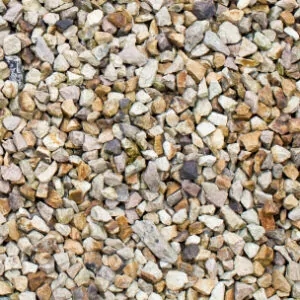

Shop Sand, Stone & Gravel in Carville, Louisiana
Local Topsoil, Dirt, Sand, Rocks and Gravel near me in Carville, Louisiana
Shop Aggregates for Delivery in Carville
Order online for free delivery to any Carville address.
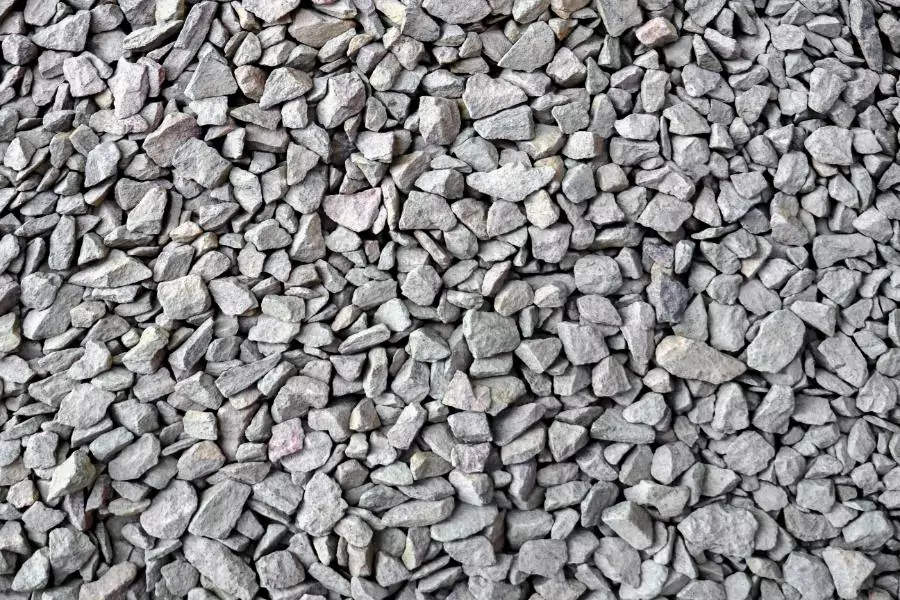
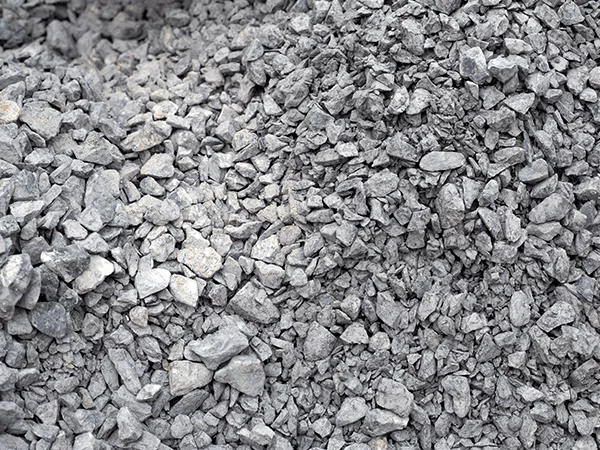


Gravel Monkey provides reliable delivery of premium aggregates and landscaping materials throughout Carville, Louisiana. Located in the heart of Iberville Parish along the Mississippi River, Carville faces unique challenges including high water tables, expansive clay soils, and an average annual rainfall exceeding 60 inches. Whether you're stabilizing a driveway near the historic River Road corridor, installing drainage systems to manage water in low-lying areas, or upgrading your property along Highway 30, we deliver the right aggregates for your project absolutely free. Our materials are specifically selected to perform in Louisiana's subtropical climate and handle the region's demanding soil conditions.
Complete Range of Aggregates Available in Carville
We supply a comprehensive selection of aggregates and materials designed to address the specific challenges Carville property owners face. From managing drainage near the Mississippi River levee system to creating stable bases in soft alluvial soils, our products deliver lasting results:
- Driveway Gravel - Engineered blends that resist settling in Carville's clay-heavy soil
- 3/4 inch Crushed Stone - Versatile angular aggregate for solid foundations and drainage applications
- #57 Stone - Industry-standard drainage stone perfect for French drains and foundation perimeters
- Crusher Run - Premium compactable base that locks together for superior driveway stability
- Road Base - Heavy-duty aggregate base designed for high-traffic areas and commercial applications
- Pea Gravel - Smooth decorative aggregate for landscaping and pathways
- River Rock - Natural aesthetic stones in multiple sizes for water features and garden beds
- Drain Rock - High-flow aggregate essential for managing Carville's heavy rainfall
- Crushed Concrete - Eco-friendly recycled aggregate for cost-effective base layers
- Decomposed Granite - Natural compacting material for walkways and rustic pathways
- Topsoil - Nutrient-rich soil for gardens, raised beds, and lawn establishment
- Fill Dirt - Essential for grading, leveling, and raising property elevations in flood-prone areas
- Mason Sand - Fine-grade sand for bricklaying and paver installation
- Playground Sand - Safe, clean sand for children's play areas
- Washed Sand - Multi-purpose clean sand for construction and landscaping
- Walkway Gravel - Attractive aggregate blends perfect for garden paths and pedestrian areas
Aggregate Solutions for Carville's Unique Challenges
Carville's location along the Mississippi River creates distinctive soil and drainage conditions that demand specialized aggregate solutions. The area's geology consists primarily of alluvial deposits—fine clays, silts, and sands deposited over millennia by the river. This soil composition leads to several challenges for property owners and builders throughout the region.
Understanding Carville's Soil and Climate Conditions
The clay-rich soils prevalent throughout Carville and neighboring communities like Gonzales and St. Gabriel are highly expansive, meaning they swell significantly when wet and shrink during dry periods. With annual rainfall averaging 62 inches and humidity levels frequently exceeding 75%, the ground rarely has extended periods to dry out completely. The water table sits exceptionally high in areas near the Mississippi River levee and along the historic River Road district, often within just 2-3 feet of the surface.
These conditions create specific requirements for aggregate materials. Standard gravel installations that might work in drier climates or areas with better-draining soils simply won't perform in Carville. Properties throughout the region need aggregates that provide excellent drainage, resist sinking into soft soil, and maintain structural integrity despite the constant moisture exposure.
Recommended Aggregates for River Parish Properties
For driveways and parking areas near Highway 30 and throughout residential neighborhoods, crusher run provides the best combination of stability and drainage. Its mixture of angular stone sizes allows the material to compact tightly while still permitting water flow, preventing the pooling issues common with solid surfaces. Properties in lower-lying areas benefit from a thicker base layer—typically 6 inches compared to the standard 4 inches used in better-draining locations.
Foundation drainage around homes in Carville requires careful attention due to the high water table. Installing drain rock or angular stone in perimeter trenches helps channel water away from structures, protecting against the hydrostatic pressure that builds up in saturated clay soils. Many properties near the levee system require more extensive drainage solutions, including French drains installed with proper geotextile fabric to prevent silt intrusion.
For landscaping projects throughout the historic areas and newer subdivisions, decomposed granite creates permeable pathways that won't trap water like concrete or pavers might. This material compacts naturally over time while still allowing rainfall to percolate through, reducing runoff and erosion issues common in Louisiana's intense summer thunderstorms.
Serving Communities Throughout the Carville Area
Gravel Monkey proudly delivers throughout Carville and the surrounding River Parishes region. Our service area encompasses all of Iberville Parish and extends to neighboring communities that share similar soil and drainage challenges:
Local Service Areas
Historic River Road District: Properties along the Mississippi River corridor benefit from our expertise in managing drainage near levee systems. We deliver aggregates that handle the unique challenges of living in proximity to one of America's great rivers.
Highway 30 Corridor: Homes and businesses along this main thoroughfare require durable driveways and parking areas that can withstand both residential and commercial traffic while managing Louisiana's heavy rainfall.
National Hansen's Disease Museum Area: This historic district features a mix of preservation-era structures and newer properties, each requiring appropriate aggregate solutions for period-appropriate landscaping and modern drainage needs.
Nearby Gonzales: Just south of Carville, this growing community faces similar soil challenges with its expansive clay composition and high water table conditions throughout residential and commercial developments.
St. Gabriel: North of Carville along Highway 30, this industrial and residential area requires robust aggregate solutions for both heavy commercial applications and residential projects.
Prairieville Area: To the southeast, this rapidly developing region shares the same alluvial soil characteristics and benefits from proper aggregate selection for new construction and property improvements.
White Castle: Further up the Mississippi River, this community faces similar drainage challenges and requires the same careful attention to aggregate selection for lasting results.
Port Allen: Across the river, properties in this area deal with identical soil conditions and benefit from our understanding of River Parish geography and construction requirements.
Choosing the Right Aggregate for Your Carville Project
Selecting appropriate materials depends on your specific application, location characteristics, and budget considerations. This comparison helps identify which aggregates best suit common projects throughout Carville and Iberville Parish:
| Aggregate Type | Best Applications | Drainage Performance | Compaction Level | Ideal For Carville Soil |
|---|---|---|---|---|
| Crusher Run | Driveways, parking areas, road base | Excellent | Superior compaction | Yes - resists settling |
| 3/4 inch Crushed Stone | Foundations, concrete base, utility trenches | Very Good | Good compaction | Yes - angular stability |
| #57 Stone | French drains, pipe bedding, drainage fields | Excellent | Minimal compaction | Ideal - high flow rate |
| Road Base | Heavy traffic areas, commercial drives | Good | Maximum compaction | Yes - heavy-duty |
| Drain Rock | Foundation drainage, catch basins | Maximum | Low compaction | Essential for wet areas |
| Pea Gravel | Landscaping, pathways, decorative use | Moderate | Minimal compaction | Good for surface use |
| Crushed Concrete | Base layers, temporary roads, fill | Good | Good compaction | Cost-effective option |
| Decomposed Granite | Walkways, garden paths, permeable surfaces | Very Good | Natural compaction | Excellent permeability |
Application-Specific Recommendations
Residential Driveways: Most homes throughout Carville perform best with a 4-6 inch base of crusher run topped with 2 inches of smaller stone for aesthetic finish. This combination provides stability in clay soil while managing water effectively. Properties in particularly soft soil areas near the river may require geotextile fabric beneath the aggregate to prevent mixing with underlying clay.
Foundation Drainage Systems: The high water table throughout the region makes proper foundation drainage critical. Install a perimeter French drain using #57 stone or drain rock wrapped in filter fabric, positioned at footer level. This system intercepts groundwater before it can build pressure against basement walls or slabs, protecting your investment from Louisiana's challenging moisture conditions.
Yard and Garden Projects: For raised garden beds popular in areas with poor native soil, topsoil provides the nutrient base plants need, while fill dirt efficiently raises bed elevations above the surrounding grade. This strategy improves drainage naturally, keeping plant roots from sitting in waterlogged conditions during Carville's frequent heavy rains.
Erosion Control: Properties with slopes or areas prone to washout benefit from larger river rock or riprap placement. These materials stay in position during heavy rain events while allowing water to flow through, preventing the soil erosion common along ditches and swales throughout the region.
Working With Louisiana's Seasonal Weather Patterns
Carville experiences distinct seasonal patterns that influence aggregate installation and performance. Understanding these patterns helps property owners time projects effectively and select materials that will perform year-round.
Spring and Early Summer (March-June)
This period brings the heaviest rainfall, with May often seeing 6-7 inches of precipitation. Ground saturation reaches its peak, making soil excavation more difficult. However, this is also when drainage problems become most apparent. Installing proper aggregates during this window allows you to immediately see how effectively your drainage system handles Louisiana's intense rainfall. The mild temperatures, typically ranging from 70-85°F, provide comfortable working conditions before the intense summer heat arrives.
Late Summer and Hurricane Season (July-October)
While rainfall decreases slightly in late summer, hurricane season brings the potential for extreme precipitation events. Properties with inadequate drainage or improper aggregate selection face flooding risks during these storms. The clay soil throughout Carville becomes extremely hard when dry during July and August, making excavation challenging. Ground temperatures can exceed 95°F regularly, making outdoor project work more demanding. Despite the heat, this period allows aggregate to settle and compact under its own weight before fall rains test the installation.
Fall and Winter (November-February)
Cooler temperatures between 45-65°F make this the most comfortable season for aggregate projects. The ground typically maintains moderate moisture levels without the extremes of spring saturation or late-summer hardness. Rainfall moderates to 4-5 inches monthly, allowing better working conditions. This season is ideal for driveway improvements, as the ground provides stable conditions for base preparation while cooler temperatures reduce dust during installation.
Year-Round Drainage Importance
Regardless of season, Carville's high humidity and frequent rain mean proper drainage remains critical twelve months a year. Unlike drier climates where aggregate primarily provides a stable surface, here it must actively manage constant moisture exposure. Selecting materials that maintain both structural integrity and drainage capacity ensures your investment performs through every seasonal cycle Louisiana delivers.
Best Practices for Aggregate Installation in River Parish Properties
Proper installation techniques make the difference between aggregates that last decades and those that fail within a few years. Carville's challenging conditions require attention to detail throughout every project phase.
Site Preparation Essentials
Before any aggregate delivery, proper site preparation proves essential. In Carville's clay soil, excavation depth matters significantly. Remove all organic material, topsoil, and soft clay until reaching firm subgrade. For driveways, this typically means excavating 8-12 inches below the planned finished grade. The expansive clay common throughout the region must be properly compacted or removed entirely in areas where it's particularly soft.
Consider installing geotextile fabric as a separation layer between native soil and aggregate. This landscape fabric prevents the clay from migrating up into the stone while still allowing water drainage. Properties near the River Road area or in particularly low-lying locations benefit greatly from this additional protection against mixing and settling.
Layering Strategy for Maximum Stability
Professional installations throughout Carville typically use a layered approach. Start with a 4-6 inch base layer of crusher run or road base, compacting it thoroughly with a plate compactor or roller. This base layer provides the structural foundation that prevents settling into soft clay. Follow with a 2-3 inch layer of smaller aggregate for the finished surface. This two-layer system combines stability with aesthetics while maintaining drainage capacity.
For areas with particularly challenging soil conditions—common near the Mississippi River and in lower elevations—increase the base layer to 8 inches or more. The additional thickness distributes weight over a larger area, reducing point loads that would otherwise cause settling in soft soil.
Managing Edge Restraint
Aggregates need proper edge containment to prevent spreading over time. Use treated timber, steel edging, or concrete borders to maintain crisp edges and prevent lateral movement. This proves especially important in Louisiana's climate, where freeze-thaw cycles don't naturally help lock materials in place as they do in northern regions. Without proper edging, aggregates gradually migrate during heavy rains or simply from repeated vehicle traffic.
Grading for Positive Drainage
All aggregate surfaces must slope away from buildings and toward designated drainage areas. Even a minimal grade of 2% (one-quarter inch per foot) ensures water doesn't pool on the surface. In Carville's high-rainfall environment, standing water accelerates aggregate deterioration and creates muddy conditions. Crown driveways slightly in the center, allowing water to sheet off toward both sides rather than channeling down the middle where it would cause ruts.
Calculating Aggregate Quantities for Carville Projects
Accurately estimating material needs prevents shortages that delay projects or excess that wastes money. Understanding volume calculations helps you order precisely what your property requires.
Basic Volume Calculations
Calculate aggregate quantity by determining cubic yards needed. Measure the length and width of your project area in feet, then multiply by the desired depth (also in feet). Divide this result by 27 to convert cubic feet to cubic yards. For example, a driveway measuring 50 feet long by 12 feet wide with a 6-inch (0.5 foot) depth requires: (50 × 12 × 0.5) ÷ 27 = 11.1 cubic yards.
Adjusting for Carville's Conditions
Standard calculations work for firm subgrades, but Carville's soft clay soil often requires adjustment. In particularly soft areas, increase your base depth by 1-2 inches to compensate for potential settling. Additionally, add 10-15% extra material to account for compaction. Aggregates compress significantly during installation, especially in their first year as ground moisture and traffic pack them tighter.
Common Project Estimates
A typical single-car driveway (12 feet wide × 50 feet long × 6 inches deep) requires approximately 11 cubic yards of base aggregate plus 4 cubic yards of surface stone. Two-car driveways (20 feet wide × 50 feet long × 6 inches deep) need roughly 18 cubic yards of base material plus 7 cubic yards for the surface layer. Larger parking areas or commercial applications require proportionally more material based on these same calculation principles.
Foundation drainage systems typically use #57 stone in 12-inch wide by 18-inch deep trenches running around the building perimeter. A 1,500 square foot home requires approximately 3-4 cubic yards of drainage aggregate, though this varies significantly based on foundation depth and specific site conditions near the Mississippi River levee system.
Maintaining Aggregate Installations in Louisiana's Climate
Even properly installed aggregates require periodic maintenance to perform optimally through Louisiana's demanding weather conditions. Regular attention prevents minor issues from becoming expensive problems.
Annual Inspection and Top-Dressing
Inspect aggregate surfaces each spring after winter rains. Look for low spots where material has settled, areas where clay has migrated to the surface, or sections where drainage seems compromised. Most Carville driveways benefit from adding a fresh layer of surface aggregate every 3-5 years. This top-dressing refreshes appearance while filling any minor depressions that developed through settling or compaction.
Weed Control Strategies
Louisiana's year-round growing season means vegetation constantly attempts to colonize aggregate surfaces. Apply pre-emergent herbicide in early spring and again in fall to prevent weed seeds from germinating. For existing growth, spot-treat with appropriate post-emergent products or remove manually before they establish deep root systems. Maintaining a thick enough aggregate layer (minimum 3 inches for surface stone) naturally suppresses most weed growth by blocking light to the soil beneath.
Managing Storm Damage
After heavy rains or tropical systems, rake aggregates to redistribute any material that washed or displaced. Check drainage swales and catch basins to ensure they're clear of accumulated sediment. Properties throughout the River Road area and near the levee system may need more frequent drainage maintenance due to the extremely high water table and tendency for silt accumulation during flood events.
Regrading When Necessary
Over time, traffic patterns create ruts and depressions in aggregate surfaces. Periodically re-rake and grade the surface to restore proper drainage slopes. For vehicle areas, this maintenance typically proves necessary every 2-3 years. Add fresh material to low spots rather than simply moving existing aggregate around, as this maintains proper depth throughout the installation.
Frequently Asked Questions About Aggregate Delivery in Carville
Crusher run and road base perform exceptionally well in Carville's challenging soil conditions because they compact tightly while maintaining drainage. For areas with particularly high water tables near the Mississippi River levee, use drain rock or #57 stone for maximum water flow. The angular nature of crushed aggregates helps them resist settling into soft clay better than rounded materials. Consider a thicker base layer (6-8 inches) in especially soft areas to distribute weight more effectively.
With Carville receiving over 60 inches of annual rainfall, drainage capacity becomes the primary consideration for aggregate selection. Materials must allow rapid water infiltration while maintaining structural stability when saturated. This eliminates rounded materials that might shift when wet and makes angular crushed aggregates the preferred choice. Installation must include proper grading to shed water away from structures, and many properties benefit from French drain systems using drain rock to intercept groundwater before it can pool on the surface or undermine aggregate bases.
Properties close to the river or levee system often have particularly soft alluvial soils and very high water tables. These conditions typically require geotextile fabric installation beneath aggregates to prevent mixing with underlying clay and silt. You may also need deeper excavation to reach firmer subgrade, and drainage systems become critical to prevent hydrostatic pressure buildup. Some locations benefit from raising the finished grade with fill dirt before installing aggregates, lifting the surface above areas prone to seasonal water table rises.
Both materials consist of crushed stone with a mix of sizes that compact tightly, but road base typically includes finer particles and may have specific gradation requirements for highway construction standards. Crusher run works excellently for most residential driveways and provides outstanding compaction and drainage. Road base offers maximum load-bearing capacity and is ideal for heavy commercial traffic or areas requiring extra stability. Either material outperforms single-size aggregates in Carville's soft soil conditions.
Most Carville driveways require 4-6 inches of compacted base aggregate for residential use. Properties with particularly soft clay soil or in lower-lying areas near the river should increase this to 6-8 inches for adequate stability. Commercial or heavy-use driveways need 8-10 inches minimum. In all cases, excavate deep enough to remove soft topsoil and organic material, reaching firm subgrade before installing aggregate. Add 2-3 inches of smaller surface stone atop the compacted base for a finished look and improved drainage.
Decorative aggregates work well for landscaping and walkway applications throughout Carville, but they require proper installation over a stable base. Use crusher run or road base as a foundation, then place decorative stone on top. The base layer prevents the decorative material from sinking into soft clay while managing drainage. For garden beds and areas around trees, river rock and pea gravel help retain moisture during dry periods while allowing excess water to drain during heavy rains, making them ideal for Louisiana's climate extremes.
Mason sand works perfectly for bricklaying, block work, and mixing mortar in Louisiana's humid conditions. Its fine, uniform texture creates smooth joints and workable mortar mixes. For paver installation, mason sand provides an ideal setting bed that stays in place during compaction while allowing some flexibility for leveling. Washed sand serves well for concrete mixes and general construction needs. Playground sand offers a safe, clean option for children's play areas, resisting compaction despite the humidity while draining effectively after rain events.
Inspect aggregate installations annually, typically each spring after winter rains reveal any drainage or settling issues. Most driveways benefit from fresh top-dressing every 3-5 years to fill minor depressions and refresh appearance. Weed control requires attention 2-3 times yearly due to Louisiana's extended growing season. After major storm events or hurricanes, check for washout or displacement and redistribute material as needed. Regular raking helps maintain proper surface drainage and extends the life of your aggregate installation significantly.
Free Delivery Throughout Carville and Iberville Parish
Gravel Monkey eliminates delivery charges for all aggregate orders throughout Carville, Gonzales, St. Gabriel, White Castle, and the surrounding River Parishes region. We understand that delivery costs can significantly impact project budgets, so we've built free delivery into our service model. Whether you're ordering a few yards for a small garden project or multiple truckloads for a commercial development, delivery is always included.
Professional Delivery Process
Our experienced drivers understand Carville's roads and property access challenges. We navigate narrow River Road properties, tight residential streets, and areas with overhead power lines safely and efficiently. When you schedule delivery, we'll confirm optimal placement locations to minimize material handling on your end. Our trucks feature controlled dump systems that place aggregates precisely where you need them, reducing the labor required to redistribute material across your property.
Scheduling and Availability
We maintain extensive aggregate inventory to fulfill orders promptly throughout Iberville Parish and surrounding areas. Most orders placed in the morning can be delivered that same day, with next-day delivery guaranteed for all orders. During peak construction seasons in spring and fall, or after storm events when demand increases, we recommend scheduling 2-3 days in advance to secure your preferred delivery window.
Quality Assurance
Every load of aggregate delivered to Carville properties meets strict quality standards. We source materials from reputable quarries and suppliers throughout Louisiana, ensuring consistent gradation, cleanliness, and proper sizing. Our crushed aggregates contain the angular shapes necessary for proper compaction in soft clay soils, while decorative materials maintain attractive appearance and uniform sizing. Before delivery, materials are checked for contamination, proper moisture content, and specification compliance.
Site Access Considerations
Our standard delivery trucks require adequate access width and overhead clearance. For properties with limited access along the River Road corridor or tight residential streets, discuss specific access conditions when ordering. In some cases, we can arrange smaller vehicles or alternative delivery methods to reach challenging locations. Always verify that delivery locations can accommodate a loaded truck weighing 30,000-50,000 pounds, particularly important in areas with soft shoulders or limited parking space along Highway 30.
Sustainable Aggregate Choices for Environmentally-Conscious Properties
Louisiana property owners increasingly prioritize environmentally responsible material choices. Several aggregate options support sustainability goals while still delivering the performance Carville's challenging conditions require.
Recycled Concrete Benefits
Crushed concrete diverts material from landfills while providing cost-effective aggregate for base layers. This recycled product performs similarly to virgin crushed stone for driveway bases and parking areas, compacts well, and provides adequate drainage. The slightly alkaline nature of concrete aggregate can even benefit surrounding soil chemistry in some applications. Using recycled materials reduces the environmental impact of new quarrying while supporting Louisiana's circular economy initiatives.
Permeable Surface Solutions
Decomposed granite and properly graded gravel create permeable surfaces that allow rainwater infiltration rather than creating runoff. In Carville's high-rainfall environment, permeable surfaces reduce strain on storm drainage systems and help recharge groundwater naturally. These materials filter pollutants as water percolates through, improving water quality compared to impervious surfaces that channel contaminated runoff directly into ditches and eventually the Mississippi River.
Native and Local Sourcing
We prioritize aggregates sourced from Louisiana and nearby states, reducing transportation distances and associated carbon emissions. Local sourcing also ensures materials are well-suited to regional conditions, having proven performance in similar soil and climate conditions throughout the area. Supporting regional aggregate producers keeps economic benefits within Louisiana communities while reducing the environmental footprint of material transportation.
Your Partner for Aggregate Solutions in Carville
Successful aggregate projects in Carville require understanding the region's unique combination of expansive clay soils, high water tables, and intense rainfall patterns. Whether you're stabilizing a driveway along Historic River Road, installing drainage systems near the Mississippi River levee, or creating landscaping features that can withstand Louisiana's subtropical climate, proper material selection and installation techniques make all the difference between lasting success and premature failure.
Gravel Monkey brings expertise in Louisiana soil conditions and aggregate applications throughout Iberville Parish and the surrounding River Parishes. We've seen what works in Carville's challenging environment and what fails, knowledge we apply to every recommendation and delivery. Our commitment to free delivery eliminates a significant cost barrier, making professional-grade aggregates accessible for projects of all sizes throughout the region.
From residential driveways in Gonzales to commercial developments near St. Gabriel, from erosion control along waterways to foundation drainage throughout White Castle, we supply the aggregates that perform in real Louisiana conditions. Contact us to discuss your specific project requirements, and we'll recommend materials proven to deliver lasting results in Carville's demanding environment.

Need help? Reach out for a quote: