Shop Sand, Stone & Gravel in Creole, Louisiana
Local Topsoil, Dirt, Sand, Rocks and Gravel near me in Creole, Louisiana
Shop Aggregates for Delivery in Creole
Order online for free delivery to any Creole address.


Gravel Monkey delivers high-quality gravel and aggregates directly to properties throughout Creole, Louisiana, and Cameron Parish. Whether you're building a driveway near Grand Chenier, improving drainage along the Creole Canal, or creating stable ground near Pecan Island, we provide the construction materials you need with completely free delivery. Our aggregates are specifically selected to handle the unique challenges of coastal Louisiana, from soft soils and high water tables to hurricane preparedness and year-round humidity.
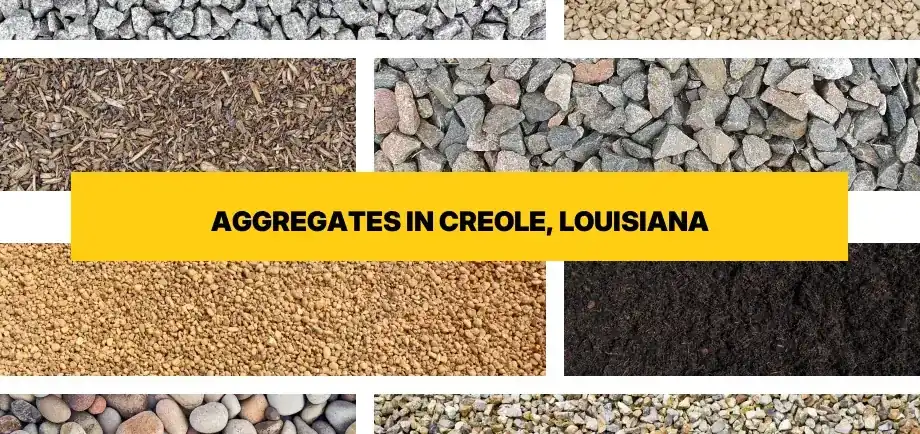
Gravel & Aggregates Available in Creole, LA
Our comprehensive selection of aggregates serves residential, commercial, and agricultural projects across Cameron Parish. Every material we deliver is designed to perform in Louisiana's challenging coastal environment:
- Driveway Gravel - Heavy-duty base material for long-lasting driveways on soft coastal soils
- 3/4 inch Crushed Stone - Versatile aggregate for foundations, driveways, and drainage projects
- #57 Stone - Clean, angular stone ideal for French drains and concrete work
- Road Base - Professional-grade base for roads and heavy equipment access
- Drain Rock - Superior drainage aggregate for water management systems
- Crusher Run - Compactible base that locks together for stable surfaces
- Pea Gravel - Decorative smooth stone for landscaping and walkways
- River Rock - Natural decorative stone available in multiple sizes
- Walkway Gravel - Perfect size for garden paths and pedestrian areas
- Crushed Concrete - Eco-friendly recycled aggregate for base layers
- Decomposed Granite - Natural pathway material that compacts firmly
- Topsoil - Nutrient-rich soil for gardens and lawn establishment
- Fill Dirt - Essential for grading and raising property elevation
- Mason Sand - Fine sand for masonry and construction projects
- Washed Sand - Clean sand for landscaping applications
- Playground Sand - Safe, clean sand for recreational areas
Aggregates for Coastal Louisiana Conditions
Creole sits in the heart of Cameron Parish, where the Gulf Coast environment creates unique challenges for construction and landscaping. The region's Beauregard fine sandy loam and coastal marsh soils have poor load-bearing capacity, requiring proper aggregate bases for any structure. With an average annual rainfall exceeding 60 inches and a water table often within two feet of the surface, drainage becomes critical for property stability.
Properties near Oak Grove, along Highway 82 toward Cameron, and throughout the Grand Chenier area face additional complications from saltwater intrusion and storm surge potential. The aggregates we deliver address these coastal conditions directly. Our crushed stone products provide the angular interlocking structure needed to create stable foundations on soft ground, while our specialized drainage materials manage the constant presence of water.
Driveway Solutions for Soft Coastal Soils
Building a reliable driveway in Creole requires understanding the local soil composition. The fine sandy loam that dominates the area compresses easily under vehicle weight, leading to rutting and washboard surfaces without proper base preparation. Successful driveways near East Creole and the Mermentau River area typically start with a geotextile fabric layer to prevent mixing between native soil and aggregate.
A minimum four-inch layer of compacted road base creates the essential foundation, followed by two to three inches of driveway gravel as the surface layer. Properties in lower-lying areas near Pecan Island or along bayou edges may require six inches of base material for adequate stability. The angular nature of crushed aggregates allows them to lock together under compaction, creating a surface that resists the settling common in coastal Louisiana.
Drainage Management in High Water Table Areas
The perpetually high water table throughout Cameron Parish makes proper drainage essential for any property improvement. Water that cannot drain away weakens aggregate bases, promotes soil expansion, and creates standing water issues. French drains filled with #57 stone effectively channel water away from foundations and driveways, while drain rock provides superior permeability for larger drainage projects.
Many homeowners near the Gibbstown area and along the Creole Canal install perimeter drainage systems using crusher run as a base with drain rock around perforated pipe. This combination manages both surface water from Louisiana's frequent heavy rains and groundwater seepage from the shallow water table. The system protects structures and prevents the soil saturation that leads to foundation problems.
Serving Communities Throughout Cameron Parish
Gravel Monkey provides free delivery to all areas of Creole and surrounding communities in Cameron Parish:
Grand Chenier - Properties along the Grand Chenier Ridge benefit from slightly higher elevations but still require quality aggregates for driveway stability and drainage management. The area's historic oak groves and coastal prairie landscape make it popular for residential development.
Oak Grove - This community near the Gibbstown intersection relies heavily on proper aggregate bases due to the soft coastal soils. Our road base and crusher run products provide the foundation strength needed for residential driveways and farm access roads.
Pecan Island - The extremely low elevation near Pecan Island demands excellent drainage solutions. We regularly deliver drain rock and crushed stone to properties managing water flow from both rainfall and tidal influences.
East Creole - Residential properties in East Creole often need aggregate for driveway repair after storm events. Our driveway gravel and road base withstand the region's weather extremes while providing long-term stability.
Little Chenier - Agricultural operations near Little Chenier use our aggregates for equipment access roads and farmyard improvements. The load-bearing capacity of our crushed stone supports heavy machinery even on soft ground.
Cameron - Just west of Creole, Cameron properties frequently order aggregates for hurricane recovery and property elevation projects. Our fill dirt and road base support the community's ongoing resilience efforts.
Mermentau River Area - Properties along the Mermentau River benefit from our drainage aggregates for managing both freshwater and occasional saltwater intrusion. The right stone materials protect property while supporting the unique coastal ecosystem.
Choosing the Right Aggregate for Your Creole Project
Different projects require different aggregate characteristics. This comparison helps you select the appropriate material for coastal Louisiana conditions:
| Aggregate Type | Best Applications | Drainage Rating | Compaction | Coastal Suitability |
|---|---|---|---|---|
| Road Base | Driveways, Roads, Heavy Equipment Pads | Good | Excellent | High - Ideal for soft soils |
| Crusher Run | Driveway Base, Pathways, Parking Areas | Moderate | Excellent | High - Locks firmly |
| Drain Rock | French Drains, Septic Fields, Water Management | Excellent | Poor | Very High - Essential for drainage |
| #57 Stone | Drainage Systems, Concrete Mix, Decorative | Excellent | Moderate | High - Clean and angular |
| 3/4 inch Crushed Stone | Foundations, Driveway Surface, General Use | Very Good | Very Good | High - Versatile performer |
| Pea Gravel | Landscaping, Pathways, Ground Cover | Good | Poor | Moderate - Decorative use |
| Crushed Concrete | Base Layers, Temporary Roads, Budget Projects | Good | Good | High - Economical and stable |
Common Aggregate Applications in Creole
Residential Driveway Construction
A properly built driveway in coastal Louisiana starts with site preparation. Remove organic topsoil, which compresses under load and holds excessive moisture. Many contractors serving the Grand Chenier and Oak Grove areas recommend geotextile fabric to separate native soil from aggregate layers, preventing intermixing that reduces stability.
Apply four to six inches of road base as the primary foundation layer, using a plate compactor or roller for proper consolidation. This base layer carries the vehicle load and distributes weight across soft underlying soils. The final surface layer uses two to three inches of driveway gravel or crusher run, compacted firmly to create a stable driving surface that sheds water effectively.
Agricultural Access Roads
Farm and ranch operations throughout Cameron Parish need reliable access roads for equipment and livestock management. Properties near Little Chenier and the agricultural areas east of Creole face challenges from heavy equipment traffic on naturally soft soils. Road base creates permanent access routes that support loaded trucks and tractors year-round.
For equipment access, apply six to eight inches of compacted road base in twelve-foot widths. The crushed angular aggregate interlocks under compaction, forming a stable mat that bridges soft spots and distributes load. This prevents the rutting and mud holes common on unimproved farm roads during Louisiana's wet seasons.
French Drain Installation
The high water table throughout Creole makes French drains essential for foundation protection and yard drainage. A typical installation excavates a trench two feet deep and one foot wide, sloping slightly toward the desired drainage outlet. Line the trench with landscape fabric, add four inches of #57 stone, place perforated drain pipe, cover with additional stone, and wrap with fabric before backfilling.
The angular clean stone creates void space that allows water to flow freely into the perforated pipe while preventing soil particles from clogging the system. Properties near the Mermentau River and Pecan Island areas particularly benefit from comprehensive drainage systems that manage both surface runoff and groundwater seepage.
Property Elevation and Grading
Hurricane preparedness drives many property improvement projects in Cameron Parish. Raising structures above flood levels requires substantial amounts of fill dirt, properly compacted in layers. Once the desired elevation is achieved, a six-inch layer of crushed stone or road base creates a stable working surface and provides drainage around the elevated structure.
This approach, common in Cameron and throughout coastal Louisiana, allows water to drain away from foundations rather than pooling around structures. The combination of proper elevation and aggregate drainage significantly reduces flood damage potential during storm events.
Understanding Aggregate Specifications
Crushed Stone vs. Gravel
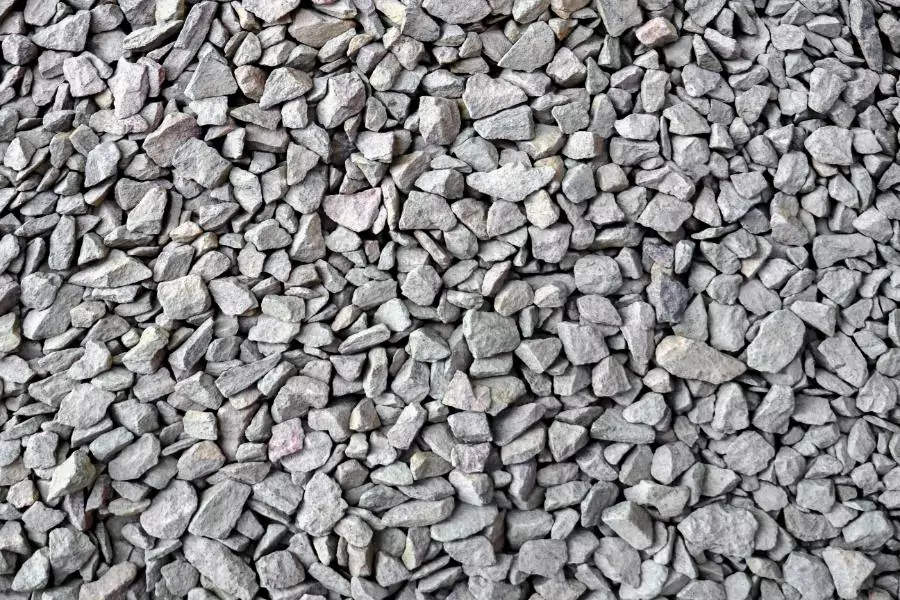
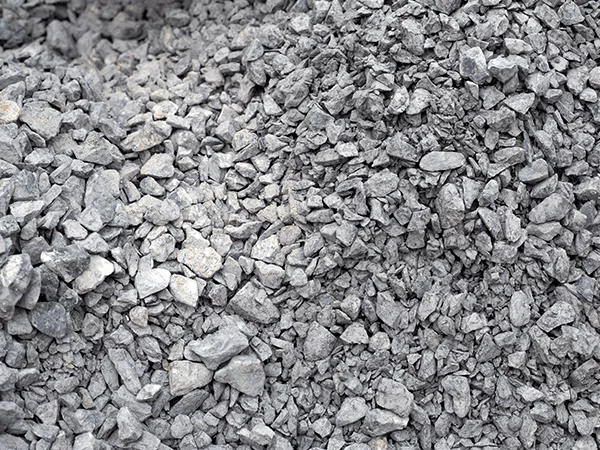
The terms often overlap, but they describe different materials. Crushed stone results from mechanically crushing larger rocks, creating angular fragments with sharp edges. These edges allow particles to interlock when compacted, providing excellent stability for driveways and bases. Natural gravel consists of rounded stones worn smooth by water action, offering good drainage but less compaction strength.
For Creole's soft coastal soils, crushed stone products typically outperform rounded gravel in load-bearing applications. The angular nature of crushed aggregates creates mechanical interlocking that rounded stones cannot match. However, rounded river rock and pea gravel excel in decorative applications where movement is less concerning.
Aggregate Sizing Standards
Aggregate sizing follows industry standards that specify the range of particle sizes in each material. The 3/4 inch crushed stone contains particles that pass through a 3/4 inch screen but not smaller screens, creating a relatively uniform size. #57 stone ranges from 1/4 inch to 1 inch, providing excellent drainage while maintaining some compaction ability.
Road base and crusher run combine multiple sizes from fines to 1.5 inch stones. This gradation allows smaller particles to fill voids between larger stones, creating a dense, compactable material ideal for base layers. The variety of sizes available lets you match aggregate characteristics to specific project requirements.
Quantity Estimation
Calculate aggregate needs by determining the area to cover and desired depth. For a 12-foot by 40-foot driveway with 4 inches of base material: multiply 12 x 40 x 0.33 feet (4 inches), equals 158.4 cubic feet. Divide by 27 to convert to cubic yards: 5.87 cubic yards. Most aggregate suppliers round up to ensure adequate material, so order 6 cubic yards.
Remember that compaction reduces volume by 10-20 percent depending on material type. Properties on particularly soft soil may also experience some initial settlement. Order slightly more material than calculated, especially for projects in low-lying areas near Pecan Island or along bayous where settlement potential is higher.
Working with Louisiana's Coastal Climate
Hurricane and Storm Preparation
Creole's location in Cameron Parish places properties directly in the path of Gulf Coast hurricane activity. Recent major storms demonstrate the importance of proper aggregate bases for property protection. Well-installed crushed stone driveways and drainage systems withstand storm surge and heavy rainfall better than unimproved surfaces.
Before hurricane season, inspect driveway surfaces for low spots where water collects. Add additional crusher run to these areas and recompact. Ensure French drains and culverts remain clear of debris. The ability of water to drain quickly away from structures significantly reduces damage potential during storm events.
Year-Round Humidity Effects
The coastal Louisiana climate maintains high humidity year-round, with average relative humidity exceeding 75 percent. This persistent moisture affects both soils and aggregates. Organic materials in native soils expand and contract with moisture changes, while proper aggregates remain dimensionally stable.
The constant humidity means that aggregates never fully dry out. This continuous moisture presence makes proper drainage even more critical. Water must have somewhere to go, or it accumulates, weakening bases and causing settling. Strategic use of drain rock and crushed stone with good permeability manages moisture effectively in this challenging climate.
Seasonal Rainfall Patterns
Creole receives heaviest rainfall from June through September, with monthly totals often exceeding 7 inches. Brief intense downpours can deliver several inches in just hours, overwhelming inadequate drainage systems. Fall and winter bring lower but still substantial precipitation, maintaining saturated soil conditions.
Aggregate systems designed for coastal Louisiana must handle these extreme rainfall events. Surface layers should shed water quickly to prevent ponding, while subsurface drainage systems must have capacity for sudden large volumes. The combination of proper grading and high-quality aggregates manages even the most intense storms effectively.
Professional Installation Best Practices
Site Preparation
Success starts with proper site preparation. Remove all organic material including topsoil, roots, and vegetation from the project area. These materials compress under load and decompose over time, creating voids that cause settling. Excavate to firm native soil or to the depth required for your aggregate layers.
In areas with particularly soft soils, such as near waterways or in former marshland, consider geotextile fabric as a separation layer. This synthetic fabric prevents aggregate from sinking into soft soil while allowing water to pass through. Many successful projects in East Creole and along the Creole Canal use this extra stability measure.
Compaction Requirements
Proper compaction transforms loose aggregate into a stable, load-bearing surface. Compact base materials in layers no thicker than four inches using a mechanical compactor. Multiple thin layers compact more effectively than attempting to compact thick lifts. Each layer should be firmly consolidated before adding the next.
For driveways and roads, aim for 95 percent compaction on base layers. Surface layers require slightly less compaction to maintain drainage characteristics while still providing stability. In wet conditions common to coastal Louisiana, allow aggregate to drain before attempting final compaction for best results.
Maintenance Considerations
Aggregate surfaces require periodic maintenance to maintain optimal performance. Grade gravel driveways annually to redistribute material and restore crown for proper drainage. Add fresh material to areas experiencing wear or where aggregate has migrated. Properties throughout Cameron Parish benefit from refreshing surface material every 2-3 years.
Monitor drainage systems for proper function, especially before hurricane season. Ensure culverts remain clear and French drains continue flowing freely. Address any settlement or low spots promptly before they develop into larger problems. Regular attention keeps aggregate systems performing reliably for decades.
Frequently Asked Questions About Aggregates in Creole
Road base and crusher run provide the best foundation for driveways on Creole's soft soils. These materials contain a range of particle sizes that compact together firmly, creating a stable mat that distributes weight across weak native soils. A four to six inch compacted base layer topped with two to three inches of driveway gravel creates reliable surfaces that resist the settling common in coastal areas.
In Creole's high water table conditions, minimum aggregate depths of four inches are essential for standard driveways, with six inches recommended in particularly wet or low-lying areas. The greater depth provides better load distribution and creates more drainage capacity. Properties near waterways or in former marsh areas often benefit from even deeper aggregate layers combined with geotextile fabric separation.
While homeowners can successfully install small aggregate projects like garden paths, driveways and significant drainage systems typically require professional installation. Proper compaction equipment, grading knowledge, and experience with coastal soil conditions ensure long-lasting results. Many Creole contractors specialize in aggregate work and understand the specific challenges of Cameron Parish properties.
Stone aggregates themselves resist saltwater damage, making them ideal for coastal Louisiana applications. However, saltwater can accelerate corrosion of metal edging, culverts, and drain pipes. Use galvanized or plastic materials for these components. The aggregates we deliver perform reliably even in areas experiencing occasional storm surge or saltwater intrusion.
Washed aggregates have been cleaned to remove fine particles, silt, and clay, resulting in cleaner stone with better drainage characteristics. Unwashed materials retain fines that help with compaction. For drainage applications like French drains, use washed materials such as #57 stone. For base layers needing maximum compaction, crusher run and road base with their natural fines perform better.
Properly installed aggregate driveways in Creole can last 15-20 years or more with appropriate maintenance. The base layer remains stable indefinitely, while surface material may require periodic replenishment every 2-3 years as stones embed into underlying layers or migrate. Annual grading and prompt attention to drainage issues extend lifespan significantly.
The high water table, heavy rainfall, and soft soils throughout Cameron Parish create constant drainage challenges. Water that cannot drain away saturates soils, causing expansion and weakening aggregate bases. Proper drainage using drain rock, perforated pipe, and graded surfaces manages moisture effectively, preventing the settlement and washout issues that plague poorly drained installations.
Yes, crushed concrete provides excellent performance in many coastal Louisiana applications. It compacts well for base layers, offers good drainage, and costs less than virgin stone. Many successful projects throughout Creole use crushed concrete for driveway bases and equipment pads. However, for final surface layers where appearance matters, traditional crushed stone or river rock may be preferred.
Free Aggregate Delivery Throughout Creole and Cameron Parish
Gravel Monkey serves all of Creole, Louisiana, with completely free delivery of premium aggregates and construction materials. From Grand Chenier to Pecan Island, Oak Grove to East Creole, we bring the materials you need directly to your property. Our aggregates are specifically selected for coastal Louisiana conditions, providing reliable performance in soft soils, high humidity, and challenging weather conditions.
Whether you're building a new driveway, installing drainage systems, or preparing your property for hurricane season, we have the aggregates you need. Our experienced team understands the unique requirements of Cameron Parish construction and can help you select the right materials for your specific project and soil conditions. Contact Gravel Monkey today for expert advice and free delivery throughout the Creole area.

Need help? Reach out for a quote: