Decomposed Granite Patio: Cost, Uses, and How to Install It
Quick answer: A decomposed granite patio is built by compacting a mix of granite fines and gravel over a prepared base, and it typically costs $250 to $600 per 100 square feet installed depending on whether you use loose or stabilized DG. It gives you a firm, permeable, natural-looking surface for a fraction of what pavers or poured concrete cost.
Decomposed granite is granite rock that has weathered into a blend of coarse gravel and fine particles, and once compacted, it forms one of the most reliable low-cost patio surfaces around. It does ask for a little upkeep, and it behaves differently than a hard surface in a downpour, so it pays to know what you are getting before you order a load.
What Is Decomposed Granite?
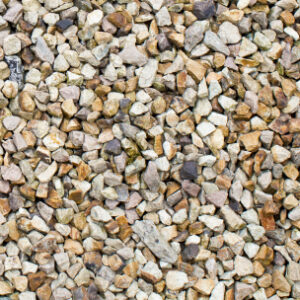
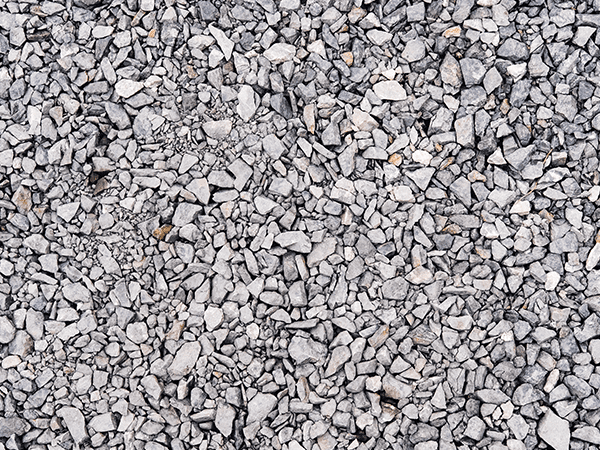
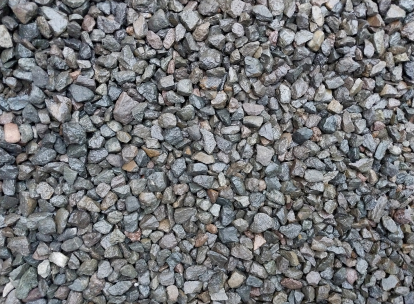
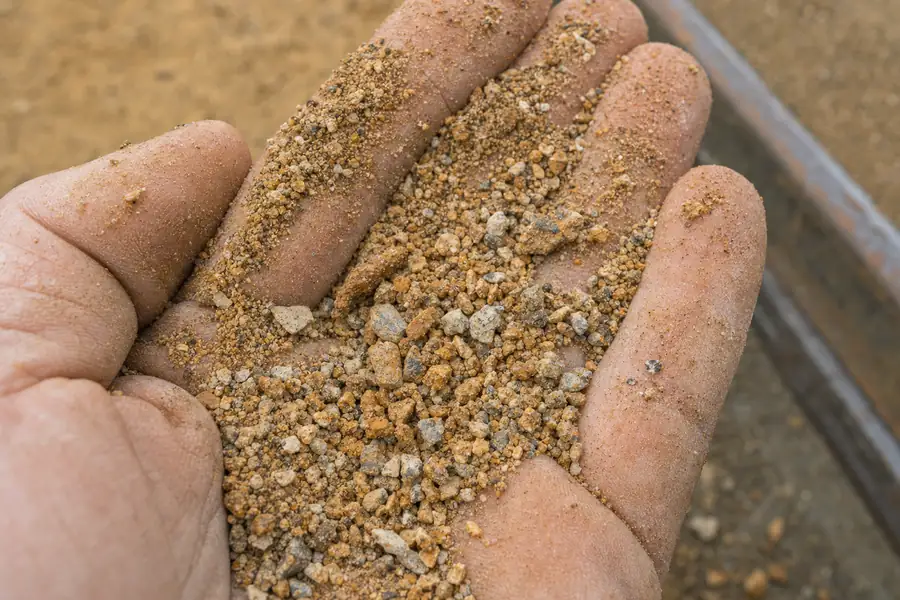
Decomposed granite, often shortened to DG, is granite that has broken down through weathering into small rock fragments mixed with fine, sand-like particles called fines. Natural DG forms slowly as water, wind, and temperature swings break the parent rock apart, unlike crushed stone that gets processed at a quarry. The fines are what set it apart from ordinary gravel: wet and compact them, and they lock the coarser particles into a surface that feels like packed trail dirt but holds up to foot traffic and light vehicle loads.
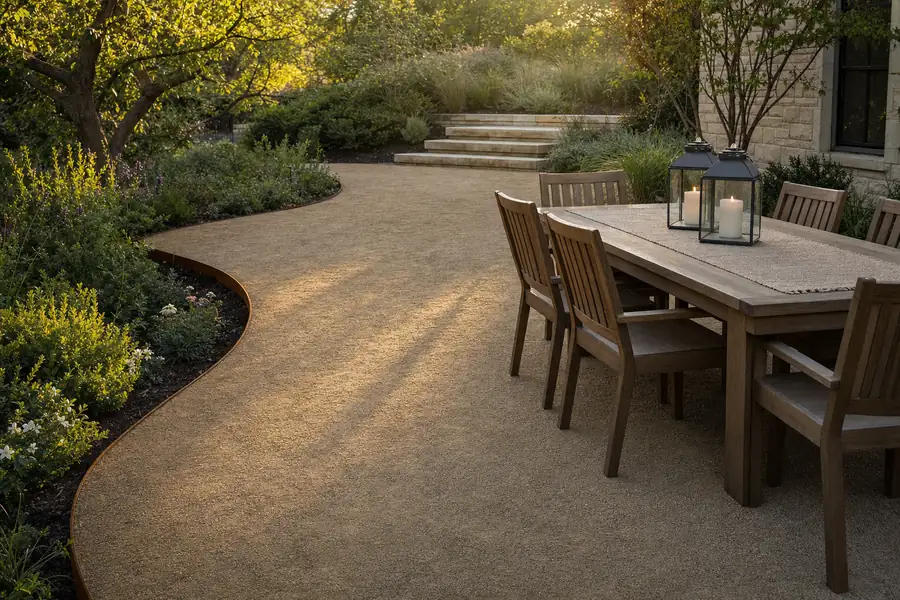
Color runs with the source rock, so DG comes in tan, gold, gray, reddish brown, and buff. Homeowners use decomposed granite for patios, walkways, driveway aprons, and xeriscape groundcover, anywhere a firm but permeable surface beats a hard poured one.
The 3 Types of DG
Decomposed granite comes in three forms, and picking the wrong one is the most common reason a DG patio fails early.
| Type | Firmness | Cost Level | Best Use | Maintenance |
|---|---|---|---|---|
| Loose DG | Medium | $ | Paths, casual patios | Rake, top up yearly |
| Stabilized DG | High | $$ | Patios, high-traffic areas | Reseal every few years |
| Resin-coated DG | Highest | $$$ | Slopes, accessible paths | Minimal, occasional cleaning |
- Loose DG: cheapest option, fine for casual paths, but expect some migration and a yearly rake-and-refresh.
- Stabilized DG: mixed with a binder so it locks up like a packed trail surface, the standard pick for a decomposed granite patio.
- Resin-coated DG: priciest, but it nearly eliminates dust and loosening, worth it on ramps or accessible routes.
Building a Decomposed Granite Patio Step by Step
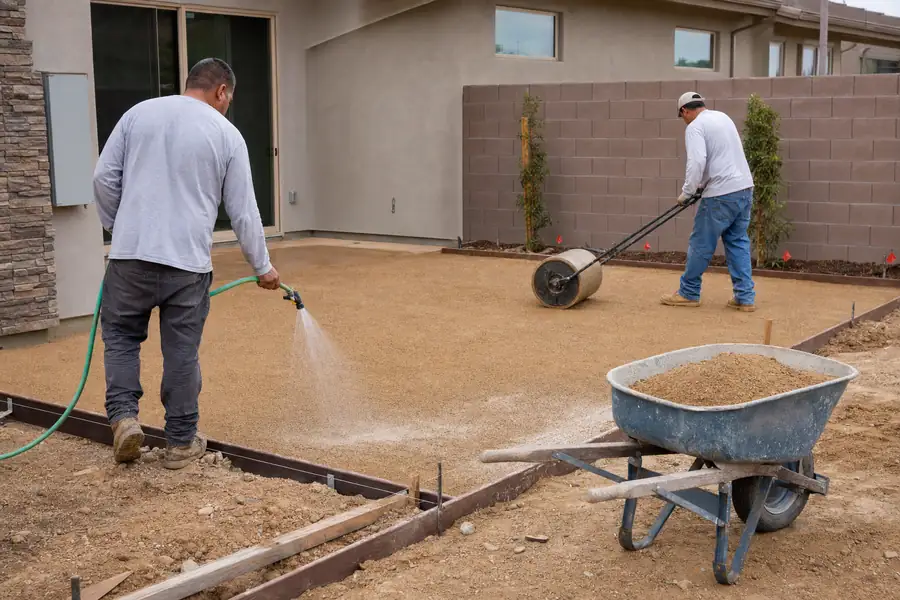
Installing a decomposed granite patio comes down to six steps: excavate, compact the subgrade, edge, place fabric if needed, spread the DG in thin lifts, then wet and compact each lift until it locks solid.
- Excavate 3 to 4 inches of soil, sloping slightly away from the house for drainage.
- Compact the exposed subgrade with a plate compactor for a stable base.
- Lay geotextile fabric, a permeable landscape fabric that keeps subgrade soil from mixing into the base, over soft or poorly draining soil (optional elsewhere).
- Install steel, plastic, or paver edging to hold the DG in place.
- Spread decomposed granite in lifts no thicker than 1.5 inches so each layer compacts evenly.
- Mist each lift with water and run the plate compactor over it, repeating until you reach grade, then let it cure 24 to 48 hours before foot traffic.
Tools needed: plate compactor, garden rake, hose, hand tamper for edges, wheelbarrow, and edging material.
What a Decomposed Granite Patio Costs
A decomposed granite patio typically runs less than half the cost of a paver or poured concrete patio of the same size.
| Material | Coverage per Ton (2 in. depth) | Cost per 100 sq ft, Installed |
|---|---|---|
| Loose DG | ~100 sq ft | $250-$450 |
| Stabilized DG | ~90 sq ft | $350-$600 |
Loose decomposed granite material alone tends to run $40 to $60 per ton delivered in most areas, with stabilized blends running higher once the binder is added. Use the gravel calculator to work out exact tonnage for your patio before you order. A dedicated cost breakdown covering decomposed granite by the ton and by the yard is coming soon to the Gravel Monkey blog for the full pricing picture.
Honest Pros and Cons of a Decomposed Granite Patio
A decomposed granite patio holds up well in dry and moderate climates, but it has real trade-offs worth knowing before you commit.
- Firm, stable footing once compacted, comfortable underfoot for tables and chairs
- Permeable, so rain soaks through instead of pooling or running off
- Natural, earthy look that blends with plant beds and stone walls
- Lower material and installation cost than pavers, brick, or poured concrete
- Sheds fine dust in hot, dry weather under regular foot traffic
- Tracks indoors on shoes if the patio is not edged and swept regularly
- Softens and can rut in heavy or sustained rain, since saturated fines lose their bond
- Needs a fresh top-up layer every 2 to 4 years as the surface wears down
Decomposed Granite Patio vs Pea Gravel vs River Rock
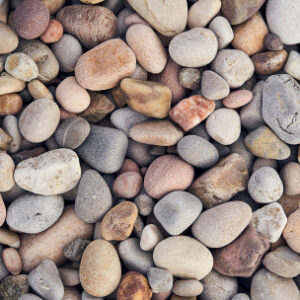
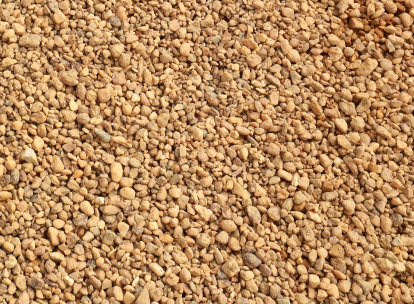
Decomposed granite makes a firmer surface than pea gravel or river rock, which stay loose underfoot no matter how much you compact them, because their rounded shape never locks together the way angular DG fines do. That looseness suits casual seating nooks and dry creek beds, but neither gives you a stable base for furniture or wheeled traffic. On price, loose decomposed granite and pea gravel usually land in a similar range per ton, so cost rarely settles the decision alone.
Choose decomposed granite for patios, paths, and anywhere people will walk or sit for long stretches. Choose pea gravel or river rock for accent beds and drainage spots where looseness underfoot is not a problem. For the full side-by-side, see Gravel Monkey’s river rock vs pea gravel vs decomposed granite comparison.
Decomposed Granite Patio Design Ideas
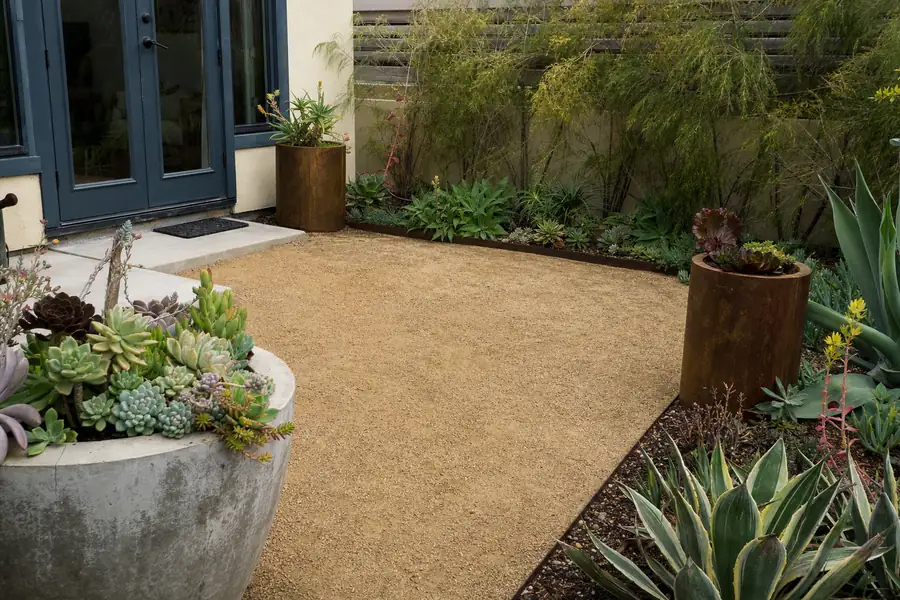
- Small courtyard patio framed with steel edging and container succulents
- Garden path linking planting beds, paired with a firmer trail; see the best gravel for walkways guide for the connecting path
- Shaded patio under a pergola with a paver-ringed fire pit set into the DG
- Xeriscape groundcover around drought-tolerant grasses and cactus beds
FAQs
What are the disadvantages of decomposed granite?
The main drawbacks are dust in hot, dry weather, tracking indoors on shoes, softening in heavy or sustained rain, and the need to top up the surface every 2 to 4 years as it wears. Stabilized or resin-coated DG reduces most of these issues but costs more up front.
Is decomposed granite good for a patio?
Yes, decomposed granite works well for patios in dry and moderate climates, especially stabilized DG in high-traffic seating areas. It gives a firm, natural surface at a fraction of paver or concrete cost, though it needs occasional maintenance to stay solid.
Which is cheaper, pea gravel or decomposed granite?
Loose decomposed granite and pea gravel usually cost a similar amount per ton in most areas, so material price rarely decides the choice. Installed cost depends more on edging, labor, and depth than on which of the two materials you pick.
What happens if decomposed granite gets wet?
Light rain is not a problem since a properly compacted decomposed granite patio is permeable and lets water soak through. Heavy or sustained rain can saturate the fines that bind the surface, causing it to soften, rut, or erode until it dries and firms back up.
How thick should a decomposed granite patio be?
Most decomposed granite patios use 3 to 4 inches of compacted DG placed in lifts no thicker than 1.5 inches, laid over a compacted subgrade. Areas with heavier foot traffic or furniture loads can go slightly thicker for extra stability.