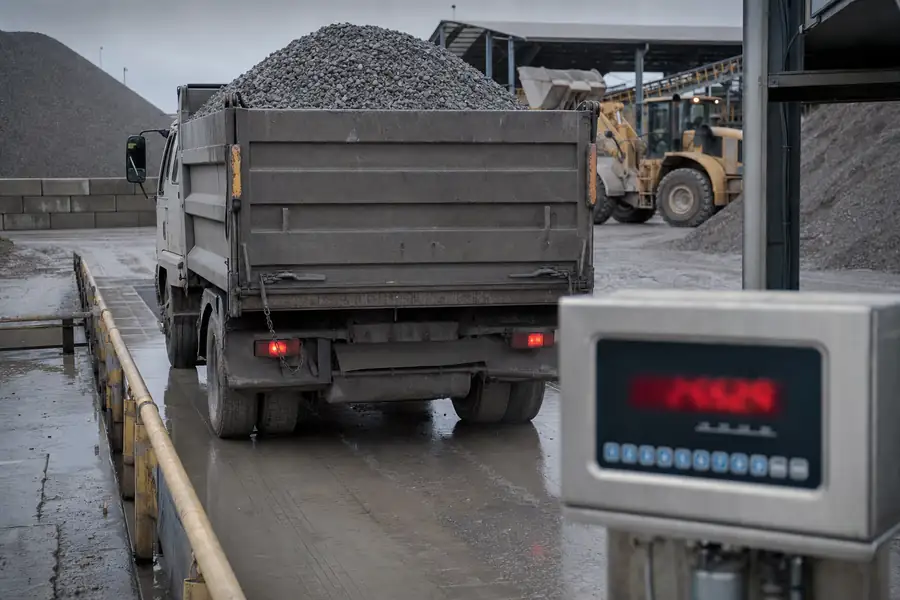
How Much Is a Ton of Gravel?
Quick answer: A ton of gravel typically costs $10 to $65 in bulk before delivery, with crusher run and crushed concrete on the cheap end and river rock and decomposed granite on the expensive end. The two things that move that number most are which material you order and how many tons you buy at once.
For a full breakdown of per-ton, per-yard, and truckload pricing across every material Gravel Monkey sells, see the full 2026 gravel price guide. What follows is the fast reference: what a ton actually runs by material, what it covers, and where the real savings sit.
Gravel Price per Ton by Material
Gravel cost per ton ranges from about $10 for basic fill material to $65 for clean decorative stone, because material with more fines and less sorting costs less to produce than washed, screened, or colored aggregate.
| Material | Typical $/Ton | Best For |
|---|---|---|
| Crusher run | $10-$25 | Driveway base |
| #57 crushed stone | $15-$30 | Drainage |
| 3/4 inch crushed gravel | $20-$35 | Driveway top |
| Pea gravel | $25-$45 | Walkways, beds |
| River rock | $35-$65 | Landscaping accent |
| Decomposed granite | $30-$50 | Pathways, patios |
| Crushed concrete | $10-$20 | Budget base |
| Road base | $12-$28 | Sub-base, compaction |
Prices above are for bulk material picked up or delivered a short distance, before any load or fuel fees are added.
How Much Does a Ton of Gravel Cover?
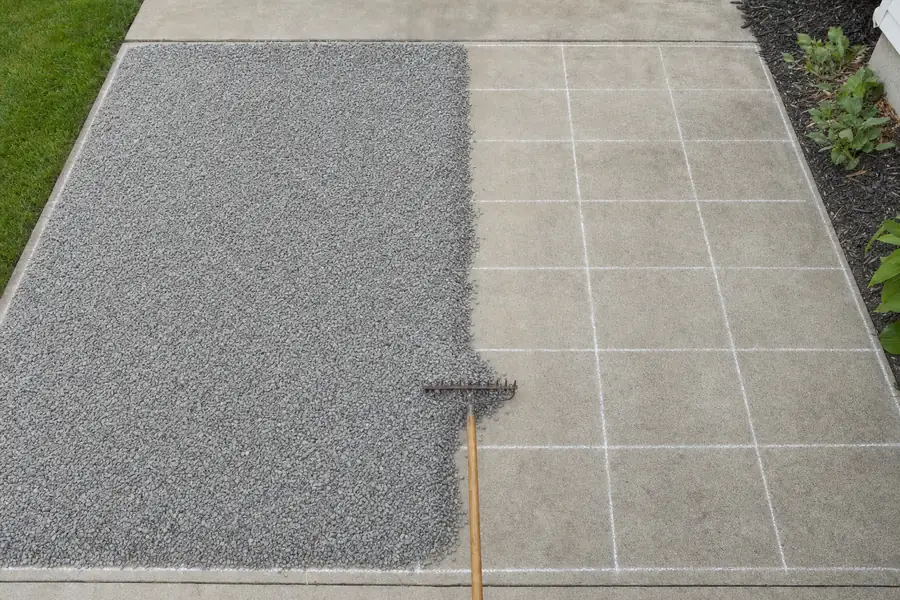
One ton of gravel covers about 80 to 100 square feet at 2 inches deep, or 55 to 70 square feet at 3 inches deep, and coverage drops fast as depth increases.
| Depth | Coverage per Ton |
|---|---|
| 2 inches | 80-100 sq ft |
| 3 inches | 55-70 sq ft |
| 4 inches | 40-55 sq ft |
| 6 inches | 27-35 sq ft |
Denser stone like river rock covers slightly less per ton than lighter, more angular material at the same size. Run your project’s exact dimensions through the gravel calculator before ordering, so you land on a load size that also earns a better per-ton rate.
Tons vs Yards: Don’t Get Burned
One cubic yard of gravel weighs about 1.4 tons on average, so a 10-ton order works out to roughly 7 cubic yards, not 10.
Quotes that mix units cause most of the sticker shock buyers report. A price by the yard and a price by the ton can look nearly identical on paper and land 30 to 40 percent apart once you convert them to the same measure.
| Tons | Cubic Yards |
|---|---|
| 1 | 0.7 |
| 2 | 1.4 |
| 3 | 2.1 |
| 5 | 3.6 |
| 7 | 5.0 |
| 10 | 7.1 |
Real Project Math
1-Car Parking Pad
A 10×20 foot pad at 4 inches deep needs roughly 2.5 tons of crusher run or #57 stone, which typically runs $50 to $110 in bulk material.
50 Foot Driveway Top-Up
Topping 50 feet of a 10-foot-wide driveway with 2 inches of fresh stone takes about 4.5 to 5 tons, costing $70 to $175 depending on material.
French Drain, 30 Feet
A 30-foot trench, 12 inches wide and 12 inches deep, needs about 1.3 tons of drain rock or #57 stone, usually $25 to $50 in material alone.
Load Size Discounts: Why 10 Tons Beats 2 Tons
Ordering more tons at once lowers your effective price per ton because delivery, fuel, and yard handling costs spread across more material.
| Load Size | Effective $/Ton (Delivered) |
|---|---|
| 1 ton | $80-$120 |
| 5 tons | $45-$65 |
| 10 tons | $35-$50 |
| 20 tons | $28-$40 |
A realistic example from a recent buyer price check: 5 tons of #57 crushed stone delivered locally ran about $225, or $45 per ton with hauling included. That’s a fair, typical number for a short haul rather than a guarantee, since fuel surcharges and distance shift it fast. To compare full loads against small pickups truck by truck, see how much is a full load of gravel.
What Moves the Price of a Ton
- Material class: crushed stone and recycled concrete cost less to produce than washed, colored, or decorative stone
- Haul distance: gravel is heavy and low value per pound, so trucking often costs more than the stone itself once you’re far from the quarry
- Region: areas sitting on top of active quarries pay less than regions that truck stone in from elsewhere
- Season: frozen ground and spring construction demand push prices up in many markets
- Local demand: heavy construction activity absorbs supply and tightens pricing
Crushed stone is a textbook low-value, high-weight commodity, which is why the USGS National Minerals Information Center tracks it separately from higher-value minerals. The latest USGS Mineral Commodity Summary puts the national average producer price for crushed stone in the range of $14 to $16 per ton at the plant, before hauling, markup, or delivery are added.
That plant price explains why a buyer near Saint Louis, Missouri, close to major limestone quarries, often pays less per ton than one in Rock Springs, Wyoming, where material has to travel farther to reach the job site.
Gravel Monkey prices by material and location rather than a flat national number, so browse all products to see current per-ton pricing for your area before you order.
FAQs
How much does a ton of bulk gravel cover?
A ton of bulk gravel covers about 80 to 100 square feet at a 2 inch depth, or 55 to 70 square feet at 3 inches. Coverage depends on the stone’s size and density, so decorative stones like river rock cover slightly less than lighter crushed stone at the same depth.
How many tons of gravel are in a dump truck load?
A standard tandem dump truck carries about 10 to 15 tons of gravel per load, while smaller single-axle trucks top out closer to 5 tons. See how many tons of gravel fit in a dump truck for a breakdown by truck size.
Is a ton of gravel cheaper than a yard?
A ton and a yard measure different things, weight versus volume, so they aren’t directly comparable without converting. Since a cubic yard weighs about 1.4 tons, pricing by the ton usually looks lower per unit, but you need more tons than yards to fill the same space.
How much is a truckload of gravel?
A full truckload, typically 10 to 15 tons, tends to run $150 to $600 delivered depending on material and how far it has to travel. Crusher run and crushed concrete sit at the low end, while decorative stone and long hauls push toward the high end.
How many tons do I need for a driveway?
Most residential driveways need roughly 1 to 1.5 tons per 10 feet of length at standard base depth, though width and depth change that fast. A 12-foot-wide, 100-foot driveway at 4 inches deep typically needs 25 to 35 tons total, split between a base layer and a top layer.