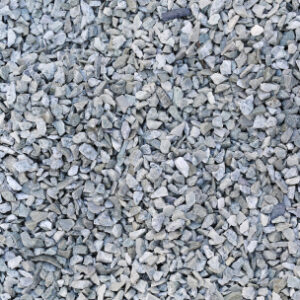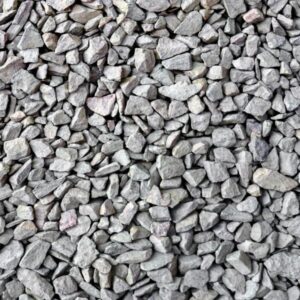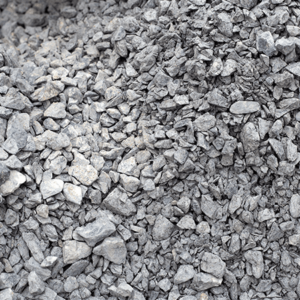
#10 Rock Screenings (Stone Dust)
From $539.00
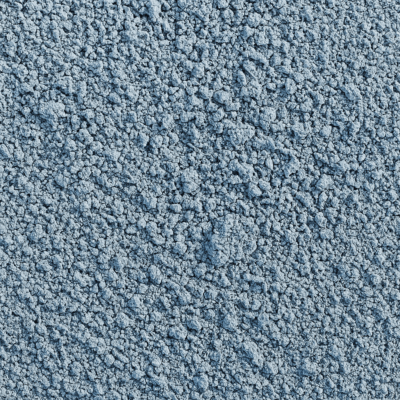
Our #10 Screenings are finely crushed stone dust and small particles, perfect for leveling, base preparation, and finishing work.
“Seamless shopping, from click to delivery. Experience rock-solid results.”
- Free Dump Truck Delivery Service
- Exceptional Quality at Unbeatable Prices
- Reliable, On-Time Delivery to Your Area



Rock Screenings Calculator
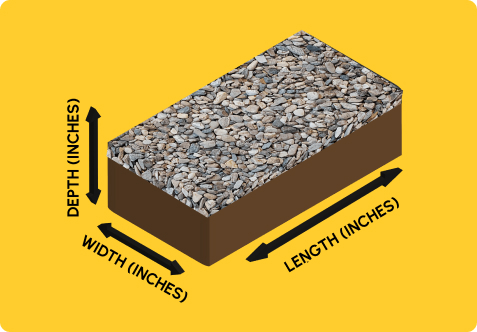
Enter your project dimensions to estimate how much rock screenings you will need.
Specification Information
Gravel Monkey recommends:
- Orders of 4 tons or under – increase your estimated needed amount by 20%.
- Orders over 4 tons – increase your estimated needed amount by 10%.
#10 Rock Screenings (Stone Dust): Smooth Finish and Tight Compaction
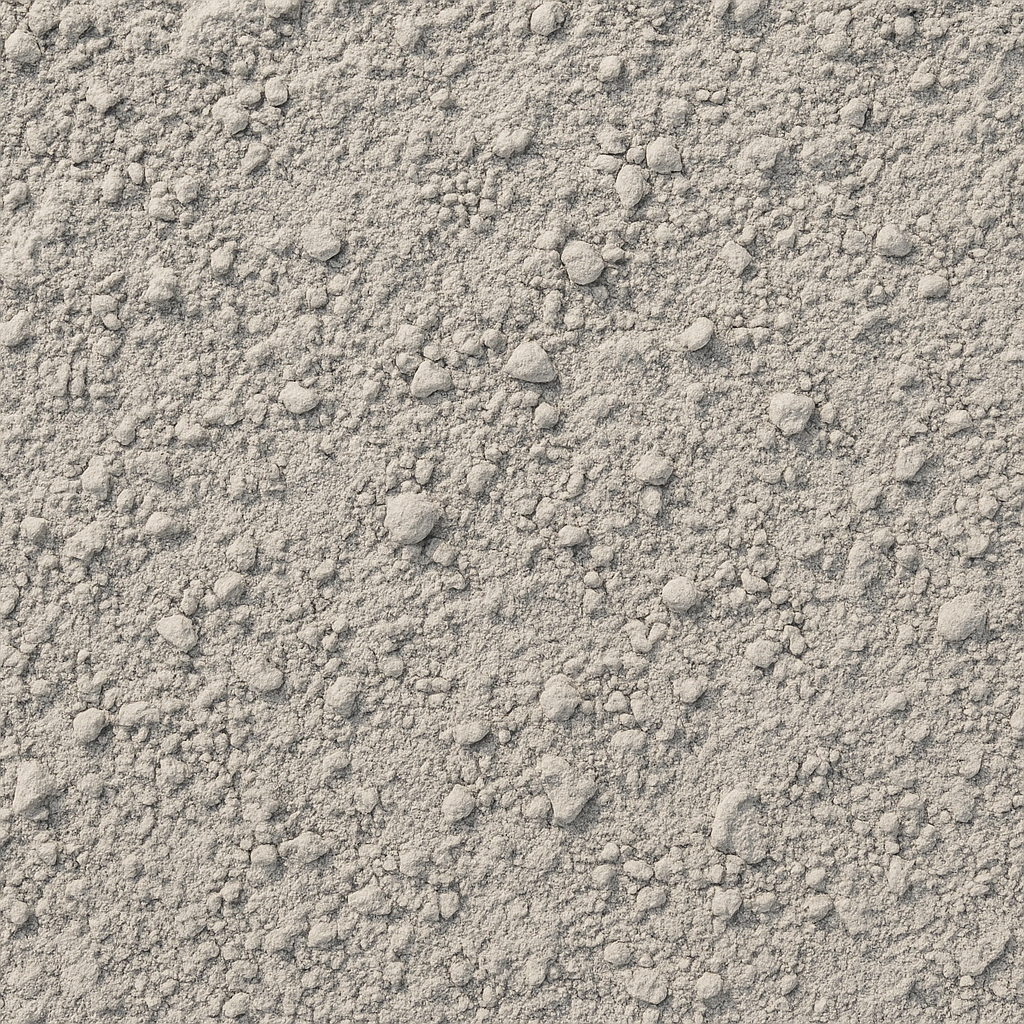
#10 screenings, also called stone dust or rock fines, consist of crushed rock particles that pass a 3⁄16 inch screen and taper down to true dust. Because every chip is sharply angular and extremely small, the particles seat together almost like sand yet lock in place under light tamping, creating a dense, low‑void layer that resists shifting and erosion. This ultra‑fine gradation lets the material flow easily into tiny cavities, level uneven surfaces, and harden into a firm, monolithic crust once compacted and moistened. Contractors prize stone dust for its ability to form a rock‑hard surface over gravel bases, fill paver joints so weeds can’t sprout, and bind aggregates on walking paths for a polished, professional look.
Material Calculator
Precise quantity estimates are critical with fines because under‑ordering leads to visible dips and over‑ordering leaves unattractive piles that can clump before reuse. Our calculator converts project length, width, and planned depth often as thin as half an inch into cubic feet, cubic yards, and tons using real‑world bulk density values. That information lets you schedule the correct truck capacity, time deliveries to match crew availability, and avoid extra handling or cleanup costs. For large paver patios and sports courts, the calculator’s accuracy translates directly into smoother compaction cycles and more even final grades.
Enhance and Maintain Your Projects
Stone dust excels at upgrading gravel driveways, repairing ruts in pathways, and finishing off any aggregate surface that has begun to loosen or washboard. When broadcast over coarse sub‑base and lightly sprayed, the fine particles permeate surface voids, knit the top layer together, and form a stable cap that resists displacement under foot or wheel loads. The material also reduces mud during rainy spells because its dense matrix sheds water laterally while the fines redirect runoff to adjacent drainage swales. In frost‑prone climates, a thin stone dust layer minimizes heaving by limiting moisture infiltration without sacrificing breathability, ensuring your hardscapes stay level season after season.
Why Choose #10 Rock Screenings
Cost Efficiency
Screenings cost just a fraction of poured concrete or asphalt and are even cheaper than larger decorative gravels used as surface layers. They require minimal heavy equipment. Often only hand tools, a plate compactor, and a garden hose for misting which reduces machine rental and operator fees. Over expansive sites like multi‑use trails or institutional courtyards, those savings allow budget reallocation toward lighting, landscaping, or additional outdoor amenities.
Superior Compaction
Because the particles are so small and angular, they interlock under vibration to create a near‑solid mass that rivals soil‑cement mixtures. This tight compaction makes an ideal bedding for pavers, flagstones, or stepping stones, preventing rocking and maintaining joint alignment even under concentrated loads like patio furniture legs. When used atop gravel bases, screenings seal the surface, locking coarse rock in place and eliminating loose stones that can scatter into lawns or clog storm drains.
Low Maintenance
A well‑compacted stone‑dust surface needs little more than occasional sweeping or light raking to redistribute displaced material. The material does not decay, absorb odors, or harbor pests, and its fine texture discourages weed germination. Should minor low spots appear after winter freeze expansion, simply top‑dress with a fresh layer of screenings, mist, and compact. No specialized repair compounds or sealants required.
Adaptability
Stone dust flows into narrow joints, curved retaining‑wall gaps, and the tightest corners where bulkier gravel grades cannot fit, making it perfect for intricate hardscape designs. It also blends easily with Portland cement or polymer additives to create custom stabilizers, giving installers wide latitude to tailor strength and permeability to specific project needs such as garden pathways versus light‑vehicle access lanes.
Smooth, Polished Finish
Once tamped and slightly moistened, #10 screenings form a uniform, matte surface that looks refined and feels comfortable underfoot. Unlike loose gravel that can roll or crunch, the dust‑bound layer stays quiet and flat, enhancing accessibility for strollers, wheelchairs, and bicycles. Its muted gray‑to‑buff palette pairs naturally with brick, timber, or decorative stone, elevating the visual quality of any landscape.
Common Applications
Paver Joints and Bedding
A thin bedding layer of screenings levels minor base irregularities and cushions pavers, while swept‑in dust fills joints tightly so ants, weeds, and debris cannot intrude. The resulting interlock maintains surface integrity through freeze‑thaw cycles and heavy foot traffic, reducing routine maintenance compared with sand‑only joint fills.
Pathways and Playgrounds
On walking trails, garden paths, and play areas, stone dust compacts into a firm yet slightly forgiving surface that stays cooler than asphalt and quieter than loose gravel. It provides excellent traction, minimizes trip hazards, and drains quickly, ensuring year‑round usability for joggers, schoolchildren, and park visitors alike.
Base and Sub‑base Stabilizer
When blended with larger aggregates, screenings fill voids within the base course, increasing bearing capacity and preventing settlement under slabs, synthetic turf fields, or modular sports flooring. The dense matrix acts like natural mortar, distributing loads more evenly and extending the lifespan of the overlying surface.
Mortar and Concrete Mix Ingredient
Fine rock dust improves the gradation curve in concrete mixes, boosting strength and reducing permeability by filling micro‑voids between sand grains. In masonry mortar, it can partially replace natural sand, adding angularity that enhances mechanical bond with brick and block units while maintaining workable consistency.
Erosion Control and Backfill
In slope stabilization and retaining‑wall backfill, screenings consolidate readily, forming a self‑supporting mass that limits washout during storms. Their fine texture also prevents wash‑through at the face of gabion baskets or behind rip‑rap revetments, helping anchor larger stones and protecting underlying soils from scour.
Premium, Locally Sourced Aggregate
All screenings originate from nearby quarries where parent rock is crushed, washed, and graded on modern screens to ensure a consistent, dust‑free product. Local sourcing shrinks transportation distances, lowering environmental impact and giving contractors flexible delivery scheduling for phased projects. Each load undergoes size‑distribution checks to maintain uniform compaction behavior across batches.
Natural Variations
Mineral makeup influences color, producing light grays from limestone, deeper charcoals from basalt, and warm tans from sandstone. These subtle tones integrate seamlessly with surrounding soils, plants, and hardscape materials, lending an organic aesthetic that avoids the monotony of synthetic surfacing. Color differences have no effect on strength or drainage, so every shipment guarantees reliable performance while adding a touch of natural character.

I had never ordered gravel before so I was a little anxious but they made it really easy and had great customer service! Super easy to book online and I was able to get quick answers to some questions I had over email too. The delivery was seamless to our rural area and at a good price.
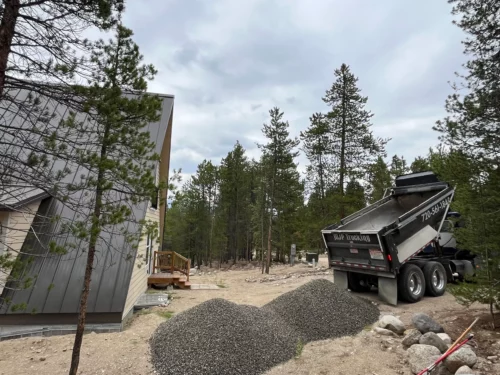
Gravel Monkey is a superb service for your gravel needs. They offer 2 day delivery scheduled on short notice, and they are quick to get your materials out the door on the delivery day. Customer support is also very helpful. Thanks Gravel Monkey!
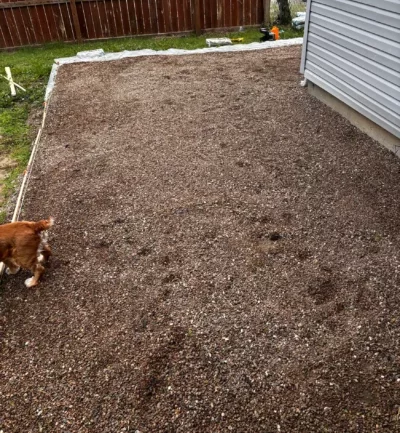
Gravel Monkey made the entire process quick and smooth from start to finish. Their online calculator was especially helpful, it took the guesswork out of determining how much material I needed, and saved me a lot of time. The ordering process was straightforward, and everything was handled efficiently. I highly recommend Gravel Monkey for anyone looking for a hassle-free experience and great customer service.
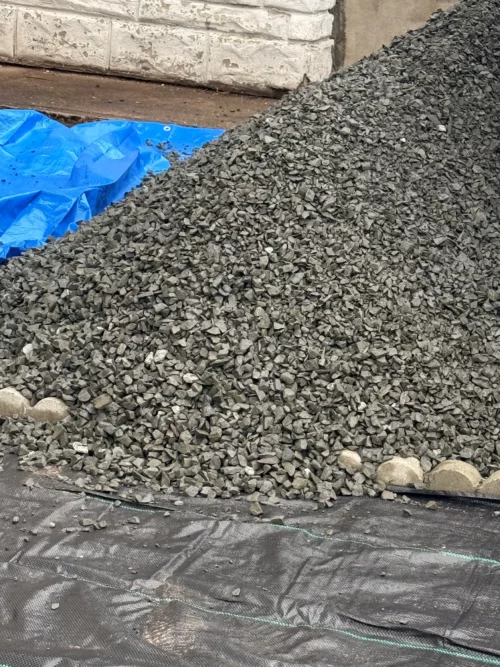
Gravel Monkey had quick turnaround and the local delivery team was very accommodating. The entire process was smooth. Thank you.
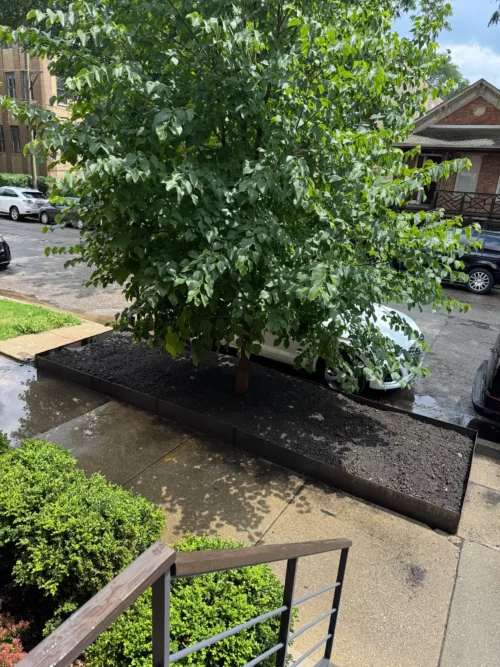
Great prices! Great communication! Fast delivery! Driver put the sand where I asked and it was challenging but he did it like a pro! Super smooth online purchase! Thanks!
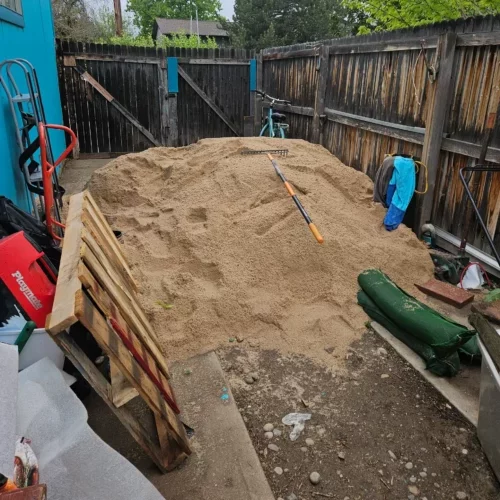
Gravel Monkey has the greatest customer service skills people. Very kind and make accommodation to your needs. Delivery fast and simple.
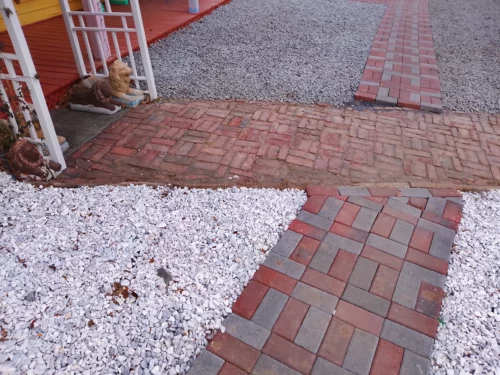
What is stone dust?
Stone dust, also called #10 screenings or rock fines, is the ultra-fine byproduct of crushed stone. It consists of small particles and mineral powders that compact extremely tightly, forming a dense, stable surface. It’s commonly used for paver bases, walkways, leveling layers, and joint fill.
What is stone dust used for?
Stone dust is used under pavers, flagstone, and slabs because it compacts into a smooth, stable bedding layer. It’s also used as joint filler, for walkways, and as a fine-grade leveling material. Its tight compaction helps prevent shifting and creates a firm, uniform surface.
Does stone dust get hard?
Yes. Stone dust hardens when compacted, forming a dense, almost cement-like surface. While it won’t become a solid slab, it sets very firmly and resists movement, making it ideal beneath pavers or slabs. However, because it holds moisture, it’s not recommended in drainage-sensitive areas.
How much does a yard of stone dust weigh?
A cubic yard of stone dust typically weighs 2,600 – 3,000 pounds (about 1.3 – 1.5 tons). Its fine texture packs very tightly, making it heavier per yard than many larger aggregates.
How much stone dust do I need?
Measure length × width × depth (in feet) and divide by 27 to get cubic yards. Most paver projects use 1-1.5 inches of stone dust for bedding. Walkways or leveling layers typically use 1 inch. Ordering 5-10% extra ensures full coverage and accounts for compaction.
Where can I buy stone dust near me?
You can order #10 rock screenings (stone dust) in bulk through Gravel Monkey, with free dump-truck delivery straight to your home or job site. Enter your ZIP code on the product page to check availability and schedule delivery – no bags, no quarry trips, and no hauling required.