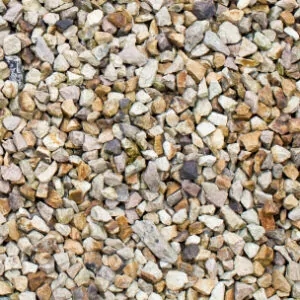

Buy Bulk Aggregates & Gravel in Institute, West Virginia
Local Topsoil, Dirt, Sand, Rocks and Gravel near me in Institute, West Virginia
Shop Aggregates for Delivery in Institute
Order online for free delivery to any Institute address.
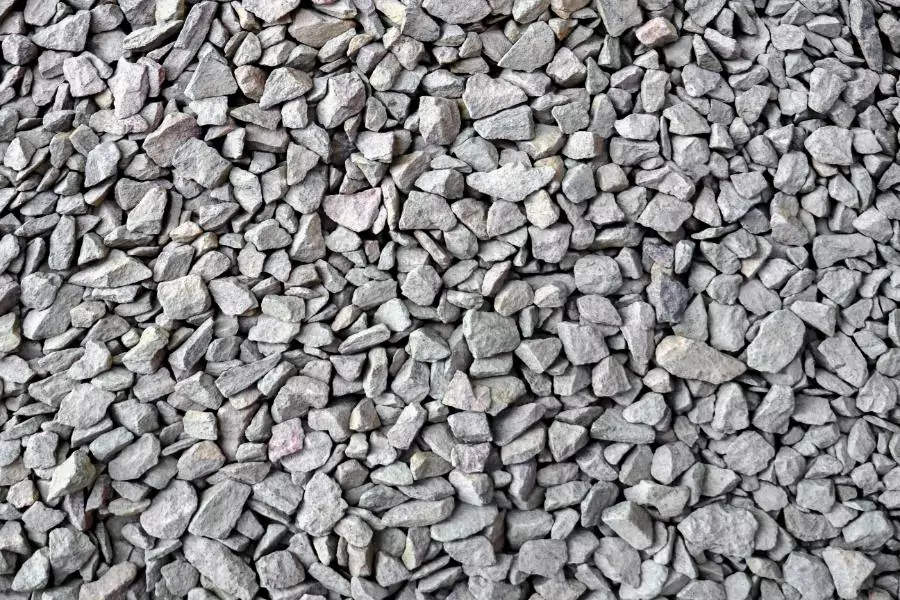
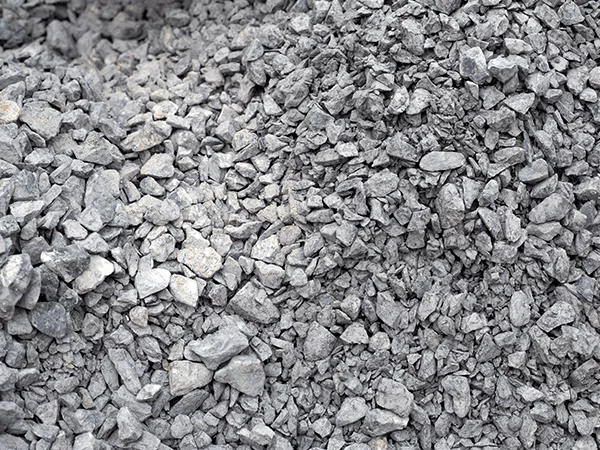


Serving Institute and the Kanawha Valley, our team provides reliable aggregate delivery and local expertise tailored to the soils, slopes and seasonal cycles of Institute, West Virginia. Situated on the banks of the Kanawha River near Charleston, Institute sits within the Appalachian Plateau and experiences a climate and geology that directly influence the selection of aggregate products for driveways, drainage systems, pathways and garden beds. Whether you're updating a driveway in the historic West Side of Charleston, installing a dry creek in Dunbar, or refreshing a playground surface in Nitro, our local knowledge ensures you get the right aggregate for performance and longevity.
Institute benefits from proximity to West Virginia State University and the wider Charleston metro, including neighborhoods like South Charleston, Cross Lanes, Marmet, Poca, St. Albans, Elkview, Kanawha City, Dunbar, Belle, and Sissonville. Across these neighborhoods, homeowners and contractors face similar challenges: clay-influenced valley soils, periodic heavy rainfall, and freeze-thaw cycles in winter. We help customers select aggregates that match the climate and geology so projects stand up to wet springs, hot summers with average highs near 85°F, and winter lows that can approach 20°F. Annual rainfall in the Institute area averages about 42 inches, which makes proper drainage and base construction essential for durable results.
Premium Aggregates Available for Institute Delivery
Gravel and Crushed Stone Products
For structural bases and compacted layers, contractors in Institute commonly choose dense, angular aggregates that lock together and shed water. Our selection includes durable materials designed for the Allegheny Plateau's conditions. For heavy-use bases like parking pads and structural sub-layers, our 3/4 inch Crushed Stone provides excellent interlock and compaction, making it a go-to choice for local driveways and road shoulders. In areas where fine drainage and clean beds are required, #57 is a widely used intermediate aggregate that balances drainage with compaction.
When a compacted, interlocking base is needed for a residential driveway or light commercial approach, our Crusher Run combines fines and angular stone to create a stable surface that stands up to freeze-thaw cycles common in the Institute area. For heavy municipal or farm access roads near Poca and Marmet, durable road-building materials such as Road Base are available in bulk and are designed to compact under traffic while resisting rutting during wet seasons.
Driveway and Pathway Materials
Driveways across neighborhoods like Kanawha City and Cross Lanes demand materials that balance appearance with structural performance. For final driveway surfacing that remains firm yet permeable, many homeowners prefer Driveway Gravel because its rounded particles and mid-range sizing minimize displacement while providing an attractive finish. Under that top layer, structural layers of 3/4 inch Crushed Stone or Crusher Run form the base; for steeper driveways near the hills of Elkview, engineers often specify geotextile reinforcement under the base to limit lateral movement.
Paths, garden borders and compacted trails in university grounds or residential greenspaces work well with Walkway Gravel and Decomposed Granite. These materials provide a soft walking surface while ensuring adequate drainage when installed with proper edging. Decomposed granite is particularly popular for low-maintenance strollways in community areas where a natural, compacted look is desired.
Decorative Stone and River Rock
Landscapes in Institute and neighboring Dunbar often use decorative stone to complement native plantings and the Kanawha River's aesthetic. Smooth, rounded River Rock works well in dry creek beds, rain gardens, and as mulch alternative in high-traffic planting strips because it resists washout and provides a natural look that fits the Appalachian environment. For patios, play areas and border accents, Pea Gravel adds a refined finish and conforms well under foot while still allowing water infiltration.
Drainage Solutions for Institute's clay and alluvial soil
Benefits of Proper Drainage Aggregates
- Reduce standing water and pooling on driveways and yards after heavy rainfall events common with about 42 inches of annual precipitation.
- Protect foundations and septic fields by directing water away from structures with stable, permeable layers.
- Limit frost heave and freeze-thaw damage by improving sub-surface drainage during cold snaps where winter lows can reach around 20°F.
- Increase the lifespan of paved and gravel surfaces by minimizing subsurface saturation and subsequent rutting.
To build effective drainage systems in Institute, contractors pair angular aggregates with clean, consistent gradations. For trench drains, French drains and footing backfill, #57 Stone is a common specification because it allows rapid water flow while preventing excessive fines from clogging drainage lines. Where higher flow capacity is needed, such as around commercial foundations or low-lying lots near the Kanawha River, Drain Rock in larger sizes creates durable void space to move water away from structures. Proper installation includes geotextile separation to stop native clay from migrating into the rock and reducing performance over time.
Soil Products and Fill Materials
Foundation preparation, raised garden beds and grading projects across Institute demand quality soil and fill sources that are free of debris and consistent in texture. For planting and turf restoration after a driveway or pathway project, our screened Topsoil is blended to support perennial and native plant growth suited to West Virginia's climate. This topsoil is typically mixed with compost or amendments when installing rain gardens or replacing turf in neighborhoods like Belle or Marmet to ensure proper drainage and nutrient availability.
Large grading jobs, retaining wall backfill or raising low-lying pads near Poca often call for clean structural fill. Our Fill Dirt is compactable and free of large organic debris, making it appropriate for engineered fills that will be beneath pavements or lawn surfaces. When used in conjunction with road base and crusher run, fill dirt forms the heart of a resilient section that handles local moisture and frost cycles.
Sand Products for Every Institute Application
Sand plays a crucial role across many projects in Institute, from masonry work to playgrounds and bedding for pavers. Each sand type has a specific texture and set of uses that suit local contractors and homeowners.
For mortar, bricklaying and bedding block, Mason Sand is finely graded and clean, providing the consistent workability masons rely on in the Charleston metro. Its fine texture ensures mortar bonds correctly and gives predictable results when building walls or setting uprights.
Public spaces, parks and schools throughout Institute and South Charleston require safe surfacing. Our Playground Sand is washed and screened to reduce sharp fragments and fine particulate, providing a cushioning layer that meets common safety expectations for play areas while assisting with drainage under equipment.
For concrete mixes, bedding for pavers, and applications where contamination could reduce strength, Washed Sand offers a clean, consistent aggregate free of silt and clay fines. When mixing on-site for a sidewalk or patio in Institute, washed sand helps ensure the mix cures properly in our humid summers and variable spring weather.
| Aggregate Type | Best Applications | Size Range | Drainage Rating | Compaction |
|---|---|---|---|---|
| 3/4 Crushed Stone | Base for driveways, pads, structural sub-base | 3/4 inch | Low to Moderate | High |
| #57 Stone | Drainage trenches, concrete aggregate, decorative accents | 1/2 to 1 inch | High | Moderate |
| Crusher Run | Driveway base, parking areas, compacted approaches | Varied, mix of fines and stone | Low | Very High |
| Pea Gravel | Patios, play areas, decorative borders | 3/8 inch | Moderate | Low |
| River Rock | Dry creek beds, erosion control, decorative mulches | 1-4 inches | High | Low |
| Decomposed Granite | Walking paths, compacted trails, patio base | Fine to small granular | Moderate | Moderate |
| Road Base | Road construction, heavy access drives, base layers | Varied, well-graded | Low to Moderate | Very High |
| Drain Rock | French drains, footing drains, high-flow drainage | 1 to 3 inches | Very High | Low |
Choosing the Right Aggregates for Your Institute Project
Selecting the best aggregate for Institute projects requires understanding how local soils, rainfall and freeze-thaw cycles interact. For example, clay-rich alluvial soil in low-lying yards near the Kanawha River tends to hold water, so designers often specify a layered approach: compacted road base or crusher run beneath a coarse drainage layer such as #57 stone, followed by a wearing surface of driveway gravel or pea gravel depending on aesthetic and use. Recycled options like Crushed Concrete are increasingly selected by municipal and homeowner projects as an eco-friendly base that reduces waste and provides good compaction when placed correctly.
When working on slopes or near riparian zones in neighborhoods such as Marmet and Belle, it's important to choose aggregates that minimize erosion. River rock and larger drain rock are effective at energy dissipation in swales, while properly installed geotextile and retaining edges prevent material migration into native soils. For new construction in Cross Lanes subdivisions, engineers often call for road base and 3/4 inch crushed stone beneath pavement to handle traffic loads and limit frost penetration.
| Sand Type | Best Applications | Texture | Common Uses in Institute |
|---|---|---|---|
| Mason Sand | Mortar, brickwork, block bedding | Fine, uniform | Masonry on West Virginia State University buildings, residential chimneys |
| Playground Sand | Play areas, soft fall surfaces | Fine, rounded | Schoolyards, parks in South Charleston and Nitro |
| Washed Sand | Concrete mixes, paver bedding, drainage beds | Coarse to medium, clean | Sidewalks, patios, structural bedding in Institute area |
Climate Considerations for Institute Aggregates
Institute's climate — average annual rainfall around 42 inches, summer highs around 85°F and winter lows down to about 20°F — shapes material choice. High rainfall demands well-draining base layers to avoid saturation and rutting, while freeze-thaw cycles mean contractors should avoid mixes with excessive silt. Compacted layers of crusher run and road base perform best where freeze heave is a concern because their density resists movement; for drainage functions, #57 and drain rock preserve flow paths and minimize frost-related displacement. Additionally, living shoreline and erosion control projects along the Kanawha River often include larger river rock to dissipate energy during high flows in spring runoff.
Popular Institute Project Applications
- Residential driveways and parking pads in Kanawha City and Cross Lanes built with layered bases and compacted surfacing.
- French drains and foundation drainage in low-lying Marmet and Poca lots to manage high groundwater and surface runoff.
- Decorative patios and pathways on university grounds and in Belle using decomposed granite and pea gravel for a natural appearance.
- Playground surfacing in South Charleston schools using screened playground sand and stabilizing borders.
Aggregate Delivery Throughout Institute Metro
We provide aggregate delivery throughout Institute and the greater Charleston metro with scheduling and unloading options tailored to site constraints. Our trucks and trailers can place materials in tight residential lots in Dunbar or deliver larger loads to commercial yards in South Charleston. Delivery teams are familiar with local ordinances and common driveway widths in neighborhoods like Cross Lanes and St. Albans, which helps streamline offloading and reduces site disruption. We also coordinate deliveries near community landmarks such as West Virginia State University and the Institute waterfront, ensuring safe access and minimal impact on local traffic patterns.
Areas We Serve
Our delivery coverage includes Institute and the surrounding Kanawha Valley neighborhoods. We commonly deliver to properties in Kanawha City, South Charleston, Dunbar, Cross Lanes, Elkview, Marmet, Poca, St. Albans, Belle, Sissonville and beyond. Whether the job is a small garden bed in a historic district or a multi-load driveway replacement in a suburban subdivision, our local drivers know the roads and can recommend staging and unloading options that save time and money. For properties along riverbanks, we partner with contractors experienced in erosion control and permit coordination to ensure compliant installations.
Nearby Cities Served
We also serve nearby cities across the Charleston metro and surrounding counties, including Charleston, Dunbar, South Charleston, Nitro, St. Albans, Cross Lanes, Marmet and Poca. These delivery routes allow us to offer competitive pricing and timely scheduling for both weekend and weekday projects, and we adjust our recommendations for aggregates based on subtle microclimate differences between riverside lots and higher-elevation parcels.
Frequently Asked Questions About Gravel in Institute
We deliver a full range of aggregates to Institute including structural bases like 3/4 inch crushed stone and crusher run, drainage rock such as #57 stone and drain rock, decorative materials like pea gravel and river rock, surface gravels for driveways and walkways, decomposed granite for paths, and recycled crushed concrete for eco-friendly projects. We also supply sands and soils for planting and construction.
Delivery terms depend on order size, exact address, access and staging. We frequently run promotions and can sometimes provide free delivery to certain areas within the Charleston metro. Contact us with your address and project details for a transparent estimate tailored to your neighborhood, whether you're in Kanawha City or a rural lot near Poca.
To estimate how much gravel you need, multiply the length by the width of the area and the desired depth, then convert cubic feet to cubic yards (divide by 27). Common driveway depths range from 4 to 8 inches for surfaces and up to 12 inches when including a compacted base for heavy loads. We can also provide on-site estimates for projects across neighborhoods like Belle and Marmet.
Given Institute's clay-influenced alluvial soils and roughly 42 inches of annual precipitation, a layered approach is best: compacted road base or crusher run for load-bearing, topped with a wearing course such as driveway gravel; for drainage, #57 stone or drain rock is recommended. Decomposed granite performs well for pedestrian paths in drier microclimates.
Yes. We deliver regularly to Dunbar, Cross Lanes, South Charleston, Nitro, St. Albans, Marmet, Poca and Charleston. Our routing ensures timely deliveries, and we can coordinate multi-load projects across these nearby cities to keep schedules tight.
Yes. For sustainable projects we offer Crushed Concrete and reclaimed materials that reduce waste and embodied energy. These products are commonly used as base materials and for road building where specifications allow recycled content.
Get Quality Aggregates Delivered to Your Institute Property
From small residential deliveries to large contractor loads, we provide dependable service to Institute and the surrounding Kanawha Valley. Whether your project is a decorative river rock installation near the waterfront, a durable crusher run base for a new driveway in Cross Lanes, or a safe playground surface in South Charleston, our product knowledge, local delivery capabilities and attention to soil and climate specifics will help your project succeed. Reach out with project details, and we will help you choose the right materials, calculate quantities, and schedule timely delivery so you can move forward with confidence.

Need help? Reach out for a quote: