Shop Sand, Stone & Gravel in Drybranch, West Virginia
Local Topsoil, Dirt, Sand, Rocks and Gravel near me in Drybranch, West Virginia
Shop Aggregates for Delivery in Drybranch
Order online for free delivery to any Drybranch address.


Gravel delivery Drybranch customers rely on local expertise, consistent product quality, and reliable logistics to complete driveways, drainage projects, walkways and yard improvements across Kanawha County. Drybranch sits in the heart of West Virginia's rolling Appalachian Plateau, often referred to locally as part of the Mountain State and Coal Country region. That regional identity influences soil types, seasonal weather patterns and the aggregate choices that perform best here.
Whether you're renovating a residential driveway near the Elkview ridge, installing drainage along the banks near the Kanawha River around Institute, or creating an all-season path in the historic areas near downtown Charleston, our catalog of aggregates and sands suits a wide range of projects. This page outlines the aggregates available for delivery to Drybranch, WV, explains climate and geology considerations, and helps you choose the right materials for long-lasting results across neighborhoods such as Cross Lanes, St. Albans, Nitro, Dunbar and South Charleston.
Premium Aggregates Available for Drybranch Delivery
Gravel and Crushed Stone Products
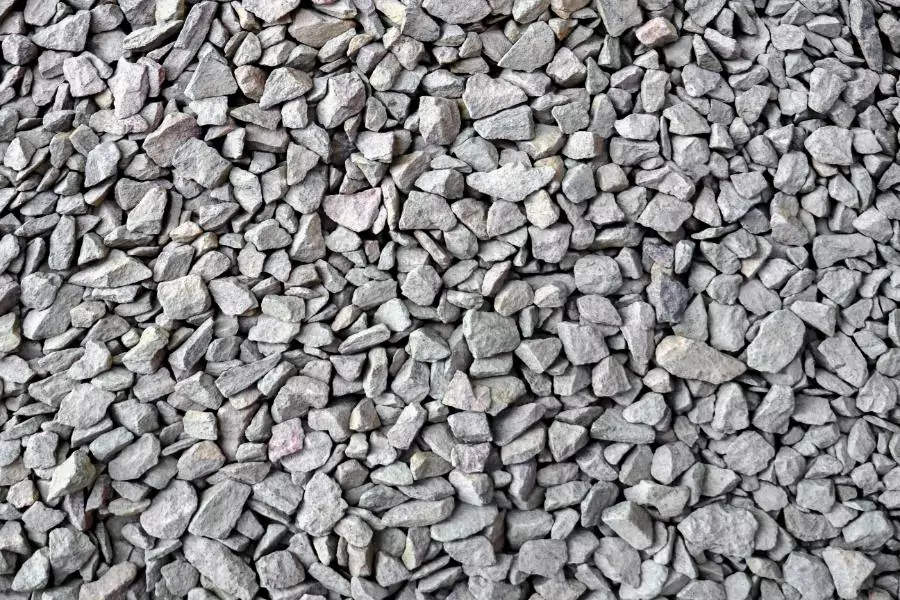
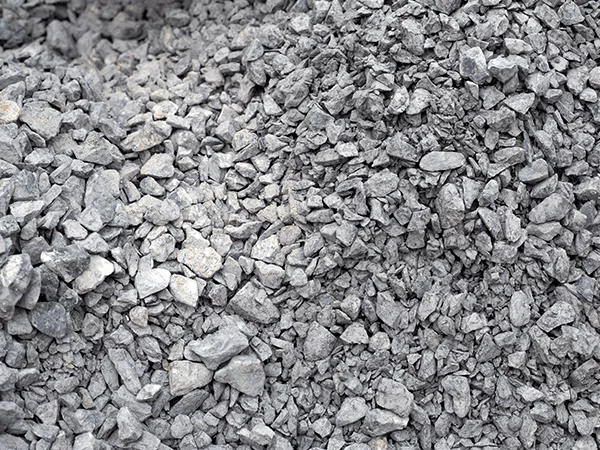
For structural layers and base materials in Drybranch projects, crushed stone and mechanically graded gravels are the go-to options. For a reliable compacting base on rural roads and private drives, we commonly recommend 3/4 inch Crushed Stone for its angular shape and compaction properties. That product locks together and provides a stable, load-bearing surface that stands up to the region's freeze-thaw cycles.
In sections where drainage is critical, such as roadside ditches or French drain systems near the Kanawha lowlands, #57 Stone is widely used in Drybranch. This aggregate offers excellent void space for water movement while remaining durable under repeated wetting and drying. For reclaim projects and lower-cost structural fill, recycled Crushed Concrete provides an eco-friendly alternative that reduces demand on virgin quarry stone while still delivering predictable compaction when installed properly.
Driveway and Pathway Materials
Driveway design in Drybranch must consider steep slopes in some neighborhoods and valley bottom soils in others. Our driveway customers often choose Driveway Gravel combined with a base course of Crusher Run or Road Base to balance drainage and compaction. Crusher run compacts tightly and creates a firm driving surface while road base provides a more engineered substrate for heavier traffic.
For footpaths and garden walkways in neighborhoods like Kanawha City and Edgewood, Walkway Gravel and Decomposed Granite are popular choices. Decomposed granite creates a stable, natural-looking trail surface that resists erosion and blends with Appalachian woodlands, while walkway gravel offers a lighter, looser finish for casual paths and border beds.
Decorative Stone and River Rock
Drybranch properties with ornamental beds or water-feature designs often use decorative aggregates to complement native plantings. Smooth, rounded River Rock is excellent for dry creek beds and erosion control along sloped landscapes near Clendenin and Cedar Grove. River rock provides both visual appeal and functional armoring for intermittent run-off channels.
For patios, play areas and ornamental garden borders, Pea Gravel offers a softer, decorative finish that is easy to rake and maintain. Pea gravel is also a common choice in rustic entries to homes in neighborhoods around Marmet and Belle, where property owners favor a traditional West Virginia aesthetic.
Drainage Solutions for Drybranch's clay-loam soil
Drybranch and the surrounding Kanawha County area typically feature clay-loam soils that hold moisture after heavy rains. Those soil characteristics, combined with roughly 44 inches of average annual rainfall and frequent spring and fall storms, make effective drainage design essential. Many residential and municipal projects in Drybranch use engineered aggregates to prevent ponding, protect foundations and extend the life of pavement and hardened surfaces.
Regional geology in the Drybranch area is part of the Appalachian Plateau — composed largely of sedimentary rock formations including sandstone, shale and coal seams. This geology influences how surface water moves and how quickly soils dry out after precipitation. Because freeze-thaw cycles are common, drainage aggregates need to resist frost heave and maintain permeability across seasons.
Benefits of Proper Drainage Aggregates
- Reduces hydrostatic pressure against foundations and retaining walls to prevent structural damage.
- Improves road and driveway longevity by preventing subgrade saturation and frost heave.
- Enhances infiltration for landscaped areas while directing excess water away from critical structures.
- Minimizes erosion on slopes and channels by stabilizing flow paths with appropriate rock armoring.
Specific products like Drain Rock and #57 stone are designed to serve as free-draining layers in French drains and perforated pipe envelopes. Drain rock combined with geotextile fabric is frequently installed on residential parcels in Sissonville and Pratt where heavy clay threatens to saturate basements and low-lying yards.
Soil Products and Fill Materials
Proper soil selection and site grading are as important as aggregate selection in Drybranch projects. For top dressing lawns, establishing garden beds on reclaimed valley terraces, or amending compacted yard soils, we supply screened Topsoil that's blended to support seeding and planting in the Mountain State climate. Our topsoil is suitable for home gardens in neighborhoods like South Hills and the West Side where homeowners restore turf after construction.
When regrading a site or raising low areas above seasonal water levels, many contractors in Drybranch and nearby Dunbar rely on structural fill like Fill Dirt. Fill dirt provides mass and compaction characteristics needed beneath road base or patio subgrades. Properly placed fill reduces differential settlement over time and creates a stable platform for subsequent aggregate layers.
For erosion control, tree planting, or raised bed construction near riverfront properties in Institute and Nitro, combining topsoil with structural aggregate layers ensures plants receive nutrients while excess water drains away from root zones. That balance is essential in the acidic, high-organic soils typical in pockets of the Drybranch area.
Sand Products for Every Drybranch Application
Sand is an essential component in many residential and commercial projects throughout Drybranch. The right sand improves mortar mixes, playground safety surfaces, bedding for pavers and filter media for stormwater systems. We offer multiple sand grades to fit your needs.
Masonry and mortar work in older Drybranch homes requires a fine, clean sand with consistent gradation. For precise laying and mortar mixes we recommend Mason Sand, which provides the finer texture masons need for strong bonding around brick and block installations along historic façades in Charleston and surrounding towns.
Public playgrounds, schools and community parks in Drybranch and the broader Kanawha County benefit from Playground Sand, a softer, rounded sand that meets safety guidelines for impact attenuation and compaction resistance. Playground sand is typically placed at recommended depths under play equipment and is a common specification for municipal projects in Cross Lanes and St. Albans.
For drainage beds, filter layers and concrete mixing where minimal fines are required, our Washed Sand removes silt and clay particles that impair permeability. Washed sand is frequently used on construction sites across Drybranch for consistent grading and predictable water movement through base layers and bedding courses.
| Sand Type | Best Applications | Texture | Common Uses in Drybranch |
|---|---|---|---|
| Mason Sand | Mortar, brickwork, fine leveling | Fine, uniform | Masonry repairs in historic Charleston area and residential block work |
| Playground Sand | Play areas, safety surfacing | Rounded, soft | Parks in Cross Lanes and school play areas in St. Albans |
| Washed Sand | Concrete mix, drainage, bedding | Coarse to medium, low fines | Construction sites and drainage beds throughout Kanawha County |
Choosing the Right Aggregates for Your Drybranch Project
Selecting the correct aggregates for a project in Drybranch requires considering slope, soil type, expected traffic loads and exposure to freeze-thaw conditions. Because Drybranch's soils often contain clay and the regional precipitation averages around 44 inches per year, permeability and compaction are particularly important for long-term performance. Aggregates with angular particles — such as 3/4 inch crushed stone and crusher run — lock together to resist movement on sloped driveways, while rounded materials like pea gravel and river rock are chosen for aesthetics and supplemental drainage.
Below is a quick comparison to help homeowners and contractors pick the right product for a given function, from base layers to decorative installations.
| Aggregate Type | Best Applications | Size Range | Drainage Rating | Compaction |
|---|---|---|---|---|
| 3/4 Crushed Stone | Base layers, driveways, structural fill | 3/4 inch | Moderate | High |
| #57 Stone | Drainage, French drains, gabion beds | 1/2 to 1 inch | High | Low |
| Crusher Run | Driveway surface, compacted bases | Mixed fines to 1 inch | Low | Very High |
| Pea Gravel | Decorative beds, patios, pathways | 3/8 inch | Moderate | Low |
| River Rock | Erosion control, dry creek beds | 1 to 4 inches | Very High | Very Low |
| Decomposed Granite | Compactable pathways, patios | Fine to coarse granules | Moderate | Medium |
| Road Base | Roads, heavy load bases | Mixed sized fines to 1-1/2 inch | Moderate | High |
| Drain Rock | Pipe envelopes, drainage trenches | 3/4 to 2 inches | Very High | Low |
Climate Considerations for Drybranch Aggregates
Drybranch experiences summer highs around the mid-80s (86°F on average in July) and winter lows that commonly dip into the low 20s (around 20°F in January). Those seasonal extremes, combined with roughly 44 inches of precipitation annually, mean freeze-thaw action is a primary factor influencing material selection. Aggregates used under pavements must be frost-resistant and permit drainage to prevent subgrade saturation and frost heave. Permeable layers such as #57 stone or drain rock paired with geotextiles are recommended in areas with poor natural drainage.
The underlying Appalachian Plateau geology — dominated by sandstone and shale formations — means you'll often find shallow, rocky soils on ridgelines and deeper, more moisture-retentive clay-loam in hollows and valleys. Project teams in Drybranch typically adjust aggregate depth and type depending on whether the site is ridge-top, valley, or river-adjacent to ensure stable performance year-round.
Popular Drybranch Project Applications
Homeowners and contractors in Drybranch commonly use aggregates for the following:
- Driveways and private road repairs in rural properties near Elkview and Marmet.
- French drains and foundation drainage around historic homes in Charleston suburbs.
- Garden paths, patios and erosion control along steep slopes in Clendenin and Cedar Grove.
- Playground fill and municipal park surfacing in Cross Lanes and St. Albans.
Aggregate Delivery Throughout Drybranch Metro
Our delivery network covers local streets, rural driveways and commercial sites across the Drybranch service area. We schedule deliveries to accommodate narrow rural access lanes, tight hillside sites and municipal loading zones in nearby towns. Drivers are experienced with Kanawha County logistics and coordinate deliveries to minimize yard disturbance and match contractor schedules.
Areas We Serve
We provide aggregate delivery to neighborhoods and communities across the Drybranch region, including residential pockets and commercial corridors in Charleston, South Charleston, Cross Lanes, St. Albans, Dunbar, Nitro, Elkview, Sissonville, Clendenin, Institute, Belle, Pratt, Marmet and Cedar Grove. Whether your property is tucked into a hillside near the Appalachian foothills or located on a floodplain near the Kanawha River, we can advise on suitable aggregates and delivery methods to meet site constraints and local codes.
Nearby Cities Served
In addition to Drybranch itself, our drivers frequently service surrounding municipalities such as Charleston, South Charleston, Cross Lanes, St. Albans, Dunbar, Nitro, Elkview and Clendenin. This broader coverage ensures timely supply for larger municipal contracts and private developments across Kanawha County and adjacent communities.
Frequently Asked Questions About Gravel in Drybranch
We deliver a comprehensive selection of aggregates to Drybranch, including 3/4 inch crushed stone, #57 stone, crusher run, drain rock, decomposed granite, pea gravel, river rock, driveway gravel and multiple sand types. Our delivery trucks carry both decorative and structural aggregates to serve residential, commercial and municipal projects across the area.
Delivery rates vary based on order volume and exact location within Drybranch. We run promotions and occasional free delivery offers for qualifying orders; for many bulk purchases we can provide free delivery Drybranch options depending on distance and load size. Contact our team with the job address for an accurate delivery quote.
A standard residential driveway typically uses a base of 4 to 6 inches of compacted crusher run or road base, topped with 1 to 2 inches of driveway gravel. For pathways, 2 to 3 inches of compacted decomposed granite or walkway gravel might suffice. Provide project dimensions and slopes and we will calculate cubic yards and recommended aggregate depth for your Drybranch property.
For Drybranch's clay-loam soils and freeze-thaw cycles, angular aggregates like 3/4 inch crushed stone or crusher run provide a stable, compacted base. Use #57 stone or drain rock for drainage features. Decorative areas often use pea gravel or river rock depending on aesthetics and maintenance needs.
Yes. We deliver throughout Drybranch and to nearby suburbs including Charleston, South Charleston, Cross Lanes, St. Albans, Dunbar and Elkview. Our scheduling accounts for rural access and we can stage deliveries to minimize impact on narrow driveways and steep terrain.
Spring through fall is ideal for exterior construction and landscape installations in Drybranch. However, we can deliver year-round. Keep in mind that heavy winter freeze-thaw cycles can delay compaction and pave work, so plan subsurface work in milder months whenever possible.
Yes. Recycled options such as crushed concrete and other reclaimed aggregates help reduce quarry demand and landfill waste. These products perform well for base layers and many structural uses when properly specified, making them a sustainable choice for Drybranch builders and property owners.
Get Quality Aggregates Delivered to Your Drybranch Property
Choosing the right aggregate for a Drybranch project is about matching function to local conditions. The combination of 44 inches of average annual rainfall, Appalachian Plateau geology and clay-loam soils demands thoughtful material selection. Our product lineup is tailored for regional needs — from heavy-duty road base and Road Base to aesthetic river rock and River Rock accents for hillside treatments. For drainage trenches and pipe envelopes, Drain Rock and #57 stone are frequently installed to move water away from structures and into approved outfalls.
We serve tight-knit neighborhoods as well as larger parcels across Kanawha County. If your home is in the Ridgecrest area above Sissonville, in the valley near the Kanawha River around Institute, or within the historic blocks of Charleston's East End, we can deliver the right quantity and grade of aggregates to meet municipal and site-specific standards. Our experienced drivers coordinate with site crews to place materials where you need them, reducing extra handling and potential site disturbance.
For decorative borders and small garden projects in suburban lots near Cross Lanes and St. Albans, consider Pea Gravel or Walkway Gravel. For areas requiring higher structural strength such as driveways leading to a rural barn or a commercial loading area in Nitro, we typically recommend a sequence of Crusher Run or 3/4 inch Crushed Stone with a wearing course of Driveway Gravel for a durable, low-maintenance surface.
For spec sheets, delivery scheduling and site recommendations specific to Drybranch, reach out with property dimensions, current ground conditions and desired finish. Our team has completed projects across Charleston, South Charleston, Cross Lanes, St. Albans, Dunbar, Nitro and surrounding communities and can advise on the best aggregates and sands for lasting performance in West Virginia's Mountain State environment.

Need help? Reach out for a quote: