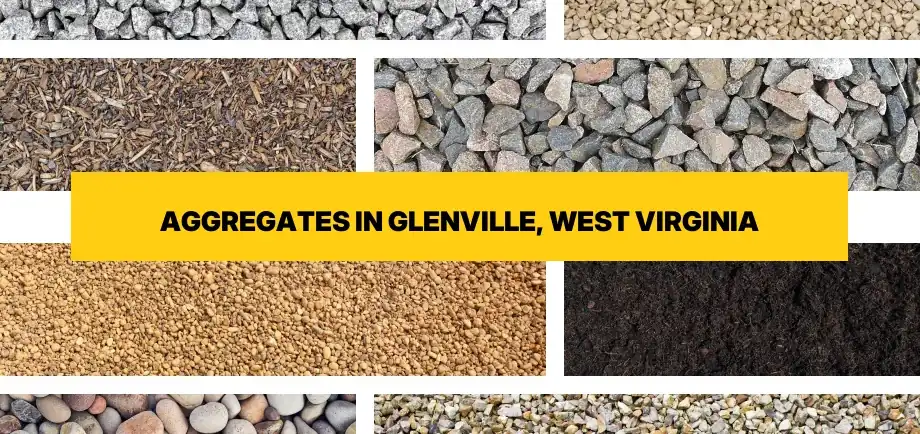
Buy Bulk Aggregates & Gravel in Glenville, West Virginia
Local Topsoil, Dirt, Sand, Rocks and Gravel near me in Glenville, West Virginia
Shop Aggregates for Delivery in Glenville
Order online for free delivery to any Glenville address.


Glenville, WV sits in the heart of the Mountain State on the Little Kanawha River and is home to a mix of historic downtown blocks, the Glenville State University campus, and a scattering of riverfront and ridge-top residential areas. For homeowners, contractors, and municipal crews in Glenville, selecting the right aggregates and scheduling reliable gravel delivery is essential to building long-lasting driveways, stable roads, proper drainage systems, and attractive outdoor spaces that suit the local climate. This page outlines the premium aggregates we deliver across Glenville and surrounding communities, examines soil and climate considerations unique to the area, and explains how to choose the right materials for your project.
Because Glenville experiences a distinct Appalachian Plateau climate — with average annual rainfall of about 42.5 inches, July highs around 83°F, and January lows near 18°F — materials must withstand wet springs, humid summers, and freeze-thaw cycles in winter. The geology of Gilmer County includes folded sedimentary formations, sandstone, shale, and pockets of clay and silt loam over shallow bedrock, so proper aggregate selection affects drainage, compaction, and longevity. Whether you manage a small path along Main Street, a county road resurfacing project, or a decorative riverbank restoration, our aggregates are tailored to Glenville's conditions and neighborhood needs.
Premium Aggregates Available for Glenville Delivery
Gravel and Crushed Stone Products
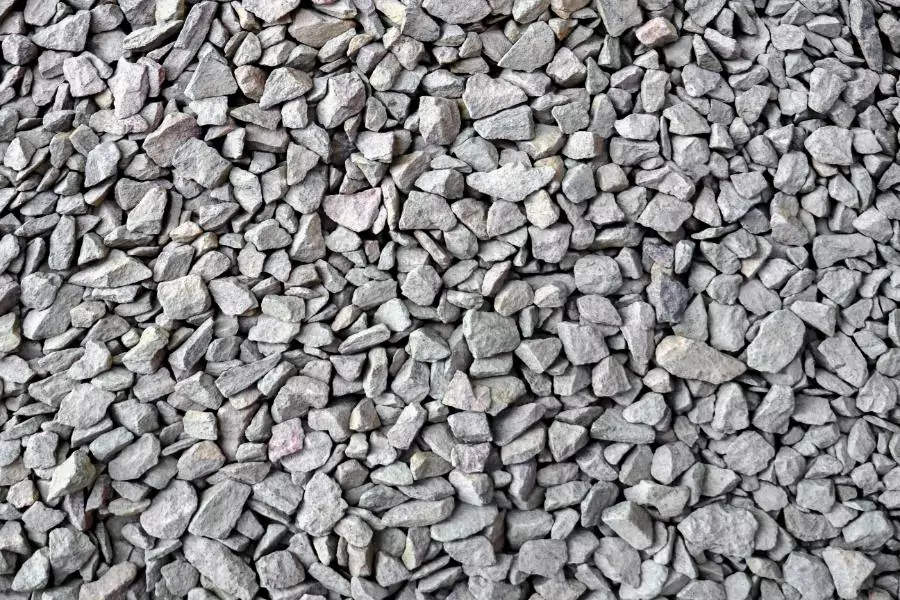
For structural projects and load-bearing applications in Glenville, reliable crushed stone is the foundation of any good design. Our crushed stone options include material intended for base layers and for final surfacing where durability matters. A common recommendation for Glenville’s mix of clay and rocky soils is 3/4 inch Crushed Stone as a base layer beneath pavement, pavers, or heavy-traffic driveways because it compacts well and sheds water when installed with proper cross-slope.
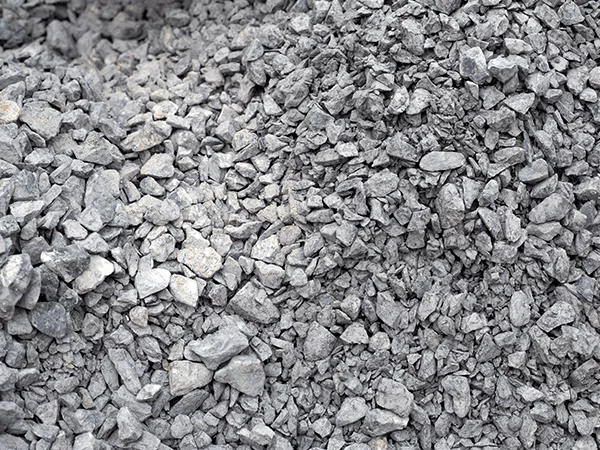
We also carry products that blend structural strength and surface finish. For example, Crusher Run provides a compactable matrix of fines and stone suitable for a tightly bound base under driveways and parking areas in neighborhoods like Downtown Glenville and the Court Street historic district. When a more graded, engineered layer is needed for county road repair or driveway reconstruction, Road Base performs well across the freeze-thaw cycles Glenville experiences, stabilizing subgrades and resisting rutting.
Driveway and Pathway Materials
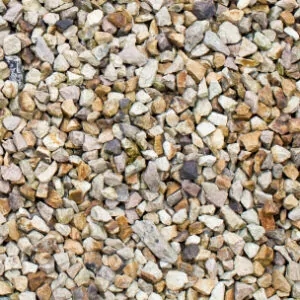
A well-built driveway or pathway begins with the right combination of materials. For a front-entrance driveway that balances traction and economy, our Driveway Gravel is formulated to resist migration and support vehicles in neighborhoods like North Glenville, Bridge Street, and the East End. Underneath the decorative topping layer, layering crushed stone or crusher run creates the structural support needed to prevent washouts during Glenville's heavy spring rains.
Walkways and pedestrian routes need a finer-texture surface and a comfortable finish. Our Walkway Gravel suits university paths across the Glenville State University campus as well as residential garden paths through Maple Ridge and Pioneer Hill. When paired with a stable sub-base, walkway gravel offers a permeable, low-maintenance surface that works with Glenville's soils and rainfall patterns.
Decorative Stone and River Rock
For decorative applications along the Little Kanawha River, properties in Old Town, or beds around historic storefronts, rounded stones and fine gravels provide an appealing aesthetic while aiding drainage. Pea Gravel is a versatile decorative option used for seating areas, playground borders, and compacted pathways that tolerate foot traffic while remaining comfortable underfoot.
When a bolder look or erosion control is needed, River Rock in a range of sizes offers an attractive, natural finish that anchors slopes and stream-side landscaping. River rock's rounded profile also reduces soil displacement along channels and complement parks and riverfront properties throughout Glenville.
Drainage Solutions for Glenville's clay and silt loam soil
Proper drainage is essential in Glenville because pockets of clay and silt loam impede infiltration in heavy rain events. Choosing the right drainage aggregates prevents water from pooling near foundations, reduces frost heave in winter, and protects roadways and driveways from erosion. In valley neighborhoods and riverfront properties, drainage design often includes trench drains, French drains, and gravel envelopes around pipes to channel water away from structures and stabilize slopes.
Benefits of Proper Drainage Aggregates
- Reduce hydrostatic pressure on foundations and retaining walls by improving water flow.
- Minimize frost heave and surface heaving in winter by allowing water to move away from subgrades.
- Prevent surface erosion on slopes and ditches adjacent to riverfront and hillside properties.
- Extend the life of driveways and roads by avoiding water-related structural damage.
To construct effective drainage systems in Glenville, use angular stone with good void ratio. For pipe bedding and trench backfill, #57 Stone is commonly specified because its size and angularity create stable voids for water to pass through while still supporting piping. For larger channels, catch basins, and filter systems, Drain Rock provides the open-graded structure necessary for long-term performance when combined with geotextiles in high-flow areas near the Little Kanawha River.
Soil Products and Fill Materials
Site grading, lawn establishment, and recontouring slopes around Glenville homes and municipal properties often require reliable soil materials. Our Topsoil is screened and blended to support turf, garden beds, and plantings across the Glenville State University campus and residential lots. For large grading operations, such as building pads or roadway subgrade corrections in the Mill Run and Chestnut Ridge areas, Fill Dirt is available to raise grades or backfill foundations with compactable, economical material.
Using correct soil mixes matters in Glenville’s mixed geology. Native soils in several neighborhoods are thin over shale and sandstone, so topsoil applications of 4-6 inches over compacted subgrade yield the best lawn establishment results. For erosion control and slope stabilization along the riverfront and steeper lanes, combining topsoil with erosion-control fabrics and surface stone reduces sediment loss and promotes vegetation growth.
Sand Products for Every Glenville Application
Sand is a fundamental component for masonry, playgrounds, bedding pavers, and drainage mixes across Glenville. We supply several sand types for specific uses throughout the Glenville area, including masonry work in the courthouse square, playground surfacing near campus, and washed sand for concrete mixes used in local infrastructure projects.
Mason sand is designed for mortar joints and specialized masonry work. Our Mason Sand has a fine, uniform texture that helps produce consistent mortar mixes for brickwork and stone veneers on historic facades in Downtown Glenville. When precise particle size and cleanliness are required for aesthetic mortar, mason sand reduces voids and improves bond strength.
Play areas and safety surfacing call for controlled particle size and clean composition. For parks and school playgrounds around the Glenville State University vicinity, Playground Sand meets safety cushioning needs while remaining free of sharp fragments. This sand performs well under swings and high-traffic play zones and drains readily in our region's summer storms.
Washed sand is essential for concrete production and some permeable paving systems because it removes silt and clay that can weaken mixes. Our Washed Sand is ideal for mixing site concrete, setting pavers along the riverwalk, and blending with gravel for improved drainage on shared driveways during Glenville's heavy spring rainfall months.
| Aggregate Type | Best Applications | Size Range | Drainage Rating | Compaction |
|---|---|---|---|---|
| 3/4 Crushed Stone | Base layers, driveways, paver bedding | 3/4 inch | Moderate | High |
| #57 Stone | Drainage, pipe bedding, French drains | 3/8 to 1 inch | High | Low |
| Crusher Run | Driveway base, parking areas | Pass-3/4 inch fines | Low | Very High |
| Pea Gravel | Decorative beds, seating areas, traction | Pea-size, approx 1/8 to 3/8 inch | Moderate | Low |
| River Rock | Streambank, ornamental rock beds | 1/2 to 6 inches | Very High | None |
| Decomposed Granite | Paths, patios, xeriscape surfaces | Fine to coarse granules | Moderate | Moderate |
| Road Base | Road reconstruction, heavy-use routes | Mixed sizes, fines included | Moderate | Very High |
| Drain Rock | High-flow channels, sub-drains | 1/2 to 2 inches | Very High | None |
Choosing the Right Aggregates for Your Glenville Project
Selecting the right aggregates in Glenville depends on intended use, site drainage, seasonal freeze-thaw exposure, and the underlying soil conditions. For structural bases near bridges or on steep lanes in the Mill Run area, choose compactable crushed stone and road base to maintain load-bearing capacity. For decorative surfaces in downtown storefronts and riverfront plazas, specify washed sands, pea gravel, or river rock to match the aesthetic and drainage needs. Matching aggregate gradation to the local soil profile prevents settlement and reduces maintenance down the line.
When planning a project, consider layered assemblies: a compacted fill dirt or crushed concrete sub-base in low-lying sections, a 3/4 inch crushed stone structural layer for strength, and a surface layer tuned to use — walkway gravel for foot traffic, driveway gravel for vehicles, or decorative river rock where stabilization and appearance are priorities. In high-rainfall pockets of Glenville, increasing the thickness of drainage stone and adding geotextile separators helps reduce fine-grain migration from native soils.
| Sand Type | Best Applications | Texture | Common Uses in Glenville |
|---|---|---|---|
| Mason Sand | Masonry mortar, stucco | Fine, uniform | Historic building restoration on Court Street |
| Playground Sand | Play area surfacing | Loose, cushioning | School and park play areas near the university |
| Washed Sand | Concrete mixes, bedding pavers | Clean, coarse to fine | Concrete curbs and riverwalk paver projects |
Climate Considerations for Glenville Aggregates
Glenville's location on the Allegheny Plateau means designs must account for about 42.5 inches of annual rainfall and a seasonal range that includes warm, humid summers and below-freezing winter lows. During freeze-thaw cycles, water trapped in poorly drained subgrades expands and contracts, causing ruts and heaving. To reduce these effects, choose angular aggregates with high compressive strength and include internal drainage paths such as #57 stone or drain rock to move water away from load-bearing layers.
Summer thunderstorms can quickly saturate shallow soils in river-adjacent lots. For lowland properties near the Little Kanawha River, elevating finished grades with compacted fill dirt and providing open-graded drainage stone around culverts and footings lowers the risk of erosion. In regions of the county underlain by sandstone and shale, compaction and anchor layers are key to preventing slope slippage during heavy rain events.
Popular Glenville Project Applications
Glenville residents and municipal contractors commonly use aggregates for driveway reconstructions, campus pathways, riverbank stabilization, playground surfacing, roadside repairs, and garden beds. Residential projects often rely on decomposed granite or pea gravel for low-maintenance paths and terraces, while county road crews prefer road base and crusher run for durable surfaces that stand up to seasonal wear. Decorative projects in the historic downtown and riverfront parks make heavy use of river rock and washed sand for aesthetic and functional value.
Aggregate Delivery Throughout Glenville Metro
We deliver bulk aggregates across Glenville and the surrounding region, with equipment and scheduling that accounts for narrow lanes, campus deliveries, and riverfront staging areas. Deliveries can be staged at neighborhood entrances such as Bridge Street and Market Street for larger projects, or made to driveways and job sites in tighter neighborhoods like North Glenville and the East End. Our team coordinates with property owners to place materials where they are most useful and to protect existing lawns and structures during offloading.
Areas We Serve
Our Glenville delivery routes cover Downtown Glenville, the Glenville State University campus, Court Street, Main Street, Northside, Southside, Pioneer Hill, Maple Ridge, Bridge Street, Old Town, Mill Run, Chestnut Ridge, the Riverfront, and the East End. We understand local access challenges—narrow roads near historic buildings, steep driveways in ridge-top neighborhoods, and riverside staging limitations—and we plan delivery loads accordingly to keep projects moving smoothly.
Nearby Cities Served
Beyond Glenville, we regularly deliver aggregates to nearby cities and towns across central West Virginia, including Weston, Buckhannon, Spencer, Summersville, Sutton, Clarksburg, and Charleston. These nearby delivery options make us a practical source for municipal crews and contractors working on county-wide projects across the Allegheny Plateau region.
Frequently Asked Questions About Gravel in Glenville
We deliver a full range of aggregates to Glenville including driveway gravel, 3/4 inch crushed stone, #57 stone, crusher run, road base, drain rock, pea gravel, river rock, decomposed granite, crushed concrete, walkway gravel, and screened topsoil and fill dirt. We also stock mason sand, washed sand, and playground sand for specialized uses.
Delivery cost depends on order size, distance from our Glenville staging point, and access conditions. For many larger bulk orders within Glenville proper and designated nearby areas we can offer promotional free delivery thresholds; contact our local team for specific eligibility and scheduling.
Coverage is based on square footage and desired depth. A typical residential driveway using 3 to 4 inches of surface gravel over a compacted base requires approximately 1.5 to 2 cubic yards of gravel per 100 square feet. For structural bases and road base layers the depth may increase to 6-8 inches; we provide on-site estimates for Glenville jobs to ensure accurate quantities.
Because Glenville has pockets of clay and silt loam with seasonal freeze-thaw cycles, angular crushed stone such as 3/4 inch crushed stone for bases and #57 stone for drainage perform especially well. Drain rock is ideal where high-flow drainage is necessary, and crushed concrete is a sustainable option for some base layers.
Yes, we deliver throughout Gilmer County and nearby corridors. We service rural routes, narrow-lane properties, and small subdivisions. Common delivery destinations include properties near Sutton Lake, lane access off Route 33, and roadside projects in the Mill Run area.
Spring through fall offer the most favorable conditions for grading and compaction, but we deliver year-round. Winter deliveries are possible, though scheduling may be affected by freeze-thaw conditions and snow. For larger municipal or contractor projects we recommend booking ahead of peak spring and summer months to secure desired materials.
Yes. For sustainable projects we supply recycled materials such as crushed concrete, which is commonly used as recycled base material and can reduce the need for virgin stone while meeting load and compaction requirements for many applications.
Get Quality Aggregates Delivered to Your Glenville Property
From driveway rebuilds in North Glenville and historic storefront upkeep along Court Street to drainage improvements by the Little Kanawha River, our selection of aggregates and delivery capabilities are configured for local needs. We work on projects big and small—from paver pathways in Pioneer Hill to county road base repairs—and advise on correct material selection for Glenville's climate and soils. If your project requires structural stone, decorative rock, screened topsoil, fill dirt, or specialty sands, we can supply and deliver the right materials to your site.
Planning a job in Mill Run, Chestnut Ridge, the Riverfront, or near Glenville State University? Consider base stabilization with 3/4 inch crushed stone, drainage using #57 stone and drain rock, and finish choices such as pea gravel, river rock, or decomposed granite for walkways. For play areas, masonry, or concrete mixes choose the appropriate sand product above to ensure your project performs as intended through Glenville's seasons.

Need help? Reach out for a quote: