Buy Bulk Aggregates & Gravel in Glady, West Virginia
Local Topsoil, Dirt, Sand, Rocks and Gravel near me in Glady, West Virginia
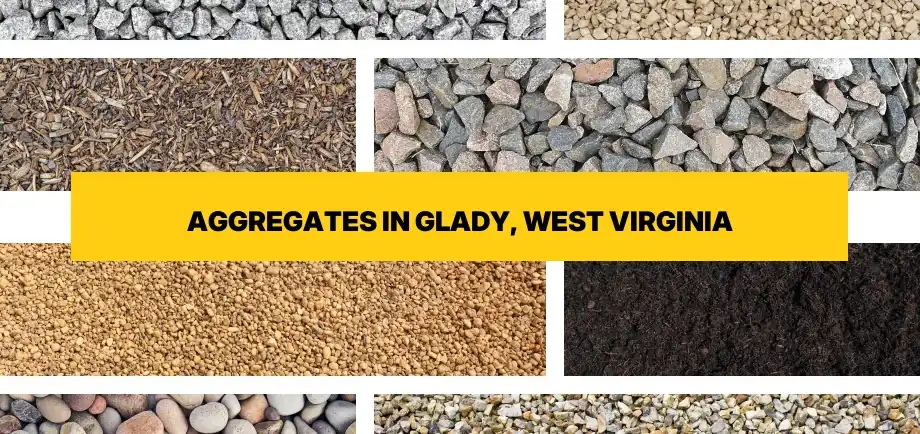
Shop Aggregates for Delivery in Glady
Order online for free delivery to any Glady address.


For homeowners, contractors, and rural land managers in Glady, West Virginia, reliable aggregate supply and dependable delivery are essential to every road, driveway, and landscape project. As a Glady gravel supplier familiar with the Allegheny Mountains, we understand how local soils, seasonal snowfall, and freeze-thaw cycles shape material choices. Whether your project is a cottage access road near Canaan Valley, a drainage upgrade above the Blackwater Falls corridor, or a decorative bed at a cabin by Seneca Rocks, our bulk aggregates and delivery options are designed to make material selection and logistics straightforward.
Glady sits in a highland pocket of Randolph County with long winters and frequent snow, so choosing the right combination of base materials and top layers is not just aesthetic — it’s structural. We supply a full catalog of aggregates and sands tailored to the local climate, from structural road base to fine sand for masonry and safe playground surfaces. This page explains the best materials for Glady projects, coverage and delivery options, neighborhood-level service areas, and practical guidance so your next project proceeds without surprises.
Premium Aggregates Available for Glady Delivery
Gravel and Crushed Stone Products
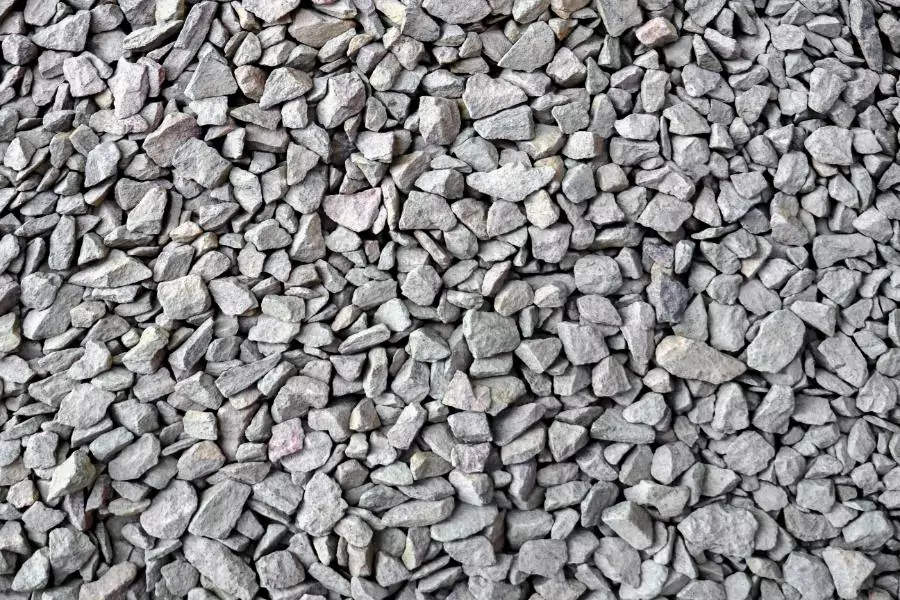
For structural projects and high-traffic areas around Glady, crushed stone and engineered base products are the backbone of a long-lasting installation. Our selection includes high-quality options for compaction and load-bearing. For structural layers and sub-base work, builders in the Glady area lean on 3/4 inch Crushed Stone for its angular shape and consistent gradation. Paired with the right fines, it compacts well on loam and clay soils common in the region.
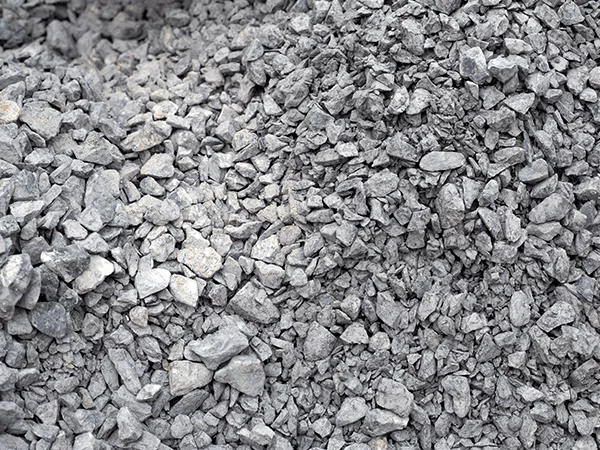
When a tighter interlock and a better wearing surface are required, materials like Crusher Run provide a graded blend of stone and fines that locks together under compaction. For heavier load-bearing needs or road repair projects in the hills above Glady, Road Base offers a specially graded mix optimized for stability on slopes and in seasonal freeze-thaw cycles.
Driveway and Pathway Materials
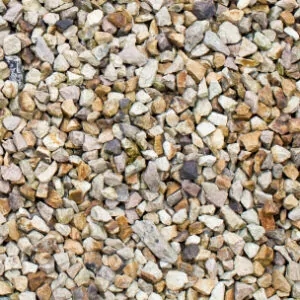
Driveways around Glady must balance drainage and traction. Our Driveway Gravel is a popular choice for homeowners upgrading long rural drives because it resists rutting and sheds snow plow damage when installed over a proper base. For a more refined surface on garden paths and small access lanes, Walkway Gravel provides a comfortable walking surface while still allowing water to infiltrate rather than pond on the surface.
Where structural support under the surface matters—garage aprons or steep access roads—combining 3/4 inch crushed stone with a top layer of driveway gravel is an effective strategy for Glady projects. For base stabilization on roads and driveways that see heavy equipment or repeated winter maintenance, consider the layering approach described above to control frost heave and surface washouts.
Decorative Stone and River Rock
For aesthetic treatments around cabins, vacation homes, and public spaces in Glady, decorative stone choices include Pea Gravel and native-looking River Rock. Pea gravel works well in patios and small garden areas where a soft, smooth finish is desired, while river rock provides scale and texture for dry creek beds and stormwater basins in the mountain setting. Both materials complement native plantings and the local Appalachian stone palette, fitting the rural character near the Monongahela National Forest edge.
Decorative stones also function as erosion control when placed in swales or at outfalls; the right size of river rock slows flow and reduces soil loss without looking industrial. Many property owners near Dolly Sods and Canaan Valley favor river rock for its natural appearance and low maintenance over time.
Drainage Solutions for Glady's clay-loam Soil
Drainage is a frequent concern in and around Glady because the soil profile—typically clay-loam with pockets of shale and acidic forest topsoil—can hold water on slopes and flat hollows. Proper aggregate choice ensures that runoff is directed away from structures and that roadbeds remain stable through freeze-thaw cycles. Materials designed for percolation and runoff management perform best when matched to local hydrology and seasonal precipitation patterns.
Benefits of Proper Drainage Aggregates
- Improved percolation to reduce standing water and prevent base saturation that causes rutting.
- Reduced erosion at outfalls and swales by using appropriately sized rock to slow flows.
- Extended longevity of roads and driveways through frost-susceptible seasons by minimizing saturated fines.
- Easier maintenance in heavy-rain events typical in spring and fall in the region.
To channel subsurface water and keep foundations dry, many engineers in Randolph and Tucker counties specify #57 Stone and Drain Rock around culverts, French drains, and footing perimeters. #57 Stone provides excellent flow paths in narrow trenches, while larger drain rock is effective at outfalls and larger culvert heads where higher volumes must be handled without washing finer materials downstream.
Soil Products and Fill Materials
Successful grading and planting projects require the right soils and fill. For seeding, top dressing, and garden beds around Glady cottages and rural homes, premium Topsoil with balanced organic content and proper pH adjustment is essential to establish lawns and native plantings on former logging clearings or compacted sites. Quality topsoil also helps when rebuilding small terraces or preparing planting mounds where local thin soils won't support immediate growth.
For earthwork, drainage corrections, and structural fills on steep parcels, durable Fill Dirt is used to bring sites to grade and to recompact subgrades before placing base aggregates. Using clean, well-graded fill reduces settling and prevents voids that cause surface failures during harsh winters with repeated freeze-thaw cycles common in Glady.
In addition to native soils, contractors working near steep forested lots and roads close to Seneca Rocks often prefer to incorporate recycled materials where possible. For example, Crushed Concrete is an eco-friendly aggregate used for base layers and temporary access roads; it reduces quarry demand and performs well when compacted appropriately.
Sand Products for Every Glady Application
Sand products are an important part of many projects in the Glady area, from masonry and playgrounds to bedding for pavers. Selecting the right sand type helps control water percolation, provides the correct texture for play surfaces, and ensures mortar mixes perform reliably in colder months.
Mason work in older stone homes and new stone veneer installations require consistent, clean bedding sand. Our Mason Sand is screened and washed for consistency, producing predictable mortar mixes and tight joints that resist freeze-thaw deterioration in winter months.
Play areas in community parks, campgrounds, or backyard settings near Glady need safe, well-graded surfaces that drain and cushion. For those applications, choose our Playground Sand, which meets safety and texture criteria for play surfaces while minimizing compaction and pooling after summer rains and spring thaw.
When a clean, high-drainage bedding sand is needed—such as behind dry-stacked retaining walls or under permeable pavers—the preferred choice is our Washed Sand. Washed sand sheds fines that would otherwise migrate into joints and clog voids, which is particularly important in the high-rainfall gullies and hollows found near the Monongahela National Forest.
| Aggregate Type | Best Applications | Size Range | Drainage Rating | Compaction |
|---|---|---|---|---|
| 3/4 Crushed Stone | Base layers, driveways, structural fill | 3/4 inch | Moderate | High |
| #57 Stone | French drains, driveways topcoat, erosion control | 1/2 to 1 inch | High | Low |
| Crusher Run | Driveway base, subbase stabilization | Mixed sizes with fines | Low-Moderate | Very High |
| Pea Gravel | Patios, playground borders, decorative | 1/8 to 3/8 inch | Low | Low |
| River Rock | Dry creek beds, landscape accents, outfalls | 1 to 6 inches | Very High | None |
| Decomposed Granite | Paths, compacted patios, stabilizer mixes | Fine to coarse granular | Moderate | Medium |
| Road Base | Public roads, private lanes, erosion control | Mixed aggregate | Moderate | High |
| Drain Rock | Culverts, ditch stabilization, outfalls | 1 to 3 inches+ | Very High | None |
Choosing the Right Aggregates for Your Glady Project
Selecting the correct aggregates means factoring in slope, expected traffic, soil type, and seasonal weather patterns. Because Glady sits within the Appalachian Highlands and receives roughly 44 inches of precipitation per year with summer highs averaging near 82°F and winter lows that can dip to about 12°F, materials must tolerate both wet springs and icy winters. The region's geology—sandstone and shale bedrock with pockets of coal-bearing strata in parts of Randolph County—affects quarry choices and the mineral composition of available aggregates. For example, angular crushed stone sourced from local quarries offers better interlock on slopes than rounded river gravel from valley deposits.
| Sand Type | Best Applications | Texture | Common Uses in Glady |
|---|---|---|---|
| Mason Sand | Mortar mixes, bedding for stonework | Fine, consistent | Restoring historic stone chimneys and masonry on cabins near Elkins |
| Playground Sand | Play areas, soft fall surfaces | Soft, rounded | Campsites and community parks near Valley Head |
| Washed Sand | Permeable paver bedding, drainage layers | Clean, coarse | Paver patios and drainage beds at properties around Canaan Valley |
Climate Considerations for Glady Aggregates
Freeze-thaw cycles are a primary design consideration for Glady. Materials with ample angularity and proper compaction reduce frost heave risk. In addition to freeze-thaw, spring and fall often bring heavy rains with runoff concentrated on narrow mountain roads and hollows. These conditions favor coarse drainage layers like drain rock and #57 stone for culverts and underdrains. Because the winter season includes frequent snow accumulation, surfaces that shed plow traffic and reduce scouring — such as layered base with crusher run and a top coat of driveway gravel — are commonly specified around Glady and nearby areas.
Windblown leaves and acidic humus in forested plots can also leach into gravel joints, so periodic maintenance like light raking and adding fresh aggregate may be required to maintain permeability and appearance over time. For longer-lasting installations, a properly graded sub-base with geotextiles and adequate crown on driveways preserves function and minimizes annual regrading.
Popular Glady Project Applications
Homeowners and contractors in Glady frequently install aggregates for access roads, cabin driveways, drainage swales, patios, and low-maintenance landscape beds. In mountain cottages along the approach to the Monongahela National Forest and in the Valley Head area, projects commonly include stabilized pathways, driveway resurfacing, culvert inlet improvements, and decorative rock features to control erosion at steep outfalls. Aggregates are also used by municipal and private operators for short-term logging road repairs and for supporting heavy equipment staging areas where seasonal conditions can cause rapid degradation of untreated soils.
For example, a combined approach using 3/4 inch Crushed Stone underlayer with a wearing surface of Driveway Gravel and edge-controlled drainage using Drain Rock is a tried-and-true solution for many Glady drives. When environmental concerns are a priority, substituting Crushed Concrete in the base has become common for temporary access or projects seeking recycled aggregates.
Aggregate Delivery Throughout Glady Metro
We deliver aggregates and sand across Glady and its surrounding communities, accommodating residential drop-offs and larger contractor loads. Delivery routing is scheduled to minimize disruption on narrow mountain roads and to avoid heavy truck traffic during peak snow removal periods. Because access varies—from paved county roads to private gated driveways—our drivers coordinate deliveries and placement options, and we offer short-distance offloads with small-volume trucks for tight sites.
Areas We Serve
Our local service area includes neighborhoods and communities around Glady such as Valley Head, Harman, Bowden, Helvetia, Canaan Valley, and the forested approaches to Dolly Sods. We also regularly deliver to properties and camps near Seneca Rocks, along the Tygart Valley routes, and in the rural hollows that connect to Elkins. Whether you’re on a ridge road above Blackwater Falls or tucked into a hollow closer to Thomas, our delivery fleet services the full range of local access conditions.
Other served communities include Parsons, Davis, Beverly, Kerens, Montrose, and small settlements along US-219 and WV-32 corridors. We coordinate deliveries so that seasonal road restrictions and municipal permitting are handled in advance, particularly for larger loads traveling into protected or high-traffic recreation areas.
Nearby Cities Served
From our Glady coverage point we also serve nearby towns and small cities including Elkins, Parsons, Davis, Thomas, Beverly, Buckhannon, Philippi, and Moorefield for select deliveries. These nearby cities expand our routing options and provide customers with flexible scheduling for bulk aggregates, recycled materials, and specialty sands.
Frequently Asked Questions About Gravel in Glady
We deliver a broad mix of aggregates to Glady including structural options like 3/4 inch crushed stone and crusher run, drainage products like #57 stone and drain rock, decorative materials like pea gravel and river rock, and specialty sands for masonry and play surfaces.
Yes. We schedule deliveries to accommodate narrow or steep driveways and can provide smaller truckloads for sites with tight access. Scheduling considers seasonal road closures and local permit requirements to avoid delays.
A common guideline is 3 to 6 inches of material over a stabilized base for a residential driveway. Exact quantities depend on driveway length and width; our team provides estimates in tons or cubic yards for the specific dimensions of your Glady property.
Because Glady soils are often clay-loam with seasonal freeze-thaw, we recommend angular crushed stone or crusher run for structural layers and #57 stone or drain rock for drainage. Top layers of driveway gravel or washed sand provide traction and help shed water and snow.
Yes. We offer recycled products like crushed concrete for base layers and temporary access roads, which reduces quarry demand and aligns with sustainability goals in sensitive mountain environments.
Late spring through early fall offers the most favorable conditions for large deliveries and compaction, though we deliver year-round. Winter deliveries are possible but require coordination to avoid snow events and ensure safe offload zones on private drives.
Get Quality Aggregates Delivered to Your Glady Property
Choosing the right combination of aggregates and sand for Glady conditions will protect your investment and minimize maintenance over time. Projects near the Monongahela National Forest and the Dolly Sods plateau see the greatest benefit from properly specified drainage and base layers, and our experience in the regional geology and climate helps guide those selections. When planning driveway resurfacing, culvert upgrades, or a decorative rock installation near Valley Head, call our scheduling team to discuss materials, quantities, and access needs so we can ensure timely delivery and correct placement for long-term performance.
We work with homeowners, contractors, and municipal crews on projects of every scale, providing product knowledge specific to Glady's elevation, precipitation patterns (about 44 inches annually), and the typical temperature range (summer highs near 82°F, winter lows around 12°F). From selecting Decomposed Granite for low-profile paths to supplying heavy-duty Crusher Run for load-bearing bases, our local inventory supports the most common applications in the region.
For projects that require decorative surfacing, we stock pea stone and river rock sized and color-matched to fit the Appalachian palette; for structural and drainage needs, we provide durable crushed stone options and engineered road base mixes to withstand the seasonal challenges faced across Randolph and Tucker counties.

Need help? Reach out for a quote: