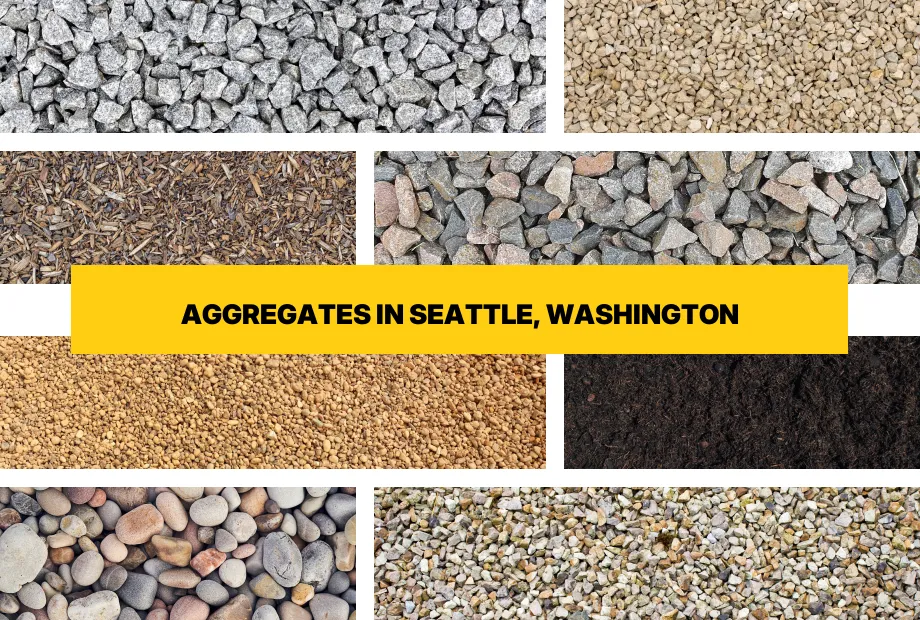
Bulk Aggregate & Gravel Products in Seattle, Washington
Local Topsoil, Dirt, Sand, Rocks and Gravel near me in Seattle, Washington
Shop Aggregates for Delivery in Seattle
Order online for free delivery to any Seattle address.
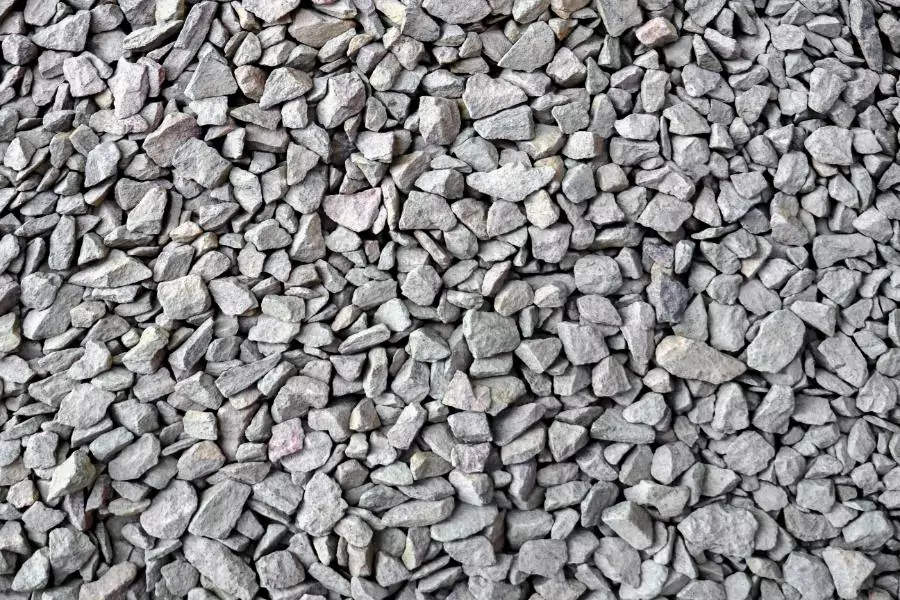
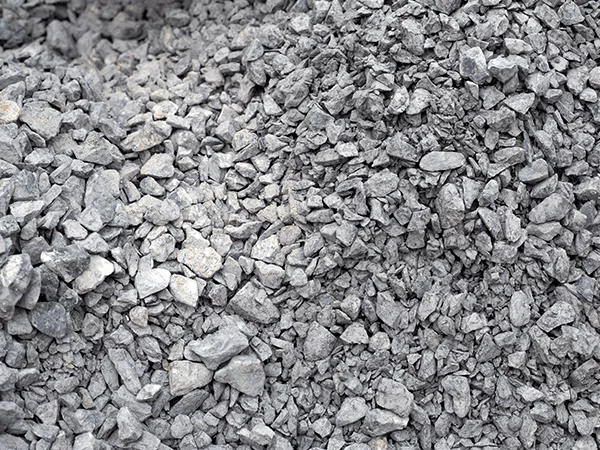


Seattle's mix of rain, urban density, and varied terrain—from the hills of Capitol Hill to the low-lying shores around Elliott Bay—creates real demands for the right aggregates delivered on time. As a reliable local supplier in the Emerald City, we understand how rainfall totals, glacial soils, and neighborhood access shape a project's material needs. This page explains the best choices for driveways, drainage, pathways, and yards across Seattle and its neighborhoods, and shows how professional aggregate delivery keeps projects on schedule.
Whether you're updating a driveway in Ballard, installing a dry creek bed in Magnolia, resurfacing a lane in South Lake Union, or building raised beds in Beacon Hill, the right grades of stone and sand make a measurable difference. Our listings include performance-driven options for construction and aesthetic-focused choices for gardens and public spaces. Read on for detailed guidance on aggregates Seattle homeowners and contractors rely on.
Premium Aggregates Available for Seattle Delivery
Gravel and Crushed Stone Products
Seattle projects that need structural stability or a long-lasting base frequently specify crushed stone and road-grade products. For heavy-duty base layers and subbase work we recommend 3/4 inch Crushed Stone, which compacts well and provides interlock for driveways and foundations. Where a tighter interlocking base is required beneath pavers or asphalt, Road Base is formulated to support heavy loads while resisting washout during Seattle's frequent rain events.
For economical structural fill that also uses reclaimed material, many projects in industrial neighborhoods near Sodo and Georgetown choose Crushed Concrete. Recycled concrete reduces the need for virgin materials while providing a stable, compactable base suitable for service roads and temporary access drives during construction.
Driveway and Pathway Materials
Choosing the right surface aggregate defines how a driveway performs through wet seasons and freeze-thaw cycles. For classic structural driveways in neighborhoods like Fremont and Queen Anne we supply Driveway Gravel blended to shed water while creating a stable, low-maintenance surface that tolerates vehicle traffic. Underneath that wearing surface, installers often place Crusher Run as a compacted base layer; this mix of fines and angular stone locks into a dense layer that holds shape through heavy rain.
For garden paths, patios, or ADA-accessible walkways in areas such as Belltown and University District, Decomposed Granite compacts to a stable, natural-looking surface that remains permeable and attractive. Complementing that, Walkway Gravel offers coarser texture for informal paths and can be paired with edging to hold material in place along slopes found in Capitol Hill and Queen Anne.
Decorative Stone and River Rock
For front-yard curb appeal, rain garden projects, and xeriscape elements common in Magnolia and Green Lake property upgrades, we supply both Pea Gravel and River Rock. Pea gravel provides a smooth, durable surface for play areas and patio infill while still allowing drainage, and river rock adds sculptural texture to beds and water features. These decorative aggregates are chosen for visual harmony with Seattle's native planting palettes and for low maintenance under the city's moderate climate.
Drainage Solutions for Seattle's glacial till and loamy soils
Most of Seattle sits on the Puget Sound lowlands formed by the Vashon glaciation, so soils vary from compacted glacial till on hills to finer alluvial deposits near creeks and the shore. Many yards have clay-rich pockets or silty loams that impede drainage; these conditions require carefully specified aggregates to prevent puddling and erosion during the region's average 37.5 inches of annual rainfall. Effective drainage aggregate selection helps protect foundations and landscape features in neighborhoods from Rainier Valley to Northgate.
For subsurface drainage, we recommend using angular rock that resists compaction and keeps water moving. #57 Stone is a versatile option for French drain trenches and bedding for perforated pipe, and Drain Rock provides larger voids for high-flow applications around retaining walls and garden swales. Combining the right stone size with geotextile fabric prevents fine soils from migrating into the rock and maintains long-term function.
Benefits of Proper Drainage Aggregates
- Reduces hydrostatic pressure behind retaining walls and foundations, lowering moisture intrusion risks in older homes in Pioneer Square and Capitol Hill.
- Prevents surface pooling and reduces erosion on steep lots in West Seattle and Magnolia by directing runoff to legal discharge points.
- Extends the life of walkways and driveways by minimizing freeze-thaw damage and subgrade saturation across the rainy season.
- Supports sustainable stormwater practices by facilitating infiltration and reducing runoff volume into municipal systems.
Soil Products and Fill Materials
Seattle yards and urban projects regularly need soil amendments and structural fills for grading and planting. For creating fertile beds for native plantings or vegetable gardens in neighborhoods like Columbia City and Beacon Hill, we supply screened Topsoil blended for good organic content and drainage. This topsoil is ideal for raised beds and planting mounds where drainage and nutrient availability are priorities under the city's cool, wet springs and dry summers.
For grading, backfill, and raising foundation pads, we deliver quality Fill Dirt that compacts reliably and is free of debris and contaminants. Projects in the U-District and South Lake Union often combine fill dirt with road base in utility trenches and temporary access drives to meet site engineer specifications. When paired with appropriate gravel layers, proper fill prevents long-term settlement in the diverse soils across Seattle.
Where sustainability is important, contractors and homeowners sometimes specify reclaimed aggregates in structural applications. For example, using Crushed Concrete for subbase and temporary access tracks reduces landfill use while meeting loading requirements on many municipal projects. Recycled materials can be particularly useful near industrial zones like Sodo where sustainability goals are combined with cost-sensitive construction.
Sand Products for Every Seattle Application
Fine sands play specific roles in paving, masonry, playgrounds, and bedding applications across Seattle's varied urban landscape. For point-of-use recommendations—such as masonry joints near Waterfront Park or playground surfaces in Magnolia—selecting the correct sand reduces maintenance and improves safety.
Mason Sand is a finely graded sand ideal for mortar mixes and masonry work. When replacing or repairing brickwork on patios and low walls in older neighborhoods like Pioneer Square or Capitol Hill, mason sand helps achieve a consistent mortar mix and joint finish that resists washout during spring rains.
Playground Sand meets safety and compaction characteristics required for public play areas and daycare centers around Green Lake and Ballard. It provides a resilient, soft landing surface while allowing drainage so wet days do not create long-term soggy conditions. Playground Sand is often used in combination with breathable geotextiles to keep the surface clean and stable.
Washed Sand is commonly used as bedding for pavers and as a leveling bed beneath permeable surfaces. The washing process removes fines that could otherwise inhibit drainage—an important attribute in Seattle installations where standing water can promote moss growth. Washed sand is an excellent choice for patios in Rainier Valley where proper drainage extends the life of hardscapes.
| Sand Type | Best Applications | Texture | Common Uses in Seattle |
|---|---|---|---|
| Mason Sand | Masonry mortar, brick joints, stucco | Fine, consistent | Mortar repair in Capitol Hill and Pioneer Square |
| Playground Sand | Play surfaces, soft fall areas | Medium-grain, resilient | Community parks at Green Lake and Magnolia play areas |
| Washed Sand | Bedding for pavers, drainage-enhanced fills | Clean, coarse-fine mix | Permeable patios and paver beds in Ballard and Queen Anne |
Choosing the Right Aggregates for Your Seattle Project
Selecting the correct aggregate for a Seattle job depends on intended use, drainage needs, traffic loads, and local soil conditions. For example, projects in upland areas like Queen Anne require materials that shed water and resist erosion, whereas waterfront properties along Alki Beach need aggregates that tolerate marine-influenced soils and salt spray. The Portland cement and paving choices used throughout the city also affect which base materials and sand types work best for hardscape installations.
Contractors and homeowners often ask whether to choose angular crushed stone or rounded river rock. Angular crushed stone locks together for structural strength, making it a better choice for bases, while rounded rock and pea gravel excel in decorative and low-load applications. For heavy vehicle traffic in mixed-use corridors around South Lake Union, interlocking crushed materials such as 3/4 inch Crushed Stone and Crusher Run are preferred. For planting beds and ornamental uses, River Rock and Pea Gravel provide aesthetic appeal without sacrificing drainage.
| Aggregate Type | Best Applications | Size Range | Drainage Rating | Compaction |
|---|---|---|---|---|
| 3/4 Crushed Stone | Base layers, driveways, foundations | 3/4 inch | Good | High |
| #57 Stone | French drains, concrete backfill | 1/2 to 1 inch | Excellent | Low |
| Crusher Run | Driveway base, parking pads | Mixed 3/4 inch to fines | Moderate | Very High |
| Pea Gravel | Patios, decorative beds | 1/8 to 3/8 inch | Good | Low |
| River Rock | Dry streams, accents | Various 1/2 inch to 4 inch | Excellent | Low |
| Decomposed Granite | Paths, compacted patios | Fine to small chips | Moderate | Medium |
| Road Base | Subbase for roads, heavy use | 0 to 1 inch mix | Good | High |
| Drain Rock | High flow drainage, retaining walls | 1 to 2 inches | Excellent | Very Low |
Climate Considerations for Seattle Aggregates
Seattle averages about 37.5 inches of precipitation annually and experiences summer highs averaging 75°F and winter lows averaging around 36°F. These moderate but persistent precipitation patterns mean that aggregate selection must prioritize drainage and freeze-thaw resilience. Aggregates used in load-bearing applications should minimize fines and maintain permeability, while surfacing materials for patios and walkways need slip resistance and resistance to moss growth in shaded areas like Ravenna and Ballard.
The region's Vashon glaciation produced a patchwork of glacial till, outwash, and alluvial deposits; many hilltop yards have compacted glacial soils with poor infiltration, while valley flats contain finer silty loams. This variability means a soil test and site inspection often guide material choice: coarse drainage stone for silty flats, and engineered bases with proper compaction for glacial till slopes. Seasonal work planning is also important—spring and fall are wet, while mid-summer offers the best window for compaction-sensitive base installations.
Popular Seattle Project Applications
- Driveway rebuilds and resurfacing in Ballard, Queen Anne, and Magnolia
- French drain and foundation drainage installation in Capitol Hill and Beacon Hill
- Permeable patio installations and paver beds in Green Lake and University District
- Playground and park surfacing in Magnolia, Belltown, and community green spaces
Aggregate Delivery Throughout Seattle Metro
We provide scheduled aggregate delivery across Seattle neighborhoods and the greater King County area. Our fleet can handle curbside drops, tight-access deliveries to narrow lots in Belltown and Pioneer Square, and larger roll-off or offload trucks for significant commercial and municipal jobs in South Lake Union and Sodo. Accurate site access details reduce wait times and ensure safer unloading on steep lots in Capitol Hill and north-facing slopes in Magnolia.
Areas We Serve
Our regular delivery routes include downtown Seattle and neighborhoods such as Ballard, Capitol Hill, Fremont, Queen Anne, West Seattle, Beacon Hill, South Lake Union, Green Lake, Belltown, Magnolia, Pioneer Square, Columbia City, Northgate, and the University District. We understand permit rules, street access restrictions, and neighborhood-specific best practices across these districts, which helps projects stay compliant with city regulations and community standards.
Nearby Cities Served
We also deliver reliably to nearby suburbs and cities across the metro area, including Bellevue, Tacoma, Renton, Shoreline, Kirkland, Redmond, Edmonds, and Kent. These delivery routes support residential contractors, municipal crews, and homeowners alike, ensuring timely materials for projects whether in the heart of the Emerald City or in outlying communities.
Frequently Asked Questions About Gravel in Seattle
We supply a broad range of aggregates across Seattle, including 3/4 inch Crushed Stone, #57 Stone, Driveway Gravel, Crusher Run, Road Base, Drain Rock, Decomposed Granite, Pea Gravel, River Rock, and decorative gravels for patios and garden beds. We also deliver sand and soil products for masonry and planting needs.
Delivery policies depend on the order size and delivery location. We offer competitive rates and occasional free delivery promotions for bulk orders. For tight-access locations or deliveries requiring permits, additional fees may apply; contact our team with your project address for an accurate delivery estimate.
A basic guideline is one cubic yard of gravel covers approximately 100 square feet at 3 inches depth. Driveways typically require deeper sections—6 inches of compacted base plus a 2-3 inch wearing surface—so measurements and compaction requirements affect total quantities. Provide your dimensions and intended depth and we can calculate an exact amount.
For drainage, #57 Stone and Drain Rock perform well in Seattle's glacial and silty soils. For structural bases under driveways, choose 3/4 inch Crushed Stone, Road Base, or Crusher Run paired with proper compaction. For decorative or pedestrian areas, Pea Gravel and Decomposed Granite provide permeability while matching Seattle's aesthetic needs.
Yes, we deliver throughout the Seattle metro area and to nearby cities including Bellevue, Tacoma, Renton, Shoreline, Kirkland, Redmond, Edmonds, and Kent. We schedule routes to optimize timely deliveries for both residential and commercial clients.
We offer recycled options such as Crushed Concrete for subbase and utility work, which reduces waste and supports sustainable project goals. Recycled aggregates can be used in many structural applications when specified by engineers or permitted by local jurisdictions.
Get Quality Aggregates Delivered to Your Seattle Property
From small backyard projects in Ravenna to large commercial jobs around Sodo, we supply the right stone, sand, and soil to meet performance and aesthetic goals. Our team knows Seattle neighborhoods, permit nuances, and seasonal constraints, and we coordinate deliveries to minimize disruption. Whether you need #57 Stone for a French drain, Drain Rock for retaining wall weep systems, or the right sand for a paver bed, we can stage materials to match your schedule and site conditions.
For pathway projects in the University District or decorative rock in Belltown plazas, selecting the correct blend of aggregates and sand matters for longevity and appearance. We also support contractors with bulk orders of Road Base, Crusher Run, and other structural aggregates. If sustainability is a priority, reclaimed options such as Crushed Concrete are available for many applications.
Contact our Seattle team to discuss material selection for specific neighborhoods—Ballard roof gardens, Magnolia shoreline features, or Capitol Hill patio installations—and to arrange timely, professional aggregate delivery tailored to Seattle's climate and soils.

Need help? Reach out for a quote: