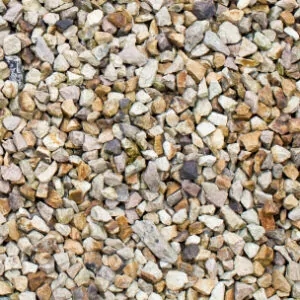
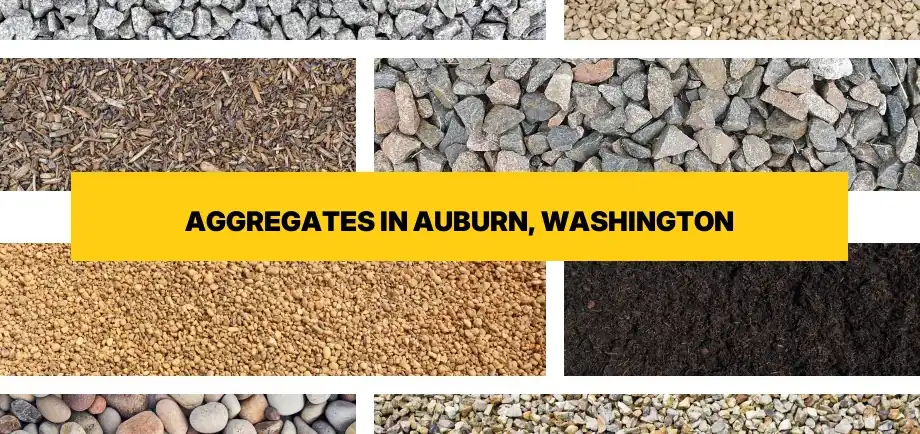
Gravel for Sale in Auburn, Washington
Local Topsoil, Dirt, Sand, Rocks and Gravel near me in Auburn, Washington
Shop Aggregates for Delivery in Auburn
Order online for free delivery to any Auburn address.


Auburn sits in the heart of the Green River Valley where practical, well-selected aggregates make the difference between a failing project and a long-lasting installation. Whether you are resurfacing a driveway in Lea Hill, building a new pathway through Lakeland Hills, or stabilizing a low-lying yard near the White River, our local experience makes specifying and delivering the right materials for Auburn projects straightforward. We specialize in bulk aggregates and sand delivery around Auburn and the broader Puget Sound area, with a focus on reliability and practical advice tailored to the Pacific Northwest climate.
For property owners in Downtown Auburn, West Hill, North Auburn, South Auburn, and neighborhoods around Auburn Station, choosing the correct gravel and aggregate mix is essential to manage water, improve driveability, and create attractive outdoor spaces. The city’s combination of glacial soils, seasonal rainfall, and urban development patterns requires aggregates selected for drainage and compaction. Our local experts can help you evaluate conditions in the Muckleshoot Reservation area, Auburn Mountainview vicinity, and industrial corridors near the Auburn Municipal Airport to recommend materials that perform.
Premium Aggregates Available for Auburn Delivery
Gravel and Crushed Stone Products
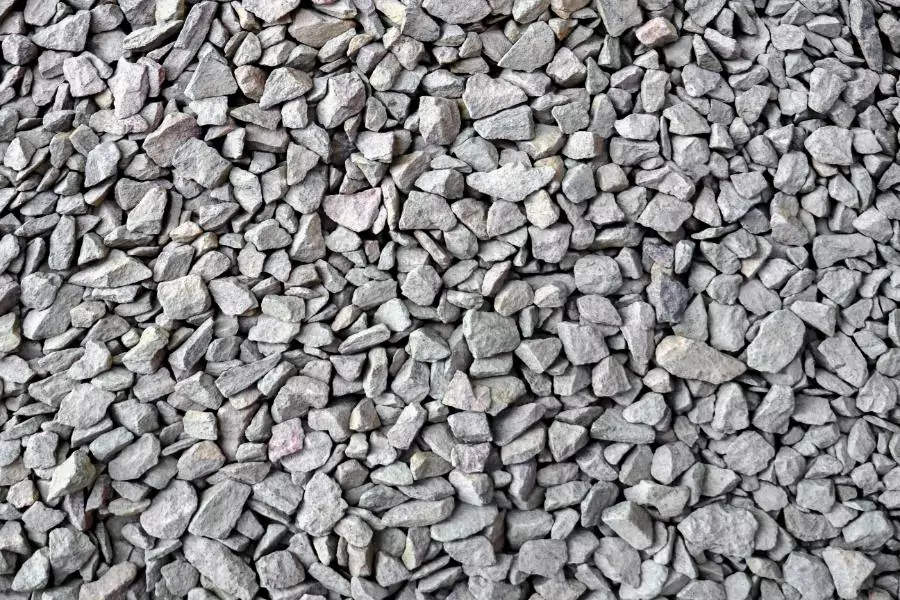
For structural layers and compacted bases in Auburn projects, we frequently recommend 3/4 inch Crushed Stone for its balance of angularity and compaction. This crushed stone is ideal beneath pavers, slabs, and compacted driveway bases where you need stability in soils that range from silty loam to dense glacial till. Road engineers in the Green River Valley often specify 3/4 inch crushed stone where frost heave is a concern due to its ability to shed water while maintaining interlock.
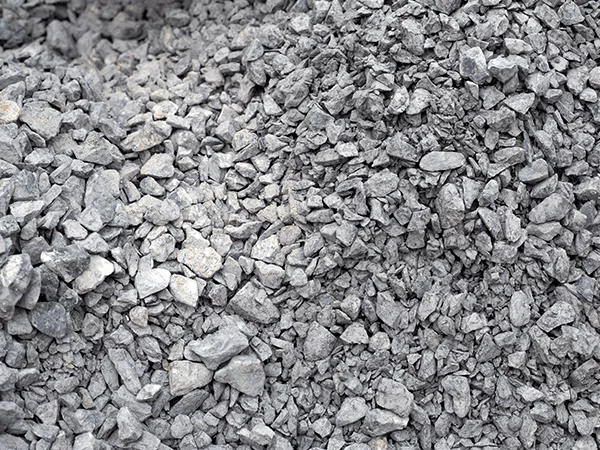
In addition to base rock, our range includes Road Base and Crusher Run, two cost-effective materials used for compactable sub-bases and driveways in Auburn neighborhoods such as Lea Hill and Lakeland Hills. Crusher run combines stone dust and fractured rock to lock together under compaction, which helps stabilize driveways and service lanes near commercial areas and residential properties around Auburn Valley.
Driveway and Pathway Materials
When residents in Downtown Auburn and West Hill ask for long-lasting, low-maintenance surfaces, our Driveway Gravel options are frequently specified for their balance of affordability and performance. Driveway mixes are selected to match local traffic patterns and seasonal rainfall; in areas with steeper grades near North Auburn, a denser mix with good compaction characteristics is preferred.
For more decorative walking surfaces, Decomposed Granite and Walkway Gravel are excellent choices for homeowners around Auburn Mountainview and the neighborhoods adjacent to Soos Creek. Decomposed granite compacts to a firm, natural-feeling surface that's attractive winding through gardens or along park connectors.
Decorative Stone and River Rock
Decorative aggregates are popular in yards and commercial landscapes throughout Auburn’s districts. Low-maintenance beds at the Auburn Golf Course, planter accents in Downtown Auburn, and creekside erosion control near the White River often feature River Rock because its rounded stones create an aesthetic, naturalized look while allowing surface water to flow. For smaller accents and garden pathways in neighborhoods like Lea Hill and Lakeland Hills, Pea Gravel is a go-to product for its soft texture and ease of installation.
For those who want a contemporary look, combining different sizes of river rock and pea gravel can reduce maintenance while improving drainage and plant health in raised beds and riparian restoration areas near the Green River.
Drainage Solutions for Auburn's Alluvial and Glacial Till Soil
Auburn’s soils are a product of glacial action and river deposition; much of the city lies on the Puget Sound Lowland with pockets of alluvial soils and silty loam near the Green and White Rivers. These soils often include compacted glacial till in higher terraces and more silty, clayey alluvium in valley bottoms. Annual rainfall averages about 38 inches, with wet winters and relatively dry summers. Average summer highs in July reach near 82°F, while winter lows in January commonly dip to around 28°F, which moderates freeze-thaw cycles but still necessitates durable drainage solutions.
Because of Auburn’s combination of winter rains and heavy traffic routes, planning drainage with the right aggregates reduces standing water, mitigates erosion, and extends the life of driveways and paths in neighborhoods from North Auburn to the Muckleshoot Reservation areas. Properly sized materials prevent fines from washing into subgrades and help manage runoff into storm systems and natural channels like Soos Creek.
Benefits of Proper Drainage Aggregates
- Reduces standing water and surface erosion on slopes and driveways.
- Prevents fines migration into subgrades, preserving compaction and load-bearing capacity.
- Improves plant health by providing consistent moisture regimes in landscaped beds.
- Enhances longevity of pavements and hardscapes in freeze-thaw cycles.
For subsurface drainage trenches and French drains across Auburn properties — from the industrial lots near the Auburn Municipal Airport to residential backyards in South Auburn — #57 Stone and Drain Rock are commonly chosen. These aggregate sizes offer excellent permeability while resisting clogging when wrapped correctly with filter fabric. In floodplain transition zones near the Green River, specifying a clean gradation like #57 stone dramatically improves water flow while minimizing sediment movement.
Soil Products and Fill Materials
Whether you are building a garden berm in Downtown Auburn or raising a grade for a new structure near Auburn Station, the right soil and fill products are essential. We provide screened Topsoil for planting beds and lawn restorations, formulated for the Pacific Northwest’s temperate conditions. Our topsoil blend is suited for native plants, municipal planting requirements, and soil remediation projects in green spaces around Auburn.
For subgrade and bulk earthwork, Fill Dirt is available to bring grades up quickly before installing lawn, paving, or structural aggregates. Typical projects in neighborhoods like Lakeland Hills and Lea Hill involve combining fill dirt with compactable base materials to ensure stable, long-lasting surfaces under driveways and outbuildings. When paired with appropriate drainage mixes, these soils support robust landscaping and construction outcomes.
Sand Products for Every Auburn Application
Sand selection affects masonry, playground safety, drainage layers, and bedding materials for pavers. Across Auburn’s parks, schoolyards, and private properties, we supply specialty sands that meet local specifications for compaction, drainage, and safety.
Masonry projects and mortar beds in historic areas of Downtown Auburn require a fine, consistent sand. For these needs we supply Mason Sand, which offers a clean, uniform grain ideal for mixing mortar, setting block, and finishing plaster. Its texture helps produce strong bond lines for walls and steps in local building projects.
Play areas across Auburn schools and community centers benefit from our Playground Sand, which meets safety and cleanliness standards for cushioning and drainage. This sand is graded to reduce compaction and provide a resilient surface for playgrounds and splash play areas, including installations near Auburn Mountainview and the regional parks.
For filter beds, concrete mixes, and paver bedding that require low silt content, Washed Sand is the right choice. Washed sand is commonly used in patio projects and commercial hardscapes in Auburn’s wetter microclimates because it minimizes fines that can cause water retention under structures and pavers.
| Sand Type | Best Applications | Texture | Common Uses in Auburn |
|---|---|---|---|
| Mason Sand | Masonry, mortar, plaster | Fine, consistent | Historic restorations and brickwork in Downtown Auburn |
| Playground Sand | Play areas, soft surface beds | Medium, resilient | Schools and parks near Auburn Station and South Auburn |
| Washed Sand | Concrete mixes, paver bedding, filter beds | Clean, coarse-to-medium | Patios and commercial hardscapes across Lea Hill and Lakeland Hills |
Choosing the Right Aggregates for Your Auburn Project
Selecting aggregates in Auburn requires attention to subgrade conditions, expected loads, and moisture regimes. For example, driveways with heavy vehicle use near commercial corridors or agricultural access near the Green River demand denser base materials. In contrast, decorative beds and low-traffic paths in residential yards can use lighter, visually appealing options that still consider drainage and erosion control.
We recommend matching aggregate angularity, gradation, and size to the specific application. In wetter zones near Soos Creek or riparian edges, using clean drainage rock and proper geotextile separation helps preserve the integrity of the landscape and prevents mixing of fines into drainage layers. For compacted structural layers, the interlock of crushed stone and crusher run materials provides the bearing capacity needed for long-term performance.
| Aggregate Type | Best Applications | Size Range | Drainage Rating | Compaction |
|---|---|---|---|---|
| 3/4 Crushed Stone | Bases, paver bedding, driveways | 1/2 to 3/4 inch | Good | High |
| #57 Stone | Drainage trenches, subsurface drains | 1/2 to 1 inch | Excellent | Low |
| Crusher Run | Driveway sub-base, parking pads | 0 to 3/4 inch (mixed fines) | Fair | Very High |
| Pea Gravel | Decorative beds, walkways | 3/8 inch | Poor | Low |
| River Rock | Dry creek beds, accents, erosion control | 1 to 3 inch (various) | Very Good | Low |
| Decomposed Granite | Paths, garden edging | Fine to 3/8 inch | Fair | Medium |
| Road Base | Roads, long-term driveways | 3/8 to 1 inch (graded) | Good | High |
| Drain Rock | French drains, culverts | 3/4 to 2 inch | Excellent | Low |
Climate Considerations for Auburn Aggregates
Auburn experiences a Mediterranean-influenced climate with wet winters and dry summers. Average annual precipitation is approximately 38 inches, concentrated from November through March. In late fall and winter, prolonged wet periods require aggregates with excellent drainage properties, particularly for driveways and patios. Conversely, summer heat and drought stress mean that topsoil mixes and planted areas benefit from organic-rich topsoil blends that retain moisture.
Because freeze-thaw cycles are relatively mild — with winter lows near 28°F — aggregates do not face extreme frost heave in most urban locations, but proper installation and subgrade preparation are still necessary to prevent settling. Layers of crusher run or road base beneath pavers help buffer temperature swings and provide stable support.
Popular Auburn Project Applications
- Driveway stabilization and resurfacing across Downtown Auburn and residential corridors.
- French drains and subsurface drainage in Green River floodplain transition areas.
- Decorative river rock beds and low-maintenance landscapes in Lakeland Hills and Lea Hill yards.
- Playground and recreational sand surfacing at parks near Auburn Station and South Auburn.
- Commercial pad and access maintenance around the Auburn Municipal Airport and industrial zones.
Aggregate Delivery Throughout Auburn Metro
We provide reliable aggregate delivery across the Auburn metro area, from rural parcels on the edges of the Muckleshoot Reservation to tight residential driveways in Downtown Auburn. Our delivery fleet is familiar with local permitting rules, narrow lanes in older neighborhoods, and staging challenges near parks and schools. For larger earthwork jobs in Lakeland Hills or road repairs in West Hill, we coordinate with contractors and project managers to schedule off-loading and minimize site disruption.
Areas We Serve
Within Auburn we regularly deliver to Downtown Auburn, Lea Hill, Lakeland Hills, West Hill, North Auburn, South Auburn, Auburn Station areas, Auburn Valley, the Muckleshoot Reservation, neighborhoods adjacent to the White River, and properties near the Auburn Municipal Airport. Our familiarity with neighborhood-specific soil conditions and microclimates ensures you get practical recommendations for aggregates and sand that perform across the city.
Nearby Cities Served
In addition to Auburn, we provide aggregate delivery and support to nearby cities such as Kent, Renton, Federal Way, Puyallup, Tacoma, Sumner, Enumclaw, and Seattle suburbs to the north. This regional coverage ensures consistency in product and pricing whether you are renovating a home in Kent or stabilizing an access road near Sumner.
Frequently Asked Questions About Gravel in Auburn
We deliver a full range of aggregates in Auburn including structural materials like 3/4 inch crushed stone and crusher run, drainage products such as #57 stone and drain rock, decorative options like pea gravel and river rock, and specialty products including decomposed granite, road base, crushed concrete, as well as sands and soils for planting and playgrounds.
Delivery policies depend on order size, location, and access. While some bulk orders within Auburn city limits may qualify for free delivery promotions, standard delivery charges typically apply for small loads or sites requiring special handling. We can provide a transparent delivery estimate based on your address in neighborhoods such as Lea Hill, Lakeland Hills, or Downtown Auburn.
Calculate cubic yards by multiplying area (square feet) by depth (feet) and dividing by 27. Typical depths are 2 to 3 inches for decorative beds, 3 to 4 inches for walkways, and 4 to 6 inches for driveways. Our team can convert those measurements into tons for common aggregates like driveway gravel and crusher run when advising projects in North Auburn or the Auburn Valley.
For Auburn’s mix of glacial till and alluvial soils, compactable base materials such as 3/4 inch crushed stone and crusher run are often best for driveways and pads. For drainage in wetter areas near the White and Green Rivers, #57 stone and drain rock are recommended to maintain subsurface flow and prevent saturation of the subgrade.
Yes, we serve Kent, Renton, Federal Way, Puyallup, Sumner, Enumclaw, Tacoma, and other nearby communities. Our fleet is experienced delivering to suburban yards, commercial sites, and constrained urban lots across the Puget Sound region.
We offer options like Crushed Concrete as a recycled aggregate for sustainable projects. Crushed concrete is ideal for sub-bases, temporary access roads, and applications where reclaimed material meets structural needs while reducing environmental impact.
Get Quality Aggregates Delivered to Your Auburn Property
Selecting the right aggregates for Auburn requires local knowledge of soils, rainfall patterns, and typical project loads. Whether your work is in Downtown Auburn, on a residential street in Lakeland Hills, or along industrial corridors by Auburn Municipal Airport, we provide product choices that address drainage, compaction, and appearance.
For decorative stone options that reduce maintenance and elevate curb appeal in neighborhoods like West Hill and Lea Hill, consider mixes that pair river rock with planting beds and edging. For structural needs, combining crusher run over a compacted layer of road base provides excellent stability. If you are installing French drains or repairing a soggy yard near the Green River, use #57 Stone or drain rock to maximize flow and minimize clogging.
When preparing landscaping and planting beds, top dressing with our Topsoil improves moisture retention and root growth, while Fill Dirt helps raise grades and correct low areas. For walkways that need a firm but natural surface in garden settings, Decomposed Granite and Walkway Gravel are both excellent choices.
We serve Auburn and the surrounding Puget Sound communities with professional delivery and product expertise, ensuring your project uses the right aggregates for long-term performance across the local climate and geologic conditions.

Need help? Reach out for a quote: