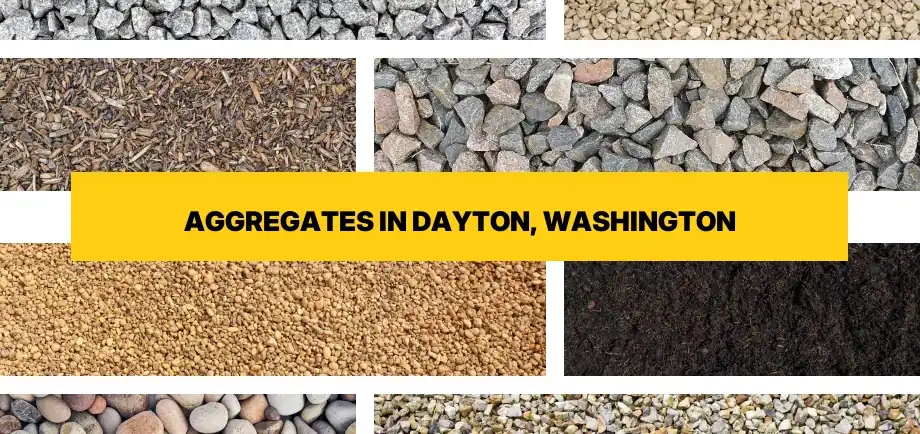
Bulk Aggregate & Gravel Products in Dayton, Washington
Local Topsoil, Dirt, Sand, Rocks and Gravel near me in Dayton, Washington
Shop Aggregates for Delivery in Dayton
Order online for free delivery to any Dayton address.


Serving Dayton, WA—known locally as the Gateway to the Blue Mountains—our gravel delivery and aggregate services support residential, agricultural, and commercial projects across the Palouse and Columbia County. Whether you're rebuilding a rural driveway outside the Main Street Historic District or installing a decorative garden bed along the Tucannon River valley, choosing the right aggregate affects longevity, drainage, and maintenance in Dayton's unique climate and geology.
Buy Materials by Type in Dayton
Every material we deliver in Dayton, with coverage, sizing and ordering details for each one.
Dayton sits at the intersection of rolling Palouse loess hills and the Blue Mountains foothills, which means soils range from fertile loam and silt to clay-rich patches and legacy colluvial deposits. Our team understands how local soil types, average rainfall, and seasonal freeze-thaw cycles influence aggregate selection and delivery logistics, and we tailor recommendations for neighborhoods such as Downtown Dayton, Riverside, Columbia Hills, and the Main Street Corridor.
Premium Aggregates Available for Dayton Delivery
Gravel and Crushed Stone Products
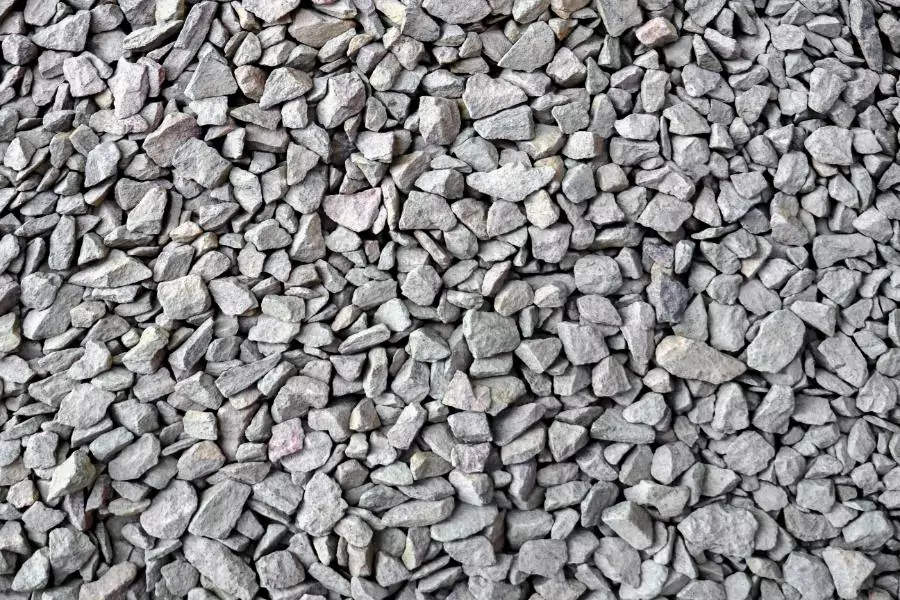
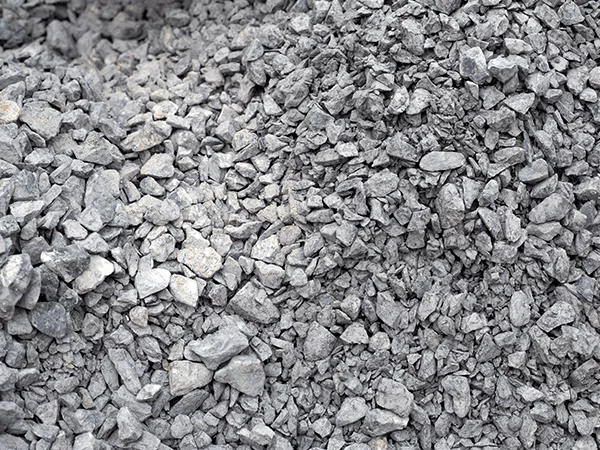
Our catalog includes structural and finished aggregates appropriate for load-bearing bases, drainage solutions, and decorative surfacing. For projects requiring a stable foundational layer under paving or asphalt in Dayton's occasionally frost-affected winters, we commonly recommend 3/4 inch Crushed Stone as a primary base because it compacts well and provides a strong interlock for subsequent layers. Roadways and heavier drive approaches often benefit from Road Base, which combines several sizes of rock to create a resilient, compactable layer that resists rutting during spring thaw.
For lighter base applications or projects prioritizing recycled materials, Crushed Concrete is an eco-friendly option that reduces quarry demand while delivering excellent structural performance. When you need a highly compactable intermediate layer beneath paving or larger gravel surfaces, Crusher Run offers a mixture of fines and angular stone that binds together under compaction—useful on rural properties in the Dayton Heights and Elm Street areas where heavy equipment crosses regularly.
Driveway and Pathway Materials
Driveways across Dayton—from properties along Columbia River Bluff to farm entrances near Spring Creek—require different specifications depending on traffic, slope, and soil. For the wearing surface on a low-traffic residential drive, Driveway Gravel gives a balance of traction and affordability, while more structural builds will layer 3/4 inch Crushed Stone or Road Base beneath compacted crusher run. For pedestrian walkways, Walkway Gravel provides a smooth, stable finish that works well in the Historic Downtown Dayton district and residential blocks near Sager Park.
Paths and patios in the Blue Creek and Riverside neighborhoods often use Decomposed Granite for a refined, natural surface that binds under light compaction and performs well with Dayton's average summer highs and mild winters. Decomposed granite accepts edging and integrates with native plantings common to the Palouse hillscape.
Decorative Stone and River Rock
Decorative aggregates transform yards and entrances in neighborhoods like the Main Street Corridor and Columbia Hills. For soft, rounded accents in garden beds, we recommend Pea Gravel, which offers a comfortable walking surface and good drainage for raised planter beds. Larger polished accents, rip-rap borders, and dry creek installations use River Rock to create naturalistic features that reflect the local Tucannon and Walla Walla waterways.
Whether defining a xeric garden near the Palouse ridge or installing a decorative apron around a heritage home in Downtown Dayton, these decorative stones require correct sub-base preparation—our delivery and advice ensure the decorative layer performs in Dayton's seasonal precipitation and occasional wind-driven soil movement.
Drainage Solutions for Dayton's loess and clay soils
Dayton's soils are strongly influenced by Palouse loess deposits—windblown silt that creates fertile but erosion-prone slopes—and pockets of heavier clay and colluvium near the river valleys. Average annual rainfall in Dayton is approximately 18.5 inches, with warm dry summers seeing highs around 90 to 95 degrees Fahrenheit and cold winters with lows near 16 to 22 degrees Fahrenheit. These conditions mean surface runoff during spring rains and occasional freeze-thaw cycles can stress poorly drained installations.
Proper drainage aggregate selection is critical across suburban pockets like Riverside and rural parcels around Starbuck and Prescott. Using coarse, clean stone in drainage trenches and around downspouts prevents clogging and reduces long-term maintenance. Our delivery options include specialized sizes and washed products to keep water moving and foundations dry.
Benefits of Proper Drainage Aggregates
- Prevents pooling and basement seepage by improving subsurface flow
- Reduces frost heave risk by allowing water to escape from soil layers
- Extends life of paved surfaces by minimizing saturation under base layers
- Requires less maintenance over time compared with soil-only systems
For French drains, foundation backfill, and roadside swales in Dayton and nearby Touchet, we recommend #57 Stone for its uniform size and permeability. In larger trench applications where higher flow is expected, Drain Rock provides a coarse medium that facilitates rapid movement of water away from structures and reduces hydrostatic pressure on retaining walls.
Soil Products and Fill Materials
Site prep and landscaping in Dayton often require soil amendments, grading, and bulk fills before aggregate installation. For top dressing lawns, raised beds along Main Street, or planting screens near the Columbia River Bluff, our Topsoil is screened and blended to provide good organic content and texture for seed establishment. When adjusting elevations or setting foundation pads on rural parcels outside Dayton municipal limits, Fill Dirt is available for compaction and bulk earthwork.
Beyond planting and grading, we offer recycled base alternatives like Crushed Concrete, which is particularly useful for low-cost road maintenance, temporary access pads for farm equipment, and environmentally minded clients in the Blue Mountains corridor. Using material that reuses concrete waste helps lower embodied carbon while delivering a cost-effective, durable base product for many Dayton applications.
Sand Products for Every Dayton Application
Sand plays an important role in masonry, playgrounds, bedding, and precise leveling tasks across Dayton's residential and municipal projects. Our sand choices suit local builders working in the Historic Downtown area, homeowners renovating patios in Riverside, and school districts installing safe play surfaces near the Dayton Elementary campus.
Mason sand is the preferred fine aggregate for mortar mixes and masonry setting beds where consistent grain size and cleanliness are essential; use Mason Sand when laying brick or repairing chimneys in Dayton's older neighborhoods. Its fine texture and controlled grading make it ideal for consistent mortar joints and setting pavers.
Playground sand must prioritize safety and drainage while meeting local regulations for public spaces. For schoolyards, parks, and residential play areas close to Sager Park, our Playground Sand is sifted to remove sharp particles and is clean enough to reduce dust and provide a soft landing surface under swings and slides.
For applications requiring low silt content and high permeability—such as bedding for pavers and drainage trenches—we supply Washed Sand, which removes fines that can cause settling and waterlogging. Washed sand is commonly used in patio installations and playground bases in Dayton's neighborhoods with higher clay content, where extra care is needed to avoid pore clogging.
| Aggregate Type | Best Applications | Size Range | Drainage Rating | Compaction |
|---|---|---|---|---|
| 3/4 Crushed Stone | Base layers under pavement, driveways | 3/4 inch | Medium | High |
| #57 Stone | French drains, trench backfill, permeable surfaces | 1/2 to 1 inch | High | Low |
| Crusher Run | Intermediate base, drive approaches | Fines to 3/4 inch | Low | Very High |
| Pea Gravel | Play areas, decorative beds, walkways | 3/8 to 1/4 inch | Medium | Low |
| River Rock | Dry creek beds, accents, erosion control | 1 to 6 inches | High | Very Low |
| Decomposed Granite | Paths, patios, compacted natural finish | Fine to 3/8 inch | Medium | Medium |
| Road Base | Roads, parking areas, heavy-duty bases | Mixed sizes | Medium | High |
| Drain Rock | Trenches, retaining wall backfill | 1 to 2 inches | Very High | Very Low |
| Sand Type | Best Applications | Texture | Common Uses in Dayton |
|---|---|---|---|
| Mason Sand | Masonry, mortar mixes, bedding | Fine, uniform | Chimney repointing, brickwork in Downtown Dayton |
| Playground Sand | Play areas, splash pads | Soft, sifted | School yards and parks near Sager Park |
| Washed Sand | Paver bedding, drainage, filtration | Clean, coarse to fine | Paver patios and drainage trenches in Riverside |
Choosing the Right Aggregates for Your Dayton Project
Selecting the right aggregate for a project in Dayton means evaluating traffic load, drainage needs, slope, freeze-thaw risk, and soil interaction. Aggregates perform differently on loess and clay substrates typical of the Palouse; for instance, clay-rich patches near river terraces can retain moisture and cause frost heave unless a proper base and drainage are provided. For homeowners in the Columbia Hills or commercial properties near the Main Street Corridor, we analyze site conditions and recommend combinations like 3/4 inch crushed stone under crusher run with a wearing course of driveway gravel for long-term performance.
We also consider local microclimates: properties on north-facing slopes receive less winter sun and can retain moisture longer, influencing the choice of permeable aggregates and the need for thicker drainage layers. Conversely, sun-exposed southern slopes around the Blue Creek area dry faster and can tolerate slightly different finishes. Our delivery and installation guidance reflect these nuances so your aggregate selection matches Dayton's climate-driven performance needs.
| Aggregate Type | Recommended Layer | Typical Depth | Best Soil Match | Notes |
|---|---|---|---|---|
| 3/4 Crushed Stone | Base | 4 to 8 inches | Loam, sandy loam | High strength, good for frost-prone areas |
| Road Base | Subbase | 6 to 12 inches | Clay and loess | Use with good compaction |
| Crusher Run | Intermediate | 3 to 6 inches | All soils | Excellent compaction |
| Pea Gravel | Surface | 1 to 2 inches | Well-drained sites | Decorative, not structural |
| Decomposed Granite | Surface | 1 to 3 inches | Light loess and slopes | Compacts to natural finish |
Climate Considerations for Dayton Aggregates
Dayton experiences warm dry summers with typical highs in the 80s to mid 90s and winters where overnight lows commonly fall between 16 and 22 degrees Fahrenheit. Average annual precipitation is about 18.5 inches, concentrated in late fall through spring. These climatic patterns mean that surface water runoff during spring rains and occasional late snowmelt must be managed. Aggregates with good permeability like #57 stone and drain rock are essential in drainage corridors, while compactable mixes such as crusher run are better suited to areas where freeze-thaw cycles could otherwise cause movement.
For frost-susceptible sites on north-facing slopes in Dayton or shaded valleys near the Tucannon River, increase base thickness and specify well-draining materials. For drought-prone summer months, decorative aggregates such as river rock and pea gravel reduce watering needs and complement native Palouse plantings, contributing to resilient, water-wise yards.
Popular Dayton Project Applications
Common applications across the Dayton metro include driveway rebuilds on rural properties, erosion-control rock installations along creek banks, decorative courtyard resurfacing in the Downtown Dayton area, and municipal improvements such as school playground bases and low-volume access roads. Homeowners in Riverside and Columbia Hills often combine topsoil delivery with decorative stone to create low-maintenance drought-tolerant landscapes, while agricultural clients near Pomeroy and Waitsburg order bulk aggregates for farm roads and equipment pads.
Aggregate Delivery Throughout Dayton Metro
We handle deliveries across Dayton proper and the surrounding Palouse region with equipment sized for narrow downtown streets, rural driveways, and farm gates. Our drivers understand local access constraints—like low-clearance bridges near Riverside and narrow lanes in the Main Street Historic District—and coordinate offloading to minimize disruption. Delivery timeframes consider seasonal variability: spring and early summer are busy with road work and landscape projects, while late summer and fall can be ideal for driveway resurfacing when soils are stable and dryer.
Areas We Serve
We deliver to neighborhoods and communities within and around Dayton including Downtown Dayton, the Main Street Corridor, Riverside, Columbia Hills, Dayton Heights, Elm Street, Sager Park area, Blue Creek, Tucannon River Valley, Spring Creek, and adjacent rural routes. We also serve properties near landmarks such as the Dayton Historic Depot and the Columbia River bluff neighborhoods, providing tailored advice for each microclimate and soil condition in these areas.
Nearby Cities Served
Beyond Dayton we provide aggregate delivery to nearby cities and towns including Walla Walla, Waitsburg, Pomeroy, Starbuck, Prescott, Touchet, Milton-Freewater (OR), and Tri-Cities for larger commercial orders. This regional coverage ensures consistent product availability whether your project is in the city center or on agricultural land several miles from Dayton.
Frequently Asked Questions About Gravel in Dayton
We deliver a full range of aggregates to Dayton including driveway gravel, 3/4 inch crushed stone, #57 stone, crusher run, pea gravel, river rock, drain rock, decomposed granite, and specialty sands and soils.
Delivery pricing depends on load size, distance, and access. Smaller orders may incur a delivery fee, while larger bulk aggregates and frequent commercial customers often qualify for reduced or complimentary delivery within certain Dayton metro zones. We provide transparent delivery estimates up front and can arrange timed deliveries for constrained sites in Downtown Dayton and narrow rural lanes.
To estimate gravel needed, measure the area length and width and choose depth in inches; convert cubic feet to cubic yards by dividing by 27. For example, a 10 by 20 foot area at 3 inches depth equals 50 cubic feet or about 1.85 cubic yards. We can also provide calculators and assist with precise estimates for projects in neighborhoods like Columbia Hills or near Sager Park.
For Dayton's loess-dominated soils, crushed stone and compactable road base work well for structural support, while #57 Stone and drain rock are ideal where drainage is the priority. Decorative options like river rock and pea gravel complement dry summer planting schemes and reduce irrigation needs.
Yes. We deliver throughout Columbia County and the broader Palouse region, including Walla Walla, Waitsburg, Pomeroy, Starbuck, Prescott, and Touchet. Our logistics team plans routes to serve both downtown projects and remote rural addresses efficiently.
We offer recycled materials such as crushed concrete, which reduces demand on virgin aggregate resources and is an effective solution for subbase and access roads. Using recycled aggregate is a smart choice for sustainability-minded projects across Dayton and surrounding communities.
Get Quality Aggregates Delivered to Your Dayton Property
Whether you are renovating a courtyard in Downtown Dayton, stabilizing a long driveway on a farm road near Pomeroy, or designing a low-water landscape for a Columbia Hills home, our range of aggregates, sands, and soils are available for timely delivery across the Dayton metro. We combine local knowledge of Palouse soils, weather patterns, and seasonal constraints with product recommendations—like Washed Sand alternatives available regionally—to ensure your installation performs under Dayton's climatic conditions.
Contact us for project-specific guidance on material selection, delivery scheduling, and application best practices tailored to Dayton neighborhoods such as Riverside, Main Street Corridor, and the Tucannon River valley.

Need help? Reach out for a quote: