Rock & Driveway Gravel in Hay, Washington
Local Topsoil, Dirt, Sand, Rocks and Gravel near me in Hay, Washington
Shop Aggregates for Delivery in Hay
Order online for free delivery to any Hay address.


For property owners, contractors, and farmsteads in Hay, WA, dependable aggregate supply is essential to keep local roads, driveways, paths, and drainage systems performing year after year. Hay sits in the heart of the Palouse, often referred to locally as Palouse Country, where rolling hills of wheat and the influence of Washington State University in Pullman shape both rural and residential projects. Whether you are restoring a gravel driveway outside of downtown Hay or specifying materials for a new farm lane, understanding the right aggregate for soil, slope and weather will save time and money.
Our Hay delivery hub stocks a wide range of aggregates and sands tailored to the climate and soils across Hay, the nearby farm communities and the surrounding Whitman County neighborhoods. We work regularly with landowners in areas like the historic Palouse town center, near Steptoe Butte vistas, around Pullman Research Park, and in neighborhoods stretching toward Colfax and Oakesdale. This page outlines the best products for common Hay projects, local climate and geology considerations, delivery coverage and frequently asked questions so you can plan with confidence.
Premium Aggregates Available for Hay Delivery
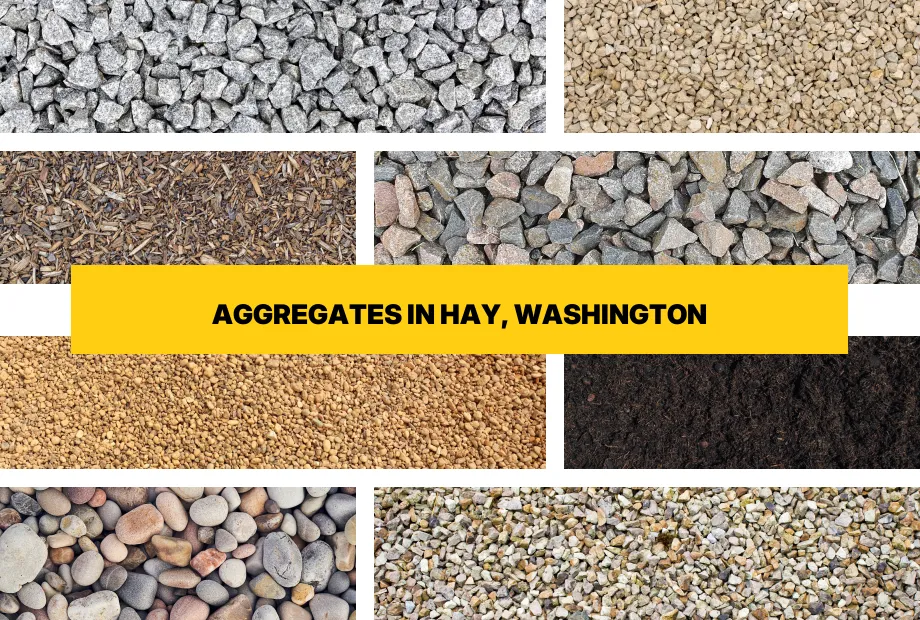
Gravel and Crushed Stone Products
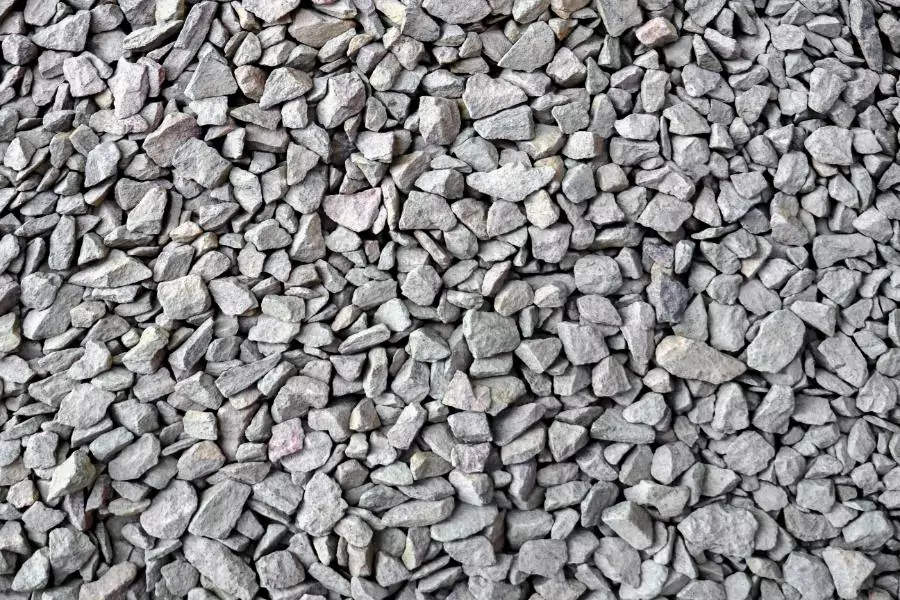
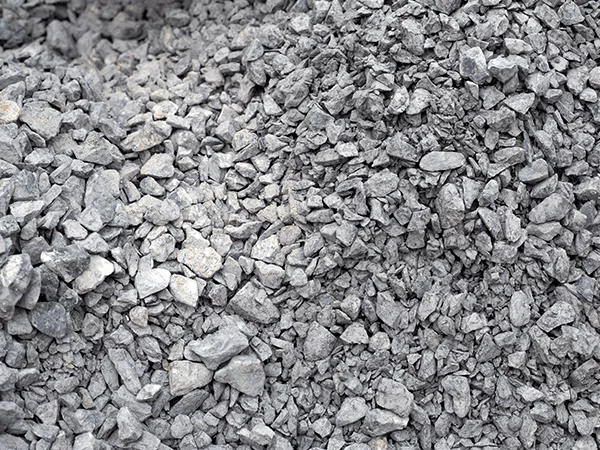
Hay's combination of loess soils, occasional clay pockets, and seasonal freeze-thaw activity means structural strength at the base of any paved or unpaved surface matters. For reliable compaction and long-term stability we recommend 3/4 inch crushed stone for base layers where load-bearing strength is required. When building driveways or heavier access roads near properties in the Hay plateau, our 3/4 inch Crushed Stone offers angular particles that interlock for superior compaction and load distribution across wet springs and cold winters.
Where a filter layer or top dressing is needed, #57 stone is commonly used around drains and under gabions due to its uniform size and excellent drainage. For perimeter trenches and French drains outside the main town area we recommend #57 Stone to help channel subsurface water away from foundations and road edges.
Driveway and Pathway Materials
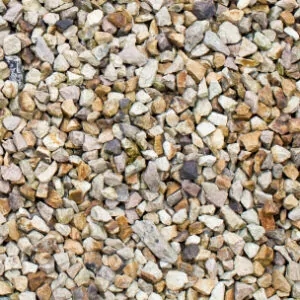
Building or repairing driveways in Hay calls for materials that balance compaction, drainage, and surface stability. A layered approach using a compactable base such as Crusher Run followed by a durable wearing course like Driveway Gravel delivers the best long-term performance for farm driveways, private lanes, or residential access roads near Washington State University corridors and local neighborhoods.
For pedestrian routes, garden paths, and low-maintenance walkways in Hay's drier summer months, Walkway Gravel combines aesthetics with a comfortable walking surface. For more formal paths and patios in historic districts or near the Palouse Falls viewing areas, we also stock Decomposed Granite, which compacts to a hard but permeable surface that matches the regional palette and blends with local stone.
Decorative Stone and River Rock
Landscaping projects around homes in the Sunnyside and Lincoln Street areas of Pullman, or properties outside Hay toward the Snake River corridor, often use decorative gravels and river rock to control erosion and add visual interest. Pea Gravel is popular for patios and play areas because it provides a soft, rounded finish and drains well during spring rains. For accent beds, dry creek features and heavy-duty erosion control where larger stone is necessary, River Rock in various sizes offers a natural look that suits the Palouse aesthetic and holds up under seasonal flows.
These decorative stones are often used in tandem with structural aggregates to create long-lasting landscapes that respect Hay's climate — hotter, drier summers that still receive about 18 inches of average annual rainfall and winters that can dip into the teens Fahrenheit at night.
Drainage Solutions for Hay's Loess and Clay Soil
Hay and the greater Palouse are characterized by loess-deposited soils—fine, windblown silts and loams that can be highly productive for agriculture but present special drainage challenges for construction. Clay lenses are common in low-lying draws, and compacted surfaces without appropriate subdrains frequently suffer from water pooling and frost heave. Selecting the right drainage aggregates reduces hydrostatic pressure at foundations, preserves road bases, and prevents sediment migration in seasonal runoff.
Benefits of Proper Drainage Aggregates
- Improved surface water runoff control to prevent ponding and erosion on slopes around Steptoe Butte and Palouse hills.
- Reduced frost heave risk for driveways and farm lanes by promoting fast subsurface drainage during spring thaw.
- Protection of foundation footings and septic fields by channeling water away from structures and dispersing flow.
- Lower maintenance and longer lifespan for gravel roads in rural Hay neighborhoods and access roads toward Colfax.
For standing water and perimeter drains we stock larger aggregates designed to keep pores open under load. Use Drain Rock in trenches and under drain tiles to prevent clogging with silty loess. For filter layers, the consistency of #57 stone makes it an ideal choice where granular filtration and drainage must coexist, especially near older properties in Palouse and downtown Pullman.
Soil Products and Fill Materials
Earthwork in Hay requires materials that match local grading needs and planting requirements. When reshaping driveways, raising grade for foundations, or prepping planting beds in neighborhoods from West Pullman toward Oakesdale, having the correct soil and fill is critical. We supply screened Topsoil that is blended to support turf, shrub and tree establishment across the Palouse climate and to improve drainage in garden beds containing heavy silts.
For subgrade fill where structural stability is required, our Fill Dirt is a compactable option used to regrade lanes, fill low spots, and build up areas for outbuildings or farm equipment pads. Fill dirt can be placed and compacted to avoid future settling and is commonly used in tandem with road base beneath driveways and parking pads in rural Hay properties.
We also offer recycled options when an eco-conscious approach is desired. Using Crushed Concrete as a subbase reduces virgin aggregate consumption and often meets local road authority specifications for rural access roads or temporary construction pads. Recycled concrete is particularly useful near farmyards and industrial lots where cost-effective, well-draining backfill is needed.
Sand Products for Every Hay Application
Sand is as essential to building and play areas in Hay as aggregate. The choice between fine, angular and washed sands affects mortar mixes, playground safety surfaces, bedding for pavers and filtration systems. Below we break down the sand types most commonly used in Hay projects.
Masonry and joint work calls for a clean, consistent sand to ensure strong mortar beds and proper joint setting. For brickwork, block laying, and thin-set applications we provide Mason Sand, which is finely graded and free of large particles that can weaken mortar joints. Mason sand's texture helps the mortar cure evenly in Hay's temperate summers and cold winters.
Play areas around schools, parks and community centers in rural Hay and nearby Pullman need a safe, impact-absorbing surface. For those applications our Playground Sand is screened to remove sharp fragments and provide a smooth, comfortable finish that drains reasonably well during spring rains and is less likely to compact into a hard surface.
When filtration and drainage are critical, such as under permeable paver systems or in certain septic drain fields, Washed Sand is the go-to product. Washed sand reduces fines that can migrate into drainage layers in Hay's silty soils and helps maintain pore space for long-term water movement.
| Sand Type | Best Applications | Texture | Common Uses in Hay |
|---|---|---|---|
| Mason Sand | Mortar mixes, block laying, bricks | Fine, uniform | Chimney and foundation repairs in historic Pullman neighborhoods |
| Playground Sand | Play areas, safety surfacing | Soft, rounded | Schoolyards and private play areas across Hay and Palouse |
| Washed Sand | Filtration, bedding, permeable pavers | Cleansed of fines, angular to rounded | Permeable driveways and septic trenches in Whitman County |
Choosing the Right Aggregates for Your Hay Project
Selecting aggregates in Hay requires a careful look at intended use, traffic loads, slope, and underlying soils. Structural components like road base and crusher run form the backbone of any durable surface, whereas decorative gravels and river rock are chosen more for aesthetics and erosion control. Below is a comparison to help determine which materials are appropriate for common scenarios found around Hay proper and surrounding communities.
| Aggregate Type | Best Applications | Size Range | Drainage Rating | Compaction |
|---|---|---|---|---|
| 3/4 Crushed Stone | Base for driveways, patios, foundations | 3/4 inch | Moderate | High |
| #57 Stone | Drainage, permeable surfaces, subbase | About 1/2 to 1 inch | High | Low |
| Crusher Run | Subbase under driveways and roads | Mixed sizes to dust | Moderate | Very High |
| Pea Gravel | Patios, play areas, decorative beds | 3/8 inch rounded | High | Low |
| River Rock | Erosion control, dry creek beds | 1 to 6 inches | Very High | Very Low |
| Decomposed Granite | Paths, compacted patios, xeriscape | Fine to small granules | Moderate | Medium |
| Road Base | Public roads, farm lanes, heavy access | Varied crushed sizes | Moderate | High |
| Drain Rock | French drains, foundation perimeter | 1 to 2 inches | Very High | Low |
Climate Considerations for Hay Aggregates
Hay's climate is representative of the Palouse and inland northwest: average annual rainfall is roughly 18 inches, summer highs commonly reach the mid-80s Fahrenheit while winter lows can dip into the mid-teens Fahrenheit on still nights. These conditions mean seasonal wetting and drying cycles plus freezing and thawing during winter. As a result, permeable layers and correct subbase compaction are essential to combat frost heave and post-winter rutting. Aggregates with angular particles such as 3/4 inch crushed stone and crusher run hold up well when properly compacted, while larger, open-graded materials like drain rock and #57 stone provide essential pathways for water to escape from subgrades.
Popular Hay Project Applications
- Residential and farm driveways near Pullman Research Park and the university corridor that require durable bases and wearing courses.
- French drains and perimeter drainage systems for older homes in the Palouse town center and historic districts.
- Paths and patios using decomposed granite or pea gravel for low-maintenance outdoor living areas overlooking the rolling hills.
- Erosion control for creek crossings and slopes near Steptoe Butte and riparian corridors.
Aggregate Delivery Throughout Hay Metro
We deliver bulk aggregates across Hay, supporting projects from small home improvements to large agricultural access roads. Our trucks reach properties across municipal and rural routes, working with property owners in the Hay limits and out toward nearby towns. Delivery scheduling accounts for farm traffic patterns, seasonal weather, and local access constraints to keep your project on time.
Areas We Serve
Delivery is available across Hay and into adjacent neighborhoods and districts including the Palouse town center, downtown Pullman, Sunnyside and the Washington State University corridors. We frequently deliver to properties around Steptoe Butte State Park access roads, the Pullman Research Park industrial area, and residential streets such as Main Street and Lincoln Street. Rural service reaches lanes and homesteads toward Colfax, Oakesdale, Lamont and the rolling fields of Garfield and Palouse communities.
Nearby Cities Served
In addition to Hay itself, our delivery network commonly reaches Pullman, Colfax, Tekoa, Colton, St. John, Oakesdale, Palouse, LaCrosse, and surrounding Whitman County communities. For many projects we coordinate multi-drop deliveries when customers in the same area are scheduling materials, helping reduce cost and truck traffic on narrow rural roads.
Frequently Asked Questions About Gravel in Hay
We deliver a comprehensive selection including structural materials and decorative gravels: 3/4 inch crushed stone, #57 stone, crusher run, road base, driveway gravel, pea gravel, river rock, decomposed granite, drain rock, and crushed concrete among other options tailored to Hay's soil conditions.
Delivery terms depend on order size, distance, and site accessibility. Larger bulk orders often qualify for free delivery within our standard service area, while smaller loads may incur a delivery fee. We provide transparent estimates and a delivery schedule based on your property location in Hay or nearby suburbs.
A standard way to estimate is to multiply the area (length times width) by the desired depth. For example, a 12 foot by 100 foot driveway at 4 inches compacted depth requires roughly 1.5 to 2 cubic yards of finished material per 100 square feet depending on aggregate type; heavier materials like crusher run compact more densely. We can calculate exact quantities for your Hay project if you provide dimensions.
Given Hay's loess soils and 18 inches average annual rainfall, use angular aggregates like 3/4 inch crushed stone and crusher run for load-bearing layers, and #57 stone or drain rock for drainage. Decomposed granite works well for low-traffic pathways while pea gravel suits patios and play areas.
Yes. We routinely deliver to nearby towns like Pullman, Colfax, Tekoa, Colton, St. John, Oakesdale, Palouse and LaCrosse, coordinating loads to meet rural delivery needs and minimize disruptions.
Spring through early fall is the most reliable window for large-scale work in Hay, though we also deliver year-round when site conditions and weather allow. It is best to schedule ahead of major freeze-thaw periods or heavy rain forecasts to ensure timely placement and compaction.
Get Quality Aggregates Delivered to Your Hay Property
Whether you are rehabbing a long farm lane outside Hay, designing a low-maintenance yard near Pullman's campus neighborhoods, or installing drainage in an older Palouse home, selecting the right aggregates is the foundation of a lasting result. We supply and deliver a range of materials suited to local soil types, climate stresses, and traffic demands. For drainage trenches choose Drain Rock and #57 stone; for structural bases use Road Base and Crusher Run. Decorative and low-maintenance surfaces across Hay look great with Pea Gravel and River Rock.
For granular base under paved areas and heavy driveways, 3/4 inch Crushed Stone remains one of the most reliable choices in Hay due to its compaction and interlock characteristics. When crushed concrete provides a cost-effective recycled alternative for subbase or temporary access pads near farm operations, our Crushed Concrete meets many structural needs while supporting circular use of construction materials.
We also carry materials to finish landscapes and playgrounds in the Palouse. Choose Walkway Gravel for pedestrian areas, Decomposed Granite for compacted paths, and a range of sands—Mason Sand, Washed Sand, and Playground Sand—for masonry, filtration and safe play surfaces respectively.
Our logistics team understands Hay's rural roads and seasonal conditions, and we coordinate deliveries to neighborhoods from the Palouse campus fringe to the rolling fields beyond Lamont and Garfield. If you are planning a driveway upgrade in the Hay area or a multi-stage farm improvement project, we can provide product recommendations, quantity estimates, and a delivery plan that fits local site conditions and timing constraints.

Need help? Reach out for a quote: