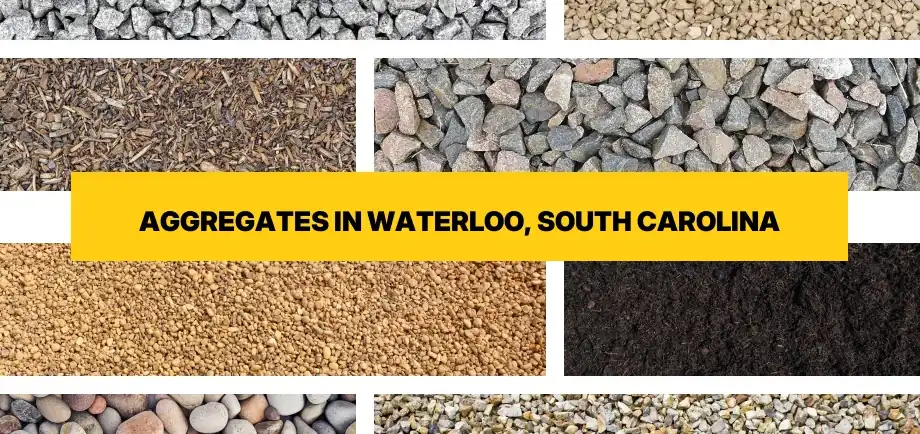
Shop Bulk Materials & Gravel in Waterloo, South Carolina
Local Topsoil, Dirt, Sand, Rocks and Gravel near me in Waterloo, South Carolina
Shop Aggregates for Delivery in Waterloo
Order online for free delivery to any Waterloo address.
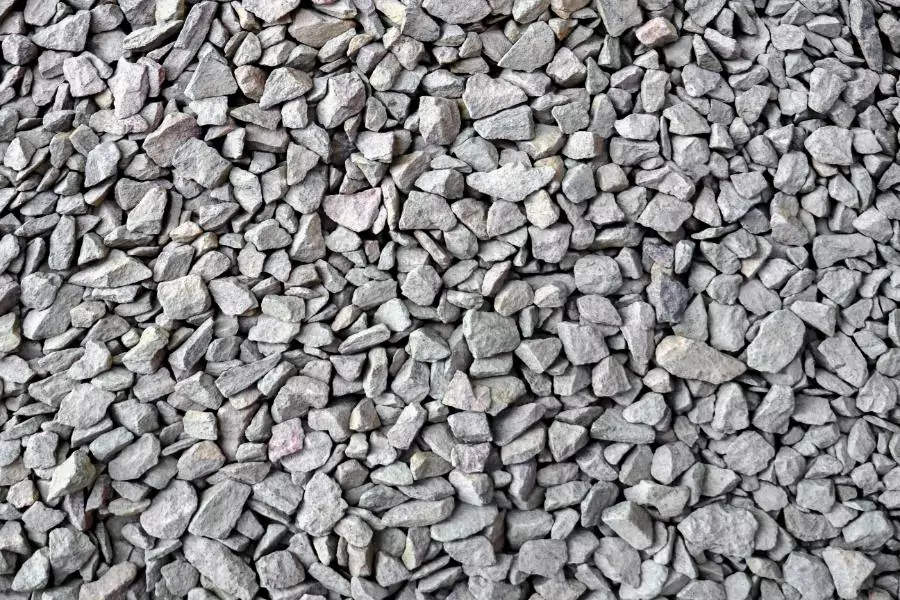
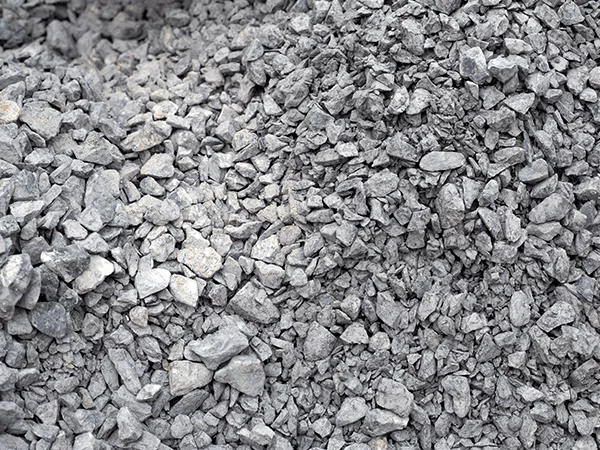


Gravel Monkey is your trusted source for premium aggregates and bulk materials delivery in Waterloo, South Carolina. Whether you're building a driveway near Lake Greenwood, creating drainage solutions around the Saluda River corridor, or upgrading property in the historic downtown area, we deliver high-quality gravel and stone directly to your location with free delivery throughout Laurens County. Our comprehensive selection of aggregates serves residential homeowners, commercial contractors, and agricultural operations across Waterloo and nearby communities including Greenwood, Laurens, and Clinton.
Complete Aggregate & Material Selection for Waterloo Projects
We stock an extensive inventory of aggregates and materials suitable for Waterloo's unique soil conditions and climate. From the red clay soil that characterizes the region to the humid subtropical weather that affects drainage and erosion, our materials are selected to perform reliably in Laurens County conditions:
- Driveway Gravel - Premium base material engineered for long-lasting residential and farm driveways
- 3/4 inch Crushed Stone - Versatile angular aggregate perfect for foundations and driveway base layers
- #57 Stone - Industry-standard crushed stone for drainage applications and concrete work
- Crusher Run - Self-compacting base material ideal for Waterloo's clay soil conditions
- Road Base - Heavy-duty aggregate for farm roads, parking areas, and commercial access drives
- Pea Gravel - Smooth decorative stone for walkways, gardens, and landscaping features
- River Rock - Natural aesthetic stone available in multiple sizes for landscape design
- Walkway Gravel - Comfortable walking surface material for paths and garden trails
- Drain Rock - Angular stone specifically sized for French drains and foundation drainage
- Crushed Concrete - Eco-friendly recycled aggregate for cost-effective base applications
- Topsoil - Nutrient-rich soil for gardens, lawns, and landscape planting beds
- Fill Dirt - Clean material for grading, leveling, and property improvement projects
- Mason Sand - Fine-grade sand for mortar, brick laying, and construction work
- Playground Sand - Safe, clean sand for play areas and recreational spaces
- Washed Sand - Clean multipurpose sand for various construction and landscaping needs
- Decomposed Granite - Natural pathway material that compacts firmly for stable walking surfaces
Serving All Waterloo Areas and Surrounding Communities
Gravel Monkey provides free aggregate delivery throughout Waterloo and extends service to neighboring areas across Laurens and Greenwood Counties. We regularly deliver to properties along Highway 72, near Lake Greenwood State Recreation Area, around the historic Waterloo downtown district, and throughout the rural farmland that surrounds the community. Our service area includes Greenwood to the south, Laurens to the north, Clinton to the northeast, and Ninety Six to the west.
We understand the unique characteristics of properties near the Saluda River, where proper drainage is critical due to flood-prone areas. For homes and farms in the rolling hills surrounding Waterloo, we provide aggregates that handle the elevation changes and water runoff challenges common to Piedmont geography. Properties near Lake Greenwood often require special attention to erosion control and shoreline stabilization, and we supply the appropriate materials for these lakefront conditions.
Whether you're located on a rural farm road or within the small-town limits of Waterloo proper, we deliver aggregates that work with the predominant Cecil and Appling soil series found throughout the region. These red clay soils require proper base materials to prevent rutting, erosion, and drainage problems that affect poorly prepared surfaces.
Understanding Waterloo's Climate and Soil Conditions
Waterloo experiences a humid subtropical climate with hot summers averaging in the upper 80s and mild winters with average lows in the mid-30s. The area receives approximately 48 inches of annual rainfall, with precipitation distributed fairly evenly throughout the year, though summer thunderstorms can deliver intense rainfall that tests drainage systems. This moisture, combined with the region's red clay soil, creates specific challenges that proper aggregate selection can address.
The predominant soil type in Waterloo and surrounding Laurens County is weathered granite-based red clay, part of the Cecil soil series common throughout the South Carolina Piedmont. This clay soil has poor natural drainage, expands when wet, and becomes slippery and unstable without proper base preparation. The iron oxide content gives the soil its distinctive red color and contributes to its plastic, sticky nature when saturated.
For driveways and roads in Waterloo, these soil conditions mean that adequate base depth and proper aggregate selection are essential. Without a sufficient layer of compacted stone, clay soil will work its way up through gravel, creating mud and ruts. The freeze-thaw cycles that occur during Waterloo's winters, though mild compared to northern states, can still cause frost heave in improperly prepared bases, particularly in areas with poor drainage.
Properties near Lake Greenwood face additional considerations, as waterfront locations may have sandy inclusions near the shoreline or saturated soils during high water periods. The Saluda River corridor also presents unique challenges where seasonal flooding can undermine poorly constructed access roads and driveways. Proper erosion control using appropriate aggregates becomes critical in these riparian areas.
Choosing the Right Aggregate for Your Waterloo Project
Driveway and Road Materials
Creating a durable driveway in Waterloo requires understanding how aggregates interact with the local red clay soil. For residential driveways, we recommend a multi-layer approach starting with a substantial base layer. The base should consist of compactable material that creates a stable platform resistant to the pumping action that occurs when vehicles drive over clay-backed surfaces during wet conditions.
Crusher run serves as an excellent base material because it contains a mix of stone sizes from dust to three-quarter inch that lock together when compacted. This self-binding property creates a firm foundation that resists the infiltration of underlying clay. For the surface layer, angular crushed stone provides traction and allows water to percolate downward rather than pooling on the surface. The sharp edges of crushed aggregates also resist displacement under vehicle traffic better than rounded stones.
Farm roads and agricultural access drives in the Waterloo area often experience heavy equipment traffic, requiring even more robust construction. Road base material provides the structural strength needed for tractors, grain trucks, and harvest equipment. This engineered aggregate blend is designed to bear heavy loads while maintaining surface integrity through multiple seasons of use.
Drainage Solutions for Clay Soil
Perhaps the single most important consideration for Waterloo properties is proper drainage management. The red clay soil has minimal natural permeability, meaning water moves through it very slowly. Without adequate drainage provisions, water accumulates, saturates the soil, and creates problems ranging from foundation issues to driveway failure to landscape erosion.
Drain rock, typically angular stones ranging from three-quarters to one and one-half inches, creates void spaces that allow water to flow freely. When installed in French drains, curtain drains, or foundation drains, this coarse aggregate provides pathways for water to move away from structures and problem areas. The angular shape prevents the stones from settling too tightly together, maintaining the porosity necessary for effective drainage function.
Properties throughout the Saluda River watershed, including much of Waterloo, can experience elevated water tables during wet seasons. Strategic placement of drainage aggregates helps manage this groundwater, preventing it from saturating building sites or creating muddy conditions in yards and pastures. For homes built on sloping lots, which are common in the rolling Piedmont terrain, interceptor drains placed upslope can redirect surface water before it reaches structures or landscaped areas.
Landscaping and Decorative Aggregates
Beyond functional applications, decorative aggregates enhance property aesthetics throughout Waterloo. Pea gravel creates comfortable walking surfaces for garden paths and provides an attractive groundcover that suppresses weeds while allowing water infiltration. The smooth, rounded stones come in natural earth tones that complement South Carolina landscapes and don't retain heat the way dark asphalt or concrete surfaces do during summer months.
River rock offers larger decorative options, available in sizes ranging from one inch to six inches or more. These water-tumbled stones work beautifully in dry creek beds designed to manage stormwater runoff, create visual interest as landscape accents, or define planting beds. For properties near Lake Greenwood or the Saluda River, river rock provides a natural aesthetic tie to the waterways that characterize the region.
Decomposed granite provides another decorative option that also serves functional purposes. This natural material compacts to create stable walking surfaces while maintaining a softer, more natural appearance than crushed stone. Decomposed granite works particularly well for Waterloo properties seeking a more organic aesthetic in garden areas or nature trails while still providing firm, accessible surfaces.
Aggregate Comparison Guide for Waterloo Applications
Selecting the right aggregate depends on your specific project requirements and site conditions. This comparison helps identify which materials best suit common Waterloo applications:
| Material | Best Applications | Compaction | Drainage | Clay Soil Performance |
|---|---|---|---|---|
| Crusher Run | Driveway base, parking areas, farm roads | Excellent | Moderate | Excellent - prevents clay infiltration |
| 3/4" Crushed Stone | Driveway surface, foundations, general fill | Good | Good | Very Good - stable on clay base |
| #57 Stone | Drainage, concrete aggregate, pipe bedding | Moderate | Excellent | Good - requires proper base |
| Road Base | Heavy traffic areas, commercial drives | Excellent | Moderate | Excellent - engineered for clay |
| Drain Rock | French drains, foundation drains, septic | Poor | Excellent | Critical for clay drainage |
| Pea Gravel | Walkways, landscaping, decorative areas | Poor | Good | Fair - needs edging/base |
| River Rock | Landscaping, erosion control, dry creek beds | Poor | Good | Fair - decorative applications |
| Decomposed Granite | Pathways, patios, natural landscapes | Good | Moderate | Good - with proper preparation |
Proper Installation Practices for Waterloo Conditions
Successful aggregate installations in Waterloo require attention to the interaction between materials and the underlying red clay soil. The most critical factor is adequate base preparation. Simply spreading gravel over clay creates a temporary surface that will quickly fail as clay works upward through the stone and vehicles push aggregates down into the soft soil below.
Base Preparation Fundamentals
For driveway applications, excavate the existing clay to a depth of at least six to eight inches for residential use, or deeper for areas that will support heavier vehicles. The width should extend slightly beyond the final driveway edges to provide lateral support. In areas with particularly soft or wet clay, geotextile fabric laid at the bottom of the excavation creates a separation barrier that prevents aggregate and soil from mixing while still allowing water to drain downward.
Fill the excavated area with compactable base material in lifts of no more than four inches, compacting each layer thoroughly before adding the next. Proper compaction is essential—loose aggregate will settle and create depressions, while well-compacted material forms a dense, stable platform. For rural properties without access to commercial compaction equipment, multiple passes with a loaded truck can provide adequate compaction for lighter-duty applications, though professional equipment produces superior results.
Surface Layer Considerations
Once the base is established and compacted, apply the surface layer of your chosen aggregate. For driveways, a depth of three to four inches of crushed stone over a properly prepared base provides adequate coverage. The surface layer allows minor shifting to accommodate vehicle turning and maneuvering while the compacted base below maintains structural integrity.
Crown the driveway surface slightly—raising the center an inch or two higher than the edges—to promote water runoff to the sides rather than allowing it to pond on the surface. In Waterloo's humid climate with regular rainfall, standing water accelerates degradation of any surface. Side ditches or swales along driveway edges help capture this runoff and direct it to appropriate drainage points.
Drainage Integration
Many Waterloo properties benefit from integrating drainage solutions during aggregate installation. For driveways on slopes, cross drains or water bars at intervals prevent erosion from concentrated flow. On flat properties or those with clay that stays saturated, perimeter drainage using drain rock in trenches helps manage groundwater that might otherwise soften the base.
Areas near the Saluda River or Lake Greenwood may require more extensive drainage planning due to higher water tables and periodic flooding. Elevating building pads and access drives above the surrounding grade, then backfilling with well-draining aggregates, creates dry access even during wet periods. This approach proves particularly valuable for properties in the hundred-year flood plain or areas that experience seasonal wetness.
Maintaining Aggregate Surfaces in Waterloo's Climate
Proper maintenance extends the life of aggregate installations and preserves their functionality. Waterloo's climate presents specific maintenance considerations due to the combination of regular rainfall, occasional freeze-thaw cycles, and the underlying clay soil that continues to influence surface performance over time.
Periodically inspect surfaces for low spots where aggregate has settled or worn away. These depressions collect water, which accelerates further degradation. Adding fresh aggregate and re-grading low areas restores proper drainage and prevents minor problems from becoming major failures. The frequency of maintenance depends on traffic levels and weather exposure, but most residential driveways benefit from assessment and minor additions every two to three years.
Control vegetation growth along edges and in areas where organic matter accumulates. While some property owners appreciate a more natural transition between driveway and landscape, excessive vegetation invasion can compromise aggregate stability. Roots undermine compaction, and organic material decomposition creates soft spots. Regular edging maintains clean boundaries and prevents these issues.
After significant rain events common during Waterloo's summer thunderstorm season, check for erosion damage, particularly on sloped sections. Washouts should be repaired promptly with fresh aggregate, and consideration should be given to installing erosion control measures such as water bars or improved drainage if problems recur. Properties throughout Laurens County face erosion challenges due to the combination of clay soil, rolling terrain, and concentrated rainfall events.
Commercial and Agricultural Applications in Waterloo
Beyond residential uses, aggregates serve critical functions for Waterloo's commercial and agricultural sectors. The area's farming operations require reliable access roads that function throughout planting and harvest seasons, even during wet weather. Agricultural facilities need well-drained pads for equipment storage and livestock areas that remain functional regardless of weather conditions.
Farm roads typically require more robust construction than residential driveways due to the heavy equipment traffic they support. Grain trucks, tractors with loaded trailers, and harvest equipment impose significant loads that demand properly engineered road base materials. The extended length of many farm lanes also makes construction cost a significant consideration, where materials like crushed concrete offer economical alternatives to virgin aggregates while still providing necessary structural performance.
Equipment yards and agricultural storage areas benefit from well-draining aggregate surfaces that prevent the deep mud problems common on bare clay. A properly prepared aggregate pad allows year-round access while protecting expensive equipment from the moisture-related problems that occur when machinery sits on wet ground. For livestock operations, aggregate-surfaced feeding areas and high-traffic paddock sections reduce mud problems that affect animal health and comfort during wet periods.
Commercial properties in Waterloo face similar considerations for parking areas, loading docks, and vehicle access routes. While some commercial sites eventually pave these surfaces, aggregate bases still form the critical foundation that ensures long-term pavement performance. Many businesses maintain aggregate-surfaced areas for equipment storage, overflow parking, or less frequently accessed portions of their property where the cost of paving cannot be justified.
Environmental Stewardship and Aggregate Selection
Responsible aggregate use considers environmental impacts and opportunities for sustainable practices. Crushed concrete represents one example, providing recycled material that reduces demand for virgin stone while offering performance characteristics suitable for many applications. Properties throughout Waterloo can use this eco-friendly option for base layers and secondary access routes, saving money while supporting sustainable construction practices.
Proper erosion control protects water quality in Lake Greenwood and the Saluda River watershed. When aggregates are installed with attention to drainage management and erosion prevention, they actually enhance environmental protection compared to bare soil surfaces that generate sediment runoff during rain events. The stability that well-constructed aggregate surfaces provide prevents the soil erosion that clouds streams and deposits sediment in aquatic habitats.
For properties near sensitive areas, selection of clean, washed aggregates minimizes the potential for introducing fines and sediment during installation and use. Materials like washed sand and clean stone contain minimal dust and particles that could contribute to water quality degradation if they were to enter waterways. This consideration becomes particularly important for sites near Lake Greenwood or stream corridors throughout the Waterloo area.
Frequently Asked Questions About Aggregates in Waterloo, SC
We deliver a complete range including driveway gravel, crushed stone in various sizes, crusher run, pea gravel, river rock, decomposed granite, topsoil, fill dirt, sand varieties, drain rock, and road base throughout Waterloo and surrounding Laurens County areas.
Yes! Gravel Monkey offers FREE delivery to Waterloo and the surrounding South Carolina area for all gravel and aggregate material orders.
For driveways, calculate length times width times depth in feet. A typical driveway uses 3 to 4 inches of gravel depth. Our team can help you calculate the exact amount needed for your Waterloo property.
Crusher run and 3/4 inch crushed stone are excellent choices for Waterloo driveways. They compact well in our red clay soil and handle the humid climate effectively while providing good drainage.
Yes, Waterloo red clay has poor drainage properties. Using proper aggregate base materials like drain rock or crusher run helps prevent water pooling and erosion common in Laurens County clay soils.
Absolutely! We deliver mason sand, playground sand, and washed sand to Waterloo properties. These materials work well for construction, play areas, and landscaping projects throughout the area.
We recommend at least six to eight inches of compacted base material for residential driveways in Waterloo. Properties with especially soft clay soil or heavy vehicle traffic may benefit from deeper bases of ten to twelve inches.
Yes, with proper installation. Use angular crushed stone rather than rounded gravel, ensure adequate compaction, and consider adding cross drains or water bars to manage runoff on steep slopes common around Lake Greenwood.
Free Delivery Throughout Waterloo and Laurens County
Gravel Monkey is committed to providing convenient, reliable aggregate delivery service to all areas of Waterloo and surrounding communities. We understand that material quality matters, but so does dependable service that respects your time and project schedule. Our free delivery throughout the Waterloo area eliminates the hassle and expense of picking up materials yourself, allowing you to focus on your project rather than logistics.
Our delivery team has experience navigating rural farm roads, lakefront properties, downtown Waterloo locations, and everything in between. We work with you to schedule delivery at times that suit your project timeline, and our drivers understand the importance of protecting your property during delivery operations. Whether you need materials for a small residential project or bulk aggregates for a large commercial or agricultural application, we handle orders of all sizes with the same professional attention.
When you partner with Gravel Monkey for your Waterloo aggregate needs, you benefit from our commitment to quality materials, competitive pricing, and service that makes your project easier from initial order through final delivery. Contact us today to discuss your project requirements and receive a detailed estimate for the aggregates that will help you build lasting improvements to your Waterloo property.

Need help? Reach out for a quote: