Order Topsoil, Stone & Gravel in Pinewood, South Carolina
Local Topsoil, Dirt, Sand, Rocks and Gravel near me in Pinewood, South Carolina
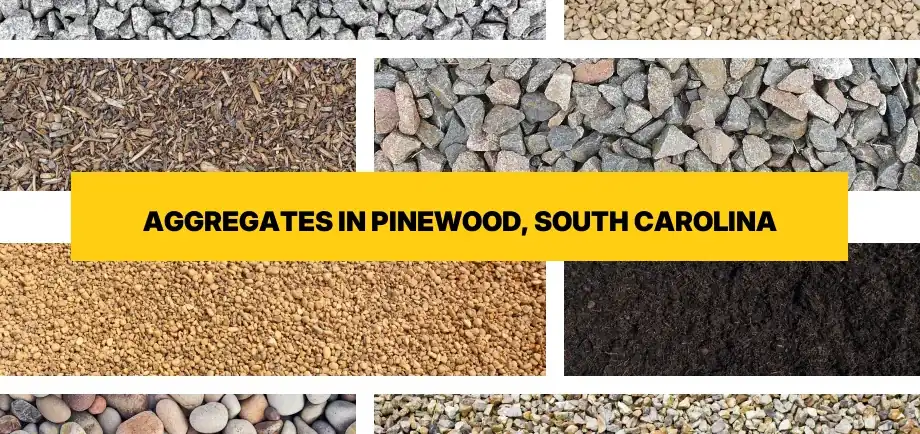
Shop Aggregates for Delivery in Pinewood
Order online for free delivery to any Pinewood address.


Gravel Monkey is your trusted source for premium aggregates and bulk materials in Pinewood, South Carolina. Serving homeowners, contractors, and businesses throughout Sumter County, we deliver high-quality gravel, stone, sand, and soil directly to your property with free delivery. Whether you're building a new driveway near Highway 261, improving drainage around your property, or tackling a construction project in the greater Pinewood area, our comprehensive selection of aggregates ensures you have the right materials for lasting results.
Complete Range of Aggregates Available in Pinewood, SC
Understanding the unique soil conditions and climate challenges of Pinewood is essential when selecting aggregates for your project. The area's characteristic red clay soil, humid subtropical climate, and seasonal rainfall patterns require materials that provide excellent drainage and long-term stability. We offer an extensive inventory specifically suited for local conditions:
- Driveway Gravel - Premium base material engineered for residential and commercial driveways
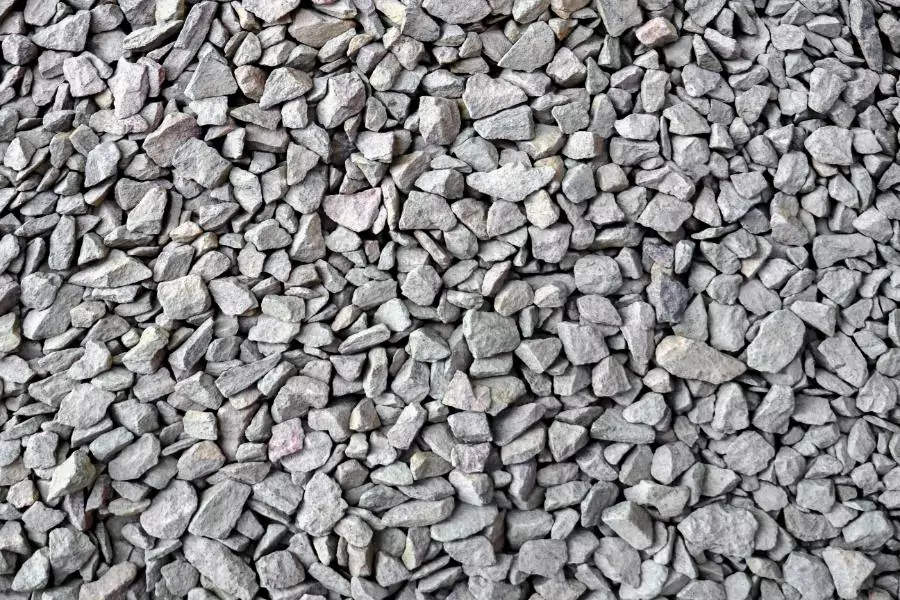
- 3/4 inch Crushed Stone - Versatile angular stone for foundations, driveways, and drainage applications
- #57 Stone - Industry-standard crushed stone perfect for concrete bases and French drains
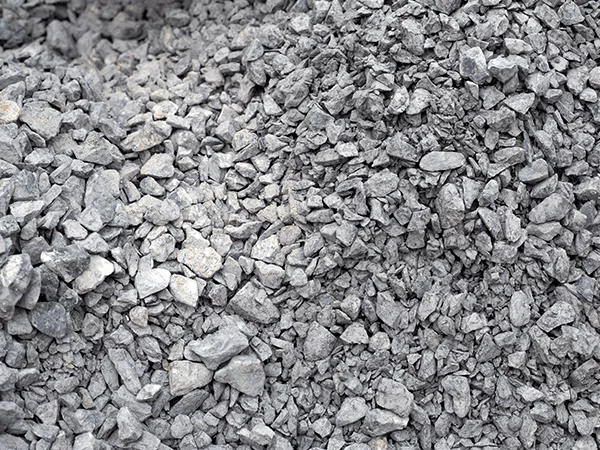
- Crusher Run - Compactible blend of stone and fines that creates rock-solid surfaces
- Road Base - Heavy-duty aggregate foundation for access roads and parking areas
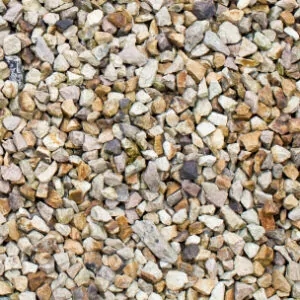
- Pea Gravel - Smooth, decorative stone ideal for walkways and landscaping features
- River Rock - Natural rounded stones for aesthetic garden and water feature designs
- Walkway Gravel - Specially sized aggregate for comfortable, attractive pedestrian paths
- Drain Rock - Angular stone engineered for superior water management in clay soils
- Crushed Concrete - Eco-friendly recycled aggregate for cost-effective base layers
- Topsoil - Rich, screened soil for gardens, lawns, and planting beds
- Fill Dirt - Quality earthen material for grading, leveling, and site preparation
- Mason Sand - Fine-grade sand for mortar, concrete mixing, and masonry projects
- Playground Sand - Clean, safe sand certified for children's play areas
- Washed Sand - Premium cleaned sand for precise construction applications
- Decomposed Granite - Natural, permeable surface material for paths and patios
Driveway Solutions for Pinewood's Clay Soil Conditions
Pinewood's distinctive red clay soil presents unique challenges for driveway construction and maintenance. The clay's high plasticity causes it to expand when wet and contract during dry periods, which can lead to rutting, cracking, and erosion without proper base materials. Our aggregates provide the stable foundation necessary to combat these local soil conditions effectively.
For properties throughout the Pinewood community, from residential homes along Manchester Highway to rural properties extending toward Greeleyville, proper aggregate selection makes the difference between a driveway that lasts decades and one that requires constant maintenance. The key is establishing a well-draining base that prevents water accumulation, which is critical given South Carolina's average annual rainfall of 45-50 inches.
Many Pinewood contractors prefer crusher run as a base layer because it combines various stone sizes with fine particles that compact tightly together, creating an almost impermeable barrier against the shifting clay beneath. This material is particularly effective in areas near Lake Marion where seasonal water table fluctuations can impact ground stability. When topped with larger angular aggregates, the result is a driveway surface that channels water away effectively while providing excellent traction and durability.
Recommended Driveway Aggregate Systems for Pinewood
A properly constructed driveway in Pinewood typically requires a multi-layer approach. Start with adequate excavation of the clay soil, followed by a geotextile fabric barrier to prevent intermixing. Then install a four to six inch base layer of compacted crusher run or road base, which provides the critical stable foundation. Top this with two to three inches of #57 stone or 3/4 inch crushed stone for the surface layer, ensuring proper drainage and a clean appearance.
For longer driveways common on Pinewood's rural properties, proper crown and grade become essential. The driveway should slope away from structures at approximately two percent grade, allowing water to sheet off into vegetated areas or designed drainage swales. This prevents the pooling that can quickly deteriorate even high-quality aggregates when combined with South Carolina's heavy clay.
Effective Drainage Solutions for Pinewood Properties
Drainage challenges rank among the most common issues facing Pinewood property owners. The area's heavy clay soil has extremely low permeability, meaning water doesn't infiltrate naturally through the ground. Combined with Pinewood's location in the Coastal Plain region where topography is relatively flat, water management requires strategic planning and the right aggregates.
French drains installed with proper drain rock provide one of the most effective solutions for managing water around foundations, in low-lying areas, and along property boundaries. The angular nature of quality drain rock creates void spaces that allow water to flow freely while preventing soil particles from clogging the system. This is particularly important near Shaw Air Force Base where military housing and base facilities require reliable long-term drainage performance.
Properties located near Pocotaligo River or Black River benefit significantly from properly designed aggregate drainage systems. During heavy rainfall events, which can deliver several inches in just hours during summer thunderstorms, adequate drainage prevents erosion, protects foundations, and maintains usable outdoor spaces. Strategic placement of drainage aggregate around building perimeters, under downspouts, and in low spots creates pathways for water to flow away from structures.
| Aggregate Type | Best Applications | Compaction Level | Drainage Rating | Pinewood Suitability |
|---|---|---|---|---|
| Crusher Run | Driveway base, parking areas | Excellent | Moderate | Ideal for clay soil foundations |
| #57 Stone | Concrete base, French drains | Good | Excellent | Perfect for drainage systems |
| 3/4 inch Crushed Stone | Driveways, foundations | Very Good | Very Good | Great all-purpose aggregate |
| Road Base | Heavy-duty access roads | Excellent | Moderate | Recommended for commercial use |
| Drain Rock | Foundation drains, septic fields | Moderate | Excellent | Essential for clay soil drainage |
| Pea Gravel | Walkways, decorative landscaping | Low | Good | Excellent for erosion control |
| Decomposed Granite | Pathways, patios | Good | Good | Attractive permeable surface |
| Crushed Concrete | Base layers, utility access | Very Good | Good | Cost-effective recycled option |
Landscaping Aggregates for Pinewood Gardens and Outdoor Spaces
Beyond functional applications, aggregates play a crucial role in creating attractive, low-maintenance outdoor spaces throughout Pinewood. The community's warm, humid climate supports diverse landscaping options, and the right aggregates can enhance both aesthetics and plant health while reducing maintenance requirements.
Pea gravel remains a popular choice for garden beds and around trees because its smooth, rounded shape is gentle on plants while providing excellent weed suppression. The neutral colors complement Pinewood's native vegetation, from longleaf pines to flowering azaleas. River rock in various sizes creates stunning visual interest in dry creek beds and around water features, a design element increasingly popular as homeowners seek to manage stormwater naturally.
For walkways connecting different garden areas or providing access through wooded lots common in Pinewood, decomposed granite offers a natural appearance that compacts well underfoot. Unlike loose aggregates, decomposed granite stabilizes to create a semi-firm surface that's comfortable to walk on while remaining permeable, which is essential for maintaining healthy tree root systems in the area's established neighborhoods.
Construction-Grade Aggregates for Pinewood Contractors and Builders
Professional contractors working throughout Pinewood and Sumter County rely on consistent, quality aggregates for projects ranging from residential additions to commercial developments. Our construction-grade materials meet specifications for proper concrete mixes, stable foundations, and durable site preparation.
Mason sand serves as a critical component in mortar and concrete mixes for masonry work common in the region's construction. Whether building brick homes characteristic of Pinewood's residential areas or commercial structures along Highway 261, having clean, properly graded sand ensures strong, long-lasting mortar joints. Similarly, washed sand provides the precise cleanliness required for applications where contamination could compromise structural integrity.
Road base aggregate forms the foundation for commercial parking lots, equipment yards, and access roads serving Pinewood's agricultural and forestry operations. This compactible material withstands heavy equipment traffic while maintaining its integrity through seasonal weather changes. The key is proper installation depth and compaction, creating a platform that distributes loads effectively across the unstable clay subsoil.
Site Preparation and Grading Materials
Before aggregates can be placed, proper site preparation often requires fill dirt to establish correct grades and elevations. Pinewood's relatively flat topography sometimes necessitates importing fill material to create positive drainage away from structures or to raise building pads above potential flooding elevations. Quality fill dirt, free from organic material that would decompose and settle, provides the stable substrate necessary for long-term performance.
Topsoil becomes essential for the finishing stages of construction projects, particularly in establishing lawns and planting beds. South Carolina's native soils often benefit from amendments, and screened topsoil provides the nutrient-rich medium necessary for successful landscaping establishment. This is particularly important given Pinewood's growing season that extends from late March through October, allowing ample time for new plantings to establish before winter dormancy.
Serving Pinewood Communities and Surrounding Areas
Gravel Monkey proudly delivers aggregates throughout Pinewood and the greater Sumter County region. Our service area extends to neighboring communities, ensuring convenient access to quality materials regardless of your project location.
Primary Service Areas in Sumter County
We regularly deliver to properties throughout the Pinewood community, from historic areas near downtown Pinewood to newer developments expanding toward Manning. The Manchester Highway corridor sees frequent deliveries for both residential and commercial projects, while rural properties extending toward Rimini and Greeleyville benefit from our free delivery service that makes quality aggregates accessible regardless of location.
Properties near Lake Marion require special consideration for aggregate selection due to proximity to the water table and potential for seasonal flooding. We work with homeowners and contractors in these areas to recommend appropriate materials and installation methods that account for these unique conditions. The same expertise applies to properties near Poinsett State Park, where natural beauty and environmental stewardship guide material selection.
Convenient Delivery to Nearby Communities
Beyond Pinewood proper, we serve surrounding communities throughout central South Carolina. Deliveries to Sumter, Manning, and Alcolu are routine, providing these areas with the same quality aggregates and free delivery service. Properties along Highway 261 north toward Wedgefield and south toward Eutawville receive efficient service, as do rural locations throughout the Santee Cooper Lakes region.
Contractors working on projects near Shaw Air Force Base, one of the region's largest employers, appreciate our ability to coordinate deliveries that meet security requirements and project schedules. Similarly, agricultural operations throughout Sumter County's productive farmlands depend on our road base and crushed concrete for maintaining access roads and equipment yards that withstand heavy seasonal use during planting and harvest.
Climate and Soil Considerations for Pinewood Aggregate Projects
Understanding Pinewood's specific environmental conditions ensures aggregate installations that perform reliably for decades. The area's humid subtropical climate brings hot summers with afternoon thunderstorms and mild winters with occasional freezing temperatures, conditions that significantly impact aggregate performance and selection.
Summer temperatures regularly exceed 90 degrees Fahrenheit, with heat indices often reaching 100-105 degrees during July and August. This heat, combined with intense afternoon sun, affects aggregate surface temperatures, making light-colored materials like pea gravel and washed sand more comfortable for walkways and play areas. The intense UV exposure also means that any binding agents used with decomposed granite or stabilized surfaces must be rated for Southern sun conditions.
Pinewood receives approximately 45-48 inches of annual rainfall, with peak precipitation occurring during summer thunderstorm season. These storms can deliver several inches of rain in just a few hours, creating runoff that tests drainage systems and aggregate installations. Properly designed systems using drain rock and #57 stone handle these intense events by providing sufficient void space for rapid water movement away from structures and hardscapes.
Working with Pinewood's Clay Soil Geology
The South Carolina Coastal Plain's characteristic red clay soil dominates Pinewood's subsurface geology. This clay, formed from ancient marine sediments, contains high percentages of kaolinite and other clay minerals that give it distinctive properties. When wet, the clay becomes plastic and sticky, losing bearing capacity and making it unsuitable as a foundation for structures or driveways. When dry, it can become rock-hard but may develop cracks as it shrinks.
This clay behavior makes proper aggregate selection and installation critical for long-term success. Geotextile fabric serves as a separation layer, preventing clay migration into aggregate layers while still allowing water to pass through. The fabric maintains the integrity of crusher run and road base installations by keeping stone and soil separate, preventing the pumping action that occurs when clay intrudes into aggregate layers under repeated loading.
Seasonal ground movement resulting from clay expansion and contraction affects shallow utilities, fence posts, and landscape features. Using crushed concrete or road base to backfill around these elements provides a stable, non-expansive environment that resists the seasonal movement of surrounding clay soil. This technique has proven particularly effective for properties throughout the Pinewood area where consistent performance matters.
Frequently Asked Questions About Aggregates in Pinewood, SC
We deliver a comprehensive range including driveway gravel, crushed stone, #57 stone, crusher run, pea gravel, river rock, decomposed granite, drain rock, road base, topsoil, fill dirt, mason sand, playground sand, washed sand, and crushed concrete throughout Pinewood and surrounding Sumter County areas.
Yes! Gravel Monkey offers FREE delivery to Pinewood and the surrounding South Carolina area for all gravel and aggregate orders.
For driveways, calculate length times width times depth in feet. A typical driveway needs 3 to 4 inches of gravel depth. Our team can help you estimate the right amount for your specific Pinewood property based on your project requirements.
Drain rock and #57 stone work excellently for drainage in Pinewood's heavy clay soils. These angular aggregates create air pockets that allow water to flow freely, preventing the drainage issues common in this region.
Absolutely! Crushed concrete is an eco-friendly and cost-effective alternative to new stone. It performs excellently for driveways, base layers, and utility projects throughout Pinewood and provides similar compaction and drainage properties.
Crusher run is a mixture of crushed stone and stone dust that compacts extremely well. It is ideal for driveway bases, parking areas, and roads in Pinewood because it creates a solid, stable surface that resists rutting even in South Carolina's humid climate.
Ensure the delivery area is accessible for our trucks, clear of obstacles, and mark where you want the materials placed. Consider ground conditions, especially after rain, as Pinewood's clay soil can become soft. Our delivery team will contact you to coordinate the best placement location.
Walkway gravel and decomposed granite both work beautifully for garden paths in Pinewood. Walkway gravel provides a traditional look with good drainage, while decomposed granite compacts to create a more solid surface that still allows water infiltration. Pea gravel offers another excellent option with its smooth texture and natural appearance.
Why Choose Gravel Monkey for Pinewood Aggregate Delivery
Selecting the right aggregate supplier impacts your project's success as much as choosing the materials themselves. Gravel Monkey has built its reputation on reliability, quality materials, and exceptional customer service throughout the Pinewood area and beyond.
Quality Aggregates for South Carolina Conditions
Every aggregate we deliver meets strict quality standards for size consistency, cleanliness, and performance characteristics. Our suppliers understand South Carolina's unique requirements, from the angular shape needed for proper compaction in clay soils to the drainage properties essential for managing the region's substantial rainfall. When you order crusher run for a driveway base or playground sand for a children's play area, you receive materials that perform as specified.
We understand that projects in Pinewood face specific challenges, from the expansive clay soil to the humid climate that promotes vegetation growth in aggregate surfaces. Our product recommendations account for these local conditions, ensuring you select materials that address your specific situation. Whether you're a homeowner planning a DIY project or a contractor managing multiple job sites, our expertise helps you make informed decisions.
Free Delivery Throughout the Pinewood Area
Transportation costs can significantly impact project budgets, especially for properties in rural areas. Our free delivery eliminates this variable, making quality aggregates accessible regardless of your location within our service area. From properties along Highway 261 to rural locations near the Wateree River, we deliver efficiently and coordinate with your schedule to ensure materials arrive when you need them.
Expert Guidance for Your Project
Not sure which aggregate suits your application best? Our team brings extensive experience with Pinewood-area projects and can recommend appropriate materials based on your specific requirements. We consider factors like soil conditions, intended use, traffic levels, and aesthetic preferences to guide you toward the best solution. This consultation service ensures you order the right products in the correct quantities, avoiding the expense and inconvenience of ordering too little or too much.
Reliable Service You Can Count On
Project schedules depend on timely material delivery, and we take this responsibility seriously. Our logistics team coordinates deliveries to arrive within specified time windows, keeping your project on track. We communicate proactively about delivery timing and any potential delays, ensuring you're never left wondering when materials will arrive. This reliability matters whether you're a homeowner taking time off work to receive a delivery or a contractor coordinating multiple trades on a job site.
Planning Your Pinewood Aggregate Project for Success
Proper planning transforms aggregate installations from adequate to exceptional. Taking time to consider site conditions, material requirements, and installation techniques pays dividends in performance and longevity. Here are key factors to address when planning your Pinewood project.
Site Assessment and Preparation
Begin by evaluating existing conditions. Note areas where water collects, the current condition of clay soil, and any existing drainage infrastructure. Properties in low-lying areas near water bodies require additional consideration for drainage, while elevated sites may need less extensive water management. Understanding these conditions guides material selection and installation design.
Proper excavation depth depends on your application and local soil conditions. Driveways typically require removing 8-12 inches of clay soil, installing geotextile fabric, then placing aggregate in multiple compacted layers. Walkways may need only 4-6 inches of excavation, while drainage installations could require deeper trenches to reach appropriate discharge elevations.
Material Quantity Calculations
Accurate quantity calculations prevent project delays and unnecessary expenses. For driveways and parking areas, measure length times width in feet, then multiply by depth in inches and divide by 12 to get cubic feet. Divide cubic feet by 27 to convert to cubic yards, the standard unit for aggregate orders. Add 10-15 percent for compaction and waste, especially when working with crusher run or road base that compacts significantly.
For decorative applications like pea gravel walkways or river rock landscaping beds, calculate coverage area and desired depth, typically 2-3 inches for adequate coverage and weed suppression. These materials don't compact as much as crusher run, so waste allowance can be smaller.
Installation Best Practices
Successful aggregate installations follow proven techniques adapted to local conditions. Always use geotextile fabric between clay soil and aggregate base layers to prevent intermixing. Compact each layer thoroughly using appropriate equipment, from plate compactors for smaller areas to vibratory rollers for driveways and parking lots. Multiple thin layers compact better than single thick layers, creating a more uniform, stable result.
Establish proper grades before final compaction. Driveways should slope away from structures at 2 percent grade minimum, allowing water to drain off surfaces rather than collecting in low spots. For longer driveways, incorporate crown into the design so water sheets toward edges where it can be managed through vegetation or constructed drainage features.
Seasonal Considerations for Pinewood Aggregate Projects
Timing matters when installing aggregates in Pinewood's climate. While projects can proceed year-round, understanding seasonal advantages helps optimize results and construction conditions.
Spring Installation Benefits
Spring offers moderate temperatures and decreasing rainfall as the season progresses from March through May. The clay soil dries sufficiently for excavation and compaction, while temperatures remain comfortable for physical work. Spring installation allows aggregate surfaces to settle and compact naturally through late spring and summer weather before facing winter conditions.
Summer Projects and Heat Management
Summer provides the longest daylight hours and driest conditions, ideal for projects requiring extended work periods. However, afternoon thunderstorms can interrupt work unexpectedly, and clay soil becomes rock-hard when fully dry, making excavation challenging. Schedule concrete and masonry work requiring mason sand or washed sand for early morning hours when temperatures are more moderate. Ensure adequate hydration and heat safety measures for anyone working with aggregates during peak summer heat.
Fall as Prime Construction Season
Many contractors consider fall the optimal season for aggregate projects in Pinewood. September through November brings decreasing temperatures, lower humidity, and reduced rainfall compared to summer months. Clay soil maintains moderate moisture content, providing good working conditions without the extremes of summer dryness or winter saturation. Completed projects have time to settle before winter, performing well through the mild cold season.
Winter Work Considerations
Winter in Pinewood rarely brings extended freezing conditions, making it viable for aggregate installation when scheduled appropriately. Avoid working immediately after rain when clay soil becomes saturated and muddy. Cold weather slows equipment and reduces productivity, but properly installed aggregates during winter months perform identically to those installed in other seasons once cured and settled.
Environmental Benefits of Quality Aggregates in Pinewood
Beyond functional and aesthetic advantages, properly selected and installed aggregates provide environmental benefits relevant to Pinewood's ecosystem and water quality goals. Understanding these benefits helps property owners make choices that benefit both their properties and the broader community.
Stormwater Management and Water Quality
Permeable aggregate surfaces like pea gravel, decomposed granite, and properly designed drain rock systems allow rainfall to infiltrate naturally rather than creating runoff. This infiltration reduces the volume of stormwater entering drainage systems, decreasing erosion and flood risk downstream. As water percolates through aggregate layers and underlying soil, natural filtration removes pollutants, protecting water quality in the Wateree River, Pocotaligo River, and ultimately Lake Marion.
Reduced Heat Island Effect
Light-colored aggregates like washed sand, river rock, and certain crushed stones reflect solar radiation rather than absorbing it like asphalt or dark surfaces. This reflection reduces surface temperatures, creating cooler microclimates around properties and reducing air conditioning loads. In Pinewood's hot summers, this benefit provides both comfort and energy savings while reducing overall urban heat island effects.
Sustainable Material Options
Crushed concrete exemplifies sustainable aggregate use, recycling construction waste into valuable material that performs comparably to virgin stone. Using crushed concrete for base layers, utility projects, and temporary access roads diverts material from landfills while reducing demand for quarried stone. This circular approach to materials aligns with broader sustainability goals while providing cost-effective solutions for Pinewood projects.
Additionally, proper aggregate installations reduce maintenance requirements over time. Well-designed driveway bases using crusher run and appropriate surface aggregates resist rutting, erosion, and deterioration, eliminating the need for frequent repairs or replacement. This longevity reduces long-term resource consumption and waste generation compared to less durable alternatives.
Commercial and Agricultural Applications in Pinewood
Beyond residential use, aggregates serve critical functions in Pinewood's commercial and agricultural sectors. From retail developments along Highway 261 to farming operations throughout Sumter County's productive agricultural lands, quality aggregates enable business operations and economic activity.
Commercial Property Development
Parking lots, loading areas, and access drives require robust aggregate foundations to withstand constant traffic and heavy loads. Road base provides the essential foundation layer, while crusher run creates durable surfaces that resist rutting even under delivery truck traffic. Proper installation using these materials prevents the pavement failures common when inadequate bases are installed over clay soil, protecting property owners' investments and ensuring customer accessibility year-round.
Agricultural Access and Equipment Areas
Sumter County's farming operations depend on reliable access roads connecting fields to storage facilities and public roads. During harvest season, heavy equipment and loaded trucks travel these routes multiple times daily, creating demands that only properly constructed aggregate roads can meet. Road base installations provide all-weather access, preventing the mud and rutting that interrupt operations and damage equipment. Equipment yards benefit from crushed concrete or crusher run surfaces that support heavy machinery while providing adequate drainage during South Carolina's substantial rainfall seasons.
Forestry and Timber Operations
Pinewood's surrounding areas support significant forestry operations that require temporary access roads for harvesting equipment and log trucks. Crushed concrete and crusher run create temporary surfaces that withstand heavy loads while remaining cost-effective for projects with limited lifespans. After harvest completion, these materials can be removed and reused or left in place to naturally integrate with the forest floor, providing sustainable solutions for managed timber lands.

Need help? Reach out for a quote: