Order Topsoil, Stone & Gravel in Usc, South Carolina
Local Topsoil, Dirt, Sand, Rocks and Gravel near me in USC, South Carolina
Shop Aggregates for Delivery in Usc
Order online for free delivery to any Usc address.


Gravel Monkey is your trusted source for premium aggregate materials and free delivery throughout the USC area in South Carolina. Whether you are upgrading a driveway near the Horseshoe, building drainage solutions in Shandon, or creating landscape features in Five Points, we deliver high-quality gravel, crushed stone, and aggregates directly to your property at no extra charge. Our comprehensive selection of materials is specifically suited for the unique soil conditions and climate challenges of the Columbia area.
Complete Selection of Aggregates and Materials in USC
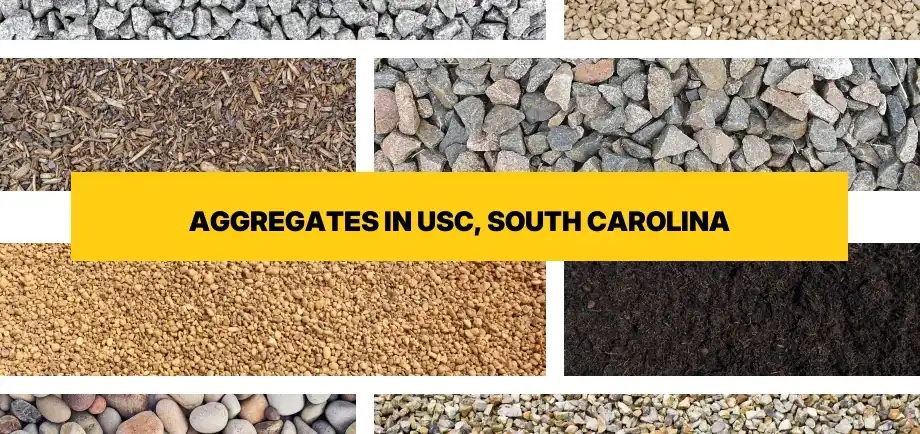
Gravel Monkey provides a full range of aggregates for residential and commercial projects throughout the University of South Carolina area. Our materials are sourced from trusted regional suppliers and delivered fresh to your site:
- Driveway Gravel - Durable base material that compacts perfectly in Carolina clay
- 3/4 inch Crushed Stone - Versatile aggregate for foundations and drainage applications
- #57 Stone - Industry-standard crushed stone for construction projects
- Crusher Run - Compactable base that locks together under weight
- Road Base - Heavy-duty aggregate for durable road construction
- Pea Gravel - Smooth, rounded stones perfect for walkways and gardens
- River Rock - Natural decorative stone in multiple sizes
- Walkway Gravel - Specially sized for comfortable pedestrian paths
- Drain Rock - Essential for managing water in clay-heavy soil
- Crushed Concrete - Eco-friendly recycled aggregate option
- Topsoil - Nutrient-rich soil for gardens and lawns
- Fill Dirt - Essential for grading and leveling projects
- Mason Sand - Fine-grade sand for masonry work
- Playground Sand - Safe, clean sand for play areas
- Washed Sand - Clean sand for multiple applications
- Decomposed Granite - Natural pathway and landscaping material
Understanding USC Area Soil and Climate Conditions
The USC area sits in the Carolina Sandhills region where it transitions into the Piedmont geological zone, creating unique challenges for construction and landscaping projects. The predominant Cecil soil series found throughout Shandon, Rosewood, and Forest Acres is characterized by heavy red clay with poor natural drainage. This clay-rich composition requires proper aggregate base preparation for any driveway, pathway, or foundation work.
With average annual rainfall exceeding 44 inches and summer temperatures regularly reaching the mid-90s, proper drainage becomes critical. Properties near the Congaree River in areas like Olympia and Earlewood face additional water management challenges during spring flooding seasons. The combination of clay soil and intense rainfall makes quality aggregate materials essential for long-lasting construction projects.
Climate Considerations for Aggregate Selection
USC experiences a humid subtropical climate with hot, humid summers and mild winters. Summer thunderstorms can deliver several inches of rain in just hours, putting stress on improperly prepared driveways and poorly drained areas. The occasional winter freeze-thaw cycle, though less frequent than in northern states, can still cause heaving in poorly compacted aggregate bases.
For properties throughout Wales Garden, Heathwood, and Melrose Heights, selecting the right aggregate means accounting for these weather patterns. Materials must compact firmly to resist erosion during heavy rains while providing adequate drainage to prevent standing water. This is particularly important in the low-lying areas near Gills Creek and Rocky Branch Creek.
Choosing the Right Aggregate for Your USC Project
Driveways and Parking Areas
Driveways in the USC area face unique challenges from the combination of clay soil and heavy rainfall. A proper driveway starts with adequate excavation and base preparation. The clay must be removed or properly stabilized before aggregate placement. For residential driveways throughout Elmwood Park and Cottontown, we recommend a compacted base layer followed by your chosen surface material.
The compaction characteristics of crusher run make it ideal for the base layer, providing a stable foundation that interlocks under pressure. For the surface, options range from traditional crushed stone to more decorative river rock, depending on your aesthetic preferences and traffic volume. Commercial properties in the Vista and Assembly Street corridor often require heavier-duty road base materials to handle increased vehicle loads.
Drainage Solutions
Proper drainage is non-negotiable in USC's clay-heavy soil environment. Without adequate drainage systems, water accumulates, causing foundation problems, yard flooding, and driveway deterioration. Properties in lower-elevation neighborhoods like Whaley and Olympia particularly benefit from well-designed drainage aggregate systems.
Creating effective drainage often requires combining different aggregates. A layer of larger drain rock allows water to move freely through the system, while properly graded stone helps direct water flow. French drains, catch basins, and swale systems all rely on carefully selected aggregates to function properly in Carolina clay conditions.
Landscaping and Decorative Applications
Beyond functional applications, aggregates play an important role in landscape design throughout the USC campus area and surrounding neighborhoods. Properties in historic areas like Shandon and Earlewood often incorporate natural stone elements that complement architectural styles while providing practical benefits.
Pea gravel creates comfortable walking surfaces for garden paths and dog runs while offering excellent drainage. River rock adds visual interest to flower beds, water features, and xeriscaping projects. Decomposed granite provides a natural-looking surface for patios and pathways that compacts firmly over time while maintaining a softer appearance than traditional crushed stone.
| Aggregate Type | Best Applications | Typical Size | Drainage Rating | Compaction |
|---|---|---|---|---|
| Crusher Run | Driveway base, roads, parking areas | Varies (fines to 1 inch) | Moderate | Excellent |
| 3/4 inch Crushed Stone | Driveways, foundations, general purpose | 3/4 inch | Good | Very Good |
| #57 Stone | Drainage, concrete mix, driveways | 3/4 inch | Excellent | Good |
| Road Base | Heavy-duty roads, commercial drives | Varies (dense graded) | Moderate | Excellent |
| Drain Rock | French drains, septic systems, drainage | 3/4 to 1.5 inch | Excellent | Poor (by design) |
| Pea Gravel | Walkways, landscaping, dog runs | 3/8 inch (pea-sized) | Very Good | Poor |
| River Rock | Decorative landscaping, water features | 1 to 6 inch | Good | Poor |
| Crushed Concrete | Base layer, erosion control, roads | Varies | Good | Very Good |
Aggregate Delivery Throughout the USC Area
Gravel Monkey serves all neighborhoods and districts throughout the University of South Carolina area and greater Columbia region. Our delivery trucks navigate local streets daily, bringing materials to properties across the region:
In the historic Shandon neighborhood, we regularly deliver decorative aggregates for landscape renovations and driveway repairs. The mature tree-lined streets and established homes often require specialized delivery coordination, which our experienced drivers handle with care. Properties in Rosewood and Forest Acres benefit from our knowledge of local access routes and our ability to accommodate various delivery site constraints.
The Five Points district and surrounding areas including Wales Garden and Melrose Heights present unique delivery challenges with older infrastructure and narrower streets. We work with property owners to ensure safe, efficient delivery regardless of access limitations. Commercial projects in the Vista and along Assembly Street require coordination with business operations, which we accommodate through flexible scheduling.
For properties in Elmwood Park, Cottontown, and Earlewood, our familiarity with local soil conditions helps us recommend the most appropriate materials for each project. Areas closer to the Congaree River, including Olympia and parts of Whaley, often require enhanced drainage solutions that we help design and supply.
We also serve the surrounding communities of Cayce, West Columbia, Lexington, Irmo, and Forest Acres, extending our free delivery throughout the greater Columbia metropolitan area. Whether your project is residential or commercial, small or large, our team provides the same level of service and expertise.
Aggregate Material Specifications and Uses
Crushed Stone Products
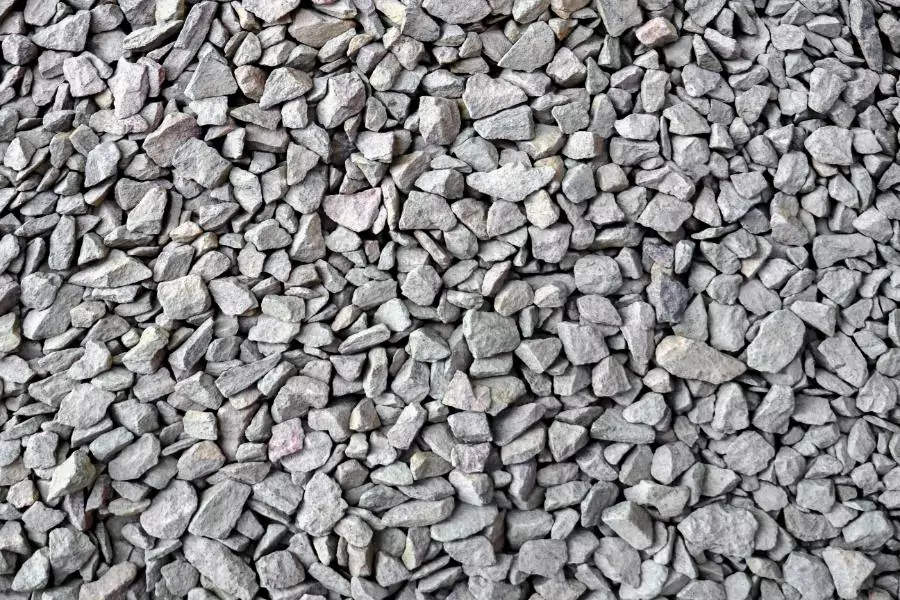
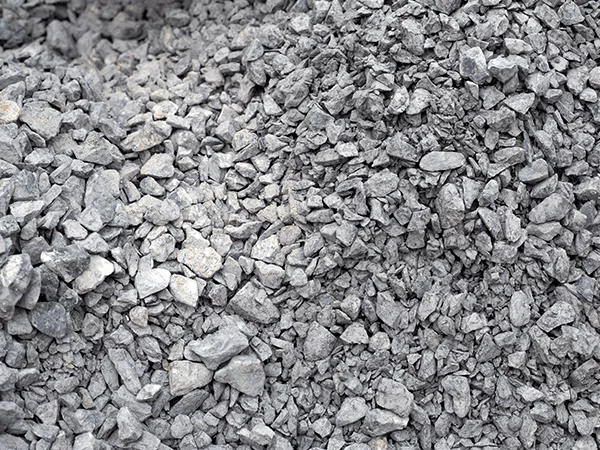
Crushed stone aggregates form the backbone of most construction projects in the USC area. These materials are created by mechanically crushing larger rocks, producing angular pieces that interlock when compacted. The angular shapes provide superior stability compared to rounded natural aggregates, making crushed stone ideal for structural applications.
Different crushed stone sizes serve different purposes. Larger stones provide excellent drainage and are commonly used in French drain systems and septic fields. Medium-sized crushed stone works well for driveway surfaces and general construction uses. Finer crushed materials blend into crusher run and road base products that compact into extremely stable bases.
Natural Rounded Aggregates
While crushed stone dominates structural applications, natural rounded aggregates have their place in USC landscaping and decorative projects. These materials are typically harvested from river deposits or gravel pits where natural erosion has created smooth, rounded stones over thousands of years.
Pea gravel, one of the most popular rounded aggregates, provides a comfortable walking surface that drains well and doesn't track as easily as sand. It works exceptionally well for dog runs, playground surfaces, and garden pathways. Larger river rock creates dramatic visual effects in landscaping, particularly when combined with native plants and water features.
Soil Products
Quality topsoil is essential for establishing lawns and gardens in the USC area. Our topsoil is screened to remove rocks and debris, providing a nutrient-rich growing medium that encourages healthy plant establishment. For new construction sites where existing topsoil was removed during grading, bringing in quality topsoil makes the difference between successful landscaping and ongoing struggles with poor soil conditions.
Fill dirt serves a different purpose, providing stable material for grading, filling low areas, and building up landscapes. Unlike topsoil, fill dirt contains less organic matter, making it more stable and less prone to settling. When properly compacted, fill dirt creates a solid base for subsequent construction or landscaping work.
Specialty Sand Products
Different sand types serve specific purposes in construction and landscaping. Mason sand, with its fine, even texture, works perfectly for laying pavers, mixing mortar, and filling joints in hardscaping projects. Playground sand meets safety standards for children's play areas, providing a soft landing surface that drains well and resists compaction.
Washed sand removes clay and silt particles, creating a clean product suitable for mixing concrete, filtering water in pool systems, and providing traction on icy surfaces. The absence of fines in washed sand also makes it ideal for equestrian arenas and sports field applications where drainage is critical.
Best Practices for Aggregate Installation in USC
Site Preparation
Successful aggregate projects start with proper site preparation. In USC's clay-heavy soil, this often means removing or stabilizing the existing clay before placing aggregates. Attempting to place gravel directly on clay leads to mixing of materials, loss of stability, and premature failure of the installation.
For driveway projects, excavate to a depth that accommodates both the base layer and surface material while maintaining proper elevation relative to surrounding areas. Installing landscape fabric or geotextile between the native soil and aggregate prevents mixing and extends the life of the installation. This extra step proves particularly valuable in the USC area's challenging soil conditions.
Proper Compaction Techniques
Compaction transforms loose aggregate into a stable, load-bearing surface. Without proper compaction, aggregates settle unevenly, creating low spots, puddles, and premature wear. For driveway and parking area installations, use a mechanical compactor to achieve proper density.
Compact in lifts no more than 4 inches thick, adding and compacting each layer before placing the next. This approach ensures thorough compaction throughout the depth of the installation rather than just at the surface. For larger projects, professional-grade plate compactors or vibratory rollers may be necessary to achieve proper results.
Drainage Integration
Every aggregate installation in the USC area should incorporate drainage planning. Even materials that drain well internally can create problems if water has nowhere to go once it passes through the aggregate. Design your project to direct water away from structures, toward swales or catch basins, or into properly designed infiltration areas.
Consider the larger drainage context of your property. Water flowing from uphill areas may need to be intercepted before reaching your new aggregate installation. Likewise, your project should not create drainage problems for neighboring properties. Thoughtful drainage design prevents conflicts and ensures long-term performance.
Seasonal Factors in the USC Area
Summer Installation Advantages
Summer provides ideal conditions for aggregate installation projects in USC. Dry weather allows for better compaction and minimizes the risk of working in muddy conditions. However, summer also brings intense heat and the possibility of severe thunderstorms. Plan installations to avoid the hottest parts of the day, and monitor weather forecasts for approaching storm systems.
The summer heat does offer one advantage: it helps moisture evaporate from newly placed aggregates, promoting better compaction and faster project completion. Just ensure adequate hydration for workers and schedule heavy equipment work during cooler morning or evening hours when possible.
Fall and Spring Projects
Fall and spring offer moderate temperatures that make working conditions comfortable in the USC area. However, these seasons also bring increased rainfall that can complicate project timelines. The key to successful fall or spring installations is flexibility and good communication with your material supplier.
Having materials delivered just before installation minimizes the time they sit exposed to weather. If rain delays your project, properly stored aggregates remain usable once conditions improve. Our team works with customers to coordinate deliveries around weather patterns, ensuring materials arrive when you're ready to use them.
Winter Work Considerations
While USC winters are mild compared to northern regions, cold snaps do occur and can affect aggregate installation. Frozen ground prevents proper compaction, and working in freezing temperatures creates safety concerns. Most aggregate projects in the USC area can proceed year-round, but monitoring weather forecasts becomes important during December, January, and February.
Winter installations may require additional compaction efforts once temperatures moderate. Material placed during cold weather may need recompaction as the ground thaws and materials settle. This extra attention ensures the long-term performance of your project despite weather-related installation challenges.
Commercial Aggregate Solutions in USC
Commercial projects demand reliable material supply and consistent quality. Gravel Monkey serves contractors, property managers, and commercial developers throughout the USC area with the aggregates needed for diverse applications. From parking lot construction to site grading, drainage installations to landscape renovations, we supply materials that meet specifications and arrive when promised.
Large commercial projects often require multiple deliveries coordinated with construction schedules. Our logistics team works directly with contractors to ensure materials arrive as needed without creating storage issues or project delays. We understand the cost implications of equipment downtime and labor waiting for materials, so we prioritize reliable delivery for commercial customers.
For commercial properties along Assembly Street, in the Vista district, or throughout the growing commercial corridors of the USC area, we provide materials suitable for heavy traffic loads and intensive use. Road base and crusher run products designed for commercial applications offer the durability necessary for parking lots, delivery areas, and high-traffic access roads.
Sustainable Aggregate Choices
Environmental consciousness increasingly influences material selection for USC area projects. Crushed concrete represents a sustainable alternative to virgin stone aggregates, diverting material from landfills while providing excellent performance in many applications. This recycled material works particularly well for base layers and areas where appearance is secondary to function.
Locally sourced aggregates reduce transportation distances and associated environmental impacts. Our materials come from regional suppliers, minimizing the carbon footprint of delivery while supporting South Carolina's aggregate industry. For projects pursuing green building certifications or simply aiming to reduce environmental impact, these local materials help achieve sustainability goals.
Permeable aggregate installations allow rainwater to infiltrate naturally rather than overwhelming stormwater systems. In the USC area's clay-heavy soils, properly designed permeable systems reduce runoff, decrease erosion, and help maintain natural hydrology. These systems require careful design and appropriate aggregate selection but offer significant environmental benefits.
Frequently Asked Questions About Gravel and Aggregates in USC
For USC driveways, crusher run or road base provides an excellent compacting base layer, topped with 3/4 inch crushed stone for the surface. This combination works well in the area's clay soil and handles heavy summer rains effectively. The base layer compacts firmly to prevent settling, while the surface layer provides good traction and drainage.
A typical residential driveway in USC should have 4-6 inches of compacted base material (crusher run or road base) topped with 2-3 inches of surface gravel (3/4 inch crushed stone). This total depth of 6-9 inches provides adequate support for normal vehicle traffic. Commercial drives or areas with heavy vehicles may require deeper bases up to 12 inches total.
Yes, absolutely. USC's Cecil clay soil has very poor drainage naturally. Any aggregate installation should include proper drainage planning using drain rock, French drains, or grading that directs water away from structures. Without addressing drainage, water accumulates under and around aggregate installations, causing erosion, settling, and premature failure.
Gravel Monkey provides FREE delivery throughout the USC area and surrounding South Carolina communities. You pay only for the materials themselves, with no additional delivery charges. This free delivery applies to all our gravel, stone, sand, and soil products regardless of order size.
While it's possible, it's not recommended for long-term performance in the USC area. Clay and gravel tend to mix at the interface, causing the gravel to settle into the clay over time. For best results, install landscape fabric or geotextile between the clay soil and aggregate. This barrier prevents mixing while allowing water to drain through.
For drainage applications in USC's clay soil, use drain rock or #57 stone, typically 3/4 inch to 1.5 inch in size. These larger aggregates create void spaces that allow water to flow freely while preventing fine particles from clogging the system. Proper sizing ensures effective drainage even in challenging clay soil conditions.
Measure the length and width of your area in feet, then multiply by the depth in feet to get cubic feet. Divide by 27 to convert to cubic yards. For example, a 12 foot by 20 foot driveway with 6 inches (0.5 feet) of gravel needs: 12 x 20 x 0.5 = 120 cubic feet ÷ 27 = 4.4 cubic yards. Our team can help verify your calculations and recommend the right amount.
Crushed concrete performs very well for many applications in the USC area, particularly as base material. It compacts similarly to crushed stone and costs less while being environmentally friendly. For visible surface applications where appearance matters, traditional crushed stone may be preferred, but for base layers, crushed concrete is an excellent choice that performs reliably in South Carolina conditions.
Professional Aggregate Delivery Service in USC
Gravel Monkey combines premium materials, reliable delivery, and expert knowledge of USC area conditions to serve your aggregate needs. Whether you're a homeowner planning a weekend driveway project or a contractor managing commercial construction, we deliver the right materials when you need them - with no delivery charges.
Our understanding of local soil conditions, climate challenges, and common applications helps us recommend the best materials for your specific project. We serve all neighborhoods throughout the University of South Carolina area and greater Columbia region, from historic Shandon to growing Lexington, Forest Acres to West Columbia.
Contact Gravel Monkey today to discuss your aggregate needs. Our knowledgeable team will help you select appropriate materials, calculate quantities, and schedule convenient delivery to your USC area property.

Need help? Reach out for a quote: