Gravel for Sale in Village, Virginia
Local Topsoil, Dirt, Sand, Rocks and Gravel near me in Village, Virginia
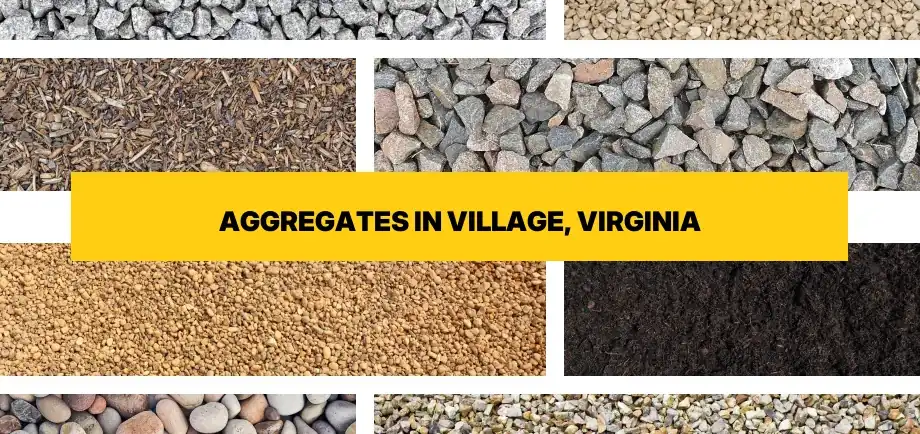
Shop Aggregates for Delivery in Village
Order online for free delivery to any Village address.


When homeowners, contractors, and municipal crews in Village, Virginia need dependable aggregate delivery, they turn to local expertise that understands the region's soils, seasonal weather, and project demands. Village sits within a patchwork of Piedmont foothills and coastal plain influences, and choosing the right aggregates for driveways, drainage, pathways, and gardens depends on specific site conditions. Our Village gravel supplier recommendations and delivery options are tailored to the needs of the area — from historic neighborhoods near the Fan District of nearby Richmond to rural properties outside Lynchburg.
Whether you are restoring a Colonial-era walkway in Old Town Alexandria or building a new driveway outside Village proper, quality aggregates and on-time delivery matter. This page explains which materials work best in Village's climate, how aggregates perform in local soils, and where we deliver throughout the Village metro. Use this guide to make informed choices for any size job, from backyard playgrounds to county road repair.
Premium Aggregates Available for Village Delivery
Gravel and Crushed Stone Products
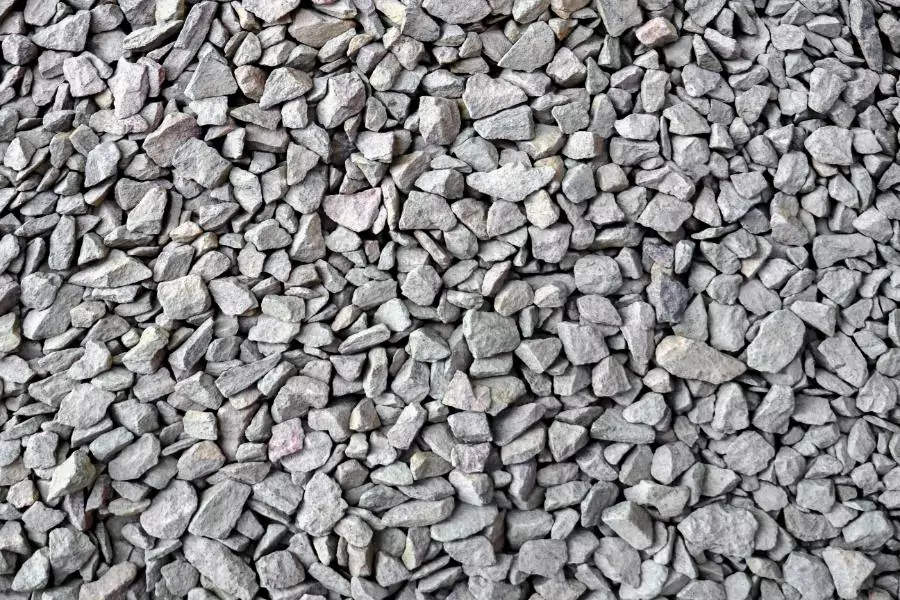
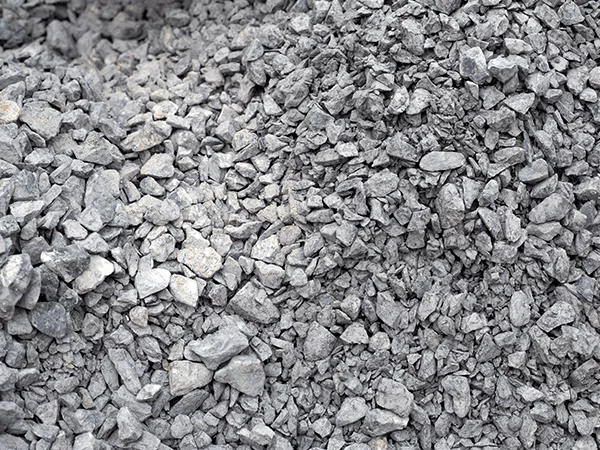
For structural bases and load-bearing layers, choosing the correct crushed stone is critical. Our 3/4 inch crushed stone is a go-to product for many contractors in the Village area because its angular particles interlock and provide strong compaction for foundations and base layers. The locally sourced 3/4 inch Crushed Stone performs well under heavy traffic and in freeze-thaw cycles commonly experienced in the region.
For finished surfaces where a more uniform appearance and good drainage are desired, #57 stone is frequently specified. Homeowners installing drainage trenches around properties off Short Pump or in the West End turn to #57 Stone for its consistent sizing and permeability. When sustainable options are preferable, crushed concrete can serve as an economical base while reducing waste; our Crushed Concrete option is a recycled alternative recommended for utility pads, temporary access roads, and parking areas.
Driveway and Pathway Materials
Choosing driveway materials in Village requires balancing aesthetics, durability, and maintenance. Traditional compacting bases like Crusher Run and Road Base form dense, stable foundations; we often specify crusher run for country lanes and road base for heavier commercial driveways. Over the compacted base, a wearing surface such as Driveway Gravel gives a finished look that works with both rural properties and trendy neighborhoods like Carytown or the Museum District.
For pedestrian routes, Walkway Gravel and decomposed granite are excellent choices. Walkways in the Village area, especially near historic districts like Church Hill and Shockoe Bottom, benefit from materials that compact well yet allow water infiltration. The fine texture of Decomposed Granite provides a stable, natural-looking surface for paths, patios, and garden edges.
Decorative Stone and River Rock
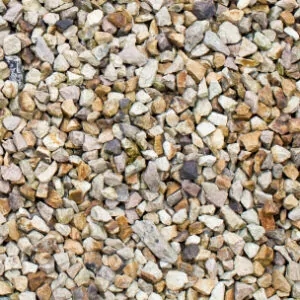
Decorative stone sets the tone for a landscape. Our selection includes small pea stones to large river rock. For ornamental beds and mulched areas, Pea Gravel offers gentle texture and comfortable footing around patios and planters. In locations where a natural riverbed look is desired—along creek restorations or rain gardens by Sandbridge or Belle Isle—our River Rock provides a durable, attractive element that handles runoff without breaking down.
All decorative stones are selected to match common regional palettes, from muted grays found in the Piedmont to warmer tones near Williamsburg. Decorative gravels are also ideal for low-maintenance xeriscapes that align with drought-prone summers.
Drainage Solutions for Village's clay and loam soil
Village sits in a transition zone where clay-rich patches and loamy soils appear within short distances. Average annual rainfall in the Village area is approximately 43.5 inches, with summer highs reaching near 88°F and winter lows sometimes dipping to around 22°F. These climate patterns, combined with seasonal freeze-thaw cycles and occasional heavy thunderstorms, mean that drainage planning is essential to prevent standing water and foundation issues.
Proper drainage design begins with selecting aggregates that allow runoff to move away from structures while resisting clogging and displacement. Products like drain rock and #57 stone are commonly used in French drains and dry creek beds because they maintain permeability under compressive loads. For projects near waterways or marshy zones around the coastal plain, heavier rock and vegetation buffers complement aggregate drainage solutions to slow erosion.
Benefits of Proper Drainage Aggregates (bullet list)
- Reduces hydrostatic pressure against foundations and retaining walls, protecting basements and crawl spaces.
- Prevents pooling and surface erosion on slopes and driveways, especially during spring storms.
- Improves longevity of paved surfaces by reducing water-related freeze-thaw damage.
- Supports healthier lawns and planted areas by directing excess water away from root zones.
For subsurface systems we recommend using Drain Rock around perforated pipe to ensure consistent flow, and #57 stone in top layers where additional filtration and stability are required. In many Village municipal projects, combining drain rock with geotextile fabric produces reliable performance in clay-heavy soils.
Soil Products and Fill Materials
Building or grading in Village often requires quality soil products to shape landscapes and support plantings. Our Topsoil is screened to remove debris and provide a fertile growing medium for gardens, lawn establishment, and tree planting in neighborhoods such as the Fan District, Church Hill, and Old Town Alexandria. For structural earthwork, our Fill Dirt is engineered for consistent compaction and low organic content, which makes it ideal for backfilling and elevating pads near commercial corridors like Short Pump and Carytown.
Topsoils in Village should be matched to existing site conditions; heavy clay areas benefit from amended topsoil mixes or sand incorporation, while sandy pockets near the coastal plain respond well to organic-rich topsoil. Contractors working in Ghent or the Freemason district often blend topsoil and compost to improve infiltration and plant establishment in urban tree belts.
Sand Products for Every Village Application
Sand is versatile in Village projects. For masonry and bedding, select a refined sand that meets local building codes. Mason Sand is ideal for brickwork, stone laying, and pointing mortar joints because of its consistent particle size and cleanliness, which influence the mortar's strength and finish.
Play areas and schoolyards in the Village metro, from small neighborhood parks near the Downtown Mall to playgrounds in Belmont, rely on safe surfacing materials. Our Playground Sand is screened and washed to remove fines and sharp fragments, producing a soft, forgiving layer appropriate for swingsets and play structures.
For drainage layers and concrete mixes, contractors often choose Washed Sand because of its low silt content and high permeability. Washed sand is commonly used in site drainage trenches around Kempsville and in beach restoration projects near Virginia Beach, and it improves concrete performance by yielding consistent water demand and strength characteristics.
| Sand Type | Best Applications | Texture | Common Uses in Village |
|---|---|---|---|
| Mason Sand | Mortar, bricklaying, bedding | Fine, consistent | Masonry on historic facades in Church Hill and Old Town |
| Playground Sand | Play areas, soft surfacing | Soft, screened | Neighborhood parks in Belmont and Downtown Mall |
| Washed Sand | Concrete, drainage, bedding | Medium, low silt | Site drainage for Short Pump developments and coastal projects |
Choosing the Right Aggregates for Your Village Project
Selecting aggregates in Village must account for local geology. The region transitions between the Piedmont's weathered rock and the coastal plain's sands and silts. Soils in the Village area often include clay loams that retain moisture, requiring materials that encourage lateral water movement away from foundations. Annual precipitation around 43.5 inches and temperature ranges with summer highs near 88°F and winter lows near 22°F mean that projects must tolerate both summer storms and winter freeze-thaw cycles.
For pavement bases, choose materials with strong compaction characteristics and good drainage. Materials like 3/4 inch Crushed Stone, Crusher Run, and Road Base are common. For surface layers and decorative finishes, options like Pea Gravel or River Rock may be selected depending on aesthetics and functional requirements.
| Aggregate Type | Best Applications | Size Range | Drainage Rating | Compaction |
|---|---|---|---|---|
| 3/4 Crushed Stone | Base layers, driveways | 3/4 inch to 1 inch | Medium | High |
| #57 Stone | Drainage, top layers | 1/2 inch to 1 inch | High | Medium |
| Crusher Run | Road base, driveway foundations | Various, fines included | Low | Very High |
| Pea Gravel | Decorative, patios | 3/8 inch | Medium | Low |
| River Rock | Erosion control, landscaping | 1 inch to 4 inches | High | Low |
| Decomposed Granite | Paths, permeable patios | Fines to 3/8 inch | Medium | Medium |
| Road Base | Commercial driveways, roads | Fines to 1 inch | Low to Medium | Very High |
| Drain Rock | French drains, subsurface drainage | 3/4 inch to 2 inches | Very High | Low |
Climate Considerations for Village Aggregates
Village's climate influences material selection: heavy summer rains require high drainage ratings in landscape beds and around foundations, while winter freezes require compaction-resilient base materials to minimize heaving. In neighborhoods sitting on clay-rich soils, such as some sections of the West End and Shockoe Bottom, increasing base thickness and using well-graded crushed stone reduces the risk of rutting and settlement during wet seasons.
For coastal-influenced areas closer to Virginia Beach and Sandbridge, salt exposure and sandy soils affect material longevity and vegetation choices. Using aggregates with compatible mineralogy and corrosion resistance extends the lifespan of installations in those zones.
Popular Village Project Applications (bullet list)
- Residential driveways and rural lane stabilization in Short Pump and Clement
- French drain installations and foundation perimeter drainage in Fan District homes
- Permeable garden paths and patio surfaces using decomposed granite near the Museum District
- Playground surfacing and school site grading in Belmont and Downtown Mall areas
Aggregate Delivery Throughout Village Metro
We provide bulk aggregate delivery across Village and the surrounding region, offering flexible load sizes for major contractors or a single cubic yard for homeowner projects. Delivery routes commonly include residential neighborhoods like Carytown, infrastructure projects through Shockoe Bottom, and commercial developments in Short Pump. Proper staging and scheduling ensure materials such as road base and crusher run are placed where required with minimal site disruption.
Our Village delivery service understands local permitting, weight limits on rural lanes, and coordination needed when servicing historic districts such as Old Town Alexandria or Freemason. For tight urban sites, we work with crews to deliver materials to specific access points or offload with smaller equipment when necessary.
Areas We Serve
We serve multiple neighborhoods and districts across the metro area including the Fan District, Church Hill, Shockoe Bottom, Short Pump, Carytown, West End, Belle Isle, Museum District, Downtown Mall, Belmont, Old Town Alexandria, Ghent, Freemason, Sandbridge, and Kempsville. These areas reflect the mix of urban, suburban, and coastal environments where specific aggregate solutions are required.
Nearby Cities Served
Our delivery network extends beyond Village to nearby cities including Richmond, Norfolk, Virginia Beach, Charlottesville, Alexandria, Williamsburg, Roanoke, and Lynchburg. This regional coverage allows contractors working across municipal boundaries to standardize materials and ensure consistent performance across projects.
Frequently Asked Questions About Gravel in Village
We deliver a full range of aggregates to Village, including structural crushed stone like 3/4 inch, #57 stone for drainage, crusher run and road base for foundations, decorative pea gravel and river rock, decomposed granite for pathways, and specialty sands for masonry and play areas. Specific products include 3/4 inch Crushed Stone, #57 Stone, Crusher Run, Road Base, Pea Gravel, River Rock, Decomposed Granite, Mason Sand, Playground Sand, and Washed Sand.
Delivery costs depend on distance, load size, and delivery access. Some nearby neighborhoods within Village metro may qualify for promotions or reduced delivery fees, but free delivery is not standard for all orders. For accurate pricing, provide the project address, load quantity, and site access details so we can provide a transparent delivery estimate.
Calculating material requirements depends on the area and desired depth. A standard rule is to multiply the area (in square feet) by the depth (in feet) to get cubic feet, then divide by 27 for cubic yards. For driveways in Village, a common design uses 4 to 6 inches of compacted wearing surface over a 6 to 8 inch compacted base. For more precise estimates, send measurements and project type and we'll help select the correct aggregate and volume.
Because Village has clay and loam pockets, well-graded crushed stone like 3/4 inch Crushed Stone and properly installed crusher run or road base are typically best for structural work. For drainage, #57 Stone and drain rock are effective. For surface aesthetics, pea gravel and river rock are popular. Soil testing and an on-site assessment help determine the best material for a particular location.
Yes. We deliver to the surrounding suburbs and small towns across the region, including Richmond, Norfolk, Virginia Beach, Charlottesville, Alexandria, Williamsburg, Roanoke, and Lynchburg. Logistics are coordinated to meet truck access, local ordinances, and timing constraints for each municipality.
Seasonality affects both material handling and installation timing. Spring and fall are peak seasons due to milder temperatures and favorable soil moisture. Winter can present challenges with frozen ground and limited compaction effectiveness, while summer's heat and occasional drought require attention to dust control and moisture-sensitive mixes. Planning deliveries around these seasonal windows helps ensure material performance.
Yes. Recycled aggregates such as crushed concrete are available and recommended for projects where sustainability and cost savings are priorities. Crushed concrete can replace virgin aggregate in many base and subbase applications, helping reduce landfill waste and lowering embodied carbon for projects in Village and surrounding communities.
Get Quality Aggregates Delivered to Your Village Property
Whether you are resurfacing a driveway in the West End, installing drainage for a new home near the Fan District, or building a playground in Belmont, choosing the right aggregates makes a measurable difference in performance and longevity. Our Village gravel delivery services supply everything from structural 3/4 inch crushed stone and crusher run to decorative river rock and pea gravel. We coordinate deliveries across neighborhoods like Carytown, Short Pump, Church Hill, Shockoe Bottom, and beyond, helping projects stay on schedule and within specification.
Experienced crews and knowledgeable staff guide product selection for local geology and climate. From specifying #57 Stone in drainage trenches to recommending Decomposed Granite for permeable paths and River Rock for erosion control, we bring regional expertise to every load delivered in Village and the surrounding metro.

Need help? Reach out for a quote: