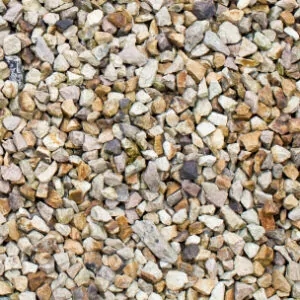

Buy Bulk Aggregates & Gravel in Appalachia, Virginia
Local Topsoil, Dirt, Sand, Rocks and Gravel near me in Appalachia, Virginia
Shop Aggregates for Delivery in Appalachia
Order online for free delivery to any Appalachia address.
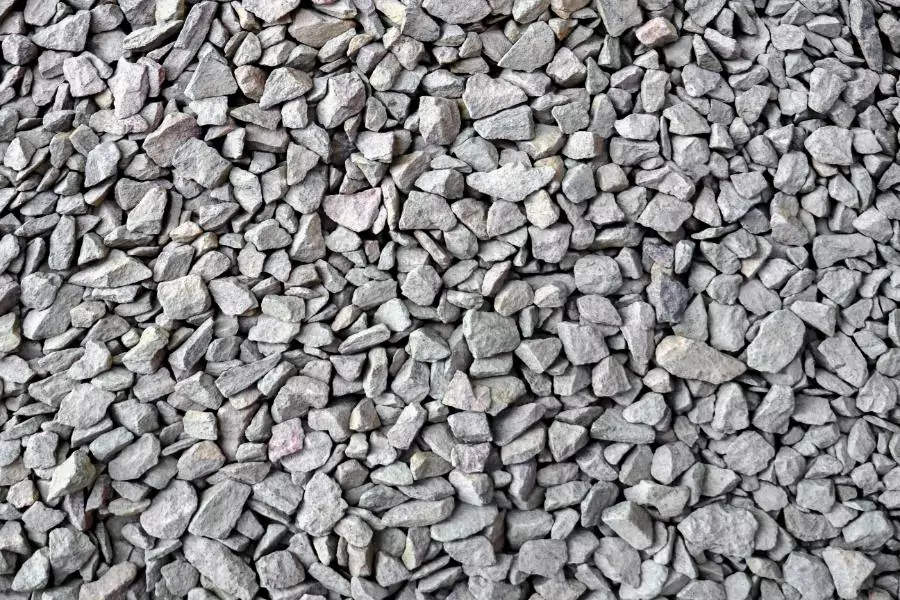
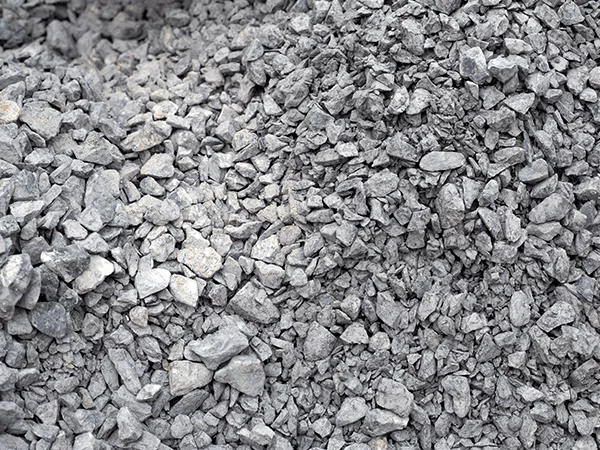


In Appalachia, VA — a longtime coal town nestled in the Appalachian Plateau and often called the "Coal Town" of Wise County — reliable aggregate supply and timely gravel delivery are essential for contractors, homeowners, and municipal crews. Our local knowledge covers everything from compacted driveways above Depot Street to decorative beds in the Appalachia Historic District, and we understand how local geology, steep valley grades, and seasonal rainfall affect material choice. Whether you're rebuilding a rural lane near Stonega or stabilizing a slope outside Big Stone Gap, our experience delivering bulk aggregates in Appalachia ensures the right product arrives when you need it.
Appalachia sits amid rolling ridges and narrow hollows where soils can vary dramatically within a few yards — from sandy alluvium along the Guest River to compacted clay and mine spoil on reclaimed benchlands. That variability is why professional aggregate selection and reliable delivery matter: the right base and drainage materials prevent washouts, reduce maintenance, and maintain access through freeze-thaw cycles. Below is a comprehensive guide to the aggregates we deliver in Appalachia, the neighborhoods and nearby towns we serve, and practical recommendations tailored to the climate and soils of Southwest Virginia.
Premium Aggregates Available for Appalachia Delivery
Gravel and Crushed Stone Products
For structural base and load-bearing applications in Appalachia, crushed stone is the industry standard. Our regional inventory is chosen to perform in local conditions where steep grades, acidic soils, and seasonal precipitation challenge unprepared surfaces. For example, contractors building driveways and parking pads in the Norton corridor often specify 3/4 inch Crushed Stone as a durable, interlocking base that resists rutting and packs well over geotextile fabrics. When a compactable intermediate layer is needed beneath asphalt or concrete, options such as Road Base and Crusher Run provide the stability that suburban and rural roads in the region require.
We also keep specialty crushed products that suit seasonal freeze-thaw conditions common in Appalachia, and we advise on layering techniques to reduce frost heave on slopes and approaches near the Guest River and tributaries running through Lester and Stonega neighborhoods.
Driveway and Pathway Materials
Driveways in the valleys and hollows of Appalachia need materials that combine good drainage with compaction. For long rural driveways leading up to cabins and homesteads outside the Appalachia Historic District, builders often choose Driveway Gravel blended with a compactable base layer. For walkways and garden paths in residential areas like the Main Street corridor or near Depot Street, Walkway Gravel and decorative products offer a comfortable walking surface that sheds water and looks tidy.
When a fine, stable walking surface is required on steeper grades or public paths near the coalfields, many clients prefer Decomposed Granite to create firm, natural-looking trails that blend with native plantings while draining effectively.
Decorative Stone and River Rock
For aesthetic accents in town centers or to armor stream edges around properties in Keokee or Coeburn, decorative stone choices such as Pea Gravel and River Rock are popular. Pea gravel is commonly used for patios and play areas where a smooth, rounded aggregate is desirable, while river rock adds scale and texture to drainage swales and planted beds in neighborhoods like Pound and Duffield. These decorative aggregates come in multiple sizes and color tones that blend with local stone and timber architecture.
Drainage Solutions for Appalachia's clay and shale soil
Appalachia's soils are heavily influenced by ancient coal measures: clay-rich horizons, silt, and weathered shale are common, and reclaimed mine areas can present engineered fill or shallow spoil layers. These substrates can hold water, leading to saturation and slow infiltration during prolonged rains. That makes targeted drainage solutions essential: properly sized aggregates in French drains, retaining wall backfill, and roadside ditches help channel water away from foundations and prevent undermining on steep slopes.
Benefits of Proper Drainage Aggregates
- Improved infiltration and reduced surface runoff during Appalachia's average 45.0 inches of annual rainfall, lowering erosion risk on valley slopes.
- Reduced frost heave and freeze-thaw damage to driveways and approaches during winter lows around 18 to 22 degrees Fahrenheit.
- Longer lifespan for road base and compacted surfaces because drainage aggregates like Drain Rock and #57 Stone prevent pore water pressure from compromising structural layers.
- Lower maintenance for culverts and swales in coalfield communities where heavy rains can mobilize fine sediments.
In practice, we recommend a combination of coarse drain rock and bedding stone to keep water moving. Along older reclaimed benches around Stonega and Honaker areas, placing a granular filter layer between disturbed soils and drain rock prevents clogging from silty topsoils.
Soil Products and Fill Materials
Site grading, planting beds, and recontouring for driveway approaches all require quality soil and fill products. For enriching lawns and garden beds in the Depot Street corridor and across residential lots in Appalachia, our screened Topsoil is blended to support local turf and native plant species adapted to acidic soils. For larger earthmoving tasks – regrading hollows, building berms, or bringing pads up to grade near Coeburn Road – we supply Fill Dirt that meets compaction and engineering specifications.
We advise combining topsoil with organic amendments in established gardens to correct acidity and poor structure common to Appalachian soils. For structural fills, compaction guidance is critical: uncontrolled lifts on previously disturbed mine spoils can lead to settlement, so we recommend mechanical compaction in 6- to 8-inch lifts using approved fill dirt and permeable aggregates for drainage pathways.
Sand Products for Every Appalachia Application
Sand is integral to many local projects—mortar work for historic masonry in the Appalachia Historic District, playground surfacing at community parks, and bedding for pavers and irrigation lines. We stock sand types suited to a variety of uses and local code requirements.
| Sand Type | Best Applications | Texture | Common Uses in Appalachia |
|---|---|---|---|
| Mason Sand | Mortar mixes, block bedding | Fine, angular | Historic brick repairs along Main Street and mortar for stonework |
| Playground Sand | Play areas, safety surfacing | Soft, rounded | School and park playgrounds in Big Stone Gap and Norton |
| Washed Sand | Paver bedding, concrete mixes | Clean, medium | Driveway apron leveling and concrete mixes for local contractors |
For masonry and mortar needs in historic restoration projects across the region, we supply clean Mason Sand that improves bond and reduces shrinkage. Where safe surfacing is required, community centers and schools order Playground Sand certified for impact attenuation. For contractors building paver patios and setting edging in the wildland-urban interface near Richlands or Clintwood, Washed Sand provides a clean bedding layer that resists organic contamination and washout.
Choosing the Right Aggregates for Your Appalachia Project
Choosing the correct aggregate for any job in Appalachia starts with an assessment of site conditions: slope, drainage, soil type, and exposure to runoff. The regional climate — average annual rainfall of about 45.0 inches, hottest summer highs near 85 degrees Fahrenheit, and winter lows that commonly drop to around 18 to 22 degrees Fahrenheit — means freeze-thaw cycles and heavy spring rains must inform material selection. Aggregates that drain well and compact properly reduce maintenance and extend pavement life.
| Aggregate Type | Best Applications | Size Range | Drainage Rating | Compaction |
|---|---|---|---|---|
| 3/4 Crushed Stone | Base layer, concrete subbase | 1/2 inch to 1 inch | Medium | High |
| #57 Stone | Drainage, gabion backfill | 3/4 inch | High | Low |
| Crusher Run | Driveway base, parking pads | 0 to 3/4 inch | Medium | Very High |
| Pea Gravel | Patios, play areas | 1/8 inch to 3/8 inch | Low | Low |
| River Rock | Decorative beds, swales | 1/2 inch to 4 inches | Very High | Very Low |
| Decomposed Granite | Paths, compacted surfaces | Fine to coarse granular | Medium | Medium |
| Road Base | Rural roads, approach pads | Varied, engineered blend | Medium | High |
| Drain Rock | French drains, retaining wall backfill | 3/4 inch to 2 inches | Very High | None |
Climate Considerations for Appalachia Aggregates
Appalachia's climate plays a central role in aggregate selection. With average annual precipitation near 45.0 inches and a temperature range that sees summer highs in the mid-80s and winter lows around 18 to 22 degrees Fahrenheit, materials must tolerate wet springs and freezing winters. Freeze-thaw cycles can heave poorly drained layers, so incorporating well-draining base stones and drainage rock is a standard practice across the valley corridors. Contractors in the area planning asphalt overlays or gravel road rehabilitation prioritize crushed stone and properly designed road base to mitigate seasonal movement.
Local geology — part of the Appalachian Plateau with coal seams, sandstone and shale outcrops — supplies plentiful local stone, but imported crushed stone may be recommended where angularity and interlock are required for high-traffic pads. For historic restoration in the Appalachia Historic District, matching visual character while improving drainage is often the goal.
Popular Appalachia Project Applications
Common projects in and around Appalachia include rural driveway rebuilds above the Guest River, trail stabilization for community parks, stormwater swales in steep backyards, and hardscape repairs in Main Street historic zones. For these uses, aggregate choices vary from functional bases to decorative finishes and include commercial and municipal scaled applications. Contractors often balance cost, durability, and environmental concerns when choosing materials near streams and municipal storm systems.
Aggregate Delivery Throughout Appalachia Metro
We deliver bulk aggregates across the Appalachia metro area and the surrounding Southwest Virginia region, serving individual homeowners, landscape professionals, and municipal departments. Our fleet can access narrow holler roads and rural lanes, and we coordinate with customers in steep neighborhoods to stage materials safely and minimize site disruption. Delivery logistics are planned around local weather, road conditions, and required offloading equipment.
Areas We Serve
From the Depot Street and Main Street corridors to the residential pockets around Stonega and Lester, we maintain regular delivery routes across Appalachia. We also serve properties on rural approaches toward Keokee and the scenic ridgelines above the Guest River. Our drivers are familiar with local landmarks and routes so that deliveries to places like the Appalachia Historic District, downtown business blocks, and remote farm lanes are efficient and predictable.
Nearby Cities Served
Our delivery footprint extends beyond Appalachia to nearby Southwest Virginia communities, including Big Stone Gap, Norton, Wise, Coeburn, St. Paul, Richlands, and Clintwood. We schedule bulk aggregate delivery for contractors and homeowners in these towns and along county roads that connect small coalfield communities, ensuring consistent supply across regional projects.
Frequently Asked Questions About Gravel in Appalachia
We deliver a full slate of aggregates for Appalachia projects: crushed stone for base layers, #57 Stone and drain rock for drainage, decorative river rock and pea gravel for landscaping, and specialty sands for masonry and play areas. We also stock crushed concrete for recycled applications and engineered blends for road base.
Delivery fees depend on haul distance, site access, and order size. We run occasional promotions for free delivery on large orders within defined zones, and we can provide a detailed delivery estimate for drop locations in the Depot Street, Main Street, and Stonega areas.
A typical 12-foot-wide driveway laid 4 inches deep requires approximately 0.7 cubic yards per 100 square feet; however, for a 6-inch compacted base you should plan on about 1.0 cubic yard per 100 square feet. Slope, soil type, and whether you use a compactable base like Crusher Run or a more porous top layer will change quantities. We help estimate yardage for projects in neighborhoods from Lester to Keokee.
Because many local soils are clay-rich or contain weathered shale, materials that promote drainage and resist movement are preferred. A combination of compactable base such as Road Base or 3/4 inch Crushed Stone with an upper wearing layer of driveway gravel or a porous surface minimizes frost heave and erosion on sloped sites near the coalfields.
Yes; we regularly deliver aggregates to Big Stone Gap, Norton, Wise, Coeburn, St. Paul, Richlands, Pound, and Clintwood. We can schedule deliveries to remote farm access points and coordinate permits for municipal streets when necessary.
Late spring through early fall is usually the most predictable period for deliveries and installation since ground conditions are drier. That said, we accommodate year-round deliveries and recommend coordinating deliveries before major freeze-thaw cycles or scheduled road work in the region.
Yes. For projects seeking lower embodied carbon or savings, we supply Crushed Concrete which performs well as base material for driveways and pads and reduces demand for virgin stone in the region.
Get Quality Aggregates Delivered to Your Appalachia Property
Whether you're repairing a driveway off Coal Creek Road, stabilizing a ravine behind homes near the Appalachia Historic District, or installing a patio in a Lester yard, choosing the right aggregate and scheduling timely delivery are essential. We serve residential and commercial customers across historic Main Street, Depot Street, Stonega, Lester, Keokee, Big Stone Gap, Norton, Wise, Coeburn, St. Paul, Richlands, Clintwood, Pound, Honaker, and Duffield. Our local experience in the unique geology and rainfall patterns of Southwest Virginia allows us to recommend materials—from Driveway Gravel to Drain Rock—that reduce maintenance and perform season after season.
When planning your next project in Appalachia, consider soil testing for clay content and compaction needs, factor in the local 45.0-inch annual precipitation average, and pick aggregates that match your drainage goals. Our team will help determine quantities and arrange delivery to remote hollers or downtown sites, always with attention to minimizing disturbance to landscape and historic features.
For playgrounds, parks, masonry projects, structural fills, and decorative beds across the Coal Town region and beyond, we deliver consistent, quality aggregates tailored to local conditions. From crushed stone for base layers to decorative river rock for streambank stabilization, count on local expertise for every cubic yard.

Need help? Reach out for a quote: