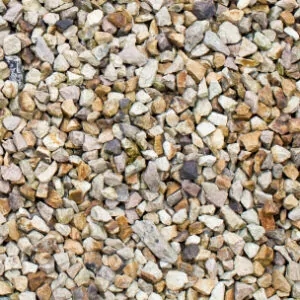
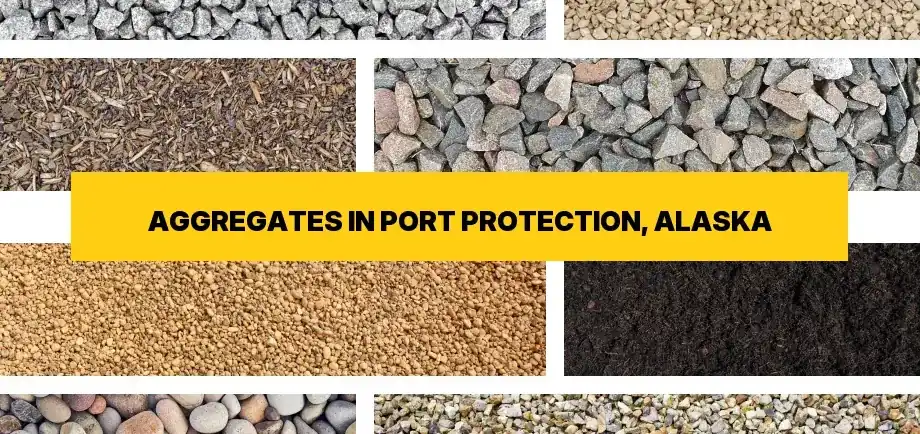
Gravel for Sale in Port Protection, Alaska
Local Topsoil, Dirt, Sand, Rocks and Gravel near me in Port Protection, Alaska
Shop Aggregates for Delivery in Port Protection
Order online for free delivery to any Port Protection address.


Port Protection, AK is a remote coastal community on the south side of Prince of Wales Island where reliable aggregate supply and careful site planning matter more than in easily accessible places. Whether you're maintaining a private float, repairing a seasonal access road, stabilizing a shoreline, or building a new bungalow in the Last Frontier outpost of Port Protection, the right aggregates and on-time delivery make the difference between a built-to-last project and repeated maintenance. Our services combine local knowledge of tides, barge scheduling, and coastal soils with a full inventory of bulk aggregates, sand, and soils specifically selected to stand up to Port Protection's climate.
In this guide you'll find detailed product recommendations, drainage solutions for the area's dominant wet soils, sand and soil choices for planting and play areas, and delivery coverage that includes small coves and long driveways in isolated neighborhoods. We serve pockets and inlets like Mitchell Bay and Hassler Harbor as well as larger Southeast Alaska hubs that act as shipping anchors for materials bound for Port Protection.
Premium Aggregates Available for Port Protection Delivery
Gravel and Crushed Stone Products
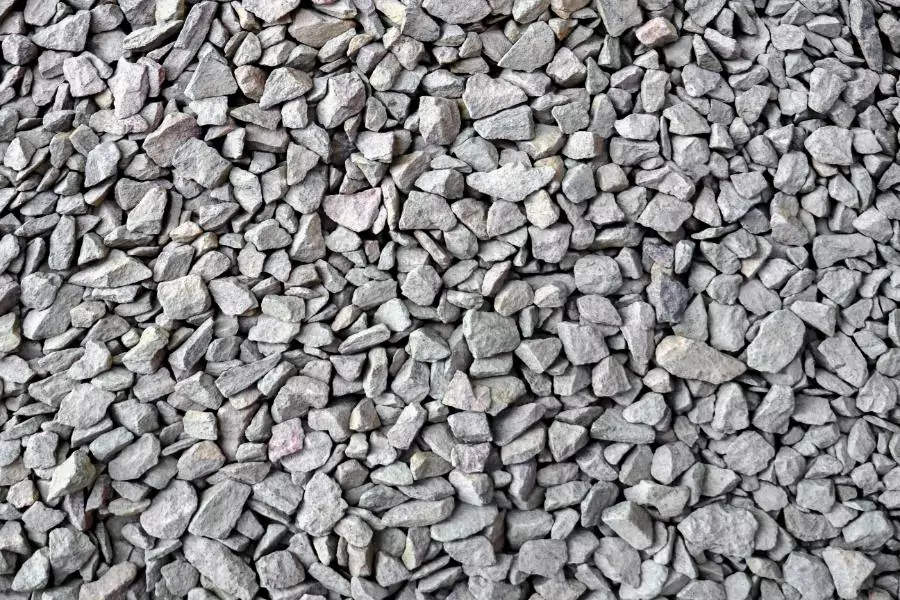
For structural and load-bearing layers in Port Protection, we supply a range of crushed stone sized and graded for compaction, drainage, and longevity. Our supply of 3/4 inch Crushed Stone is a common choice for building stable base layers beneath driveways and structures exposed to frequent rain and the freeze-thaw cycles experienced in Southeast Alaska. This product works well as a bedding layer under road base or as a compacted foundation for heavy equipment staging near the shoreline.
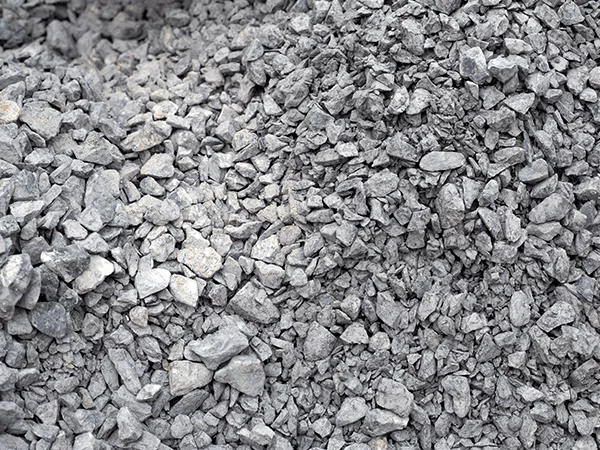
We also stock #57 Stone, which is particularly effective where rapid drainage is required, such as behind seawalls, around culverts, and in French drains for cabins perched above the tideline. These crushed stone sizes combine void space with angular surfaces to shed water while resisting displacement in tidal and high-rainfall environments.
Driveway and Pathway Materials
Driveways and access tracks in Port Protection demand materials that compact tightly and resist washout when storms run off steep forested slopes. For your driveway base consider Crusher Run or Road Base because these mixes bind under compaction to create a stable surface that is easier to maintain during wet months. For the wearing surface, a layer of Driveway Gravel adds a finished look and traction for vehicles on muddy approaches to remote docks and cabins.
For lighter-duty pedestrian routes, our Walkway Gravel provides a comfortable, low-maintenance surface that allows water to pass through and resists compaction into an impermeable crust, important in the damp microclimates around Port Protection's forested trails.
Decorative Stone and River Rock
Landowners in Port Protection often choose natural textures for erosion control and aesthetic shoreline treatments. Our selection includes smoothed River Rock in various sizes suitable for contouring around docks or creating visual buffers at cabin perimeters. River rock is also used to protect drainage outfalls from scouring in tidal influence zones.
For decorative beds and low-maintenance plantings close to homes and visitor cabins, Pea Gravel is sought after for its uniform size, pleasant feel underfoot, and ability to shed water away from foundations when installed with proper edging and geotextile separation.
Drainage Solutions for Port Protection's Coastal Temperate Rainforest Soil
Port Protection sits in a coastal temperate rainforest climate with an average annual rainfall that can exceed 120 inches in parts of Prince of Wales Island. Seasonal patterns bring heavy autumn and winter rains, frequent cloud cover, and mild summers with average highs around the mid-50s to low-60s °F and winter lows often near freezing but rarely plunging to extreme continental lows. These conditions produce saturated, often acidic forest soils with significant organic layers over glacially derived tills and bedrock outcrops. Nearshore sites may have a mixture of peat, organic loam, and compacted glacial gravels, so choosing drainage-capable aggregates is essential to prevent heave, rutting, and long-term erosion.
Proper drainage design in Port Protection must account for high rainfall totals, tidal influence near the shore, and soils that can remain saturated for extended periods. Aggregates used for drainage are selected to allow rapid percolation while resisting migration into surrounding silts and organic matter. In busy rain seasons, well-planned drainage extends the life of access roads, preserves dock structures, and protects household foundations against undermining.
Benefits of Proper Drainage Aggregates
- Improved longevity of driveways and roads by preventing water accumulation and washouts.
- Reduced maintenance frequency in high-rainfall months due to better runoff control.
- Protection of foundations and shoreline installations from erosion and undermining.
- Increased safety by minimizing muddy, slippery surfaces near homes and docks.
For perimeter and subsurface drainage use our Drain Rock in French drains and around culverts to create reliable outflow paths that will not collapse under tidal stress. Where drainage needs to combine filtration and load-bearing capacity, #57 Stone is a durable option that channels water while supporting pipes and structural footings against shifting soils.
Soil Products and Fill Materials
Building and gardening projects in Port Protection require quality soils to establish lawns, vegetable beds and to raise compacted areas above high water marks. We supply screened Topsoil that is blended for planting in coastal sites, with a focus on organic content suitable for native plantings and rehabilitating compacted clearings. Topsoil is frequently used to cap fill areas and promote rapid revegetation in disturbed sites.
For structural fills, grading, and raising road beds above the highest seasonal water table, durable Fill Dirt is available. Fill Dirt provides a stable mass for compaction where structural integrity is needed beneath road base or building pads, and when combined with proper drainage layers it helps prevent settlement in the long term.
We also include eco-conscious options such as Crushed Concrete for recycled base material where appropriate. Crushed concrete can serve as a cost-effective base or subbase layer in non-sensitive shoreline settings and reduces the need to haul virgin aggregates to remote sites.
Sand Products for Every Port Protection Application
Sand types play a specialized role in stonework, playground safety, masonry, and substrate blending in Port Protection. Below we compare the most commonly used sands and explain where each fits within local projects.
| Sand Type | Best Applications | Texture | Common Uses in Port Protection |
|---|---|---|---|
| Mason Sand | Mortar, bedding pavers, leveling | Fine, uniform | Used for building and maintaining stonework near cabins and docks |
| Playground Sand | Play areas, safety surfacing | Soft, cushioning | Safe surfacing for community play areas and private cabins |
| Washed Sand | Concrete mixes, drainage blends | Clean, coarse to medium | Preferred for concrete work and mixing with gravel on-site |
For masonry and paver projects in Port Protection, our Mason Sand is ideal because its fine grade provides consistent mortar mixes and levels well under patio stone. When installing play areas or finishing community park surfaces, Playground Sand meets safety cushioning needs while draining quickly. Where cleanliness is important for concrete batching and for mixing into permeable base layers we recommend Washed Sand, which is free of fines that can interfere with aggregate binding and drainage.
Choosing the Right Aggregates for Your Port Protection Project
Selecting aggregates for Port Protection demands a clear understanding of local climate, slope, tidal influence, and intended use. Aggregates that perform well in dry, inland climates often fail in the Last Frontier's constant moisture if they lack drainage or angularity for compaction. A layered approach — combining road base or crusher run as a compacted structural layer with a wearing course of driveway gravel — generally gives the best balance of strength and maintenance economy for private roads and driveways in the Port Protection area.
| Aggregate Type | Best Applications | Size Range | Drainage Rating | Compaction |
|---|---|---|---|---|
| 3/4 Crushed Stone | Base layers, bedding | 3/4 inch | Moderate | High with compaction |
| #57 Stone | Drainage, pipe surround | 1/2 to 1 inch | High | Low |
| Crusher Run | Road base, driveway subbase | Varied mix | Low-Moderate | Very High |
| Pea Gravel | Decorative beds, patios | 3/8 inch | Moderate | Low |
| River Rock | Shoreline armor, decorative | 1-6 inch | High | Low |
| Decomposed Granite | Compactable paths, xeriscape | Fine granular | Moderate | Moderate |
| Road Base | Primary roadbed | Mixed sizes | Low-Moderate | High |
| Drain Rock | French drains, culvert fill | 1/2 to 2 inch | Very High | Low |
Climate Considerations for Port Protection Aggregates
Port Protection’s climate is heavily influenced by maritime air, with average annual precipitation often exceeding 120 inches in localized pockets and monthly rainfall peaking in fall and winter. Average summer highs range from the mid-50s to low 60s °F, while winter lows hover near 28 to 32 °F in sheltered coves. These temperature ranges, combined with persistent moisture and limited freeze depth, mean that frost heave is moderate but prolonged saturation is the primary concern. Aggregates chosen for Port Protection must emphasize drainage, angularity, and resistance to biological clogging from organic soils.
Local geology includes glacially derived tills with pockets of sand and gravel lenses and extensive coastal bedrock exposures. In some areas, peat and organic soils overlie compacted glacial gravels, so it is common to excavate to stable material and install 3/4 inch Crushed Stone or Road Base as a subbase before placing top layers to ensure longevity under marine weather patterns.
Popular Port Protection Project Applications
- Private dock and float foundations where river rock and crushed stone stabilize riprap and drainage.
- Cabin driveway stabilization using crusher run and driveway gravel for traction on steep forested approaches.
- Trail and path construction through muskeg and wet understory using decomposed granite and walkway gravel.
- Seawall backfill and culvert surrounds with drain rock and #57 stone to prevent scour.
Aggregate Delivery Throughout Port Protection Metro
We coordinate marine logistics, barge schedules, and local offload to deliver aggregates to Port Protection properties with as little disruption as possible. Delivery planning takes into account tidal windows for small coves like Mitchell Bay, access restrictions at narrow anchorages, and road or trail transfers where barge landings are distant from permanent structures. Because Port Protection is remote, lead times are longer than for urban deliveries; we work with property owners in advance to align shipments with favorable weather and tide conditions.
Areas We Serve
Within Port Protection itself we frequently work in and around local anchorages and coves including Mitchell Bay, Hassler Harbor, Duck Cove, Iron Bay, Strawberry Bay and the immediate Port Protection Harbor areas. We also deliver to remote points along the island shoreline and private inlets that require barge transfer and short overland haul. Our crew is experienced with logging roads, float transfers, and temporary storage strategies suited to small community access points.
Nearby Cities Served
For projects that require staging off-island or barge consolidation we operate regularly out of Thorne Bay, Coffman Cove, Craig, Klawock, Hydaburg and Whale Pass. We also provide materials into larger southeast hubs such as Ketchikan, Wrangell, Petersburg and Sitka when customers prefer consolidated shipments or need supplemental materials. These nearby ports help anchor our delivery schedule and reduce time-on-site for complex Port Protection jobs.
Frequently Asked Questions About Gravel in Port Protection
Frequently Asked Questions About Gravel in Port Protection
We deliver a wide assortment of aggregates, including structural stone like 3/4 inch Crushed Stone and #57 Stone, base mixes such as Crusher Run and Road Base, decorative choices like Pea Gravel and River Rock, and specialty sands and soils for planting and play. We tailor materials to the site's access type and environmental conditions.
Due to barge, tide, and weather considerations common to the Last Frontier outpost, delivery is typically charged. In some cases we can offer promotions or bundled shipment discounts, but free delivery is not standard for remote island locations. We provide transparent quotes that account for marine transit, unloading, and any short-distance rehandling required on-site.
A basic guideline is to calculate the area in square feet and multiply by the depth in feet to get cubic feet, then convert to cubic yards. For example, a 12-foot by 100-foot driveway at 4 inches deep requires about 14.8 cubic yards. We can perform these calculations for you and advise on whether a structural base of 3/4 inch Crushed Stone or a compacted layer of Crusher Run is more appropriate based on local soil conditions.
Because Port Protection has saturated coastal soils and heavy annual rainfall, drainage-focused aggregates like #57 Stone and Drain Rock are excellent for subsurface drainage and culvert surrounds. For compacted road bases, Road Base and Crusher Run form robust substructures that handle wet seasons better than loose, rounded gravels alone.
Yes. We serve neighboring communities and delivery nodes such as Thorne Bay, Coffman Cove, Craig, Klawock, Hydaburg, Whale Pass and larger ports like Ketchikan and Wrangell, subject to barge schedules and tide constraints. Consolidating shipments through these hubs can reduce costs for larger projects.
Late spring through early fall typically provides the most predictable windows for barge landings and offload operations. Winter storms and extended periods of heavy rain can increase transit times and risk of weather delays, so planning ahead in the high season helps secure preferred dates and avoid last-minute rescheduling.
Get Quality Aggregates Delivered to Your Port Protection Property
Selecting the right aggregates for your Port Protection project requires local knowledge of tidal patterns, soils, and seasonal weather. Whether you need compactable base materials like Crushed Concrete for a reclaimed base, decorative River Rock for shoreline accents, or stabilized surfaces with Decomposed Granite for trails, we can recommend a solution tailored to your site.
Our team is familiar with the local districts and remote delivery challenges associated with Mitchell Bay, Hassler Harbor, Duck Cove, Iron Bay, Strawberry Bay, Thorne Bay, Coffman Cove, Craig, Klawock, Hydaburg and Whale Pass. We coordinate staging at nearby ports such as Ketchikan and Wrangell to streamline shipments bound for Port Protection. For children’s play areas or community parks we supply Playground Sand and for masonry or patio installations we deliver Mason Sand and Washed Sand as required.
For specialized drainage work around culverts and foundations choose Drain Rock and #57 Stone. If you're planning pathways that blend into the forest floor, consider Decomposed Granite or our Walkway Gravel for durable, low-impact trails that are sympathetic to the local ecosystem. For larger earthworks and stabilization, we supply Fill Dirt and screened Topsoil to restore and landscape disturbed areas.
Count on reliable aggregate delivery in Port Protection from experienced crews who know how to plan for tides, weather windows and sensitive shorelines. Contact us to discuss material selection, barge coordination and volume estimates so your Port Protection project starts on a solid foundation.

Need help? Reach out for a quote: