
Gravel for Sale in Excursion Inlet, Alaska
Local Topsoil, Dirt, Sand, Rocks and Gravel near me in Excursion Inlet, Alaska
Shop Aggregates for Delivery in Excursion Inlet
Order online for free delivery to any Excursion Inlet address.


Serving the sheltered fjords and rugged shorelines of Excursion Inlet, our local gravel delivery team specializes in supplying bulk aggregates to residents, lodges, small commercial operations, and park facilities in the Gateway to Glacier Bay. Excursion Inlet's coastal climate and glacial geology demand thoughtful aggregate selection; whether you are stabilizing a remote dock, resurfacing a private drive, building a raised garden bed, or improving drainage around a tide-swept property, we provide the materials and delivery options tailored to the region.
Because access to Excursion Inlet often relies on marine logistics and seasonal windows, we coordinate closely with clients in neighborhoods such as Bartlett Cove, Funter Bay, Daisy Island harbor areas, Johns Hopkins inlet approaches, and the small clusters of properties around Margerie Glacier viewpoints. We also serve nearby communities and activity hubs including Gustavus, Icy Strait boat dropoffs, and Glacier Bay camps, delivering aggregates and sands suited to local soil and weather conditions.
Throughout this page you'll find detailed information on our product selection, technical guidance for choosing base and drainage materials, sand comparisons, and coverage for projects typical of Excursion Inlet properties. Our local knowledge of freeze-thaw behavior, heavy rainfall patterns, and glacially influenced soils helps ensure you get the right materials for long-lasting results.
Premium Aggregates Available for Excursion Inlet Delivery
We stock a comprehensive inventory of aggregates for construction, restoration, and soft-surface projects in Excursion Inlet. Available materials include crushed stone for structural bases, decorative stone for shoreline aesthetics, and sands for bedding, masonry, and play areas. Our selection is curated to perform in the coastal rainforest climate of Southeast Alaska, where rainfall, salt spray, and glacial till interact with foundations and driveways every season.
Many projects in Excursion Inlet require both structural strength and permeability. Below are product categories and how they apply to projects from small walkways to access roads leading toward Icy Strait and neighboring coves. Each subsection contains practical recommendations and links to the specific materials we deliver.
Gravel and Crushed Stone Products
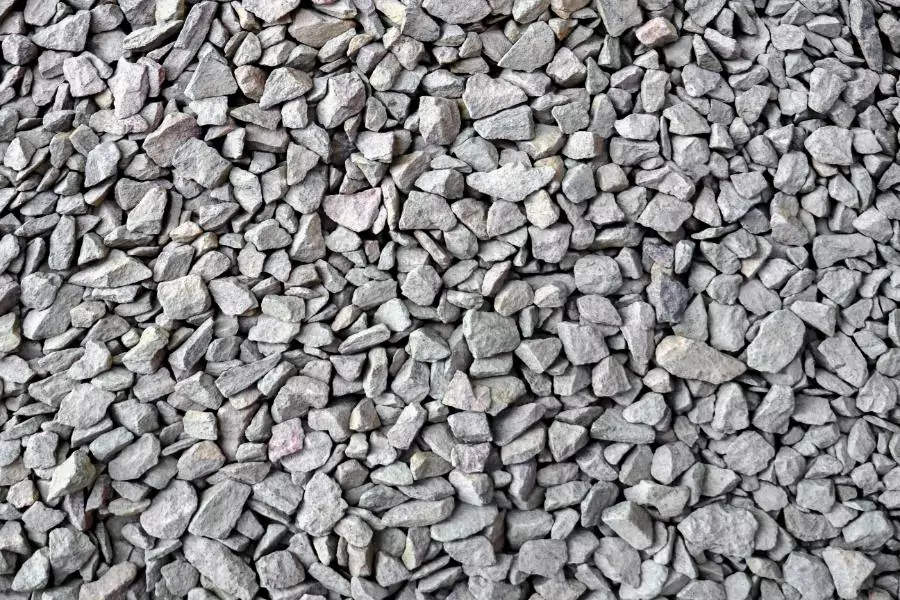
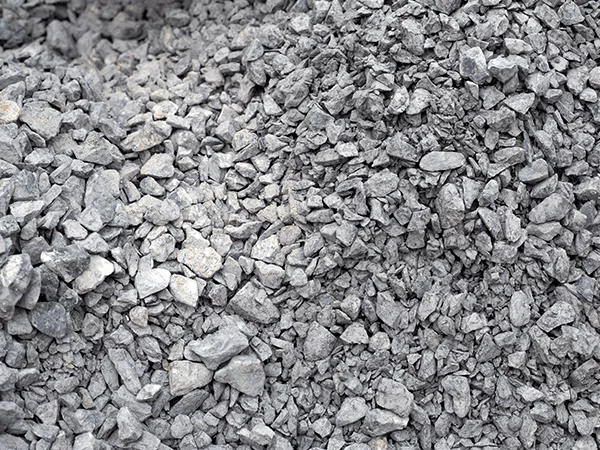
Crushed stone forms the backbone of durable bases for roads and heavy-use driveways. For structural layers and compaction under pavements, our 3/4 inch Crushed Stone is a reliable choice that locks together under compaction while allowing adequate drainage in wet coastal environments. Excursion Inlet properties that see vehicle traffic, small service trucks, and boat trailers benefit from a properly designed crushed stone base to resist rutting and washout.
Along with crushed stone, products like crusher run and road base create layered systems that resist frost heave and provide a stable matrix for surface gravels and paving. We recommend contractors in the Bartlett Cove and Johns Hopkins inlet areas specify layered designs so base materials shed water and distribute loads for years of performance.
Driveway and Pathway Materials
For surfaced access and walkways we offer materials that provide traction and appearance while fitting the coastal setting. For vehicle approaches that need good compaction and support, consider Driveway Gravel combined with a compacted base. Walkways and tighter paths through garden settings will often use Walkway Gravel or decorative blends that are comfortable underfoot and stable in wet seasons.
Where a smoother, more decomposed surface is preferred for footpaths, Decomposed Granite provides a compacted, natural-looking trail surface popular near camps around Margerie Glacier viewpoints and picnic areas. Compaction and edge restraint are important on trails that see runoff from steep slopes or frequent rain events.
Decorative Stone and River Rock
Coastal properties, visitor cabins, and park interpretive sites benefit from decorative stone that complements glaciated landscapes. Rounded River Rock is an excellent choice for shoreline accenting, dry creek beds, and visual erosion control because its smooth profile resists displacement and blends with local cobble. River rock sized for beach approaches is commonly used around Excursion Inlet docks and landing strips to soften transitions between water and land.
For patios, dog runs, and native-plant beds, Pea Gravel provides a softer walking surface and an attractive, low-profile topping that sheds water quickly. Pea gravel is commonly specified at lodge entrances and small guest cabins near Funter Bay to minimize tracking and mirror the shapes found in glacially polished streambeds.
Drainage Solutions for Excursion Inlet's coastal, rocky soil
Excursion Inlet sits within a glacial fjord system characterized by thin soils, exposed bedrock, moraines, and peat pockets in sheltered hollows. These conditions, combined with abundant precipitation, mean that any site work must plan for rapid drainage and stormwater conveyance. Selecting the right drainage aggregates prevents ponding, reduces saturated loads on foundations, and protects access routes from erosion.
Our drainage solutions are designed for the local geology: aggregates that resist clogging from organic-rich soils, materials that allow gravity-driven flow toward tidal outfalls, and stone sizes suitable for French drains and culvert bedding near coastal cabins and floatplane docks. We work with clients in nearby micro-communities such as Elfin Cove, Pelican approaches, and Admiralty Island camp sites to engineer practical aggregate-driven drainage paths that match each site's constraints.
Benefits of Proper Drainage Aggregates
- Improved subgrade stability: selecting angular, non-fines-bearing stone prevents saturation and reduces frost heave on pulled landings and driveways.
- Reduced erosion: using appropriate drain rock and rip-rap near shorelines and culverts slows water flow and protects banks.
- Extended lifespan of access surfaces: properly drained bases resist rutting and require fewer seasonal repairs.
- Better groundwater routing: well-graded stone improves infiltration in areas away from tidal influence.
Specific stone products like #57 Stone and Drain Rock perform exceptionally well in French drains, trench backfill, and culvert surround applications typical of Excursion Inlet's landscape. These aggregates strike a balance between permeability and structural stability, and they are commonly used in projects that abut Glacier Bay National Park boundaries or private boathouses subject to regular runoff.
Soil Products and Fill Materials
While much of Excursion Inlet is defined by shallow, rocky soils or peat-filled pockets, there are many projects that require imported soils and engineered fill. We supply soil products to support raised garden beds, septic bed backfill, building pads, and landscape restoration after trail or dock construction. Our soil inventory includes screened topsoil and structural fill options aimed at matching local expectations for plant establishment and compaction.
For planting and restoration in disturbed sites near Glacier Bay trails and picnic clearings, we recommend using Topsoil that is free of large debris and screened for planting success. Topsoil brought in for coastal gardens should be mixed and amended on-site to raise the organic content and buffer against salty spray that affects many native shrubs and grasses found in the region.
Where structural fills are required to create level pads or restore eroded slopes, our Fill Dirt provides a compactable, economical solution. Fill dirt is typically placed in lifts and compacted to create a reliable base for sheds, small access tracks, or dock approaches on reclaimed shorelines and moraine terraces near Johns Hopkins Inlet.
For projects focused on sustainability and reduced quarry impact, we also provide Crushed Concrete as an alternative base material. Recycled crushed concrete performs well as a base course for non-structural access roads, temporary staging areas, and work pads during seasonal operations in places like Gustavus staging areas and temporary camp roadways.
| Aggregate Type | Best Applications | Size Range | Drainage Rating | Compaction |
|---|---|---|---|---|
| 3/4 Crushed Stone | Base layers, access roads, driveways | 3/4 to 1 inch | Moderate | High |
| #57 Stone | French drains, culverts, drainage trenches | 3/4 inch | Excellent | Low |
| Crusher Run | Compacted driveway base, under pavers | Fine to 3/4 inch mix | Fair | Very High |
| Pea Gravel | Patios, play areas, decorative surfacing | 1/8 to 3/8 inch | Good | Low |
| River Rock | Shoreline accents, drainage outfalls | 1 to 6 inches | Excellent | Very Low |
| Decomposed Granite | Trails, compacted paths, historic-style walkways | Fine to 3/8 inch | Moderate | Moderate |
| Road Base | Long-term road base, heavy-use access | Graded mix | Fair | High |
| Drain Rock | Foundation drainage, retaining wall backfill | 1/2 to 2 inches | Excellent | Low |
Sand Products for Every Excursion Inlet Application
Sand types are a small but vital category for construction, bedding, and recreation in Excursion Inlet. From bedding utility pipes to creating safe surfaces for playgrounds at small community sites, selecting the right sand texture and cleanliness level affects compaction, drainage, and usability in the coastal environment.
We supply multiple sand grades so builders, lodge operators, and homeowners can match material properties to their needs on exposed shorelines and sheltered coves. Sand work near marine environments often requires washed or masonry-grade sands to avoid introducing fines that trap moisture against foundations.
Masonry projects—such as building chimneys or heritage stone walls at private cabins—benefit from a clean, consistent bedding sand. Our Mason Sand is screened and graded for laying block and stone without introducing excess fines or organics. Mason sand's uniform texture helps mortar joints cure evenly in cool, damp conditions found around Excursion Inlet.
For playground installations near community picnic areas or small educational facilities in the Glacier Bay region, safety and drainage are paramount. We deliver Playground Sand that meets safety specifications for cushioning and drains readily; it is free of glass and large debris and suitable for wet climates where pooled water can be a concern. Playground sand is often used in small settlement areas and seasonal camps where children are present.
When the project needs a clean bedding or drainage medium that resists compaction from salt-saturated water, Washed Sand is the preferred option. Washed sand works well under pavers, around drainage outlets, and as a bedding layer for stonework installed near tidal zones and stream mouths around Icy Strait and nearby channels.
| Sand Type | Best Applications | Texture | Common Uses in Excursion Inlet |
|---|---|---|---|
| Mason Sand | Mortars, bedding for block & stone | Fine, uniform | Chimney and structural masonry around cabins |
| Playground Sand | Play areas, safety surfacing | Medium, clean | Community play spaces near Bartlett Cove |
| Washed Sand | Bedding, drainage, paver joints | Coarse to medium, low fines | Bedding under pavers and drainage in tidal-adjacent sites |
Choosing the Right Aggregates for Your Excursion Inlet Project
Selecting the appropriate aggregates for a project in Excursion Inlet involves balancing structural requirements with the realities of tidal influence, high precipitation, and glacially influenced soils. Because the region experiences significant rainfall and periods of saturated ground, materials that combine permeability with angular interlock are often preferred for long-term performance.
When planning an installation near the dock at Daisy Island, a trailhead at Johns Hopkins Inlet, or a driveway leading up a moraine slope, be deliberate about base depth, underdrain placement, and the sequence of placement for road base and surfacing materials. Using layered systems—road base, 3/4 crushed stone, and a wearing course—gives the best protection against washouts and heavy seasonal flows.
| Aggregate Type | Best Applications | Ideal Depth | Notes for Excursion Inlet |
|---|---|---|---|
| 3/4 Crushed Stone | Base course under compacted surfaces | 6-12 inches | Resists movement in wet climate when well drained |
| Crusher Run | Driveway subbase | 4-8 inches | High compaction; add drain layer to avoid trapping water |
| Road Base | Access roads | 8-14 inches | Best for heavier loads approaching small lodges |
| Pea Gravel | Patios, decorative surfaces | 1-2 inches | Good for guest areas; drains well |
| Decomposed Granite | Compact walkways | 2-4 inches | Natural look; requires edge restraint |
Climate Considerations for Excursion Inlet Aggregates
Excursion Inlet lies in the temperate rainforest zone of Southeast Alaska, with average annual precipitation roughly 90 to 110 inches depending on microclimate and exposure. Summers are cool, with average highs in the 50s to low 60s°F, while winter lows commonly drop into the teens and lower 20s°F on calm nights. These conditions mean seasonal freeze-thaw cycles are present but moderate, while persistent rainfall and saturated soils are the dominant design drivers.
The local soils vary from thin glacial till and exposed bedrock on ridgelines to peat and organic loams in sheltered coves. Glacially derived gravels and cobbles are common near shorelines, with finer silts and organics in protected hollows. Because of this variability, designers and homeowners in the area often combine structural aggregates with subdrain systems and encapsulated pipe runs to manage high water tables and surface runoff.
Popular Excursion Inlet Project Applications
- Stabilizing boat landings and dock approaches with angular crushed stone and drain rock.
- Constructing compacted access roads and repaired pads for equipment staging near Glacier Bay trailheads.
- Designing French drains and culvert beds using #57 stone to keep cabins dry in heavy rain.
- Finishing guest paths and interpretive trails with decomposed granite for a natural, low-maintenance surface.
- Using river rock and pea gravel for aesthetic shoreline repairs and erosion control at small private coves.
Aggregate Delivery Throughout Excursion Inlet Metro
Our delivery operations to Excursion Inlet coordinate marine and barge transport as needed to reach remote docks, private landings, and park staging areas. We schedule deliveries to align with tide windows, weather forecasts, and access windows for unload crews. In many cases, materials are staged in Gustavus or at larger nearby hubs for final distribution to smaller sites like Elfin Cove or the Icy Strait shoreline.
We maintain awareness of landing conditions and ramp accessibility for sub-communities and neighborhoods such as Bartlett Cove, Funter Bay, Daisy Island, Johns Hopkins Inlet access points, Margerie Glacier viewing sites, and smaller settlements near Admiralty Island. Our teams plan loads to minimize handling and reduce the number of transfers you need to make on narrow boat ramps or small barge landings.
Areas We Serve
Within Excursion Inlet itself we serve properties along the main inlet shoreline, small clusters of cabins in sheltered coves, and park-adjacent service roads. Neighborhoods and site clusters often referenced locally include Bartlett Cove approaches, Daisy Island slip areas, Funter Bay moorages, Johns Hopkins trailheads, Margerie Glacier access points, and trail service zones near Icy Strait fishing camps.
Nearby Cities Served
Our coverage extends to nearby towns and transport hubs to support multi-stop projects and staging. These include Gustavus, Juneau, Haines, Skagway, Sitka, Ketchikan, Petersburg, and Yakutat. Delivery schedules to these towns and onward to Excursion Inlet are coordinated to reduce costs and minimize marine transit time.
Frequently Asked Questions About Gravel in Excursion Inlet
We deliver a full range of aggregates including 3/4 inch crushed stone, #57 stone, crusher run, road base, drain rock, pea gravel, river rock, decomposed granite, walkway gravel, and driveway gravel, plus recycled crushed concrete, topsoil, fill dirt, and multiple sand types suitable for construction and recreation in coastal settings.
Delivery depends on order size, destination, and marine logistics. For larger bulk orders and some local promotions we may offer free delivery Excursion Inlet; contact our logistics team with your project details to check eligibility and scheduling.
Estimating gravel quantities requires knowing the area and depth. As a rule of thumb, a 12-foot-wide driveway at 4 inches depth uses about 1.5 cubic yards per 100 square feet; deeper bases need more. We provide project estimates and can help calculate volumes for bulk aggregates Excursion Inlet orders.
Given thin glacial soils and heavy rainfall, use angular, well-draining stone for base layers (such as 3/4 inch crushed stone) and #57 stone or drain rock for drainage features. Crusher run is good for compacted bases but pair it with drainage layers to avoid trapped moisture in saturated sites.
Yes. We deliver to surrounding communities such as Gustavus, Juneau, Haines, Skagway, Sitka, Ketchikan, Petersburg, and Yakutat, coordinating marine transport and staging to reach remote sites efficiently.
The ideal season is late spring through early fall when marine access and weather windows are more predictable. We can schedule winter deliveries with adequate lead time, but expect additional logistical planning and potential delays during storms and heavy freeze events.
Yes. We offer crushed concrete and other recycled aggregate options that reduce quarry extraction and often perform well as base materials for temporary roads, pads, and eco-conscious builds around Glacier Bay and Admiralty Island areas.
Get Quality Aggregates Delivered to Your Excursion Inlet Property
Whether you are improving a dock approach near Bartlett Cove, building a trail to a Johns Hopkins overlook, or resurfacing a remote access road that crosses moraine and peat, we provide the right aggregates for the job. Our local teams understand the unique challenges of the maritime, glacial, and coastal soils around Excursion Inlet and can recommend mixes and delivery sequences to minimize disturbance and maximize long-term performance.
From structural items like Crusher Run and Road Base for heavy duty access, to soft-surface finishes such as Walkway Gravel and decomposed granite for interpretive trails, our selection is positioned to meet both functional and aesthetic needs around Excursion Inlet. For shore-facing erosion protection or beach restoration work, rounded River Rock and clean drain rock supply the stability required in high-energy zones.
We also support specialized projects with Topsoil for revegetation, Fill Dirt for leveling and pad preparation, and a range of sands including Mason Sand, Washed Sand, and Playground Sand for finishing and safety surfaces. For projects that require permeability and resistance to washout, consider #57 Stone and Drain Rock to maintain effective sub-surface flow.
We frequently work with builders, park stewards, and homeowners in the Excursion Inlet area—whether in the small hamlets around Daisy Island, service roads leading to Margerie viewpoints, or staging areas that support seasonal fisheries and visitor services. Contact our team to coordinate material types, volumes, and delivery logistics to your specific landing or access point. For sustainable base options, we provide Crushed Concrete as an effective recycled material for many support applications.
We also offer decorative options like Pea Gravel for patios and guest areas and specialist surfacing options such as 3/4 inch Crushed Stone for structural bases near high-use marine facilities. For detailed project planning and scheduling through the seasonal windows that affect Excursion Inlet, our staff can provide timelines and volume calculations to ensure your aggregates arrive when you need them.

Need help? Reach out for a quote: