Order Topsoil, Stone & Gravel in Tie Siding, Wyoming
Local Topsoil, Dirt, Sand, Rocks and Gravel near me in Tie Siding, Wyoming
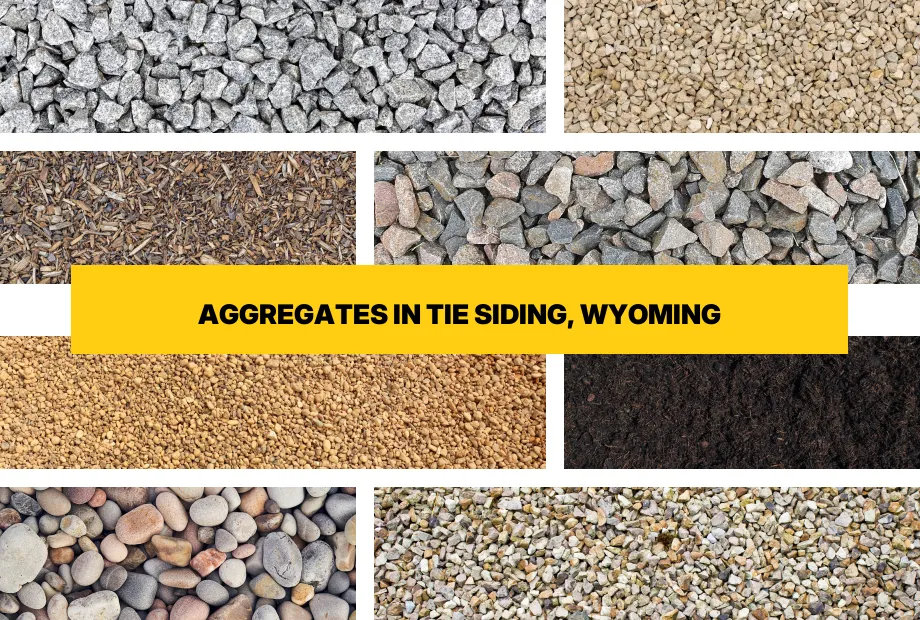
Shop Aggregates for Delivery in Tie Siding
Order online for free delivery to any Tie Siding address.


Tie Siding, Wyoming sits amid high desert plateaus and sagebrush flats, and property owners here need aggregates that stand up to wide temperature swings and low precipitation. Whether you have a rural driveway outside Rock Springs, a ranch access road near Flaming Gorge, or a decorative garden path in the small cluster of homesteads around Tie Siding, reliable aggregate delivery and informed material selection are essential. Our Tie Siding team combines regional knowledge with full-service delivery to match the right aggregate to the soil and climate conditions you face in the Cowboy State.
We’ll walk through the most commonly used aggregates in this region, explain how local rainfall, freeze-thaw cycles, and soil chemistry affect performance, and show how to pick base materials, drainage stone, decorative rock, sand, and soil products for projects across Tie Siding and nearby communities.
Premium Aggregates Available for Tie Siding Delivery
Gravel and Crushed Stone Products
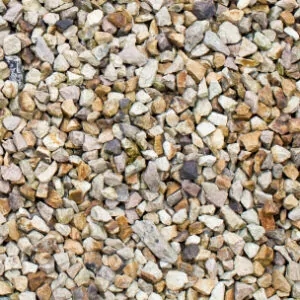
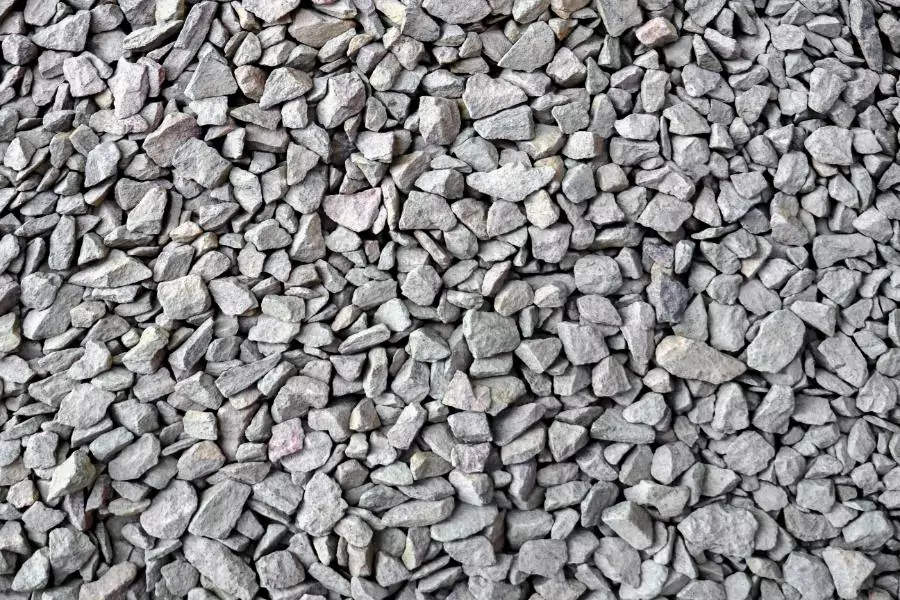
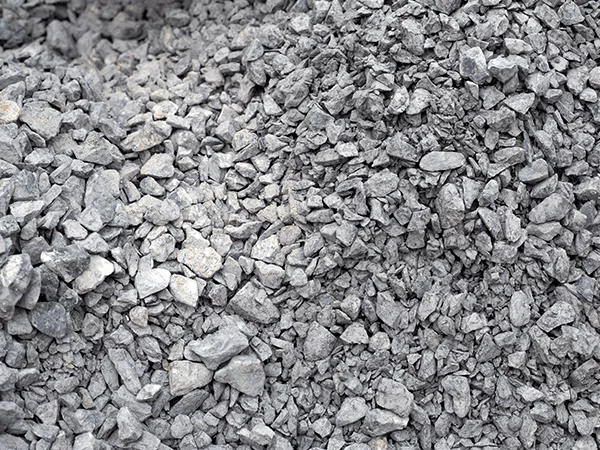
For structural layers and long-lasting surfacing in Tie Siding, contractors and homeowners often start with a compactable aggregate like 3/4 inch Crushed Stone. This sized crushed stone provides a firm, interlocking base that resists rutting when properly installed. In the region's alkaline loam and clay soils, a well-drained crushed stone base reduces frost heave and surface deformation during spring thaw. For finishes and surface textures, #57 Stone is commonly used in drainage trenches and as a clean rock layer beneath pipes and gutters because of its angular shape and consistent size. When you need a recycled, economical option for large fills or temporary roads, Crushed Concrete offers a lower-cost alternative while supporting sustainable construction practices in Tie Siding.
Large-scale access roads and driveways often require a combination of materials layered for strength. Materials such as Crusher Run bind well because the mix of fines and fractured rock compacts tightly, which is advantageous for the seasonal freeze in the area. For major structural sections and under heavy equipment tracks, Road Base provides a stable, engineered foundation; it is often used beneath asphalt or heavier gravel surfacing on ranch entrances and county lanes around Tie Siding.
Driveway and Pathway Materials
Choosing the right driveway top layer for Tie Siding must balance traction, dust control, and maintenance. For many rural properties, the preferred surfacing is Driveway Gravel, which includes angular and rounded blends that compact and shed water. For pedestrian routes and ornamental paths that require a smooth, accessible walking surface, Walkway Gravel offers a finer, well-graded option that is comfortable underfoot and good for front-yard designs in established areas like the community near Fort Bridger or along the Overland Trail corridor.
Decomposed granite is another popular pathway material because it compacts to a firm, low-maintenance surface that fits the western aesthetic found throughout Tie Siding and nearby neighborhoods. We stock Decomposed Granite suitable for terraces, patios, and low-profile walkways that mirror the arid landscape and require minimal irrigation.
Decorative Stone and River Rock
For xeric gardens and rockscapes in Tie Siding, landscape designers favor Pea Gravel and River Rock as accent materials. Pea gravel offers a fine texture ideal for dry creek beds and playground borders while allowing quick surface drainage during spring runoff. River rock provides an organic rounded appearance and is often used around water-wise plantings and near irrigation outlets in properties toward Flaming Gorge and the Red Desert.
Decorative aggregates in Tie Siding are selected not only for looks but also for how they interact with the wind-driven dust and infrequent storms. River rock and pea gravel hold up well under strong gusts and need little maintenance, making these materials a sensible choice for the wide open lots and ranch gardens common around Tie Siding.
Drainage Solutions for Tie Siding's alkaline loam and clay soil
The soils around Tie Siding are predominately alkaline loam with clay pockets and occasional caliche layers. These soil types retain water near the surface and can impede lateral drainage, making targeted rock and stone choices essential. With an average annual rainfall of about 9 inches, most runoff events are short but can be intense during spring snowmelt, and well-designed drainage systems prevent erosion and surface saturation.
Properly sized drainage aggregates help protect foundations, driveways, and irrigation systems by promoting rapid water movement away from structures. In the high desert climate of Tie Siding, freeze-thaw cycles—where summer highs can reach around 85°F and winter lows commonly fall to about -10°F—amplify the need for rock that maintains void space and resists frost heave.
Benefits of Proper Drainage Aggregates
- Reduces hydrostatic pressure against foundations and retaining walls, especially in compacted clay soils.
- Improves road and driveway longevity by preventing water pooling under surfacing layers.
- Protects buried infrastructure such as pipes and culverts by providing uniform, non-settling support.
- Minimizes erosion during sudden spring runoff and heavy wind-driven storm events common to the region.
For trench backfill and collective drainage layers we supply purpose-sized rock like Drain Rock that maintains voids for water flow. Where a compactable yet porous base is needed beneath a driveway or patio, #57 Stone works well as it resists clogging from fine silts common in local soils.
Soil Products and Fill Materials
Beyond rock and sand, quality soil plays a crucial role in landscape restorations, planting projects, and grading. We deliver screened Topsoil tailored for new lawn installations, garden beds, and tree planting in Tie Siding's alkaline, often nutrient-poor soils. Proper topsoil selection ensures plants establish more quickly and requires less amendment when mixed into existing loam and clay substrates.
For bulk earthwork, building pads, and raising low-lying areas to improve drainage across a parcel, we provide clean Fill Dirt. Fill dirt is useful for driveways, building platforms, and leveling yards before surfacing with gravel or paving. Because Tie Siding properties can have variable native soils, using consistent fill material reduces differential settlement and improves compaction results during grading.
When combining soils with aggregates, local contractors often blend topsoil with sand or decomposed granite to create drought-tolerant garden mixes suited for the high desert. Proper soil grading and compaction protocols reduce winter frost-related heave and are part of a durable installation plan for rural properties around Tie Siding and neighboring areas like Rock Springs and Green River.
Sand Products for Every Tie Siding Application
Sand serves multiple roles on Tie Siding properties: bedding for pavers, playground surfaces that meet safety requirements, and masonry mortars that can tolerate the dry climate. Our sand products are sorted and washed to local standards so they perform appropriately in each application.
Masonry work around homes and outbuildings in Tie Siding relies on clean, uniform sand for predictable mortar mixes. For this purpose we supply Mason Sand, a fine-textured sand ideal for mixing with cement and lime to form consistent mortar beds and for fine grading prior to paver installation.
For safe, durable play surfaces in community parks or private yards near areas like Fort Bridger and the Overland Trail, we offer Playground Sand. This product is washed to remove fines and organic material, meeting safety standards for cushioning and drainage so it performs through seasonal temperature swings.
When projects need a cleaner, coarser bedding and drainage sand—such as behind retaining walls or under slabs—we provide Washed Sand. Washed sand reduces compaction-related settlement and allows for easier leveling over native soils that can be high in silt or clay in the Tie Siding area.
| Sand Type | Best Applications | Texture | Common Uses in Tie Siding |
|---|---|---|---|
| Mason Sand | Masonry mortar, paver bedding | Fine, uniform | Masonry around ranch houses and small retaining walls |
| Playground Sand | Play surface cushioning | Clean, rounded | Schoolyards and private play areas near Rock Springs and Green River |
| Washed Sand | Drainage, bedding, backfill | Coarse, clean | Under slabs and behind walls where freeze-thaw is a concern |
Choosing the Right Aggregates for Your Tie Siding Project
Selecting the correct aggregate for a Tie Siding project begins with understanding the intended use and the local site conditions. For structural bases under heavy loads, choose compactable mixes like crusher run and road base. For drainage and pipe bedding, prefer angular stones with larger voids such as #57 stone and drain rock. For decorative surfaces that require permeability and a natural look, pea gravel and river rock are excellent choices. Because Tie Siding experiences low annual precipitation—around 9 inches per year—and significant daily temperature swings, choosing aggregates that handle freeze-thaw and resist erosion is crucial.
When planning a driveway or access road, layer design matters. A typical rural driveway near Tie Siding will have a subgrade that is stabilized or compacted, a road base layer to distribute loads, and a surface layer for traction and wear resistance. Each layer benefits from specific product selection to manage the local soil chemistry and climate load cycles.
| Aggregate Type | Best Applications | Size Range | Drainage Rating | Compaction |
|---|---|---|---|---|
| 3/4 Crushed Stone | Base layers, driveways | Approximately 3/4 inch | Moderate | High |
| #57 Stone | Drainage, trenches, pipe bedding | 1/2 to 1 inch | High | Low |
| Crusher Run | Driveway base, heavy use lanes | Mixture of fines to 1-1/2 inch | Low to Moderate | Very High |
| Pea Gravel | Decorative surfacing, drainage top layers | 3/8 inch rounded | Moderate | Low |
| River Rock | Accent beds, water features | Various sizes to 3 inches | High | Very Low |
| Decomposed Granite | Paths, patios, xeriscape surfaces | Fine to small granular | Moderate | Medium |
| Road Base | Structural base for roadways and pads | 0 to 1-1/2 inch mix | Moderate | High |
| Drain Rock | French drains, slope drainage | 1/2 to 2 inches | Very High | Low |
Climate Considerations for Tie Siding Aggregates
Tie Siding's climate features hot, dry summers and cold winters. Average summer highs approach 85°F, while winter lows can average around -10°F. The limited annual rainfall—about 9 inches—means erosion from rainfall is less of a concern than wind-driven soil movement and snowmelt. The diurnal temperature swings and freeze-thaw cycles require aggregates that won't trap moisture in fine pores where it can freeze and cause heaving. Using angular, well-graded crushed stone for bases and reserving rounded gravels for surface decoration helps balance longevity and performance in this climate.
Soil alkalinity and clay content in local loam profiles make proper subgrade preparation and choice of permeable layers important. Where salts or caliche are present, drainage layers built with clean, washed rock help protect subgrade materials and paved surfaces from corroding effects and moisture retention.
Popular Tie Siding Project Applications
- Ranch driveway reconstruction and heavy equipment access roads using road base and crusher run.
- French drain systems and foundation perimeter drainage with drain rock and #57 stone.
- Low-water garden beds and xeric pathways using decomposed granite and pea gravel.
- Decorative rock beds and entry accents with river rock and colored pea gravel.
- Play areas and community surfacing with playground sand for safety and drainage.
Aggregate Delivery Throughout Tie Siding Metro
We deliver bulk aggregates across Tie Siding and to surrounding neighborhoods and areas including Rock Springs downtown and West Side, Green River, Evanston's historic district, Kemmerer, Pinedale, Lander, Jackson outskirts, Laramie, Fort Bridger, the Flaming Gorge area, the Red Desert, and White Mountain zones. Whether you are located near the Overland Trail corridor, the Bitter Creek drainage, or an isolated ranch entrance, our trucks are equipped to reach remote sites and place materials where you need them. We service a wide range of access points from paved county roads to gravel two-tracks.
Areas We Serve
Local deliveries span the Tie Siding community's immediate surroundings, reaching private properties, farms, county roads, and municipal sites. Specific neighborhoods and rural clusters we routinely serve include parcels along Uinta Bench, properties near the Fort Bridger Historic Site, the residential pockets adjacent to the Flaming Gorge Highway, small subdivisions outside of Rock Springs, and dispersed homesteads throughout the Red Desert transition zone. Our scheduling accounts for snow closures and seasonal road wear to optimize delivery timing.
Nearby Cities Served
We coordinate deliveries to nearby cities and towns to ensure timely supply for projects across southwestern Wyoming and beyond. Regular delivery destinations include Rock Springs, Green River, Evanston, Kemmerer, Pinedale, Lander, Jackson, and Laramie. For builders operating in larger municipal projects, we offer consolidated loads and staged deliveries to match construction timelines and staging areas in these cities.
Frequently Asked Questions About Gravel in Tie Siding
We deliver a full range of aggregates including 3/4 inch crushed stone, #57 stone, crusher run, road base, drain rock, pea gravel, river rock, decomposed granite, walkway gravel, driveway gravel, plus sand products and soil like topsoil and fill dirt. We also carry recycled crushed concrete for eco-conscious projects.
Delivery costs depend on distance, load size, and site access. We offer promotional free delivery to qualifying nearby areas and bulk orders; contact our Tie Siding dispatch for current eligibility and terms.
A rough estimate is 1 cubic yard per 100 square feet per inch of depth. For a typical rural driveway surface you may need 4 to 6 inches of surface gravel over a compacted base, and for a structural base layer you may need 6 to 12 inches of road base or crusher run depending on anticipated loads.
Because Tie Siding has alkaline loam and clay soils and cold winters, we commonly recommend durable base materials like 3/4 inch crushed stone, crusher run, and road base for structural integrity, and #57 stone or drain rock where drainage is critical. Decomposed granite and pea gravel work well for low-water decorative surfaces.
Yes. We regularly deliver across the region, including Rock Springs, Green River, Evanston, Kemmerer, Pinedale, Lander, Jackson, and Laramie, scheduling loads to meet project timelines and road conditions.
Spring through fall is the most convenient time due to better access and thawed ground. However, we can schedule winter deliveries with attention to frozen ground and snow removal needs for rural driveways and emergency repairs.
Yes. We offer Crushed Concrete and other recycled aggregates for projects that prioritize sustainability and cost savings while maintaining performance standards for bases and temporary roadways.
Get Quality Aggregates Delivered to Your Tie Siding Property
Choosing the right aggregates for Tie Siding requires an understanding of local climate, soil, and use-case specifics. For load-bearing applications, base products like 3/4 inch Crushed Stone, Crusher Run, and Road Base provide the structure needed to resist thaw and freeze stresses. For drainage and pipe bedding, use Drain Rock and #57 Stone. For decorative surfacing that complements the region’s natural palette, consider Pea Gravel, River Rock, or Decomposed Granite.
We support projects across Tie Siding neighborhoods and nearby districts including downtown Rock Springs, Green River corridors, areas near Fort Bridger, residential pockets around Flaming Gorge, and rural lanes toward the Red Desert. Whether your priority is a durable driveway, effective drainage, a safe playground surface, or a low-water ornamental landscape feature, we provide technical guidance and timely aggregate delivery to match the unique conditions found in this part of Wyoming.
For masonry, surfacing, and play areas, remember that Mason Sand, Washed Sand, and Playground Sand have distinct roles and should be specified according to the installation. When preparing planting or turf areas, the addition of clean Topsoil and properly placed Fill Dirt sets the stage for healthy vegetation and long-term stability.
Deliveries are scheduled to account for seasonal access and local road conditions. From single cubic yard loads for homeowner projects to bulk truckloads for commercial sites, our Tie Siding service area includes prompt logistics, knowledgeable staff who understand local geology and climate impacts, and a full catalog of aggregates to complete projects that last.

Need help? Reach out for a quote: