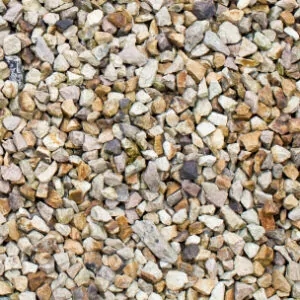

Order Topsoil, Stone & Gravel in Lake Powell, Utah
Local Topsoil, Dirt, Sand, Rocks and Gravel near me in Lake Powell, Utah
Shop Aggregates for Delivery in Lake Powell
Order online for free delivery to any Lake Powell address.
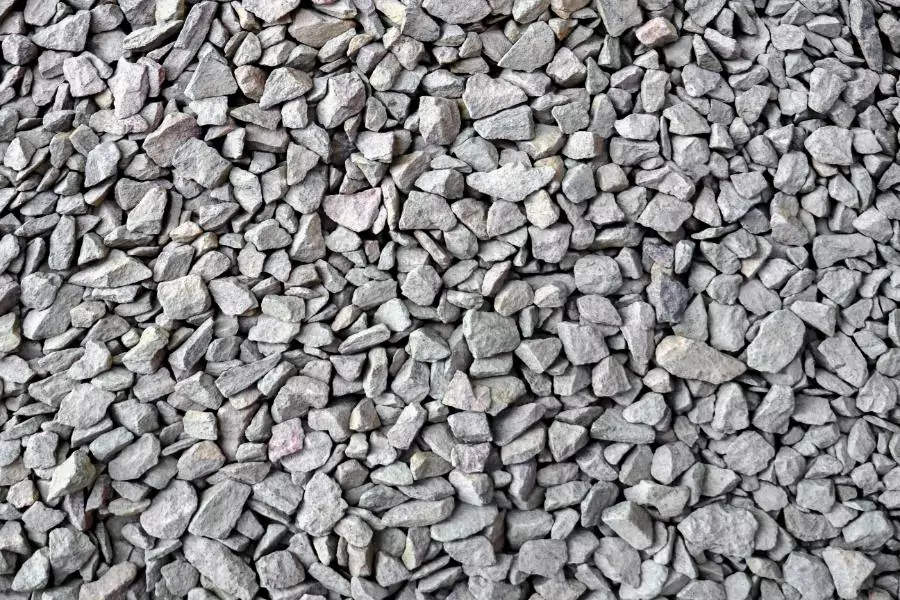
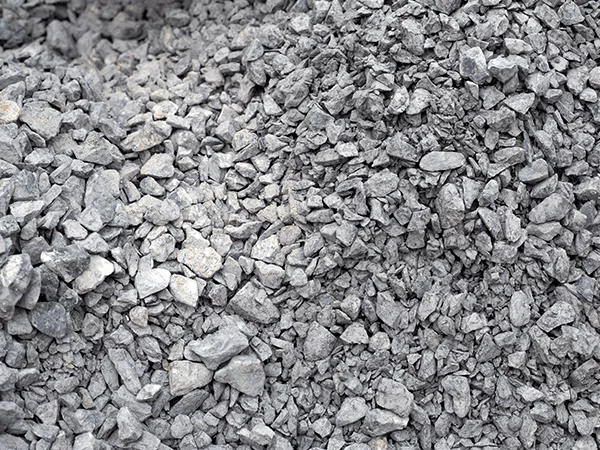


Lake Powell sits at the heart of the Colorado Plateau and serves homeowners, marinas, ranchers, and recreation facilities across an arid, dramatic landscape. Whether you're stabilizing a boat ramp near Wahweap Marina or surfacing a short access road around Bullfrog Bay, choosing the right aggregates and scheduling reliable gravel delivery in Lake Powell can make the difference between a stable surface and maintenance headaches. This page explains our product selection, delivery coverage, and local recommendations informed by Lake Powell's canyon geology, seasonal monsoon patterns, and caliche-rich soils.
We serve the broader Canyon Country recreation corridor with on-time delivery for projects ranging from small pathways and playgrounds to large driveway and road base installations. Read on for detailed guidance on aggregates Lake Powell property owners favor, how local climate influences material choice, and practical comparisons to pick the best product for your site.
Premium Aggregates Available for Lake Powell Delivery
Gravel and Crushed Stone Products
Structural base and finishing gravels are essential where compaction and drainage are both required. For strong, load-bearing base layers we supply 3/4 inch Crushed Stone, which compacts well against the often sandy and caliche-influenced subgrades found near Lees Ferry and Glen Canyon. Where medium drainage and topping are needed, #57 Stone is a popular choice for walkways and French drain surrounds. For customers building or repairing private roads around Halls Crossing, Road Base and Crusher Run are reliable options that provide a compacted core resistant to rutting on seasonal washes.
In areas where recycled solutions are preferred, such as staging yards near Antelope Point, Crushed Concrete can reduce material costs and environmental impact while offering excellent compaction characteristics. For drainage trenches used around Lees Ferry campsites and marinas, Drain Rock is sized to promote rapid percolation and prevent clogging.
Driveway and Pathway Materials
Driveways in the Lake Powell area must resist washouts from sudden monsoon storms while withstanding hot summer temperatures. For finished driving surfaces, choose Driveway Gravel which is selected to provide traction, resist displacement, and blend with the natural sandstone shades around Bullfrog and Dangling Rope Marina. Beneath this surface, a layer of Road Base or Crusher Run gives structure and reduces ongoing maintenance costs.
For pedestrian routes and low-maintenance garden paths, Walkway Gravel and Decomposed Granite compact to a firm surface suitable for foot traffic around camp sites and park areas. Decomposed granite offers a natural appearance that matches the red and tan tones of the surrounding Navajo Sandstone formations near Marble Canyon.
Decorative Stone and River Rock
Landscape accents and erosion control near shoreline properties benefit from rounded stone like River Rock or small smoothing gravels such as Pea Gravel. River rock, available in various sizes, is ideal for dry creek beds, shoreline edging, and visual buffers around docks. Pea gravel is versatile and comfortable underfoot in play areas and patios, and it provides a classic, low-maintenance finish for areas subjected to frequent foot traffic at Wahweap and nearby campground entries.
Drainage Solutions for Lake Powell's Caliche and Sandy Soil
Lake Powell's immediate soils are heavily influenced by weathered Navajo Sandstone and the widespread presence of caliche layers. The typical soil profile is a mix of coarse sandy textures with intermittent clay lenses and caliche cementation near the surface in many coves. These conditions require drainage aggregates that can cope with sudden monsoonal flows but also maintain permeability during dry months when dust and fines accumulate. Properly specified drain rock, filter fabric, and clean sand backfill minimize clogging and protect foundations and septic drain fields common to rural Lake Powell properties.
Because flash floods and seasonal storms can produce high-velocity runoff in narrow canyons, designers often prefer coarser, angular rock in key drainage structures to resist displacement and maintain flow capacity through heavy events. The proximity to the reservoir means shorelines and low-lying roads must be graded and armored with correct drainage aggregates to limit erosion during high water and drawdown cycles.
Benefits of Proper Drainage Aggregates
- Improved stormwater flow to reduce erosion and protect roadway fills in canyon corridors
- Longer lifespan for septic drain fields and French drains with reduced clogging
- Enhanced foundation stability in thin soils over caliche layers
- Reduced maintenance and sediment migration in shoreline and marina access points
Soil Products and Fill Materials
Softscape projects and site grading at Lake Powell frequently require imported soils to cap engineered fills, plant native shrubs, or prepare planting beds where the native soil is poor. For top dressing and establishing vegetation in small oasis landscapes near campgrounds, we deliver high-quality Topsoil blended for arid-region plantings. When large elevation changes or structural fills are needed for road approaches or building pads above caliche layers, Fill Dirt is supplied to engineered compaction specifications to ensure stability and even settlement.
Combining stable fill with a drainage layer of Drain Rock and a cap of planting soil helps retain moisture for xeric plantings while providing structural stability for small retaining walls commonly built near Antelope Point and Lees Ferry recreation areas.
Sand Products for Every Lake Powell Application
Sand plays an important role in repairs for boat launches, playground surfacing, masonry work, and bedding for pavers. We stock several sands suited to the unique needs of Lake Powell projects based on permeability and texture.
Masonry and grout work in local marinas and ranch outbuildings benefit from Mason Sand, a fine-textured material that mixes consistently with mortar and concrete, particularly when working on stone or block structures near Wahweap where consistent mixture is critical for durability.
Public areas, campgrounds, and residential yards that require soft, clean surfacing for children and families use Playground Sand. This product is washed to reduce sharp particles and fines, making it a safer option for beaches and playgrounds along popular coves and marina beaches.
For filtration beds, grout mixes, and concrete aggregate that must be free of clay and contaminants, builders in the Lake Powell region specify Washed Sand. Washed sand is preferred under permeable pavers and as a leveling bed for flagstone patios in shaded canyon settings where water must drain reliably.
| Sand Type | Best Applications | Texture | Common Uses in Lake Powell |
|---|---|---|---|
| Mason Sand | Masonry mixes, stucco, mortar | Fine, uniform | Repairing docks and marina masonry at Wahweap and Antelope Point |
| Playground Sand | Play areas, beach surfaces | Soft, washed | Campground play areas at Bullfrog and Halls Crossing |
| Washed Sand | Concrete, bedding, filtration | Cleansed, angular | Under pavers, for grout and filtration near Lees Ferry |
Choosing the Right Aggregates for Your Lake Powell Project
Selecting aggregates for work around Lake Powell depends on expected loads, exposure to seasonal storms, and aesthetic goals tied to the canyon palette. Engineers and experienced installers recommend angular crushed stone for load-carrying layers and rounded river rock for visual accents and erosion control. When projects are adjacent to the reservoir, consider how drawdown, wave action, and runoff will interact with your aggregate choices and consult local guidelines on shoreline materials.
Our local team can advise on compaction specifications for Road Base and Crusher Run in remote coves where heavy equipment access is limited, and we can stage deliveries to Wahweap, Bullfrog, or smaller access points like Dangling Rope Marina to minimize transit across sensitive shoreline environments.
| Aggregate Type | Best Applications | Size Range | Drainage Rating | Compaction |
|---|---|---|---|---|
| 3/4 inch Crushed Stone | Base layers, road subbase | 3/4 inch | Moderate | High |
| #57 Stone | Drainage, top layers for driveways | 1/2 to 1 inch | High | Medium |
| Crusher Run | Road base, driveways | Varied fines | Low-Moderate | Very High |
| Pea Gravel | Patios, playgrounds, decorative | 3/8 inch | Moderate | Low |
| River Rock | Erosion control, accents | 1 to 6 inches | High | Low |
| Decomposed Granite | Paths, compacted surfaces | Fine to small fragments | Moderate | Medium |
| Road Base | Main roads, approaches | Varied aggregate | Moderate | Very High |
| Drain Rock | French drains, filters | 3/4 inch to 2 inches | Very High | Low |
Climate Considerations for Lake Powell Aggregates
Lake Powell sits within a high desert climate on the Colorado Plateau with an average annual precipitation around 6.5 inches. Summers can be very hot with average July highs near 103 degrees Fahrenheit, and winters experience cold snaps with January lows often near 24 degrees Fahrenheit. The area is subject to a late-summer North American monsoon that can deliver intense thunderstorms and localized flash floods between July and September. These climatic patterns influence material choice: coarse, angular aggregates are preferred in wash-prone locations to prevent displacement, while fine sands and decomposed granite are least appropriate for low-lying drainage swales where fines can be washed away.
The regional geology is dominated by Navajo Sandstone and other sedimentary formations of the Glen Canyon Group, producing abundant sandy soils and intermittent caliche. Caliche-rich layers can impede infiltration, so incorporating permeable drainage stone and designing runoff paths are essential design steps for any project in the Lake Powell area.
Popular Lake Powell Project Applications
- Boat ramp stabilization and access road repairs around Wahweap and Antelope Point
- Driveway construction for cabins and ranches at Big Water and Halls Crossing
- Pathways and ADA-compliant walks in campground areas at Bullfrog
- Shoreline erosion mitigation with riprap and river rock near Dangling Rope Marina
- Septic field trench backfill and French drains in coves with clay lenses
Aggregate Delivery Throughout Lake Powell Metro
We provide aggregate delivery Lake Powell-wide including the main marinas and surrounding communities. Deliveries are coordinated to minimize travel across sensitive habitat and to time drops for low-tide and low-water windows when shoreline access is possible. Our trucks make scheduled runs to Wahweap, Halls Crossing, Bullfrog, Antelope Point, and remote coves when conditions permit.
Areas We Serve
Major service areas include Wahweap Marina, Bullfrog Bay, Halls Crossing, Antelope Point Marina, Dangling Rope Marina, Lees Ferry access, and the nearby community of Big Water. We also deliver to smaller access points near Marble Canyon and the Lees Ferry put-in where contractors are repairing launch ramps and river access roads. Within Page and nearby Utah communities we serve neighborhoods and districts such as Lakeside near Wahweap, Downtown Page, Lees Ferry area, Bullfrog campground, Halls Crossing ferry landing, Antelope Point access, Dangling Rope sector, Glen Canyon shores, Big Water residential areas, Kanab corridor projects, Escalante valley repairs, Cannonville rural properties, Tropic small acreage, Boulder approaches, and Torrey outlying developments.
Nearby Cities Served
Our delivery network extends beyond Lake Powell to nearby cities and towns including Page (AZ), Kanab (UT), Big Water (UT), Escalante (UT), Tropic (UT), Boulder (UT), and Marble Canyon (AZ). Deliveries to these cities support construction projects, county road maintenance, and private property improvements across southern Utah and northern Arizona.
Frequently Asked Questions About Gravel in Lake Powell
We deliver a full range of aggregates including structural products like 3/4 inch Crushed Stone and Crusher Run, drainage materials such as Drain Rock and #57 Stone, finishing gravels like Driveway Gravel and Walkway Gravel, decorative options such as River Rock and Pea Gravel, and supporting soils like Topsoil and Fill Dirt. We also stock crushed concrete and decomposed granite for specific applications.
Delivery costs depend on access, distance, and required staging. Remote cove deliveries or drops requiring barges or special staging may have additional fees. We offer transparent pricing and can provide estimates for aggregate delivery Lake Powell-wide, including special handling to marinas or remote beaches.
Typical driveway estimates vary based on width, length, and desired depth. As a rule of thumb, one cubic yard covers about 81 square feet at 3 inches depth. For a typical 12-foot by 50-foot driveway at 4 inches depth you may need approximately 7 to 8 cubic yards of finish gravel plus additional base material like Road Base or Crusher Run. We can calculate exact quantities based on your measurements and anticipated compaction.
Given the sandy, caliche-influenced soils and occasional concentrated runoff, angular crushed stone like 3/4 inch Crushed Stone or compactable mixes such as Crusher Run are often the best choices for base layers. For surface traction and reduced displacement, Driveway Gravel seeded over a compacted base is a common local solution.
Yes. We provide aggregate delivery Lake Powell and surrounding communities including Wahweap, Bullfrog, Halls Crossing, Antelope Point, Lees Ferry, and nearby towns like Page, Kanab, Big Water, and Escalante. Remote drop logistics are coordinated with site managers to ensure minimal disturbance.
The best window is spring through early summer for major grading before the peak monsoon season. Late fall deliveries are also common for repair work after summer storms. Scheduling around monsoon months (July–September) reduces the risk of flash floods affecting placement and compaction.
Yes, Crushed Concrete is a recycled option we offer that reduces the need for virgin quarry aggregates and performs well in many base and subbase applications. It’s a common selection for staging areas and utility access roads near Lake Powell where sustainability and cost savings are priorities.
Whether you are improving a parcel at Big Water, renovating a lakeside lot at Bullfrog, or resurfacing a drive near the Lees Ferry area, we understand the neighborhoods and recreation hubs around Lake Powell. Our deliveries support property owners and county crews in Lakeside around Wahweap, Downtown Page clientele arranging supplies to Antelope Point, small acreage projects near Halls Crossing, campground operators at Bullfrog Bay, and contractors working in the Cannonville and Escalante corridors. We also work with outfitter bases servicing the Marble Canyon and Lees Ferry put-in, ensuring aggregates reach even hard-to-access shoreline locations.
For aggregate delivery Lake Powell property owners rely on local knowledge of canyon soils, seasonal rainfall patterns, and shoreline access. We can help you select the right products and schedule delivery to match tides, low-water access, and construction timelines. Contact us to discuss material blends for your specific project and to arrange timely delivery to the Wahweap, Bullfrog, Antelope Point, or Halls Crossing areas.

Need help? Reach out for a quote: