
Buy Driveway Gravel in Garden City, Utah
Driveway Gravel ordered online by the ton. A dump truck delivers to your Garden City address and unloads right where you point.
- Free Delivery Promotion
- Servicing Homeowners and Contractors
- Use FIRSTTIMER50 for $50 Off First Order
Driveway Gravel we deliver in Garden City
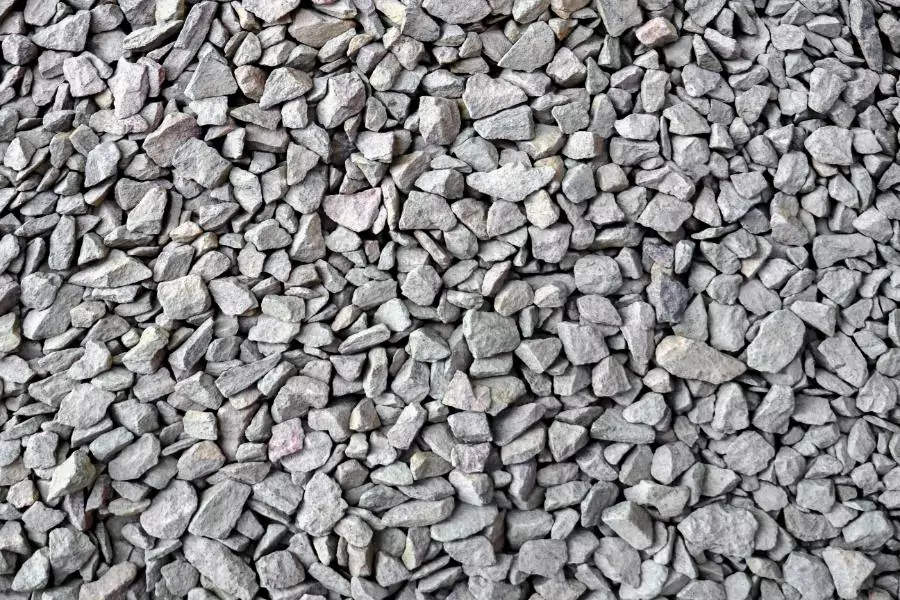
Driveway Gravel
General driveway top layer
Shop3/8" Driveway Gravel
Smooth top dressing, comfortable underfoot
Shop3/4" Driveway Gravel
The standard driveway size, locks together well
Shop1"-1 1/2" Driveway Gravel
Heavier traffic and soft ground
Shop1 1/2" Driveway Gravel
Deep base layer under a finer top
Shop2"-3" Driveway Gravel
Rural lanes, mud control, first lift
ShopDriveway Gravel in Garden City
Driveway gravel holds up under trucks and cars, but the ground underneath has to be right for it. Garden City is home to about 889 people, and the driveways that serve those homes need a base that handles the local freeze and drainage conditions.
The soil around Garden City drains slowly, so a fair amount of water sheds across the surface instead of soaking in. That makes the drainage layer under the gravel a key part of the driveway design. A driveway that accounts for the local ground conditions will stay firm through wet weather and freeze-thaw cycles.
Driveway Gravel Products for Garden City
No single driveway gravel works for every situation on every site. The product that makes a smooth walking surface is too fine for a muddy lane, and the heavy stone that controls mud is uncomfortable around the house. Matching the stone size to the job and the ground conditions is what keeps the driveway working.
| Product | What it is for | Note |
| Driveway Gravel | General driveway top layer | The all-around choice for an established driveway that needs a fresh surface |
| 3/8" Driveway Gravel | Smooth top dressing, comfortable underfoot | Works well for parking pads and walkways where you want a firmer feel |
| 3/4" Driveway Gravel | The standard driveway size, locks together well | The go-to for a main driveway surface that vehicles drive on daily |
| 1"-1 1/2" Driveway Gravel | Heavier traffic and soft ground | Good where the soil underneath is soft or equipment needs a firmer base |
| 1 1/2" Driveway Gravel | Deep base layer under a finer top | Used as the structural lift before a smaller gravel goes on top |
| 2"-3" Driveway Gravel | Rural lanes, mud control, first lift | The product to start with on a soft or muddy site before adding a surface layer |
Matching Driveway Gravel to Your Project in Garden City
Different driveway jobs call for different stone sizes and depths. The table below matches common projects to the driveway gravel product that suits the site conditions best.
| Project | What to order | Depth or note |
| Resurfacing an existing driveway | 3/4" Driveway Gravel | Renews the surface with stone that locks together well |
| Culvert and shoulder repair | 1"-1 1/2" Driveway Gravel | Handles soft ground and heavier traffic near the edge |
| New driveway base | 1 1/2" Driveway Gravel | Deep structural lift before a finer surface goes on |
| Parking pad | 3/8" Driveway Gravel | Smooth top dressing that stays comfortable underfoot |
| Muddy rural lane | 2"-3" Driveway Gravel | First lift for mud control on soft ground |
Garden City Ground and Freeze Conditions
The ground around Garden City takes water in slowly. When rain or snowmelt hits the surface, a fair amount of it sheds across the ground instead of soaking in. That makes the drainage layer underneath the gravel more than an extra; it is what keeps water from pooling in the driveway base and freezing into trouble. On soil that sheds water this way, a deeper drainage layer earns its place.
Deep freezing is the other half of the equation. The ground here freezes deep and the freeze lasts a long time, so the base lift needs to be thick enough to stay stable through repeated freeze-thaw cycles. The right base depth keeps the surface from rutting when the ground starts moving in spring. Hard freezes shape the calendar here, so base work is easier to get right from late spring through fall.
Rich County permitted about 72 single-family homes in 2024, and each one that goes in with a gravel driveway faces the same soil and frost conditions. A driveway planned around slow-draining soil and deep frost will hold up better and need less maintenance over time.
Estimating How Much Driveway Gravel You Need
How much driveway gravel you need depends on the area you are covering and how deep the lift needs to be. Depth changes with the ground conditions, so the same square footage can take very different tonnages depending on whether you are topping up an existing driveway or building a base from scratch. Measure the length and width, decide on the depth, and enter those numbers into the driveway gravel calculator to get a tonnage estimate for any of the products on this page.
Ordering Driveway Gravel from Gravel Monkey
Ordering driveway gravel from Gravel Monkey is done online by the ton. You enter your ZIP code at checkout for the delivery price, and a dump truck brings the material to your address. Loads range from 1 to 40-plus tons, and free delivery is available on qualifying orders. Use the code FIRSTTIMER50 for $50 off your first order.
The delivery date is chosen at checkout and must be at least 3 business days after the order date. You pick a window, morning from 7 am to 12 pm or afternoon from 12 pm to 5 pm. A valid phone number is required to confirm the delivery. You get an email confirmation when the order is placed, then a second email closer to the date with the scheduled window and a photo of the material being loaded. Delivery only goes ahead once you approve that second email. Learn more on the About Gravel Monkey page, check Customer reviews, and review the Delivery information page for the full policy.
Other Materials That Work with Driveway Gravel
- Crushed Stone works as a base layer under driveway gravel to improve drainage and stability.
- Crushed Concrete is a recycled option for the base or subbase before driveway gravel goes on top.
- Gravel and Rock includes landscaping sizes that can border the driveway or fill in around it.
- Mulch works for the edges and planting areas next to the driveway surface.
- Fill Dirt builds up low spots under the base layer before the gravel goes on.
- Topsoil finishes the edges and planting areas around the new driveway.
Driveway Gravel Questions for Garden City
Frequently Asked Questions About Driveway Gravel Delivery in Garden City
Is Garden City wet enough that drainage should drive the choice?
Yes. The soil around Garden City takes water in slowly, so a fair amount of rainfall and snowmelt sheds across the surface instead of soaking in. That makes the drainage layer under the driveway gravel a critical part of the design, not an optional extra. A driveway built with adequate drainage will shed water and stay firm through wet weather.
Does the length of the freeze season in Garden City change what I should order?
Yes. Ground freezing here is deep and lasts a long time, which means the base layer needs to be thicker than it would in a milder climate. A deeper base keeps the driveway stable through freeze-thaw cycles and prevents the heaving that pushes the surface out of shape. The base depth should account for the local frost depth.
How do I stop it spreading past the edges?
Edge restraints such as landscape timbers, steel edging or concrete curbs keep the gravel from migrating into the lawn or garden. Without an edge, traffic and rain will push the gravel outward over time, and the driveway loses its clean line.
Do I need landscape fabric under it?
Landscape fabric is not required, but it helps separate the gravel from the soil underneath and reduces weed growth. It is most useful on driveways where weed suppression matters and where the subgrade is soft. Woven fabric handles traffic load better than non-woven for driveway use.
How Much Driveway Gravel for Your Garden City Driveway?
Figuring out how many tons of driveway gravel your Garden City driveway needs starts with measuring the area and choosing the depth. The right depth depends on the ground conditions and the type of project. Use the driveway gravel calculator to get a number based on your site, then order the right product from the list above.
For more on what is available in the area, visit the Garden City hub page.
Gravel Monkey delivers driveway gravel to addresses near Garden City as well.
- Richmond
- Franklin
- Smithfield
- Hyde Park
- North Logan
- Lewiston
- River Heights
- Logan
- Providence
- Preston
Ready to order driveway gravel in Garden City?
See the delivered price for your address and order driveway gravel by the ton online. Loads run from 1 to over 40 tons, with free delivery on qualifying orders.
Get a free driveway gravel quote
Fill out the form and our sales team will get back to you within the hour.