
Buy Driveway Gravel in Scappoose, Oregon
Driveway Gravel ordered online by the ton. A dump truck delivers to your Scappoose address and unloads right where you point.
- Free Delivery Promotion
- Servicing Homeowners and Contractors
- Use FIRSTTIMER50 for $50 Off First Order
Driveway Gravel we deliver in Scappoose
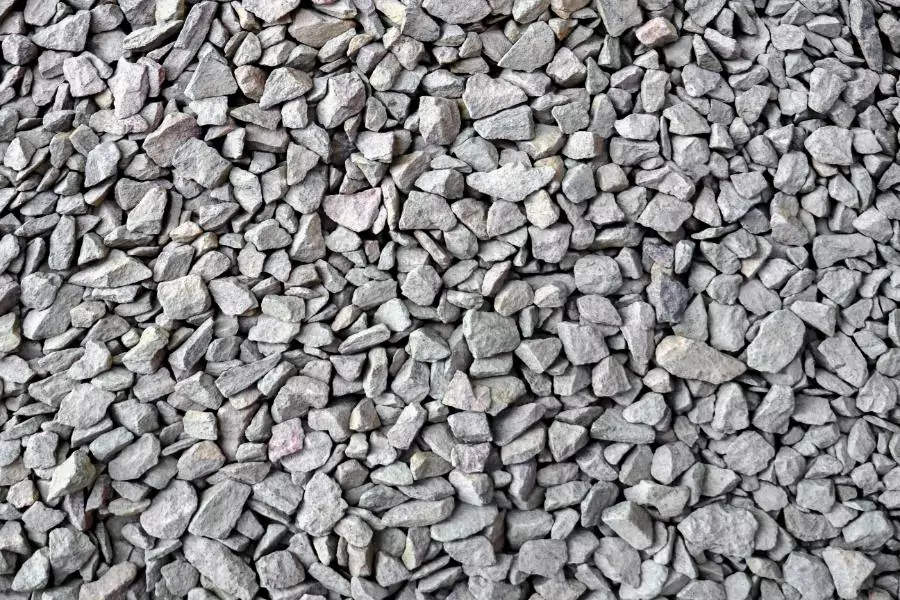
Driveway Gravel
General driveway top layer
Shop3/8" Driveway Gravel
Smooth top dressing, comfortable underfoot
Shop3/4" Driveway Gravel
The standard driveway size, locks together well
Shop1"-1 1/2" Driveway Gravel
Heavier traffic and soft ground
Shop1 1/2" Driveway Gravel
Deep base layer under a finer top
Shop2"-3" Driveway Gravel
Rural lanes, mud control, first lift
ShopDriveway Gravel in Scappoose
A driveway that ruts, washes out, or turns to mud after every storm is a common problem in Scappoose. The right gravel stops that from happening before it starts. With about 44 inches of precipitation a year, drainage and washout planning should drive your material choice.
Driveway gravel is a specific blend designed to lock together under traffic and shed water. It is not the same as decorative rock or crusher fines, and choosing the wrong size can lead to a surface that shifts or traps moisture. The goal is a stable, drained base that stands up to the Pacific Northwest climate.
Driveway Gravel Sizes and What They Do Best in Scappoose
Not every gravel suits every driveway. Some sizes are too fine for wet ground, while others are too coarse for a comfortable surface. The table below lists what each product is not suitable for, along with its best use.
| Product | Best for | Note |
|---|---|---|
| Driveway Gravel | General driveway top layer | Works on stable subgrades but not on soft, wet soil without a base layer. |
| 3/8" Driveway Gravel | Smooth top dressing, comfortable underfoot | Not for high-traffic areas or steep slopes where it migrates. |
| 3/4" Driveway Gravel | The standard driveway size, locks together well | A versatile choice, but not ideal for mud control in a rural lane. |
| 1"-1 1/2" Driveway Gravel | Heavier traffic and soft ground | Too large for a finished surface underfoot; better as a mid-layer. |
| 1 1/2" Driveway Gravel | Deep base layer under a finer top | Not suitable as a top coat for a driveway that needs to be walked on. |
| 2"-3" Driveway Gravel | Rural lanes, mud control, first lift | Not for parking pads where a compact, smooth finish is needed. |
Project Guide: Which Gravel for Your Scappoose Job
The right material depends on the job. Use this table to match your project to the product that handles the load and the local conditions.
| Project | What to order | Depth or note |
|---|---|---|
| Parking pad | 3/4" Driveway Gravel | 4 to 6 inches on a compacted base |
| Culvert and shoulder repair | 2"-3" Driveway Gravel | First lift for stability, then top with 1 1/2" |
| Resurfacing an existing driveway | 3/4" Driveway Gravel | 2 to 3 inches over the current surface |
| New driveway base | 1 1/2" Driveway Gravel | 6 to 8 inches on prepared soil |
| Muddy rural lane | 2"-3" Driveway Gravel | First lift of 6 to 8 inches, then cap with 3/4" |
Scappoose Weather and Ground Conditions for Driveway Gravel
About 96 days a year bring at least a tenth of an inch of rain in Scappoose. That means scheduling your delivery onto firm ground is important. A wet delivery site can lead to ruts before the gravel is even spread.
Freeze and thaw cycles work on loose material all winter, which is the argument for the deeper first lift. There are roughly 64 freezing days each year, so the ground moves more than in milder climates. A properly built base with the right gravel size resists that movement.
Snowfall is light at about 1 inch per year, but plowing can damage a loose surface. Soils mapped in the Scappoose area are in hydrologic group B, which means the ground takes water in at a moderate rate. That behavior usually lets you use a standard base depth without extra drainage stone.
How Much Driveway Gravel You Need in Scappoose
Estimating the right tonnage depends on your driveway's length, width, and depth. A shallow layer on a long drive may need more gravel than a deep patch on a short one. Use our driveway gravel calculator to get a number tailored to your project.
Ordering Driveway Gravel from Gravel Monkey
Ordering online is straightforward. You pick the size and the quantity by the ton, choose a delivery window at checkout, and we handle the rest. Delivery is priced by your ZIP code, and loads range from 1 to over 40 tons. Free delivery is available on qualifying orders. Use code FIRSTTIMER50 at checkout for $50 off your first order.
You need to be present during the delivery window, and the site must have at least 12 feet of road width for the truck. You receive an email confirmation, then a second email with the scheduled window and a photo of the material being loaded. Delivery only goes ahead once you approve that second email. For more details, read our delivery information page, learn about Gravel Monkey, or check recent customer reviews.
Other Materials to Pair with Driveway Gravel
Driveway gravel works with other aggregates to create a complete base and surface system. Each material below complements the gravel for different parts of the job.
- Sand, Use it as a leveling layer under the gravel on soft spots.
- Fill Dirt, Fill low areas and build a stable subgrade before the gravel goes down.
- Walkway Gravel, A smaller, cmfortable surface for paths connecting to the driveway.
- Crushed Stone, A clean, angular material that makes a firm base under driveway gravel.
- Crushed Concrete, A recycled option for the base layer that can cut costs.
- Gravel & Rock, Decorative rock for edges or landscaping that borders the driveway.
Frequently Asked Questions About Driveway Gravel in Scappoose
Is Scappoose wet enough that drainage should drive the choice?
Yes. With about 44 inches of precipitation a year, drainage is a primary factor. A gravel that drains well and locks together reduces washout and extends the life of your driveway.
Does the length of the freeze season in Scappoose change what I should order?
Yes. Around 64 days a year drop below 32F, so freeze-thaw cycles are a real concern. A deeper first lift with a coarser gravel, such as 2"-3", helps the base stay stable when the ground heaves.
How do I stop it spreading past the edges?
Edge restraints like timber, metal edging, or burial strips keep the gravel contained. Without them, gravel can migrate onto lawns or into culverts, especially during rain or snowmelt.
Do I need landscape fabric under it?
Fabric is not required but can help separate the gravel from the soil, reducing weed growth and preventing the stone from mixing with the dirt. It is most useful on sites with soft or weedy ground.
Get Your Scappoose Driveway Gravel Delivered
Unsure about tonnage or which size fits your project? Use the driveway gravel calculator above, then order online. Visit the Scappoose driveway gravel delivery page to get started.
Driveway gravel is also available in nearby areas:
Ready to order driveway gravel in Scappoose?
See the delivered price for your address and order driveway gravel by the ton online. Loads run from 1 to over 40 tons, with free delivery on qualifying orders.
Get a free driveway gravel quote
Fill out the form and our sales team will get back to you within the hour.