
Buy Bulk Aggregates & Gravel in Austin, Nevada
Local Topsoil, Dirt, Sand, Rocks and Gravel near me in Austin, Nevada
Shop Aggregates for Delivery in Austin
Order online for free delivery to any Austin address.
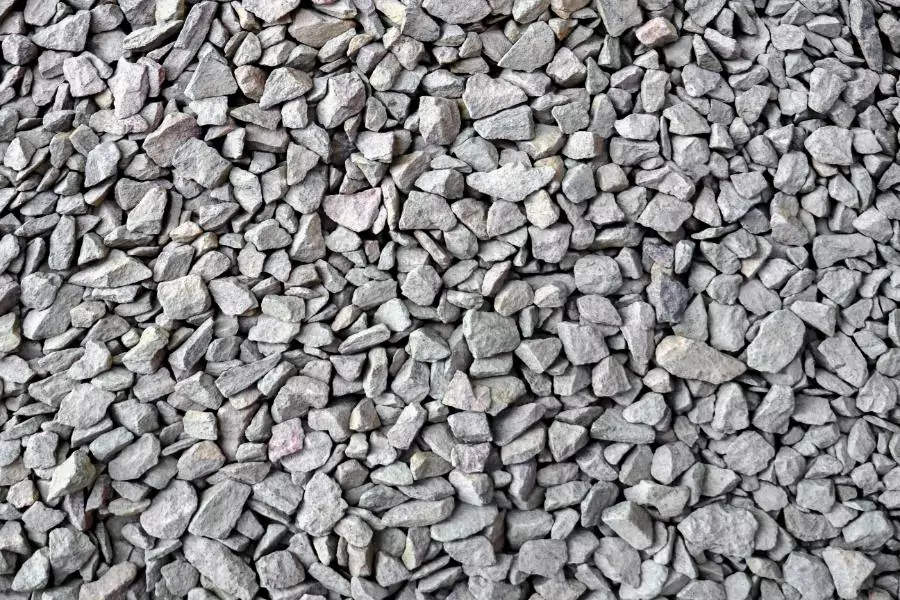
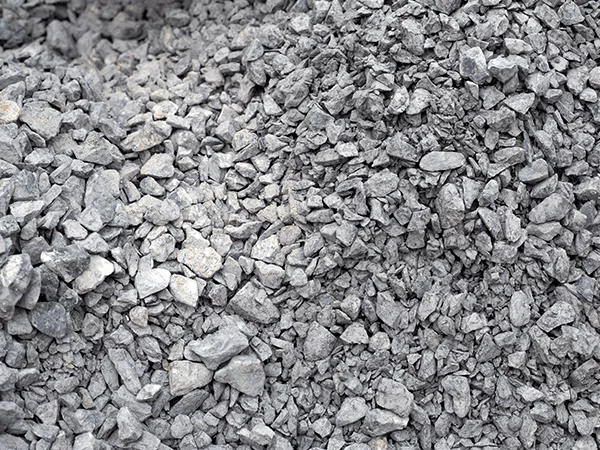


Gravel Monkey brings professional-grade aggregates and gravel directly to properties throughout Austin, Nevada, with completely free delivery. Located in the heart of central Nevada's Toiyabe Range at over 6,600 feet elevation, Austin's unique high desert environment demands materials that withstand extreme temperature swings, minimal precipitation, and challenging rocky terrain. Whether you're restoring a historic property near Stokes Castle, building a driveway in Upper Austin, or creating drainage solutions along the Reese River valley, our comprehensive selection of aggregates meets the specific demands of Lander County's climate and geology.
Complete Aggregate & Material Selection for Austin Properties
Austin's position in Nevada's Great Basin requires aggregates that excel in high desert conditions with cold winters and rocky, alkaline soils. We deliver premium materials perfectly suited for central Nevada's challenging environment:
- Driveway Gravel - Engineered base material that withstands Austin's freeze-thaw cycles
- 3/4 Inch Crushed Stone - Versatile angular aggregate for foundations and driveways
- #57 Stone - Premium drainage stone for high desert applications
- Road Base - Compactable foundation for Austin's steep terrain
- Crusher Run - All-purpose aggregate that compacts to a solid base
- Decomposed Granite - Natural desert aesthetic for pathways and xeriscaping
- Pea Gravel - Smooth stone for decorative landscaping
- River Rock - Natural rounded stone for water features and gardens
- Drain Rock - Essential for managing mountain runoff and drainage
- Crushed Concrete - Eco-friendly recycled aggregate for budget-conscious projects
- Topsoil - Amended soil for gardens in Austin's alkaline conditions
- Fill Dirt - Grading material for sloped properties
- Mason Sand - Fine sand for masonry and construction work
- Playground Sand - Safe, soft sand for play areas
- Washed Sand - Clean sand for concrete and multiple applications
- Walkway Gravel - Decorative stone for pedestrian paths
Understanding Austin's Unique Geology and Climate Conditions
Austin's location at approximately 6,600 feet elevation in the Toiyabe Range creates distinctive conditions that significantly impact aggregate selection and performance. The area experiences true high desert climate with cold winters where temperatures regularly drop below zero, brief but intense summer heat, and annual precipitation averaging just 9 inches. These extreme temperature fluctuations—often 40-50 degrees between day and night—cause considerable expansion and contraction in materials.
The geology throughout Austin consists primarily of volcanic tuff, rhyolite, and sedimentary rocks from ancient lake beds. Soils are characteristically rocky, sandy, and highly alkaline with minimal organic content. This combination means native soil provides poor growing conditions but excellent natural drainage. Properties near Pony Canyon and along Austin Creek benefit from slightly better soil, while locations on the steep hillsides feature mostly decomposed granite and rocky substrates.
Winter snowfall in Austin can be substantial, with the town receiving 40-60 inches annually. Snowmelt and occasional spring runoff create drainage challenges, particularly for properties on slopes or in Lower Austin near the Reese River. The freeze-thaw cycle affects materials significantly—aggregates must resist frost heave and maintain structural integrity through repeated freezing and thawing. Angular crushed materials generally outperform rounded aggregates in these conditions because they interlock and compact more effectively.
Selecting Materials for High Desert Conditions
Austin's environment demands careful material selection. Crushed stone aggregates, particularly those with angular edges, perform exceptionally well because they compact firmly and resist displacement from freeze-thaw action. Road base and crusher run prove ideal for driveways and foundations because they create dense, stable surfaces that handle temperature extremes. Decomposed granite works beautifully for pathways and xeriscaping projects, complementing the natural desert landscape while providing excellent permeability.
For drainage applications—critical in managing snowmelt and the occasional heavy rainfall—drain rock and larger crushed stone sizes allow water to move efficiently through the soil profile. This prevents ice formation near foundations during winter and reduces erosion on sloped properties. Properties in historic downtown Austin and around Lincoln Street particularly benefit from proper drainage systems using appropriate aggregates.
Aggregate Delivery Throughout Austin and Surrounding Areas
Gravel Monkey provides free delivery to all areas of Austin and throughout central Lander County. Our service extends across the region's diverse terrain and historic districts:
Historic Downtown Austin: The original town center, built during the 1860s silver boom, features many historic structures requiring careful restoration work. Properties along Main Street, Meadow Street, and around the Lander County Courthouse benefit from appropriate aggregates for preservation projects, drainage improvements, and landscaping that complements the Victorian-era architecture.
Upper Austin: The hillside residential area above downtown offers spectacular views but presents challenges with steep driveways and drainage. Properties in Upper Austin require durable driveway materials that resist erosion and provide traction on grades. Road base and crushed stone prove essential for maintaining access in winter conditions.
Lower Austin: The flatter area toward the Reese River includes both residential properties and commercial sites. This section benefits from the slightly better soil conditions but still requires quality aggregates for driveways, foundations, and drainage systems to manage seasonal runoff from the mountains.
Pony Canyon District: This historic area east of downtown features mining-era homes and modern residences. The canyon location creates unique drainage patterns requiring thoughtful aggregate selection for water management and driveway construction on varying terrain.
Reese River Valley Properties: Ranches and properties along the Reese River benefit from aggregates for road maintenance, corrals, equipment yards, and erosion control. The valley's slightly lower elevation still experiences Austin's harsh winters and requires durable materials.
Austin Creek Area: Properties near Austin Creek require special attention to drainage management and erosion control. We provide aggregates specifically suited for creek-side locations, including drain rock and larger stone for bank stabilization.
Choosing the Right Aggregate for Your Austin Project
Different projects and locations around Austin require specific aggregate types. Understanding the characteristics of each material helps ensure successful, long-lasting results:
| Aggregate Type | Best Applications | Size Range | Compaction | Drainage | Winter Performance |
|---|---|---|---|---|---|
| Road Base | Driveway foundations, steep grades | 3/4" minus | Excellent | Good | Superior stability |
| Crusher Run | Driveways, parking areas, paths | 3/4" minus | Excellent | Moderate | Handles freeze-thaw well |
| 3/4" Crushed Stone | Foundations, drainage, driveways | 3/4" | Very Good | Excellent | Resists frost heave |
| #57 Stone | French drains, pipe bedding | 3/4" | Good | Excellent | Outstanding drainage |
| Drain Rock | Drainage systems, runoff control | 1-2" | Moderate | Superior | Prevents ice buildup |
| Decomposed Granite | Pathways, xeriscaping, decorative | 1/4" minus | Good | Excellent | Natural desert aesthetic |
| Crushed Concrete | Budget driveways, base material | Various | Very Good | Good | Economical, durable |
| Pea Gravel | Landscaping, decorative beds | 3/8" | Poor | Excellent | Requires edging |
Driveway Applications in Austin's Terrain
Austin's characteristic steep driveways and hillside properties present unique challenges. A proper driveway foundation begins with a compacted road base layer, typically 4-6 inches deep, which creates a stable platform resistant to frost heave. For the surface layer, crusher run provides excellent traction and compacts to a firm surface that handles winter snow removal without excessive displacement. Properties in Upper Austin with particularly steep grades may benefit from additional depth or using larger angular stone that interlocks more aggressively.
The key to driveway longevity in Austin involves proper drainage management. Crown the driveway surface slightly to shed water toward the edges, and install drainage swales or French drains using drain rock along the sides to capture and redirect runoff. This prevents water from accumulating, freezing, and causing pavement damage during Austin's cold winters.
Common Aggregate Projects in Central Nevada
Austin property owners utilize aggregates for diverse applications adapted to high desert living and historic preservation:
Residential Driveway Construction and Repair
Most driveways in Austin require substantial aggregate because of the steep terrain and winter conditions. A typical residential driveway uses 4-6 inches of compacted road base as the foundation, topped with 2-3 inches of crusher run for the driving surface. This combination provides stability on grades, resists erosion from snowmelt, and maintains structural integrity through freeze-thaw cycles. Calculate material needs by measuring length times width times depth—a 50-foot by 12-foot driveway at 6 inches depth requires approximately 11 cubic yards of material.
Drainage System Installation
Managing water flow is essential throughout Austin, particularly during spring snowmelt when significant volumes of water move down the hillsides. French drain systems using drain rock wrapped in geotextile fabric effectively capture and redirect water away from foundations and structures. Properties near Austin Creek or in Lower Austin especially benefit from comprehensive drainage solutions that prevent water accumulation and ice formation.
Historic Property Restoration
Austin's numerous historic buildings and properties require careful attention to period-appropriate materials and techniques. Aggregates play important roles in foundation stabilization, drainage improvements around historic structures, and creating appropriate landscaping that complements Victorian-era architecture. Using decomposed granite for pathways, for example, provides an authentic appearance while offering practical benefits of permeability and low maintenance.
Xeriscaping and Desert Landscaping
Water conservation is always important in Austin's arid climate. Xeriscaping with appropriate aggregates creates attractive, low-maintenance landscapes that suit the high desert environment. Decomposed granite provides natural-looking pathways and ground cover, while river rock and pea gravel accent gardens featuring native plants adapted to Austin's conditions. These materials reduce water requirements dramatically compared to traditional lawns while complementing the surrounding landscape.
Erosion Control on Sloped Properties
The steep hillsides characteristic of Austin require active erosion control measures. Larger aggregates like drain rock and river rock slow water movement across slopes, reduce soil loss, and prevent gully formation during heavy runoff events. Combined with appropriate vegetation, these materials stabilize slopes effectively while maintaining the natural aesthetic important to Austin's character.
Free Delivery Throughout Austin and Central Lander County
Gravel Monkey delivers aggregates at no charge throughout Austin and the surrounding region. Our service extends to nearby communities and rural properties across central Nevada:
We regularly deliver to Battle Mountain to the north, where ranching and mining operations require substantial quantities of aggregates for road maintenance and site development. Eureka to the east receives deliveries for both residential and commercial projects in that historic mining town. South toward Tonopah, we serve properties along Highway 376, while west toward Fallon and Silver Springs, our delivery range covers the entire central Nevada corridor.
Rural ranch properties throughout the Reese River valley, along Highway 50 east and west of Austin, and throughout the Toiyabe Range all receive the same free delivery service. Whether you're maintaining miles of ranch roads, building equipment yards, or creating residential improvements, we deliver the aggregates you need directly to your location.
Calculating Your Aggregate Requirements
Accurate material estimation prevents shortages that delay projects and excess that wastes money. For most aggregate applications, calculate volume in cubic yards using this formula: Length (feet) × Width (feet) × Depth (feet) ÷ 27 = Cubic Yards needed.
For a typical Austin driveway project—let's say 60 feet long, 14 feet wide, with 6 inches (0.5 feet) of base material—the calculation is: 60 × 14 × 0.5 ÷ 27 = 15.6 cubic yards. Round up to 16 yards to ensure adequate coverage accounting for compaction and irregular surfaces common on Austin's rocky terrain.
Different materials compact at different rates. Road base and crusher run typically compact 20-30%, meaning you should order 25% more than your calculated volume. For example, if your calculation shows 12 cubic yards needed, order 15 yards to account for compaction. Loose materials like pea gravel and river rock compact minimally but may require slightly more for irregular areas.
For drainage projects, the aggregate volume depends on trench dimensions. A French drain trench 50 feet long, 1 foot wide, and 2 feet deep requires: 50 × 1 × 2 ÷ 27 = 3.7 cubic yards, so order 4 yards of drain rock. Our team can help calculate exact requirements for your specific Austin project, taking into account local conditions and material characteristics.
Best Practices for Aggregate Installation in Austin
Successful aggregate projects require proper installation techniques adapted to Austin's conditions. These practices ensure longevity and performance through central Nevada's challenging climate:
Site Preparation and Grading
Begin every project with proper site preparation. Remove existing vegetation, organic material, and loose soil down to firm native ground. Austin's rocky substrates generally provide excellent bearing capacity, but remove any soft or unstable areas. Grade the site to establish proper drainage—always slope away from structures at minimum 2% grade (1/4 inch per foot). On steep properties common in Upper Austin, create terraced levels or retaining structures to control erosion and establish stable platforms.
Compaction Techniques
Proper compaction is absolutely critical in Austin's freeze-thaw environment. Use a mechanical compactor (plate tamper for smaller areas, roller for larger projects) to compact aggregate in 2-3 inch lifts. Each lift should be thoroughly compacted before adding the next layer. Water helps compaction—lightly spray each lift before compacting, but avoid over-wetting which can create mud and prevent proper compaction. Well-compacted aggregates resist frost heave and maintain stability through seasonal temperature changes.
Edge Restraint and Containment
Loose aggregates like pea gravel and decorative stone require edge restraint to prevent migration. Install sturdy edging using treated lumber, metal landscape edging, or concrete borders. This is especially important on Austin's sloped properties where gravity encourages downhill movement. Proper edging maintains clean lines, prevents aggregate loss, and reduces maintenance requirements.
Drainage Integration
Always consider drainage when installing aggregates. Create positive drainage away from structures, install French drains where water accumulates, and ensure water has a clear path off the property. In Austin's environment, managing the spring snowmelt surge is particularly important—concentrated water flow can quickly erode inadequately protected surfaces. Strategic placement of drain rock channels and swales protects your investment.
Seasonal Considerations for Austin Projects
Austin's distinct seasons affect project timing and material performance. Understanding seasonal patterns helps ensure successful installations:
Spring (March-May): Spring is ideal for major aggregate projects in Austin. Snowmelt has passed, soil is workable, and conditions are generally moderate. However, monitor weather closely—late spring storms can still occur. This is the perfect time for driveway construction, drainage system installation, and landscaping projects before summer heat arrives.
Summer (June-August): Summer offers excellent working conditions with warm, dry weather. High elevation keeps temperatures moderate compared to lower Nevada locations, though afternoons can be warm. Dust control becomes important—water down work areas as needed. Summer is ideal for all aggregate projects, though work early or late in the day during the warmest periods.
Fall (September-November): Fall provides another excellent window for aggregate work. Cooler temperatures make physical work more comfortable, and completing projects before winter ensures your property is ready for snow season. Finish driveway projects and drainage improvements in fall so they're tested by winter conditions rather than being installed during them.
Winter (December-February): Winter limits outdoor work significantly. Frozen ground prevents proper compaction and installation. However, winter is perfect for planning projects, calculating material needs, and preparing for spring work. Emergency repairs to driveways or drainage can be done during brief warm spells, though results won't match installations done in optimal conditions.
Frequently Asked Questions About Aggregates in Austin
Road base provides the best foundation for steep driveways in Austin, topped with crusher run for the surface. These angular aggregates compact firmly and interlock to resist sliding on grades. The combination handles freeze-thaw cycles well and provides good traction for vehicles in winter conditions. Install at least 6 inches total depth on steep grades, well-compacted in layers.
At 6,600 feet elevation, Austin experiences colder temperatures, significant freeze-thaw cycles, and substantial snowfall. These conditions favor angular aggregates like crushed stone and road base that compact densely and resist frost heave. Rounded materials like pea gravel work for decorative purposes but aren't suitable for driveways or foundations where stability through temperature extremes is essential.
Many homeowners successfully complete aggregate projects themselves, particularly smaller landscaping and pathway installations. However, driveways on Austin's steep terrain, large drainage systems, and projects requiring significant grading benefit from professional installation. Proper compaction equipment is essential for any load-bearing application—rental equipment is available in Battle Mountain and other regional centers if you choose the DIY route.
Erosion control on slopes requires a multi-faceted approach. Install drainage swales using drain rock to capture and redirect water flow. Use larger river rock or crushed stone to slow water movement across the slope. Plant native vegetation whose roots stabilize soil. Create terraced areas with retaining walls where slopes are particularly steep. Combining these techniques protects your property from Austin's intense spring runoff.
Both are crushed aggregate mixtures, but road base typically contains a wider range of particle sizes from dust to three-quarter inch stone, creating maximum compaction and density. Crusher run also contains mixed sizes but may have slightly different gradation. Both work excellently for Austin driveways and foundations. The choice often depends on local availability and specific project requirements—our team can recommend the best option for your situation.
Gravel Monkey provides completely FREE delivery to all Austin locations and throughout central Lander County. You pay only for the aggregate materials themselves—there are no delivery fees, fuel surcharges, or minimum order requirements. This makes professional-grade materials accessible for projects of any size, from small residential landscaping to large commercial developments.
Aggregates are ideal for Austin's alkaline conditions because they're largely inert—they don't react with soil chemistry. In fact, using aggregates helps manage the challenges of alkaline soil by improving drainage, preventing mud formation, and creating stable surfaces regardless of underlying soil conditions. For planting areas, amend soil with topsoil or compost, then use decorative aggregates like decomposed granite as attractive, practical mulch.
Properly installed aggregate projects last decades in Austin's climate. A well-constructed driveway using road base and crusher run, installed with proper compaction and drainage, easily provides 20-30 years of service with minimal maintenance. Decorative applications using river rock or decomposed granite are essentially permanent, requiring only occasional topping or edge maintenance. The dry climate actually helps preserve aggregates—there's minimal organic decomposition or chemical weathering.
Professional Aggregate Supply for Austin's Unique Environment
Austin's combination of historic character, steep terrain, high elevation, and harsh climate demands thoughtful material selection and proper installation techniques. Whether you're maintaining a Victorian-era property downtown, building a driveway in Upper Austin's hills, creating drought-tolerant landscaping, or managing drainage on sloped land, Gravel Monkey delivers the right aggregates for lasting success.
Our comprehensive material selection covers every application common to central Nevada properties. From road base for steep driveways to decomposed granite for desert landscaping, from drain rock for water management to decorative river rock for gardens, we supply professional-grade aggregates that perform in Austin's demanding conditions. Every delivery is free—you invest in materials only, not transportation costs.
Our team understands central Nevada's geology, climate, and construction practices. We help you select appropriate materials for your specific project, calculate accurate quantities, and ensure you have everything needed for successful installation. Whether you're a homeowner tackling a weekend project or a contractor managing commercial development, Gravel Monkey provides the aggregates and expertise Austin properties demand.

Need help? Reach out for a quote: