
Buy Bulk Aggregates & Gravel in White Cloud, Kansas
Local Topsoil, Dirt, Sand, Rocks and Gravel near me in White Cloud, Kansas
Shop Aggregates for Delivery in White Cloud
Order online for free delivery to any White Cloud address.
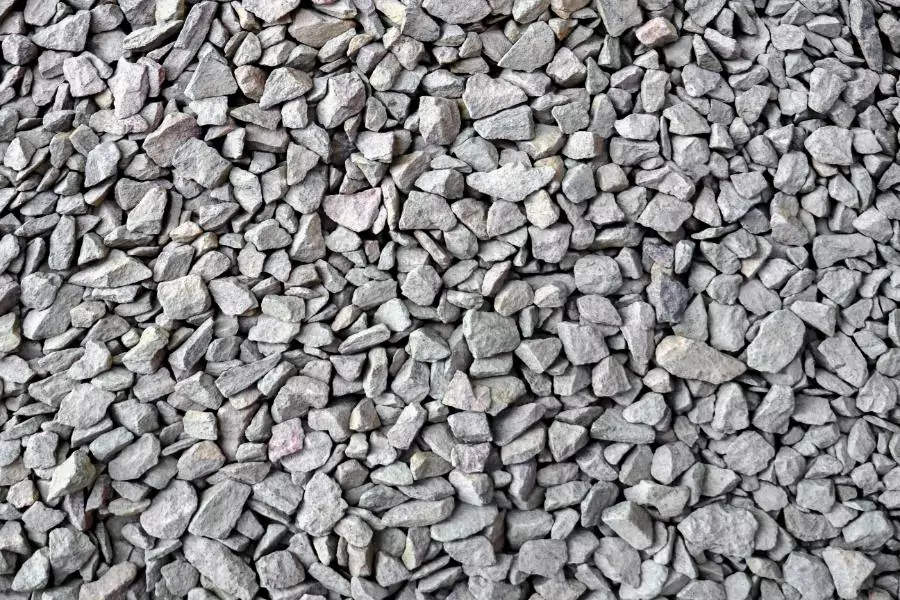
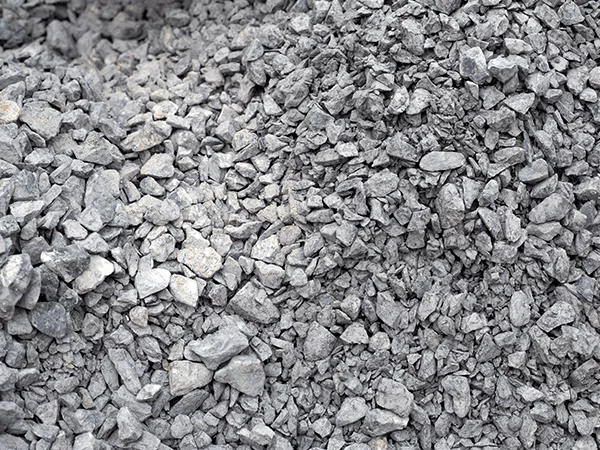


Gravel Monkey delivers premium gravel and aggregate materials directly to properties throughout White Cloud, Kansas. Nestled along the Missouri River in Doniphan County, White Cloud's unique soil conditions and historic river valley location require quality aggregates for lasting construction and landscaping projects. Whether you're building a driveway near the riverfront district, establishing drainage along River Road, or creating pathways in the historic downtown area, we provide free delivery of professional-grade materials to every corner of White Cloud and surrounding communities including Troy, Wathena, Highland, and Oregon.
Complete Aggregate Selection for White Cloud Properties
White Cloud's position in the Missouri River valley presents unique challenges that demand appropriate aggregate selection. The loess soil deposits and alluvial plains characteristic of northeast Kansas require proper base materials and drainage solutions. Our comprehensive inventory addresses every need for residential, agricultural, and commercial projects across Doniphan County.
- Driveway Gravel - Engineered for lasting driveways on river valley soils
- 3/4 inch Crushed Stone - Versatile aggregate for multiple applications
- #57 Stone - Clean stone perfect for drainage projects
- Crusher Run - Superior compaction for stable bases
- Road Base - Heavy-duty foundation for demanding applications
- Drain Rock - Essential for Missouri River valley water management
- Pea Gravel - Decorative aggregate for landscaping features
- River Rock - Natural stone echoing the Missouri River aesthetic
- Walkway Gravel - Attractive pathways throughout your property
- Crushed Concrete - Sustainable recycled aggregate option
- Topsoil - Enriched soil for gardens and lawn establishment
- Fill Dirt - Essential for grading and elevation work
- Mason Sand - Fine sand for masonry and construction
- Playground Sand - Safe, clean sand for play areas
- Washed Sand - Premium sand for specialized projects
- Decomposed Granite - Natural pathway and landscaping material
Serving White Cloud's Historic Neighborhoods and Surrounding Communities
Our delivery service reaches every area of White Cloud and extends throughout Doniphan County. We serve properties in the historic downtown district near the Iowa Tribe reservation, homes along the scenic Missouri River bluffs, farms in the surrounding agricultural areas, and properties throughout nearby communities.
White Cloud delivery areas include: The historic riverfront district, residential areas near Highway 7, properties along River Road, the Iowa Sac and Fox Presbyterian Mission area, farms extending toward Troy, estates on the river bluffs, and developments throughout the greater White Cloud vicinity. We also deliver to nearby Troy, Wathena, Highland, Oregon, Forest City, Denton, and properties throughout northeastern Kansas.
Understanding White Cloud's Unique Soil and Climate Conditions
White Cloud sits at approximately 900 feet elevation in the Missouri River valley, where distinctive soil characteristics significantly impact construction and landscaping decisions. The region experiences a humid continental climate with hot summers averaging 85-90°F, cold winters with temperatures dropping to 15-20°F, and approximately 38 inches of annual precipitation concentrated in spring and early summer months.
Loess Soil Challenges in Northeast Kansas
The predominant soil type in White Cloud is windblown loess, deposited thousands of years ago and now forming deep, fine-textured soils throughout Doniphan County. This silty soil exhibits unique characteristics that affect aggregate projects. Loess has excellent fertility for agriculture but presents challenges for construction due to high silt content, poor compaction properties, and vulnerability to erosion when exposed.
Near the Missouri River, alluvial soils mix with the loess, creating stratified layers with variable stability. These river valley soils can be poorly drained, especially during spring flooding events that historically affect the region. Property owners near the riverfront district and along River Road frequently encounter high water tables and seasonal moisture fluctuation that demand superior drainage systems using appropriate aggregates.
Frost Heave and Seasonal Movement
Winter freeze-thaw cycles penetrate 30-36 inches deep in northeast Kansas, causing frost heave that disrupts improperly constructed driveways, foundations, and pathways. The combination of loess soil, moisture retention, and temperature cycling requires proper aggregate bases extending below the frost line. Using compactable aggregates creates stable foundations that resist seasonal movement common in the Missouri River valley.
Aggregate Applications for White Cloud Properties
Driveway Construction on River Valley Soils
White Cloud driveways demand proper engineering due to unstable loess substrates. The standard approach layers aggregates for maximum stability and drainage. Begin with road base or crusher run as the foundation layer, typically 4-6 inches deep, which compacts firmly into the native soil. This base prevents the surface layer from sinking into the soft loess below.
For the surface layer, three-quarter inch crushed stone provides excellent traction and drainage while compacting well for vehicle traffic. The angular edges of crushed stone interlock, creating a stable surface that handles White Cloud's temperature extremes and moisture cycles. Properties near the river benefit from increased base depth to address softer alluvial soils.
Water Management and Drainage Systems
The Missouri River valley's high water table creates drainage challenges throughout White Cloud. Properties along the bluffs, near the riverfront, and in low-lying areas require comprehensive drainage solutions. French drains using drain rock effectively channel water away from foundations and prevent basement moisture issues common in the region.
Number 57 stone excels in drainage applications due to its consistent sizing and void spaces that allow rapid water movement. Installing drainage aggregates around foundation perimeters, along property boundaries, and in strategic collection points prevents the soil saturation that destabilizes structures and landscapes. The clay content in local soils makes proper drainage especially critical during spring's heavy rainfall periods.
Pathway and Walkway Design
Creating attractive, functional pathways in White Cloud requires aggregates suited to the regional climate and aesthetic preferences. Decomposed granite offers natural beauty with excellent compaction properties, ideal for garden paths and decorative features throughout residential properties. Its warm tones complement historic architecture found in downtown White Cloud.
Pea gravel provides a classic look for curved pathways, courtyard areas, and around landscape features. The smooth, rounded stones are comfortable underfoot while allowing excellent drainage—important given White Cloud's spring precipitation patterns. For high-traffic areas, walkway gravel combines durability with visual appeal, resisting compaction while maintaining stable surfaces through seasonal changes.
Choosing the Right Aggregate for Your White Cloud Project
Selecting appropriate materials depends on your specific application, budget, and soil conditions. This comparison helps White Cloud property owners make informed decisions based on regional requirements.
| Aggregate Type | Best Applications | Compaction | Drainage | White Cloud Advantage |
|---|---|---|---|---|
| Crusher Run | Driveway base, foundations | Excellent | Good | Handles loess soil instability |
| 3/4 inch Crushed Stone | Driveway surface, general use | Very Good | Excellent | Versatile for most projects |
| #57 Stone | Drainage, concrete aggregate | Moderate | Superior | Essential for river valley drainage |
| Road Base | Heavy traffic, commercial | Superior | Good | Withstands agricultural equipment |
| Pea Gravel | Landscaping, pathways | Low | Excellent | Decorative and functional |
| Crushed Concrete | Base layers, eco projects | Excellent | Very Good | Cost-effective, sustainable |
| Decomposed Granite | Pathways, patios | Good | Good | Natural aesthetic for gardens |
| Mason Sand | Masonry, paver bases | Moderate | Fair | Fine leveling for projects |
Agricultural and Commercial Aggregate Applications
White Cloud's agricultural heritage and rural character create demand for aggregates supporting farm operations, commercial properties, and rural infrastructure. The surrounding Doniphan County farmland requires durable materials that handle heavy equipment and seasonal weather extremes.
Farm and Ranch Solutions
Agricultural operations benefit from road base for access roads, equipment staging areas, and barn approaches. This heavy-duty aggregate withstands loaded grain trucks, tractors, and harvesting equipment without rutting or degradation. Many farms along Highway 7 and surrounding rural roads use road base for entrances that connect to paved highways.
Crushed concrete offers cost-effective solutions for interior farm roads, equipment storage pads, and livestock areas. Its excellent compaction and drainage properties handle the concentrated traffic patterns typical of farming operations while supporting sustainable practices through recycled material use. Rural properties throughout the White Cloud area increasingly choose crushed concrete for expansive projects where budgets matter.
Commercial Property Development
Businesses throughout White Cloud require professional aggregate installations for parking areas, loading zones, and site development. Crusher run creates stable foundations for commercial paving projects, while proper drainage using drain rock protects investments from water damage. The historic downtown district's commercial properties often need drainage upgrades to address the aged infrastructure and river valley moisture conditions.
Landscaping with Aggregates in White Cloud
The natural beauty of the Missouri River valley inspires landscaping designs that incorporate both functionality and aesthetic appeal. Aggregates enhance outdoor spaces while addressing practical concerns like drainage, erosion control, and maintenance reduction.
River Rock and Natural Stone Features
River rock creates visual connections to White Cloud's riverfront setting, bringing the Missouri River's natural character into residential landscapes. These smooth, water-worn stones excel in dry creek beds that manage runoff, decorative borders that define garden spaces, and ground cover that reduces maintenance around trees and shrubs. The varied colors and sizes available allow customization matching any design vision.
Landscape designs throughout the historic districts often incorporate river rock to complement period architecture while providing modern drainage solutions. Properties on the river bluffs use these natural aggregates to create terraced features that control erosion while enhancing views of the Missouri River valley.
Low-Maintenance Garden Solutions
White Cloud's warm summers and variable precipitation make low-maintenance landscaping attractive for many property owners. Pea gravel provides excellent ground cover that suppresses weeds, retains soil moisture, and creates clean, attractive surfaces around plantings. Garden beds featuring pea gravel or decomposed granite reduce water consumption while providing the drainage necessary in loess soils.
Playground sand creates safe, clean play areas for families throughout White Cloud, draining quickly after rain and providing soft surfaces for active children. Washed sand offers premium quality for sandboxes, volleyball courts, and specialized landscape features requiring fine, clean aggregate.
Professional Installation Practices for White Cloud
Successful aggregate projects in White Cloud require attention to regional soil conditions, proper preparation techniques, and appropriate material selection. Following proven installation methods ensures lasting performance despite the challenges presented by loess soil and river valley moisture.
Site Preparation Essentials
Begin every project by removing unstable topsoil and vegetation down to firm substrate. In White Cloud's loess soil, this often means excavating 8-12 inches to reach stable material. The soft, silty nature of loess demands deep excavation that less experienced contractors sometimes skip, leading to settling and failure.
Grade the excavated area to promote drainage away from structures, typically 2% slope minimum. In areas near the Missouri River or with high water tables, consider installing drainage aggregate beneath the main base layer. This sublayer of drain rock prevents water accumulation that softens soil and causes settling—a common problem in White Cloud's river valley setting.
Proper Compaction Techniques
Compact base materials in lifts no thicker than 4 inches, using plate compactors or rollers appropriate to the project scale. The crusher run base requires thorough compaction to achieve maximum stability and prevent future settling. Make multiple passes with compaction equipment, especially when working on loess soils that may seem firm but lack adequate bearing capacity.
Add the surface aggregate layer only after base compaction is complete. Surface materials like three-quarter inch crushed stone also benefit from compaction, though lighter passes prevent crushing the stone. Proper compaction techniques transform loose aggregates into unified, durable surfaces that resist White Cloud's seasonal challenges.
Edging and Containment
Install edge restraints for pathways and decorative aggregate areas to prevent material migration and maintain clean borders. Landscape edging, treated lumber, or stone borders contain walkway gravel, pea gravel, and decomposed granite effectively. Without proper containment, aggregates gradually spread into lawn areas and lose definition—especially during spring's heavy rains and erosion events.
Working with White Cloud's Seasonal Variations
Northeast Kansas experiences distinct seasonal changes that influence project timing and material selection. Understanding these patterns helps White Cloud property owners schedule aggregate installations for optimal results.
Spring Installation Challenges
Spring brings the heaviest precipitation to White Cloud, with April and May often receiving intense thunderstorms and sustained rainfall. While soil moisture aids compaction, excessive wetness makes work difficult and can delay projects. Schedule spring installations during dry periods, typically late May or early June after the primary storm season passes but before summer heat intensifies.
Spring's moisture does benefit topsoil installations for new lawns and gardens. The combination of warming temperatures, adequate moisture, and increasing daylight promotes rapid establishment when you spread quality topsoil and seed. Many White Cloud residents prefer spring for garden preparation despite the weather unpredictability.
Summer and Fall Optimal Conditions
Summer provides excellent conditions for aggregate work throughout White Cloud. July through September typically offers dry weather with warm temperatures that facilitate compaction and allow completed projects to settle properly before winter. Agricultural properties often schedule farm road improvements during summer months when field work permits equipment access.
Fall, particularly September and October, presents ideal installation windows before winter arrives. Temperatures remain moderate, precipitation decreases, and completed projects have time to stabilize before freeze-thaw cycles begin. Many homeowners in the downtown district and surrounding neighborhoods prefer fall for driveway projects, enjoying their new surfaces during the pleasant autumn weather.
Winter Weather Considerations
White Cloud winters bring freezing temperatures, occasional snow, and the frost heave challenges that affect insufficiently prepared installations. While winter isn't ideal for new aggregate projects, it's excellent for planning and ordering materials for spring installation. Established driveways and paths using properly compacted base layers handle winter conditions reliably, with crushed stone surfaces providing better traction than many alternatives during icy periods.
Sustainable Aggregate Practices in White Cloud
Environmental stewardship matters to White Cloud residents who value the Missouri River valley's natural beauty and agricultural productivity. Choosing sustainable aggregates and implementing responsible practices protects local resources while delivering quality project results.
Recycled Concrete Applications
Crushed concrete exemplifies sustainable aggregate use, diverting construction waste from landfills while providing excellent performance characteristics. This recycled material compacts effectively, drains well, and costs less than quarried stone—benefits that appeal to budget-conscious and environmentally aware property owners throughout Doniphan County.
Many White Cloud agricultural operations use crushed concrete for interior farm roads and equipment areas, appreciating both the cost savings and environmental benefits. Commercial properties incorporate recycled aggregates into site development projects, demonstrating commitment to sustainability while maintaining professional standards. The material performs particularly well in White Cloud's climate, handling freeze-thaw cycles and moisture without degradation.
Permeable Surface Solutions
Aggregates create naturally permeable surfaces that allow rainfall to infiltrate rather than running off into storm drains or the Missouri River. Pea gravel paths, crushed stone driveways, and decomposed granite patios reduce runoff volume while naturally filtering water through the material. This permeability helps protect water quality in the river valley while managing the erosion concerns associated with loess soils.
Properties throughout White Cloud benefit from reduced water pooling and improved drainage when choosing aggregate surfaces over impermeable alternatives. The combination of environmental benefits and practical performance makes aggregates increasingly popular for sustainable landscape design in northeast Kansas.
Frequently Asked Questions About Aggregates in White Cloud
We deliver a complete range of aggregates including driveway gravel, crushed stone, number 57 stone, pea gravel, river rock, crusher run, road base, drain rock, topsoil, fill dirt, mason sand, playground sand, washed sand, crushed concrete, and decomposed granite throughout White Cloud and surrounding Doniphan County areas.
Yes! Gravel Monkey offers FREE delivery to White Cloud and the surrounding Kansas area for all gravel and aggregate orders. We serve the entire Missouri River valley region including nearby Troy, Wathena, and Highland.
For White Cloud driveways, we recommend three-quarter inch crushed stone or number 57 stone for excellent compaction and drainage. Crusher run also works well as a base layer. The loess soil common in northeast Kansas requires proper aggregate selection for stable surfaces.
Calculate your needs by multiplying length times width times depth in feet, then divide by 27 for cubic yards. For driveways, we recommend 4 to 6 inches depth. Our team can help estimate quantities specific to your White Cloud project and soil conditions.
Properties near the Missouri River benefit from drain rock and number 57 stone for French drains and foundation drainage. The high water table in the river valley requires proper aggregate drainage systems to manage moisture and prevent foundation issues.
Yes, the loess and alluvial soils in White Cloud can be unstable without proper base preparation. Using road base or crusher run creates a stable foundation, while proper drainage aggregates help manage the clay content and moisture typical of Missouri River valley soils.
Absolutely! Crushed concrete is an eco-friendly and cost-effective option for base layers, driveways, and erosion control. It compacts well and performs excellently in White Cloud's climate while supporting sustainable construction practices.
River rock and pea gravel are excellent decorative options for White Cloud landscaping. For pathways, decomposed granite or walkway gravel provides attractive, stable surfaces. Topsoil enriches the native loess soil for gardens and lawn establishment.
Professional Aggregate Delivery Throughout White Cloud
Gravel Monkey combines quality materials, regional expertise, and reliable service for White Cloud property owners who demand excellence. Our understanding of northeast Kansas soil conditions, Missouri River valley challenges, and local construction requirements ensures your project succeeds from foundation to finish.
We serve residential properties throughout the historic downtown district, agricultural operations across Doniphan County, and commercial developments from the riverfront to Highway 7. Every delivery arrives on schedule with materials meeting exact specifications for your application. Our drivers navigate White Cloud's streets and rural roads efficiently, placing aggregates precisely where you need them.
From small walkway projects to extensive farm road rehabilitation, from decorative landscape features to critical drainage installations, Gravel Monkey provides the aggregates and expertise White Cloud trusts. Contact us today to discuss your project requirements and experience the difference professional aggregate delivery makes in achieving lasting, beautiful results that withstand everything northeast Kansas weather delivers.

Need help? Reach out for a quote: