Order Topsoil, Stone & Gravel in St George Island, Florida
Local Topsoil, Dirt, Sand, Rocks and Gravel near me in St George Island, Florida
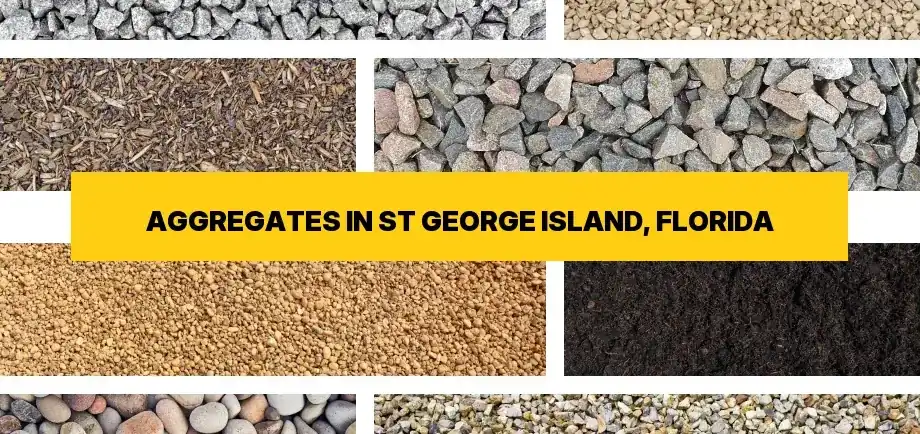
Shop Aggregates for Delivery in St George Island
Order online for free delivery to any St George Island address.


For property owners, contractors, and public works teams on St George Island, securing reliable aggregates and on-time gravel delivery St George Island-wide is essential. Our service focuses on practical, weather-aware aggregate delivery on this barrier island in Florida's Forgotten Coast, where sandy beaches, coastal winds, and occasional storm surge influence material choice and installation methods. Whether you are restoring dune access near St George Island State Park, reforging a driveway in the East End, or building a seaside patio near Middle Beach, we deliver bulk aggregates that match coastal conditions.
As a trusted St George Island gravel supplier, we combine decades of regional experience with a full product line to meet both structural and decorative needs. This page outlines product options, durability considerations for island geology, sand comparisons, local neighborhoods we serve, and answers to common questions about aggregate delivery on St George Island.
Premium Aggregates Available for St George Island Delivery
Gravel and Crushed Stone Products
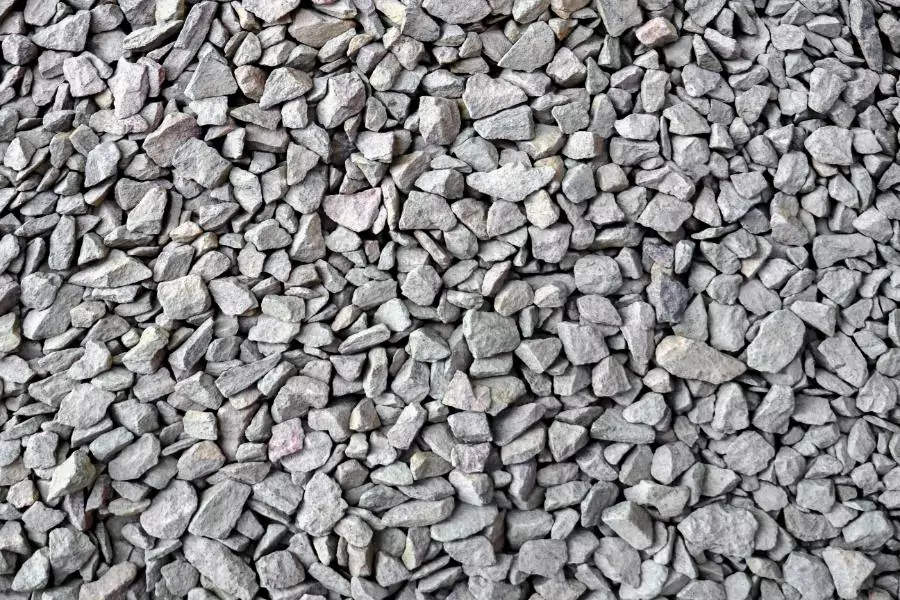
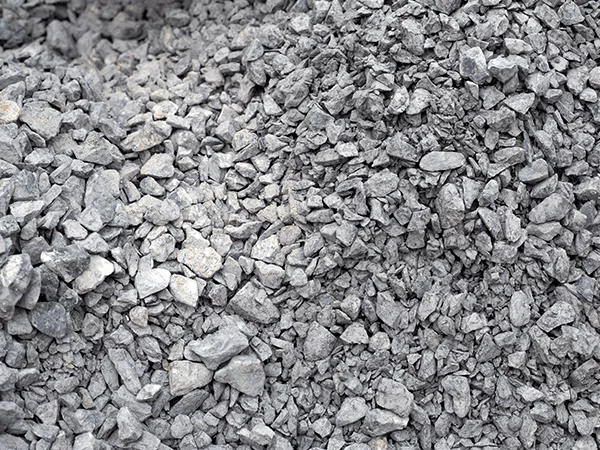
For foundational and structural applications across St George Island, contractors rely on dense crushed stone for load-bearing layers and compaction. Our supply of 3/4 inch Crushed Stone is well-suited for base layers under driveways and paved pads where compaction and interlock reduce migration in sandy soils. This material works well with local road base systems and is often used below a topping layer of driveway gravel to improve durability in coastal settings.
In combination with Road Base and Crusher Run, 3/4 inch crushed stone helps form a stable subbase that resists rutting and provides a compacted matrix for heavy equipment and emergency vehicle access on island roads and long driveways. These structural aggregates are essential for long-term performance where seasonal tides and stormwater can shift unbound materials.
Driveway and Pathway Materials
Choosing the right surfacing for driveways and walkways on St George Island requires attention to drainage and salt exposure. For a finished driving surface that blends durability with coastal aesthetics, many homeowners select Driveway Gravel combined with a compacted crusher run base. This pairing reduces washouts during heavy rains while maintaining a natural coastal look.
For pedestrian routes, boardwalk approaches, and low-maintenance garden paths, Decomposed Granite offers a smooth, compacted surface that resists spreading on sandy soils and holds edging well near dune vegetation. When a more textured option is desired, Walkway Gravel provides a stable, pervious surface suitable for foot traffic and light cart use along neighborhoods like the West End and North End of the island.
Decorative Stone and River Rock
St George Island's coastal homes and vacation rentals often use decorative aggregates to complement beachside landscaping. Smooth rounded stones and accent gravels are common finishes around pools, planters and coastal patios. Our Pea Gravel is popular for casual outdoor seating areas and perennial beds because it compacts just enough to stay in place while providing a softer walking surface than crushed stone.
For a more dramatic look that ties into natural beach themes, we deliver River Rock in several sizes. River rock resists salt spray and holds up against occasional tidal overwash when used in drainage swales and erosion control features near dune edges and bayside properties.
Drainage Solutions for St George Island's sandy coastal soil
Drainage is one of the most important considerations for any aggregate project on St George Island because the island rests on the Gulf Coastal Plain and is made up primarily of porous sand, shell hash, and thin coastal loams. Groundwater is typically shallow and heavy rains during the summer months—St George Island averages approximately 64 inches of rainfall annually—can quickly saturate unprotected areas. Combined with intense summer highs that often reach the upper 80s to low 90s Fahrenheit and mild winter lows in the mid 40s to low 50s, these conditions influence the choice of aggregates for long-term stability and performance.
To manage runoff and protect low-lying properties in neighborhoods such as East End, West End, and Bayside, designers employ layered drainage systems with coarse stone and geotextiles. Materials with high permeability are critical to avoid standing water and saltwater intrusion into structural fills. Our recommended drainage aggregates are selected for their ability to maintain permeability while resisting migration in wind-driven conditions.
Benefits of Proper Drainage Aggregates
- Reduces standing water and surface ponding during heavy summer storms
- Improves subgrade stability for driveways and roads subject to tidal influences
- Prevents erosion of sandy soils around foundations and seawalls
- Enhances longevity of surfacing layers by accelerating dry-down after rain
Specifically, #57 Stone is commonly specified for trench drains and French drains because of its excellent drainage rating and angular profile that resists movement. For larger scale subsurface systems and roadside swales on properties near the Apalachicola Historic District or Lanark Village approach roads, Drain Rock provides ample void space for rapid water transmission while also being resistant to compaction under repeated tidal and storm surge events.
Soil Products and Fill Materials
When preparing building pads, raising low parcels above seasonal high-water marks, or improving planting beds for coastal gardens, the choice of fill and soil products is crucial. On St George Island, many properties require a combination of imported fill to raise elevations and topsoil to establish vegetation that stabilizes dunes and reduces erosion. We supply screened Topsoil that has been blended to support native grasses and coastal plantings while avoiding excess organic matter that can trap moisture in sandy substrates.
For structural infill and bulk grading where vegetation is not the immediate goal, clean Fill Dirt is used to build berms, pads, and level areas for construction trailers or temporary storage. Proper compaction and layering of fill dirt followed by an appropriate aggregate cap—typically road base or crusher run—ensures long-term performance even where seasonal storms can deposit debris and shift surface materials.
Sand Products for Every St George Island Application
The barrier island setting means sand is both a natural resource and a construction material. We offer sand types tailored to different coastal needs, from masonry and play areas to washed sands for improved drainage and compaction control. Below, the sand comparison table outlines texture and typical uses in the St George Island environment.
| Sand Type | Best Applications | Texture | Common Uses in St George Island |
|---|---|---|---|
| Mason Sand | Brick laying, stucco, bedding pavers | Fine, consistent | Used for masonry repairs in Apalachicola area homes and for patio beds near the North End |
| Playground Sand | Play areas, soft landing surfaces | Soft, rounded grains | Installed at parks and private play areas near Bayside and community spots on the West End |
| Washed Sand | Drainage mixes, concrete, mortar | Clean, coarse to medium | Used in drainage trenches and concrete mixes for coastal repairs along avenues leading to St George Island State Park |
We supply specialized sands as single-product deliveries or blended with aggregates for site-specific mixes. For masonry projects around historic structures, Mason Sand offers the clean, uniform grains masons require. Play areas in community parks around Eastpoint and Lanark Village receive Playground Sand that meets safety and drainage recommendations, and for concrete and pervious bedding, Washed Sand is an ideal choice because it reduces silt and organic matter that can clog drainage in wet seasons.
Choosing the Right Aggregates for Your St George Island Project
Deciding on the correct aggregate involves matching product characteristics to site conditions, intended use, and long-term maintenance capacity. For island properties that face storm exposure and salt spray, angular crushed stone products are often preferred under compacted applications because their interlocking shape resists movement better than rounded materials. Decorative gravels and river rock complement coastal aesthetics but should be used with proper edging or containment to limit migration during high wind events.
Another growing consideration is sustainability. Recycled materials such as Crushed Concrete are being used more on the Forgotten Coast for subbase and retaining applications because they reduce demand for new quarried material and perform comparably to virgin aggregates in many uses when properly processed and compacted.
| Aggregate Type | Best Applications | Size Range | Drainage Rating | Compaction |
|---|---|---|---|---|
| 3/4 Crushed Stone | Base layers, driveway subbase | 3/4 inch | Moderate | High |
| #57 Stone | Drainage, French drains, walkways | About 3/4 inch to 1/2 inch mix | High | Low |
| Crusher Run | Compactable base under driveways | Mixed fines to 1-1/2 inch | Low to Moderate | Very High |
| Pea Gravel | Garden paths, seating areas | 3/8 inch | Moderate | Low |
| River Rock | Decorative beds, swales | Varies 1/2 inch to 4 inch | High | Low |
| Decomposed Granite | Compactable paths, patios | Fines to 3/8 inch | Moderate | Moderate |
| Road Base | Roads, heavy load pads | Mixed crushed sizes | Low to Moderate | Very High |
| Drain Rock | Swales, retention systems | 1/2 inch to 2 inch | Very High | Low |
Climate Considerations for St George Island Aggregates
St George Island sits within the Gulf Coast's humid subtropical climate. Average annual rainfall of roughly 64 inches and a hurricane season from June through November create conditions where rapid drainage, salt tolerance, and resilient compaction are priorities. Summer highs average in the upper 80s to low 90s F; winter lows typically fall to the mid 40s F. Freeze-thaw cycles are rare, so materials that depend on freeze stabilization are less of a concern here than in northern climates.
The island's geology is dominated by the Gulf Coastal Plain's barrier island deposits: well-sorted quartz sands, shell hash, and reworked Pleistocene marine sediments. These sandy soils mean that shallow foundations and pavement structures should include engineered fills or compacted aggregate bases to prevent settlement and lateral migration from tidal influences. We recommend specifying drainage-rated aggregates in all subsurface layers and top-dressing with appropriate surfacing to resist wind-blown sand movement.
Popular St George Island Project Applications
- Residential driveway upgrades and long-term road base stabilization for island access routes
- Coastal garden beds and dune restoration projects adjacent to St George Island State Park
- Beachfront patio and walkway stabilization using decomposed granite or walkway gravel
- French drains and swales using #57 stone and drain rock for stormwater management
- Small commercial pads and contractor staging areas requiring crusher run and road base
These project types are common across neighborhoods from the East End and West End to Bayside and areas near the Apalachicola inlet. Each application benefits from a tailored mix of aggregates and proper compaction schedules to match the island's unique soils and tidal influences.
Aggregate Delivery Throughout St George Island Metro
We provide aggregate delivery St George Island-wide to residential and commercial customers. Our logistics team plans loads to accommodate the narrow island roads, seasonal traffic patterns, and access points near state park entrances and community beaches. Deliveries are scheduled with attention to tides, weather forecasts, and sometimes staging from mainland access points like Eastpoint or Carrabelle for larger loads destined for sites near the North End.
Areas We Serve
Our service area on St George Island includes the East End, West End, North End, Middle Beach, Bayside, Gulf Beach approaches, communities around St George Island State Park, and properties adjacent to the Apalachicola inlet. We also coordinate deliveries that support preservation projects near Magnolia Beach, neighborhood improvements at Lanark Village, and private homes along the island’s beachfront avenues.
Nearby Cities Served
Beyond St George Island, we deliver aggregates to surrounding communities for projects that frequently support island infrastructure and mainland staging. Nearby cities include Apalachicola, Eastpoint, Carrabelle, Port St. Joe, Cape San Blas, Mexico Beach, Panama City Beach and the greater Gulf County service area. These nearby connections help streamline large orders, equipment staging, and recycled aggregate sourcing for island projects.
Frequently Asked Questions About Gravel in St George Island
Frequently Asked Questions About Gravel in St George Island
We deliver an extensive range of aggregates including structural bases such as 3/4 inch crushed stone, crusher run, and road base, as well as drainage products like #57 stone and drain rock, decorative gravels such as pea gravel and river rock, and specialty sands and soils.
Delivery is priced based on tonnage, access, and staging requirements. Due to island logistics and seasonal constraints, free delivery promotions are occasional; please contact our team with your project details for a clear estimate on free delivery St George Island eligibility.
Coverage depends on material density and desired depth. As a rule of thumb, one cubic yard typically covers about 80-100 square feet at 2 inches thick. For a compacted driveway base using crusher run or road base, plan on 4-6 inches of compacted material. We provide custom calculations for aggregate delivery St George Island orders when you provide dimensions.
Coastal soils are sandy and corrosive, so well-draining, angular crushed stone like 3/4 inch Crushed Stone under a compacted Crusher Run layer or road base is often recommended. For drainage systems, #57 Stone and Drain Rock perform exceptionally well.
Yes. We regularly deliver to Apalachicola, Eastpoint, Carrabelle, Port St. Joe, Cape San Blas and other regional communities to support island projects and mainland staging of materials.
The best scheduling windows are spring and early summer for site prep and construction, though we operate year-round. Avoid scheduling heavy deliveries during forecasted storms or high tide events; our logistics team coordinates timing with you to minimize disruption.
Yes. Recycled options such as Crushed Concrete are available and are often used for subbase layers and temporary pads to reduce environmental impact while maintaining structural performance.
Get Quality Aggregates Delivered to Your St George Island Property
Selecting the right aggregate for your St George Island property requires matching material characteristics to local soil conditions, climate considerations, and the intended use of the area. Whether you are improving access roads to beachfront homes in the West End, stabilizing approaches to the state park, or designing low-maintenance walking paths across dune-backed yards, our selection of aggregates and sands is suited to coastal demands.
For decorative and functional surfacing around cottages and rental properties near Apalachicola inlet, homeowners commonly choose Driveway Gravel or custom blends that balance drainage and comfort. For projects that require a compacted walking surface, Decomposed Granite and Walkway Gravel are dependable choices. If you are planning a drainage upgrade, new driveway, or coastal restoration work, we can help specify the right mix of aggregates to preserve access and reduce maintenance needs across neighborhoods from Middle Beach to Bayside and beyond.
Contact our St George Island delivery coordinator to discuss load sizes, access constraints, and the best timing for your aggregate delivery. We schedule loads to minimize environmental impact and ensure materials perform well in the island's sandy coastal soils and sometimes challenging weather conditions.

Need help? Reach out for a quote: