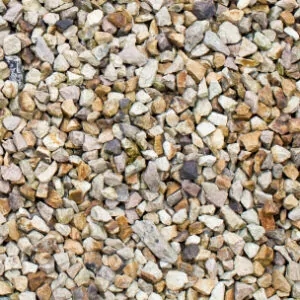
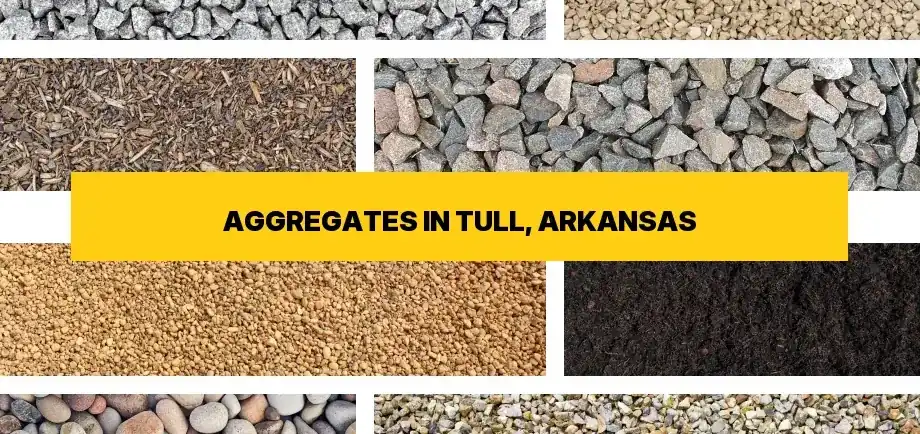
Gravel for Sale in Tull, Arkansas
Local Topsoil, Dirt, Sand, Rocks and Gravel near me in Tull, Arkansas
Shop Aggregates for Delivery in Tull
Order online for free delivery to any Tull address.


Tull, Arkansas sits in the heart of White County and benefits from easily accessible aggregate resources for home improvement, agricultural and commercial projects. Whether you are resurfacing a long rural driveway off Highway 164 or creating a low-maintenance garden bed in a Searcy-area subdivision near downtown, Tull residents rely on consistent bulk supply of quality gravel and aggregates. Our local knowledge of Tull's climate, soils and seasonal conditions makes us a dependable partner for deliveries across neighborhoods like the Tull crossroads, nearby Searcy corridors, Judsonia historic blocks, and extending toward Kensett and Pangburn.
We serve property owners across pockets of Tull and the surrounding communities, providing precise deliveries of aggregate products tailored to specific projects. Because Tull sits between gently rolling hills and river-influenced lowlands, selecting the right gravel and sand can mean the difference between a stable driveway and recurring washouts. This page explains available materials, how they perform in Tull's soils and weather, and how our delivery area covers local neighborhoods from West Searcy to Bald Knob.
Premium Aggregates Available for Tull Delivery
Gravel and Crushed Stone Products
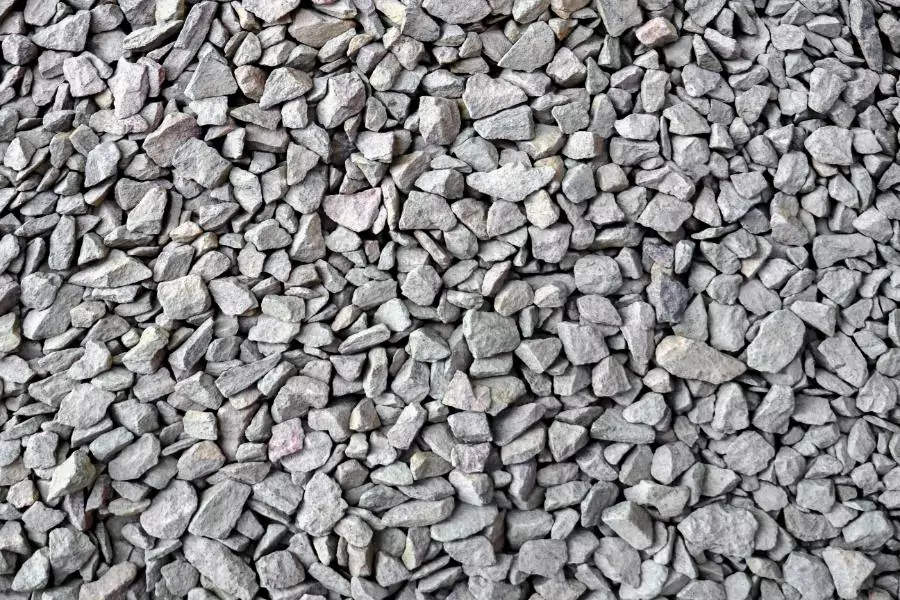
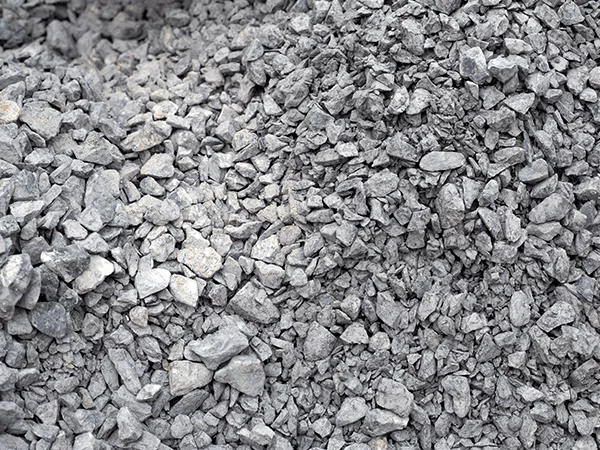
For structural bases, drainage layers and durable surfaces we supply a full line of crushed stone and well-graded gravels engineered for compaction and load-bearing. Our 3/4 inch Crushed Stone is a go-to base material around Tull for driveways and road reconstruction because it locks together under compaction and holds up during Arkansas's freeze-thaw cycles and heavy summer rains. Builders use 3/4 inch crushed stone as a stable subbase beneath concrete pads and paver installations across residential neighborhoods like the Searcy north side and areas around Highway 36.
Complementing the crushed stone, our selection includes aggregate blends that combine fines and larger particles to meet compactability needs across rural lanes and commercial pads. When local soil layers are soft or prone to draining poorly, these crushed stone products create a reliable structural layer that reduces settling over time.
Driveway and Pathway Materials
Driveway performance in Tull depends on both material choice and installation. For firm surfaces that withstand heavy truck traffic and utility vehicles, contractors commonly specify Crusher Run as a binding base course and follow with a wearing layer of Driveway Gravel. Crusher run compacts to a near-pavement density and resists washouts along sloped country drives that drain toward the Little Red River tributaries in the region. A compacted crusher run base paired with angular driveway gravel keeps ruts to a minimum through wet springs and heavy summer storms.
For ornamental walkways and garden paths through neighborhoods such as downtown Searcy and the historic Judsonia district, a smoother, smaller aggregate is preferred and installed on a compacted subbase. Our Walkway Gravel offers a comfortable walking surface, while installers often place a layer of geotextile fabric below to separate the native soil from the gravel and extend the service life of the path.
Decorative Stone and River Rock
For low-maintenance landscaping accents, riverbeds and erosion control along creek banks near Tull, aesthetic stone types are essential. Our selection of River Rock comes in several sizes and tones and works well along drainage swales and foundation beds where appearance and function are both priorities. River rock also helps stabilize slopes in landscaped properties around Rose Bud and Kensett.
When homeowners want a fine, rounded finish around planters, patios or children's play areas, Pea Gravel provides a smooth, walkable surface that complements native plantings and Arkansas-friendly xeriscapes. Pea gravel frequently appears in raised bed borders and patio joints in neighborhoods stretching from West Searcy to Bald Knob.
Drainage Solutions for Tull's clay and loam soil
Tull sits in a transitional zone where clay-rich soils and loamy topsoils meet alluvial deposits. The area typically records about 48 inches of annual rainfall, making drainage a crucial design consideration. Summer highs regularly reach the low to mid 90s°F and winter lows dip into the mid 20s°F, so aggregates must perform under both hot, wet summers and occasional freezing conditions. Regional geology features sedimentary bedrock like sandstones, shales and limestone, with surface soils that vary from sticky red clays in some fields to sandy loams closer to stream corridors. These characteristics mean that drainage aggregates are often used to manage surface runoff and protect foundations from saturation.
Benefits of Proper Drainage Aggregates
- Increased subsurface water flow and reduced surface saturation to protect foundations and driveways from washout.
- Reduced soil erosion along slopes and creek edges, particularly important for properties near the Little Red River tributaries.
- Improved longevity of pavement and base layers by preventing frost heaving and rutting from trapped water.
- Better plant health by directing excess water away from roots and preventing standing water in low-lying yards.
To implement these solutions, contractors in Tull often specify #57 Stone or Drain Rock in french drains, around perforated pipe, and in gravel-filled swales. The angular profile and size distribution of #57 Stone permit efficient water transmission while resisting clogging from surrounding silts common to local soils.
Soil Products and Fill Materials
Addressing grade changes, garden bed prep and lawn restoration across Tull residential lots requires a reliable supply of soil and fill. We stock screened Topsoil suited for turf establishment and planting beds; this product is blended to improve seed germination rates and support root growth in Tull's varied soil types. Contractors restoring disturbed sites in the Kensett corridor and near Pangburn prefer a richer topsoil blend for improved permeability and nutrient retention.
For structural fill, building pads, and regrading along county roads and rural tracts, Fill Dirt is used to raise elevations and create stable subgrades prior to laying base aggregate or sod. Fill dirt is screened to remove large debris and helps achieve consistent compaction across larger lots in neighborhoods like Judsonia and the surrounding farmsteads near Mount Vernon.
We also offer recycled aggregate options for clients seeking lower-carbon solutions. Crushed Concrete is an effective alternative for base courses, erosion control pads and permeable parking areas; it reduces the need for virgin aggregate and performs well when properly compacted and graded.
Sand Products for Every Tull Application
Sand has many uses across Tull projects, from bedding under pavers and utility trenches to cushion layers for playgrounds and masonry work. Selecting the right sand type influences drainage, compaction and finish quality. In urban fringe neighborhoods near Searcy's downtown and along subdivision streets, sand choice affects how well patios drain after summer storms and how safe playground surfaces remain during wet periods.
For fine mortar mixes, bedding and finish grading where a smooth texture is desired, Mason Sand is commonly specified by local masons. Mason sand's uniform, fine grains provide a creamier mortar mix and are ideal for setting pavers and brick in patios and stoops across Tull and nearby Beebe properties.
Playground safety surfaces require sand that stays loose, drains quickly and resists compaction. For schools, parks and residential play areas in areas like Rose Bud and Bald Knob, Playground Sand meets safety and regulatory texture standards that cushion falls and allow for proper water runoff.
When filtration and consistent grain size are priorities for hardscapes and drainage features, Washed Sand is the preferred material. Washed sand's clean grains reduce silt transfer into jointed pavers and limit clogging of drainage systems in both new construction and retrofit projects around Kensett and along county road repairs near Pangburn.
| Sand Type | Best Applications | Texture | Common Uses in Tull |
|---|---|---|---|
| Mason Sand | Mortar mixes, paver bedding, brickwork | Fine, smooth | Patio curbs and stoops in downtown Searcy and surrounding subdivisions |
| Playground Sand | Play areas, fall zones, parks | Loose, cushioning | School playgrounds and community parks near Rose Bud and Bald Knob |
| Washed Sand | Drainage layers, paver jointing, filtration | Clean, medium-grain | Driveway edging and drainage trenches across Kensett and Beebe properties |
Choosing the Right Aggregates for Your Tull Project
Selecting the correct aggregate for a project in Tull depends on intended use, local climatic stresses and native soil conditions. Across the Tull area, aggregates are chosen to address erosion, water flow, load capacity and aesthetics. For heavy-vehicle access lanes near agricultural operations, robust materials with high compaction are prioritized, while garden beds and decorative borders lean toward washed or rounded stone for visual appeal and plant safety. Cost sensitivity and environmental preference also influence whether customers select recycled options like crushed concrete or virgin stone products.
| Aggregate Type | Best Applications | Size Range | Drainage Rating | Compaction |
|---|---|---|---|---|
| 3/4 Crushed Stone | Base for driveways, paver subbase | 3/4 inch pieces | Medium | High |
| #57 Stone | Drainage, french drains, permeable pavements | 1/2 - 1 inch | High | Low |
| Crusher Run | Driveway base, road repair | Varied up to 2 inches | Medium | Very High |
| Pea Gravel | Patios, play areas, decorative beds | 3/8 inch rounded | Low | Low |
| River Rock | Erosion control, landscaping accents | 1/2 inch - 3 inch | High | Low |
| Decomposed Granite | Compactable pathways, xeriscape mulch | Fine to small granules | Medium | Medium |
| Road Base | Public road repair, heavy access lanes | Varied - well graded | Medium | High |
| Drain Rock | Subsurface drainage, pipe surrounds | 3/4 - 2 inches | Very High | Low |
Climate Considerations for Tull Aggregates
Tull’s climate requires aggregates that resist the dual pressures of heavy summer rains and occasional freezing winter temperatures. With average annual precipitation near 48 inches, engineered drainage is a primary concern for properties along flood-prone lowlands and creek corridors. Summer temperatures often reach the low 90s°F and winter lows commonly fall into the mid 20s°F, producing freeze-thaw cycles that demand stable, frost-resistant base materials. In practice, this means using well-graded road base and compactable layers like crusher run under a wearing course of angular driveway gravel on frequently used access ways in the area surrounding the Little Red River watershed.
Soil composition is equally important. Many Tull parcels contain red clay soils with low permeability, while riparian edges show sandier, loam textures. Clay-rich plots require a thicker aggregate base and consideration for additional drainage layers. Conversely, sandy loam sites need measures to prevent migration of fines into the aggregate layers, which is why geotextile separation and washed sand or select gravels are used near streamside properties and new construction along county roads.
Popular Tull Project Applications
- Rural driveway reconstruction for farm entrances and private lanes near Highway 124.
- Perimeter drainage improvements and french drain installation for homes around Searcy and Kensett.
- Patio, walkway and patio jointing projects within newer subdivisions off Highway 89.
- Erosion control and creek bank stabilization along tributaries around Pangburn and Mount Vernon.
Aggregate Delivery Throughout Tull Metro
We deliver aggregates across Tull and into neighboring jurisdictions, ensuring on-time loads for contractors, landscapers and residential projects. Our logistics account for farm equipment access, narrow rural lanes and seasonal road restrictions common in White County. Deliveries are scheduled to avoid heavy rains when possible and we provide guidance on site placement to minimize truck turning or the need to move bulk loads by hand through steep yards.
Areas We Serve
Our service footprint includes the Tull crossroads and extends into surrounding neighborhoods and communities. Frequent delivery locations include pockets near downtown Searcy, West Searcy developments, residential streets along the Highway 36 corridor, historic districts in Judsonia, and rural homesteads near Kensett, Pangburn and Bradford. We also serve properties in Rose Bud, Bald Knob, Mount Vernon, Beebe and the subdivisions around Letona and Austin areas. These neighborhood-level deliveries address the unique access and material needs of each locale, from narrow historic alleys to wide acreage driveways.
Nearby Cities Served
Beyond Tull, our trucks routinely deliver to Searcy, Beebe, Judsonia, Kensett, Bald Knob, Pangburn, Rose Bud and Little Rock for larger municipal or commercial projects. This broader coverage ensures continuity of supply for contractors managing multi-site jobs across White County and into the central Arkansas region.
Frequently Asked Questions About Gravel in Tull
We deliver a broad range of aggregates to Tull including crushed stone, #57 stone, crusher run, road base, drain rock, river rock, pea gravel, decomposed granite, walkway gravel and driveway gravel, along with a selection of sands and soil products suitable for both residential and commercial uses.
Delivery terms depend on order size, distance and site access. For certain order volumes and when truck routing aligns, we run free delivery promotions within parts of Tull and nearby neighborhoods. Contact our local dispatch for a location-specific cost estimate and scheduling.
To estimate, measure the area in square feet and decide on desired depth. Multiply area by depth in feet to get cubic feet, then divide by 27 to convert to cubic yards. Our team can provide quick estimates and recommended depths for driveways, drainage trenches and landscape beds based on site photos.
Because Tull has a mix of clay and loam soils, we often recommend a compactable base such as crusher run or road base topped with angular 3/4 inch crushed stone for driveways. For drainage, #57 stone and drain rock are excellent choices to move water away from foundations and prevent standing water in yards.
Yes. We routinely deliver to rural lanes, farm accesses and narrow driveways across White County. Please advise us of any low-hanging utility lines, tight turns, or gate requirements so we can plan the right truck and placement approach.
We supply recycled aggregates like crushed concrete that reduce demand for virgin stone and can serve as effective base material. Recycled products are particularly useful for large base layers, permeable parking pads and erosion control measures along stream corridors.
Get Quality Aggregates Delivered to Your Tull Property
Whether you are repairing a long driveway off County Road, building a raised garden in the Searcy suburban fringe, stabilizing a creek bank near Rose Bud or preparing material for a municipal patch in Beebe, our local knowledge and dedicated fleet ensure the right material arrives on time. We provide guidance on material selection—matching 3/4 inch crushed stone, crusher run or Road Base where structure is required, and recommending river rock or pea gravel for aesthetic and functional landscaping. Our teams understand Tull’s climatic cycles, soil behavior and the access constraints of neighborhoods like Kensett, Judsonia, Bald Knob and the areas adjacent to the Little Red River, and plan deliveries accordingly.
For homeowners and contractors throughout Tull and nearby cities, we combine quality aggregates, accurate ordering and efficient delivery to keep projects on schedule. Reach out with project details and we can advise on quantities, material layering and seasonal timing to minimize rework and water-related damage. Trust our expertise to match aggregate selection to the unique demands of Tull's soils, weather and local construction practices.

Need help? Reach out for a quote: