
Buy Sand in Sarver, Pennsylvania
Sand ordered online by the ton. A dump truck delivers to your Sarver address and unloads right where you point.
- Free Delivery Promotion
- Servicing Homeowners and Contractors
- Use FIRSTTIMER50 for $50 Off First Order
Sand we deliver in Sarver
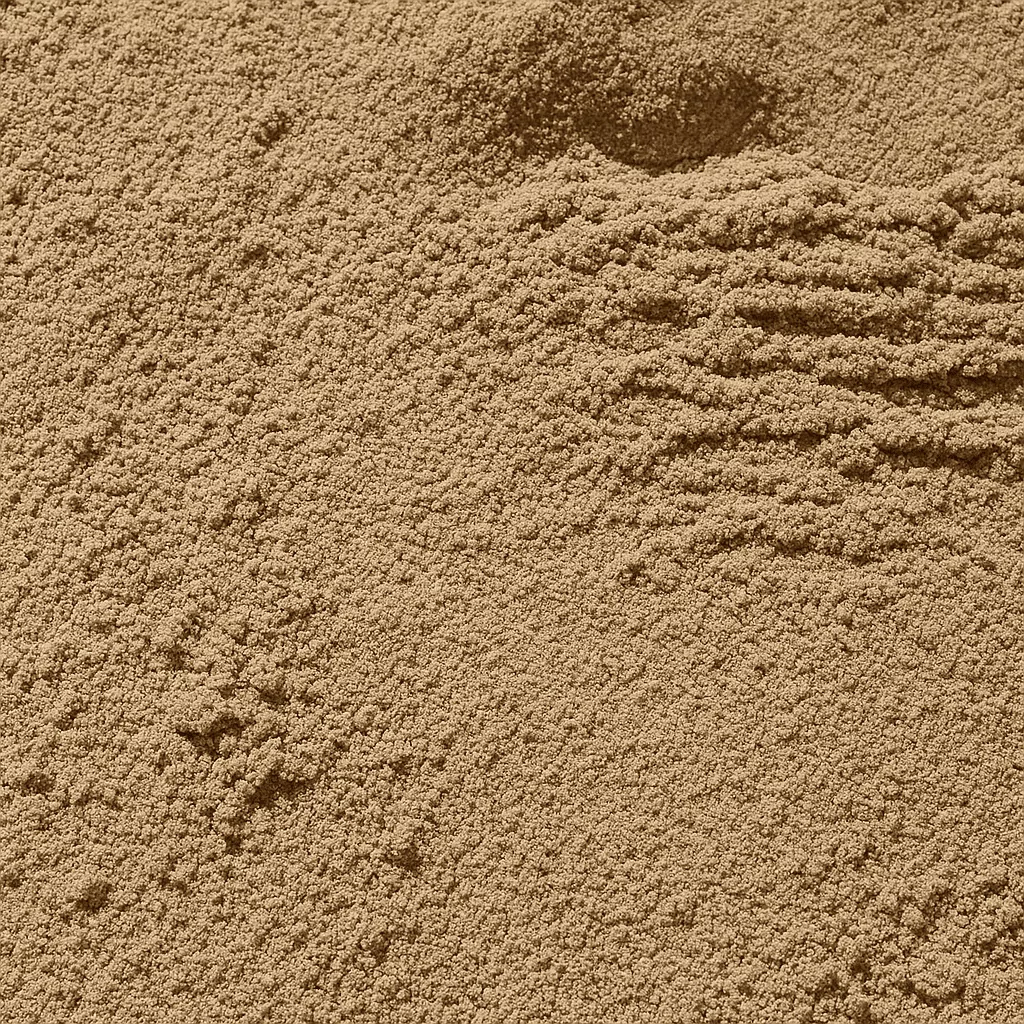
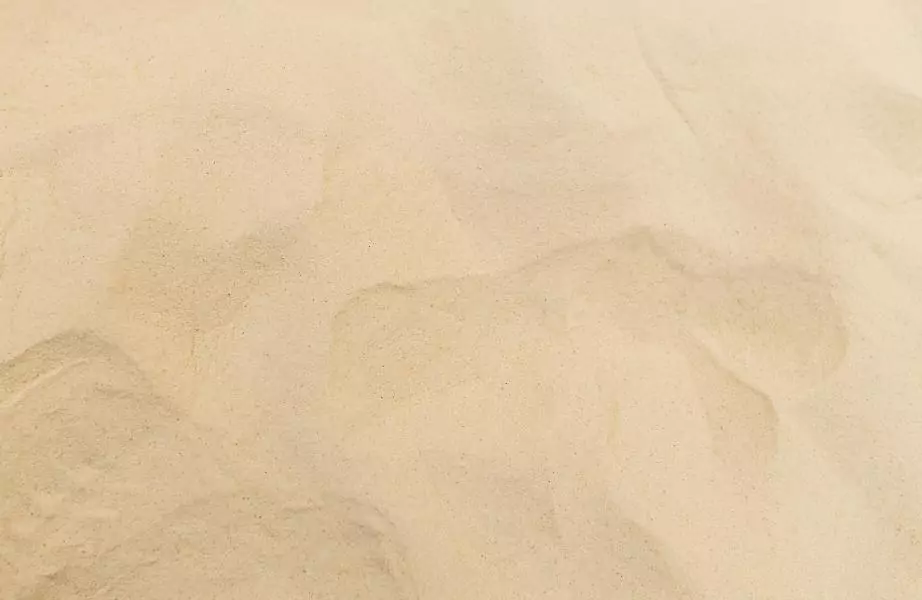

Sand in Sarver
Sand deliveries for typical projects in Sarver run from a couple of tons for a sandbox to ten or more tons for a paver patio base. Getting the right grade and a clean load matters more than the exact tonnage.
Sarver sees about 90 wet days a year, so planning your delivery onto firm, dry ground helps avoid a messy job. Schedule a window when the ground is stable.
Sand grades available in Sarver
Sand is sorted by grain size and cleanliness. The three grades stocked in this area each suit a different set of jobs. The table below shows what each is used for and what to note about it.
| Product | Best for | Note |
|---|---|---|
| Mason Sand | Mortar, paver joints, fine leveling | Fine grains, no sharp edges; rolls easily under compaction. |
| Washed Sand | Concrete work and clean fill | Coarser than mason sand; washed to remove dust. |
| Playground Sand | Play areas and sandboxes | Screened and washed for safety; free of large particles. |
Which sand to choose for your Sarver project
Each job needs a specific sand grade. The table below matches common projects to the right product and gives a general depth guide.
| Project | What to order | Depth or note |
|---|---|---|
| Pipe bedding | Washed Sand | Uniform bed 2 to 4 inches; no fines that could clog. |
| Paver leveling course | Mason Sand | Screeded 1 inch; compact before laying pavers. |
| Pool base | Mason Sand | 4 to 6 inches after tamping; must be smooth. |
| Mortar and masonry | Mason Sand | Mixed with cement; fine sand gives workable joints. |
| Sandbox or play area | Playground Sand | Fill to 8 to 12 inches for safe landing depth. |
How Sarver's climate affects your sand job
Sarver gets about 43 inches of precipitation a year. That water has to go somewhere, and sand alone does not stop water from migrating. The soils mapped in this area are commonly poorly drained, so you should plan for more base stone under the surface layer than you might need in a dry climate.
The ground around Sarver sits in dual hydrologic group C/D. Where it is drained, water moves slowly and some runs off. Where it is not drained, water moves very slowly and most rain runs across the surface. Drainage and a deeper base matter more here than in many other places, but whether you need the full treatment depends on your site's drainage.
About 118 days a year drop below freezing. That freeze-thaw cycle can shift an unconsolidated base. Winters here are cold enough to move an unsettled base, so compaction is worth the extra pass. Snowfall averages 29 inches, and plowing a loose sand surface will rut it, so plan to apply the final layer after the snow season or protect it with a topping.
Butler County permitted about 946 single-family homes in 2024, a county figure that points to new construction needing sand for foundations, concrete, and landscaping. New-build sites often have compacted subgrades that hold water, so base drainage is even more important.
Estimating how much sand you need
You do not have to guess the tonnage. Enter your project dimensions and target depth into our sand calculator to get an instant estimate. The calculator accounts for compaction settling, so you order enough the first time.
Ordering sand from Gravel Monkey
Order online by the ton, and delivery is priced by your ZIP code at checkout. A dump truck brings the load to your Sarver address in loads from 1 to 40-plus tons. Free delivery is available on qualifying orders. Use code FIRSTTIMER50 for $50 off your first order.
The delivery date is set at checkout and must be at least 3 business days after the order. You choose a morning or afternoon window. You get an email confirmation, then a second email with the scheduled window and a photo of the load. The delivery only goes ahead once you approve that second email. Someone must be at the site during the window.
Learn more on the Delivery Information page. See About Gravel Monkey and Customer reviews for background.
Other materials that work with sand in Sarver
Sand rarely works alone. Pair it with these materials for a complete job.
- Crushed Concrete, Used as a base layer under sand to improve drainage and prevent settling.
- Mulch, Spread over sand in play areas to reduce dust and keep the sand clean.
- Crushed Gravel, A compactable base for patios and walkways that sits under the sand leveling course.
- Crushed Stone, Provides a stable sub-base where sand alone would shift.
- Topsoil, Blends with sand for garden beds or to amend heavy clay soils.
- Gravel & Rock, Use around drainage points to move water away from sand areas.
Frequently asked questions about sand in Sarver
Does the length of the freeze season in Sarver change what I should order?
Yes. Roughly 118 days a year drop below 32F, which creates repeated freeze-thaw cycles. This movement can shift a loose sand bed, so compaction is critical. You may also want a thicker base layer to keep the sand stable through the winter.
Is Sarver wet enough that drainage should drive the choice?
Sarver gets about 43 inches of precipitation a year, and the local soils are mapped as poorly drained with a dual hydrologic group C/D rating. Drainage is a real factor. Using washed sand instead of mason sand in wet areas, and adding a stone base, helps water move through without washing the sand away.
What is the difference between the sizes you stock?
Mason Sand is the finest, with grains that pass through a fine sieve. Washed Sand is coarser and clean, ideal for concrete and fill. Playground Sand is also washed but screened to remove any sharp particles, making it safe for children's play.
How do I know how deep to go?
Depth depends on the project. A paver leveling course needs about an inch, a pool base needs 4 to 6 inches, and a sandbox needs 8 to 12 inches. Use our sand calculator to convert depth to tons for your area.
Sand delivered to your Sarver address
Ordering sand in Sarver means getting a bulk load dropped exactly where you mark it. No trip to a yard, no bag handling. See the Sarver location page for details and to place your order.
Sand delivery in nearby towns
Gravel Monkey also delivers sand to these nearby communities.
- Saxonburg
- Freeport
- Natrona Heights
- Brackenridge
- Tarentum
- West Leechburg
- Leechburg
- Lower Burrell
- Arnold
- New Kensington
Ready to order sand in Sarver?
See the delivered price for your address and order sand by the ton online. Loads run from 1 to over 40 tons, with free delivery on qualifying orders.
Get a free sand quote
Fill out the form and our sales team will get back to you within the hour.