
Buy Sand in Farmington, Maine
Sand ordered online by the ton. A dump truck delivers to your Farmington address and unloads right where you point.
- Free Delivery Promotion
- Servicing Homeowners and Contractors
- Use FIRSTTIMER50 for $50 Off First Order
Sand we deliver in Farmington
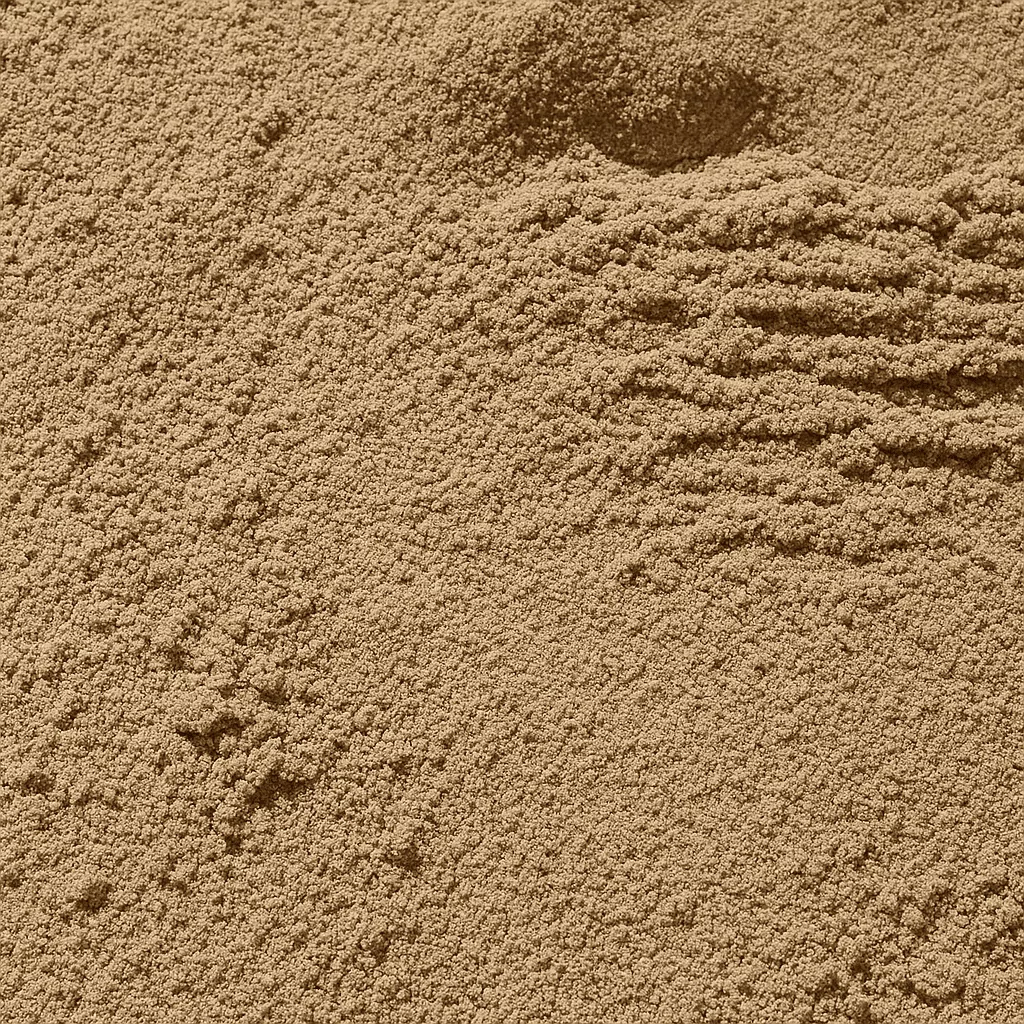
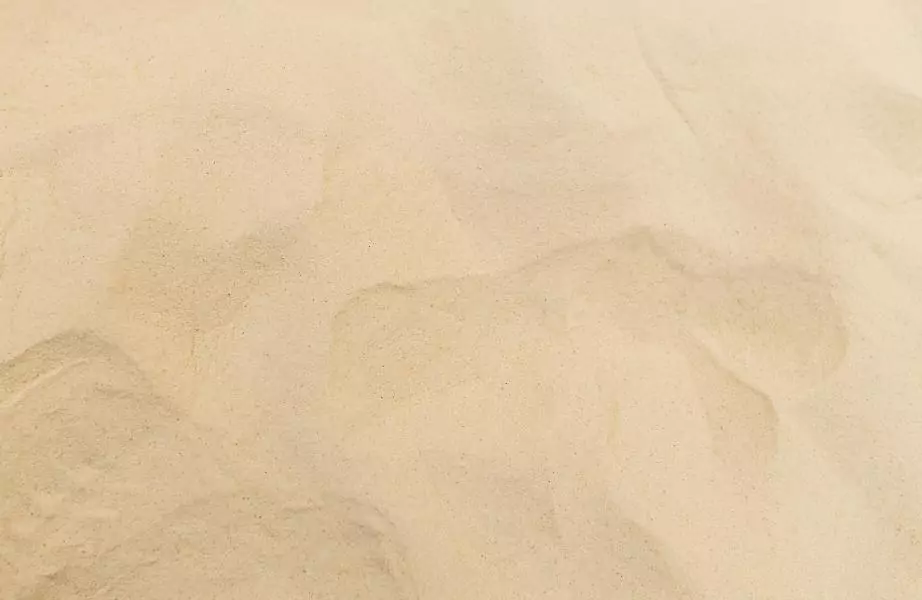

Sand in Farmington
Most sand projects in the Farmington area take between 5 and 25 tons of material. That is roughly 2 to 10 cubic yards, depending on the type and moisture content. The weight matters because you buy sand by the ton, not the bag.
Farmington gets about 86 days a year with at least a tenth of an inch of rain. That many wet days means scheduling your sand delivery onto firm ground is worth planning around.
Sand Types Delivered to Farmington
Each sand product sold here fills a different role. The table below matches the material to the job so you can pick the right load the first time.
| Product | Use | Notes |
|---|---|---|
| Mason Sand | Mortar, paver joints, fine leveling | Fine grains that pack tightly without stones |
| Washed Sand | Concrete work and clean fill | Rinsed to remove clay and slit, stays clean in concrete |
| Playground Sand | Play areas and sandboxes | Screen tested for safety, coarse enough to drain |
Which Sand to Use for Your Farmington Project
Different jobs need a different grade of sand. The wrong grain size can cause settling, drainage issues, or a surface that shifts underfoot. Use this guide to match the problem to the solution.
| Project | What to order | Depth or note |
|---|---|---|
| Mortar and masonry | Mason Sand | Use in the mix at 1 part cement to 3 parts sand by volume |
| Pool base | Mason Sand | Spread 1 to 2 inches, then wet and compact before the liner |
| Pipe bedding | Washed Sand | A 4-inch layer below and around the pipe to prevent point loads |
| Paver leveling course | Mason Sand | Screed to 1 inch, then compact after pavers are laid |
| Sandbox or play area | Playground Sand | Fill 8 to 12 inches deep for safe play, less if under a structure |
How Farmington's Climate Affects Your Sand Project
Farmington sees about 176 days a year where the temperature drops below 32 degrees F. That freeze-thaw cycle pushes wet sand upward and causes surface heaving. A properly compacted base that drains well resists that movement.
The ground freezes deep and long here. For outdoor uses like a patio base, the sand layer needs to sit on enough crushed stone to keep water from pooling underneath. When thaw softens the ground for a stretch each spring, that is when a thin layer shifts underfoot if drainage was skipped.
Farmington averages roughly 86 inches of snow a year. Plowing and shoveling that much snow can move a loose sand surface that was never compacted. Soils mapped in the Farmington area are commonly moderately well drained, so a base layer of coarse stone under the sand is an idea worth considering. The ground here is in hydrologic group C, which means it takes water in slowly and sheds a fair amount across the surface, making a deeper drainage layer under the sand a practical choice.
Calculating How Much Sand You Need
You estimate the tonnage by measuring the length and width of the area in feet, multiplying by the planned depth in inches, and dividing by 324 to get cubic yards. A cubic yard of dry sand weighs roughly 1.3 tons. Use our sand calculator to plug in your numbers and find the right order quantity in seconds.
Ordering Sand from Gravel Monkey
You place your order online by the ton. The delivery price is calculated based on your ZIP code at checkout. A dump truck brings the load to your address, regardless of whether that is a driveway, a job site, or a patch of gravel. Loads range from 1 ton to more than 40 tons, and free delivery applies on qualifying orders. First-time customers save $50 with the code FIRSTTIMER50 on their initial order.
Lead time for a delivery is a minimum of 3 business days. You pick a window during checkout: morning, 7 am to 12 pm, or afternoon, 12 pm to 5 pm. A valid phone number is required to confirm the delivery. You receive an email confirmation when the order is placed, then a second email closer to the date with the scheduled window and a photo of the material being loaded. Delivery only goes ahead once you approve that second email. You or someone you nominate must be available at the site during the window. The access road needs to be at least 12 feet wide for the truck.
Read more about the process on the delivery information page. Learn about the company on the About Gravel Monkey page and find verified customer reviews online.
Other Materials That Pair with Sand in Farmington
Sand alone rarely solves a full project. These materials work alongside it to give you a stable, finished surface.
- Crushed Stone, Use under sand for a drainage base that keeps the surface dry.
- Topsoil, Mix with sand for a lighter garden bed that drains better than straight soil.
- Gravel & Rock, Compacted gravel sits under sand for patios and walkways.
- Crushed Gravel, A cheaper base layer for driveways before the sand top coat.
- Walkway Gravel, Decorative stones that edge a sand-filled path.
- Mulch, Use around plantings separated from sand by a border.
Frequently Asked Questions About Sand in Farmington
Does the length of the freeze season in Farmington change what I should order?
Yes. Farmington averages about 176 days a year below freezing. A longer freeze season means the sand layer needs to be placed on a well-drained base so that water does not get trapped under it and cause heaving when the ground thaws. Order a sand that compacts well, such as Mason Sand, and plan for enough crushed stone underneath.
Is Farmington wet enough that drainage should drive the choice?
Farmington receives about 49 inches of precipitation annually. That level of rainfall means that any sand surface outdoors will get saturated regularly. Choosing a sand with good drainage, like Playground Sand, and allowing for a sloped base or a drainage layer underneath helps prevent washouts and pooling.
What is the difference between the sizes you stock?
Mason Sand is a fine, clean sand with particles between 0.1 and 0.3 millimeters. Washed Sand is a coarser product with a grain size of 0.2 to 0.5 millimeters, free of dust and silt. Playground Sand is similar in size to washed sand but is screened to remove sharp edges and contaminants.
How do I know how deep to go?
The depth depends on the use. A paver leveling course needs 1 inch. A sandbox needs at least 8 inches. Pipe bedding usually calls for 4 inches below the pipe. For any outdoor application, the sand depth should be enough to cover the aggregate base without making the finished surface more than 2 to 3 inches thick after compaction.
Get Your Sand Delivered to Farmington
Ordering sand online and having it dropped at your property is straightforward. Gravel Monkey handles the sourcing and delivery, and you pick the spot. Start your order from the Farmington hub page.
We also deliver sand to nearby towns in Franklin County.
Ready to order sand in Farmington?
See the delivered price for your address and order sand by the ton online. Loads run from 1 to over 40 tons, with free delivery on qualifying orders.
Get a free sand quote
Fill out the form and our sales team will get back to you within the hour.