
Buy Sand in Cascade, Idaho
Sand ordered online by the ton. A dump truck delivers to your Cascade address and unloads right where you point.
- Free Delivery Promotion
- Servicing Homeowners and Contractors
- Use FIRSTTIMER50 for $50 Off First Order
Sand we deliver in Cascade
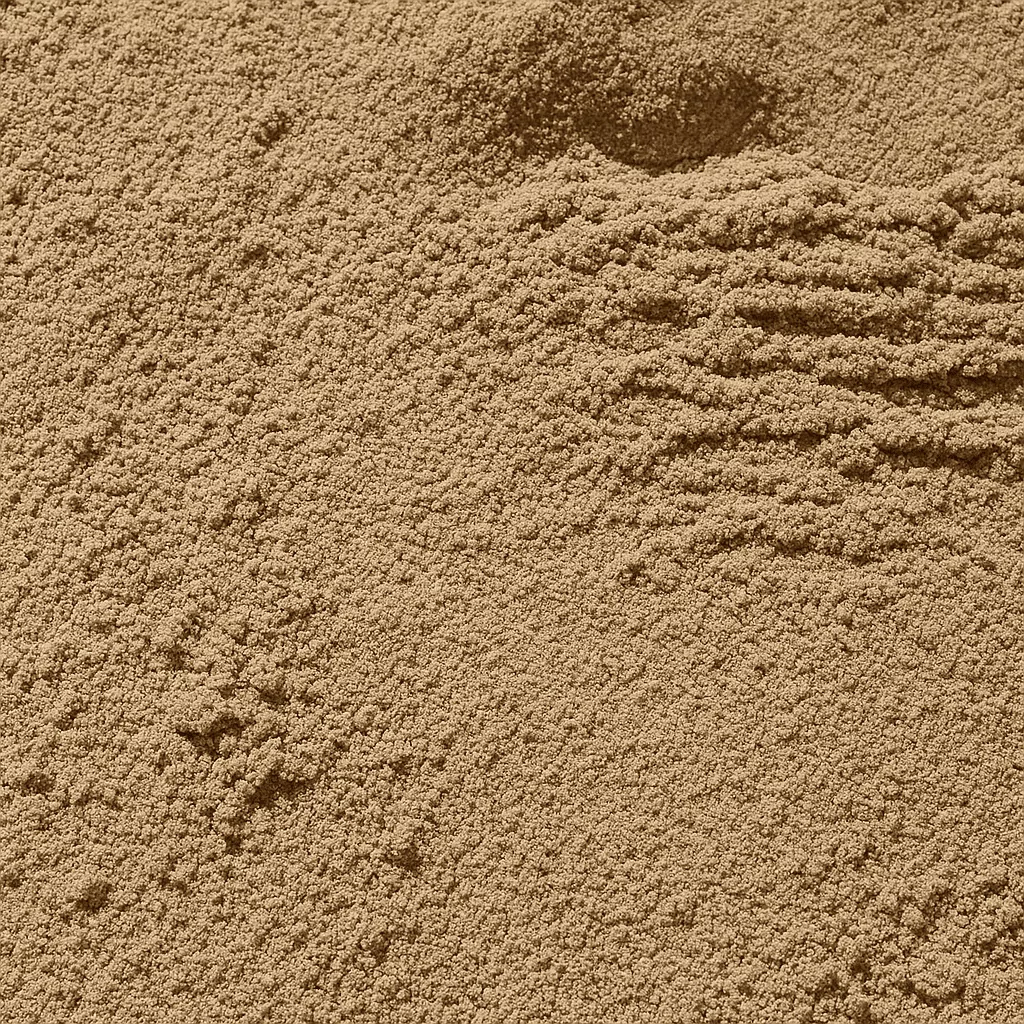
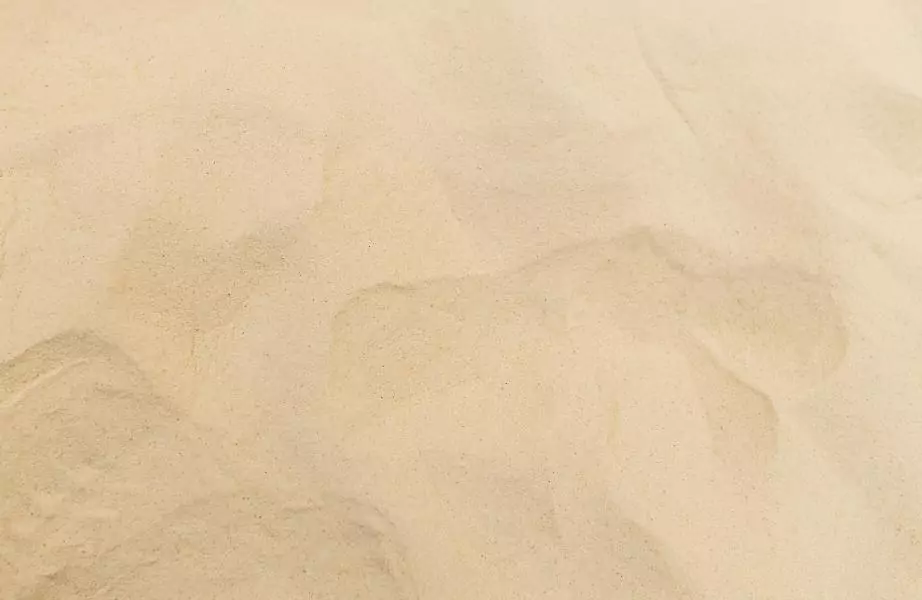

Sand in Cascade
Most buyers grab the first sand they see without thinking about where it will go. In Cascade, the choice matters because the ground handles water differently than it does down the valley. Get the wrong sand and you might end up washing it out or fighting compaction.
The trick is to match the sand to the job and to the local conditions. Cascade gets about 27 inches of precipitation a year, so drainage and washout planning should guide what you order.
Sand Types Available in Cascade, Idaho
Think of sand as either a base material or a finish material. Base sands get compacted under something solid; finish sands stay exposed or get a light topping. Every delivery is a single product, so pick the one that fits your layer.
| Product | Common Use | Note |
|---|---|---|
| Mason Sand | Mortar, paver joints, fine leveling | Clean and fine; compacts well under pavers and provides a smooth finish. |
| Washed Sand | Concrete work and clean fill | Rinsed to remove fines; good for mixing concrete or filling utility trenches. |
| Playground Sand | Play areas and sandboxes | Soft, screened and free of sharp edges; stays put under moderate play. |
Which Sand for Which Project in Cascade
Budget projects often skimp on the base layer. The table below shows the sand that works best for common Cascade jobs, with depth guidance.
| Project | What to Order | Depth or Note |
|---|---|---|
| Pool base | Washed Sand | 2 to 3 inches tamped flat; avoids organic fines that can stain the liner. |
| Pipe bedding | Washed Sand | 4 to 6 inches under the pipe; no fines that could clog drainage gravel. |
| Mortar and masonry | Mason Sand | Fine grains give a strong mix; screened to remove large particles. |
| Sandbox or play area | Playground Sand | 2 to 4 inches deep; replace every few years as it gets packed down. |
| Paver leveling course | Mason Sand | 1 inch screeded flat; locks into paver joints when compacted. |
How Cascade's Climate and Soil Affect Your Sand Choice
Cascade sits in a cold, snowy part of Idaho. About 217 days a year drop below 32 degrees Fahrenheit, which means the ground freezes deep and stays frozen for months. Thawing and refreezing moves the soil, so the base layer under any sand surface matters more than the top layer. Ground that freezes deep moves as it thaws, which is why the base layer matters more here than the top layer. If you are building a patio or driveway, plan on a thicker crushed stone base than you would in a warmer climate.
Snowfall averages about 86 inches a year. A heavy snowplow can scrape up a loose sand surface unless it is compacted or topped with a harder material. The deep frost also means the ground beneath your sand can heave, which is why compaction and drainage are critical from the start.
Soils mapped in the Cascade area are commonly somewhat excessively drained, so water moves through the ground quickly. The soil water behavior around Cascade is in hydrologic group A, which means it soaks water up rapidly and produces little runoff. That behavior reduces the amount of drainage stone needed under the sand layer, but it is only a guide for the area, not a precise measurement for your yard.
How Much Sand You Need for Your Cascade Project
Sand is sold by the ton. A cubic yard of dry sand weighs about 1.3 to 1.5 tons depending on moisture. To figure out how much you need, measure the length and width of the area and the depth you want in inches. Use the sand calculator to convert those dimensions into tons and to see the cubic yard equivalent.
Ordering Sand from Gravel Monkey
Gravel Monkey delivers sand by the ton to your address in Cascade. There is no yard to visit. You order online, choose a delivery window at checkout, and the dump truck shows up with the material. Loads range from 1 to over 40 tons, and delivery is priced by your ZIP code during checkout. If your order qualifies, delivery is free. Use code FIRSTTIMER50 for $50 off your first order.
Learn more about our nationwide delivery model. See what other customers have said on our customer reviews page. For details on scheduling and fees, visit our delivery information page.
Other Materials That Pair with Sand in Cascade
Sand rarely works alone. These materials go under, over or beside sand to complete the job.
- Crushed Concrete, A compactable base that keeps sand from settling into soft ground.
- Driveway Gravel, A top layer over sand that holds up to vehicle traffic and snowplows.
- Fill Dirt, Low-cost fill that goes under sand when you need to raise the grade.
- Crushed Stone, A drainage layer that sits under sand in wet areas or heavy-use zones.
- Topsoil, Goes over sand in garden beds or lawn areas to support plant growth.
- Gravel & Rock, Decorative rock that pairs with sand for pathways and dry streambeds.
Frequently Asked Questions About Sand in Cascade
Is Cascade wet enough that drainage should drive the choice?
Yes. Cascade gets about 27 inches of precipitation a year, and about 102 days bring at least a tenth of an inch of rain. That much moisture means you need sand that drains well or a base layer of crushed stone underneath to keep the sand from washing out or staying soggy.
Does the length of the freeze season in Cascade change what I should order?
Absolutely. With about 217 freezing days a year, the ground undergoes deep and long frost. As the ground thaws, it moves, which can shift a sand layer that is not properly compacted or given a solid base. Plan on a thicker compacted base than you would in a warmer climate.
Do you deliver to a job site with no one on it?
No. You must be present, or have someone you nominate at the site, during the delivery window. If no one is there, the delivery may be missed and a redelivery fee can apply. The order is not refunded.
How far in advance should I order?
Order at least 3 business days before you want the delivery. At checkout you choose a morning or afternoon window, and you will get a confirmation email. A second email arrives closer to the date with the scheduled time and a photo of the load; delivery only proceeds after you approve that email.
Get Sand Delivered to Your Cascade Property
Ordering sand for your Cascade project is straightforward. Pick the right type, figure the tonnage with the calculator, and schedule a delivery window that suits you. Gravel Monkey covers Cascade and the surrounding Valley County area. Start by visiting the Cascade hub page for more details and to place an order.
Sand Delivery Also Available Nearby
Delivery to these nearby locations works the same way: order online, choose a window, and the truck shows up.
Ready to order sand in Cascade?
See the delivered price for your address and order sand by the ton online. Loads run from 1 to over 40 tons, with free delivery on qualifying orders.
Get a free sand quote
Fill out the form and our sales team will get back to you within the hour.