
Buy Sand in Walnut Ridge, Arkansas
Sand ordered online by the ton. A dump truck delivers to your Walnut Ridge address and unloads right where you point.
- Free Delivery Promotion
- Servicing Homeowners and Contractors
- Use FIRSTTIMER50 for $50 Off First Order
Sand we deliver in Walnut Ridge
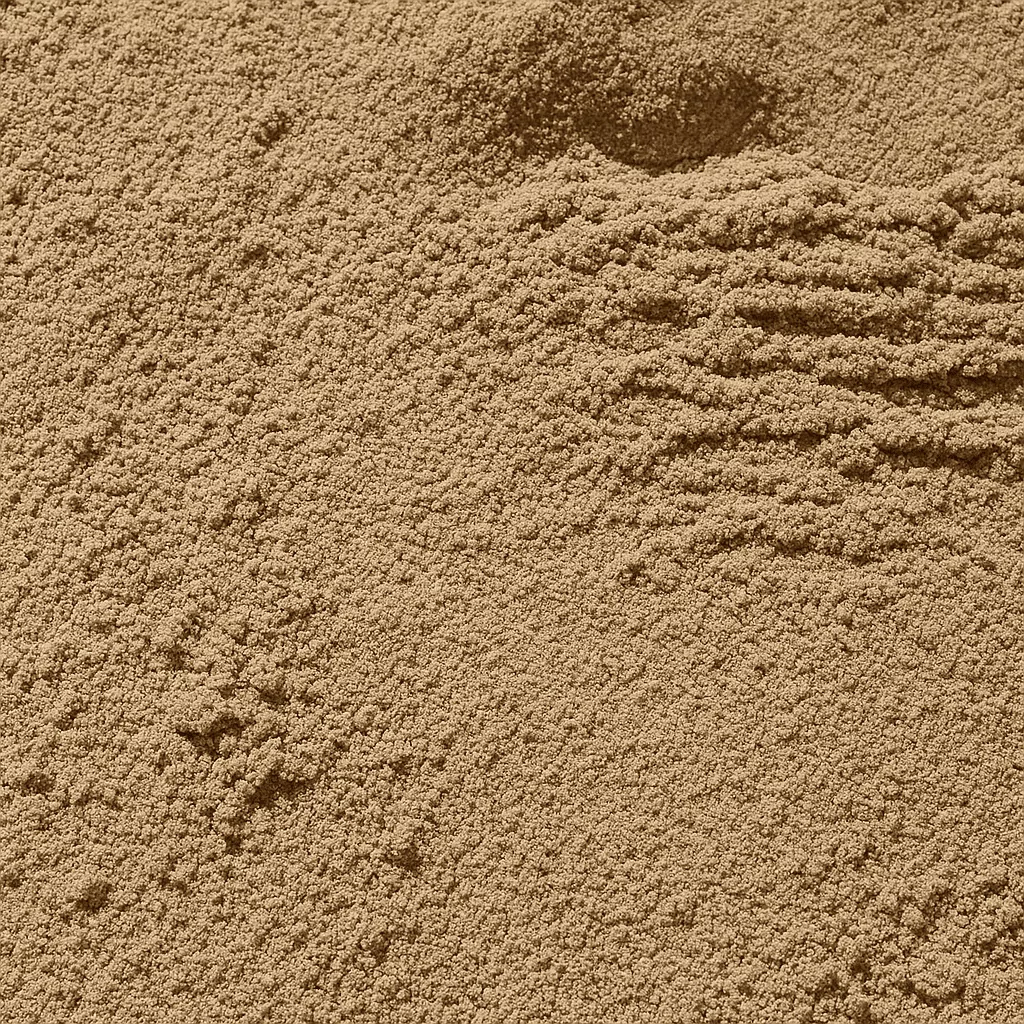
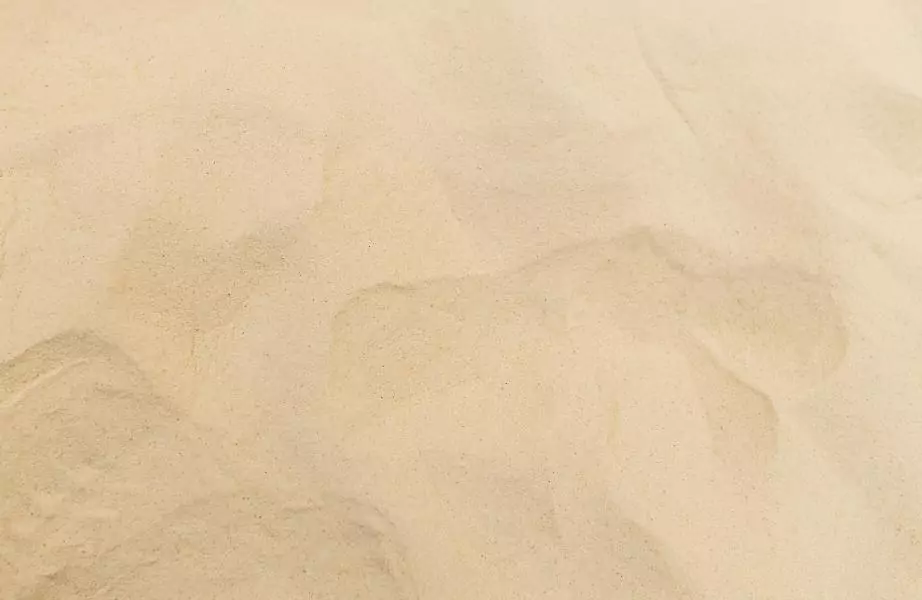

Sand in Walnut Ridge
Sand is ordered by the ton because a cubic yard of dry sand can weigh more than 2,700 pounds. A small paver patio might need 3 or 4 tons for the base and leveling course, while a sandbox for a playset could take less than a ton. Getting the tonnage right means you have enough without leftover piles to move.
Walnut Ridge gets about 52 inches of precipitation a year, so drainage matters for any sand layer that needs to stay firm. The sand you order and the base beneath it determine how well water moves through rather than sitting on top.
Sand Types Available for Walnut Ridge Jobs
Each sand product has a specific grain size and shape that makes it work for certain tasks. The table below lists the options and what each does best.
| Product | Best used for | Note |
|---|---|---|
| Mason Sand | mortar, paver joints, fine leveling | Screened fine; holds a smooth finish in mortar and joint sand. |
| Washed Sand | concrete work and clean fill | Washed to remove dust, so it bonds well in concrete mixes. |
| Playground Sand | play areas and sandboxes | Clean and free of sharp edges, safe for kids and pets. |
Common Sand Jobs in Walnut Ridge
Sand is used as a leveling layer, a bedding material, or a loose surface. The table below matches the project to the right product and depth.
| Project | What to order | Depth or note |
|---|---|---|
| Paver leveling course | Mason Sand | 1 to 2 inches after tamping |
| Pipe bedding | Washed Sand | 4 to 6 inches under the pipe |
| Sandbox or play area | Playground Sand | 6 to 12 inches for digging |
| Pool base | Mason Sand | 2 to 3 inches, screeded level |
| Mortar and masonry | Mason Sand | Blend with cement and water |
How Walnut Ridge Weather Affects Your Sand Project
Soils mapped in the Walnut Ridge area are commonly poorly drained. That means water does not move through the ground quickly, so any sand layer that sits on top needs a well-drained base to stay stable. The ground around Walnut Ridge is in dual hydrologic group C/D: where it is drained it takes water in slowly and sheds a fair amount across the surface; where it is not, it takes water in very slowly, so most rain runs across the surface. How much base stone you need depends on the drainage at your site rather than a single rule.
About 71 days a year bring at least a tenth of an inch of rain. Scheduling the delivery onto firm ground avoids the truck sinking or the sand spreading unevenly. Winters here are cold enough to move an unsettled base, so compaction is worth the extra pass. About 66 days a year drop below 32F, and the ground freezing here is real but moderate. That freeze-thaw cycle can heave a loose sand layer, so compacting well before winter limits that movement.
Snowfall averages about 4 inches a year. Plowing that snow can gouge a loose sand surface if it has not been compacted or covered. For a driveway or walkway, consider a base layer of crushed stone topped with sand to prevent the plow from digging into the sand itself.
Estimating How Much Sand You Need
Tonnes are the unit for buying sand because volume can shift during transport. To figure out the right amount, measure the length and width of the area, decide the depth, then use a sand calculator to convert cubic feet to tons. The calculator accounts for the density of different sand types so you get a number that matches what the truck will deliver.
Ordering Sand from Gravel Monkey
Ordering online by the ton is straightforward. You choose your sand product, enter the quantity, and your ZIP code for delivery pricing. A dump truck brings the load to your address in Walnut Ridge and drops it where you mark. Load sizes range from 1 to over 40 tons. For orders that qualify, delivery may be free, and a first order using code FIRSTTIMER50 gets you $50 off.
Delivery dates are chosen at checkout and must be at least 3 business days after the order. You pick a window: morning (7 am to 12 pm) or afternoon (12 pm to 5 pm). A valid phone number is required to confirm delivery. You get an email confirmation first, then a second email closer to the date with the scheduled window and a photo of the material being loaded. You must approve that second email before the truck rolls. Someone needs to be available during the window; absence can lead to a redelivery fee. The site needs a road width of at least 12 feet for the truck. For more details, see delivery information, about Gravel Monkey, and customer reviews.
Other Materials That Pair with Sand
Sand alone can wash out or shift under heavy use. Pairing it with other materials solves those issues. The list below shows what works together.
- Mulch, A layer of mulch over sand in a play area keeps dust down and stops weeds.
- Walkway Gravel, Gravel on top of a sand base gives a firm surface that drains.
- Crushed Concrete, A crushed concrete base under sand adds stability and reduces washout.
- Crushed Stone, Stone base improves load bearing for driveways and patios.
- Topsoil, Topsoil over sand in a garden bed helps retain moisture while sand provides drainage.
- Gravel & Rock, Rock mulch on sand reduces erosion in sloped areas.
Frequently Asked Questions about Buying Sand in Walnut Ridge
Is Walnut Ridge a wet enough area to worry about washout?
Yes. Walnut Ridge gets about 52 inches of precipitation a year, which is above the national average. That much rainfall means sand layers without good drainage underneath can wash out over time. A proper base of crushed stone or a slight slope away from structures reduces that risk.
Does the length of the freeze season in Walnut Ridge change what I should order?
Yes. About 66 days a year drop below 32F, so freeze-thaw cycles are common. That can unsettle a loose sand base unless it is well compacted. Ordering a slightly deeper layer and compacting it thoroughly gives the ground less room to heave.
Does the stone size change how well it compacts?
For sand, grain size matters more than stone size. Finer sands like Mason Sand compact to a denser surface than coarser washed sand. For a base that needs to hold weight, a finer sand compacts tighter and moves less when wet or frozen.
How does delivery scheduling work after I order?
You choose a delivery date that is at least 3 business days out, then pick a morning or afternoon window. You get an email confirmation and a second email with the exact window and a loading photo. You must approve that second email before the truck leaves. Someone needs to be at the site during the window.
Get Your Sand Delivered to Walnut Ridge
Ordering from Gravel Monkey means the sand comes to your address, not the other way around. Use the Walnut Ridge hub page to start your order or ask questions about your project. Visit the Walnut Ridge page for more information.
We also deliver sand to nearby communities.
Ready to order sand in Walnut Ridge?
See the delivered price for your address and order sand by the ton online. Loads run from 1 to over 40 tons, with free delivery on qualifying orders.
Get a free sand quote
Fill out the form and our sales team will get back to you within the hour.