
Buy Sand in Harrison, Arkansas
Sand ordered online by the ton. A dump truck delivers to your Harrison address and unloads right where you point.
- Free Delivery Promotion
- Servicing Homeowners and Contractors
- Use FIRSTTIMER50 for $50 Off First Order
Sand we deliver in Harrison
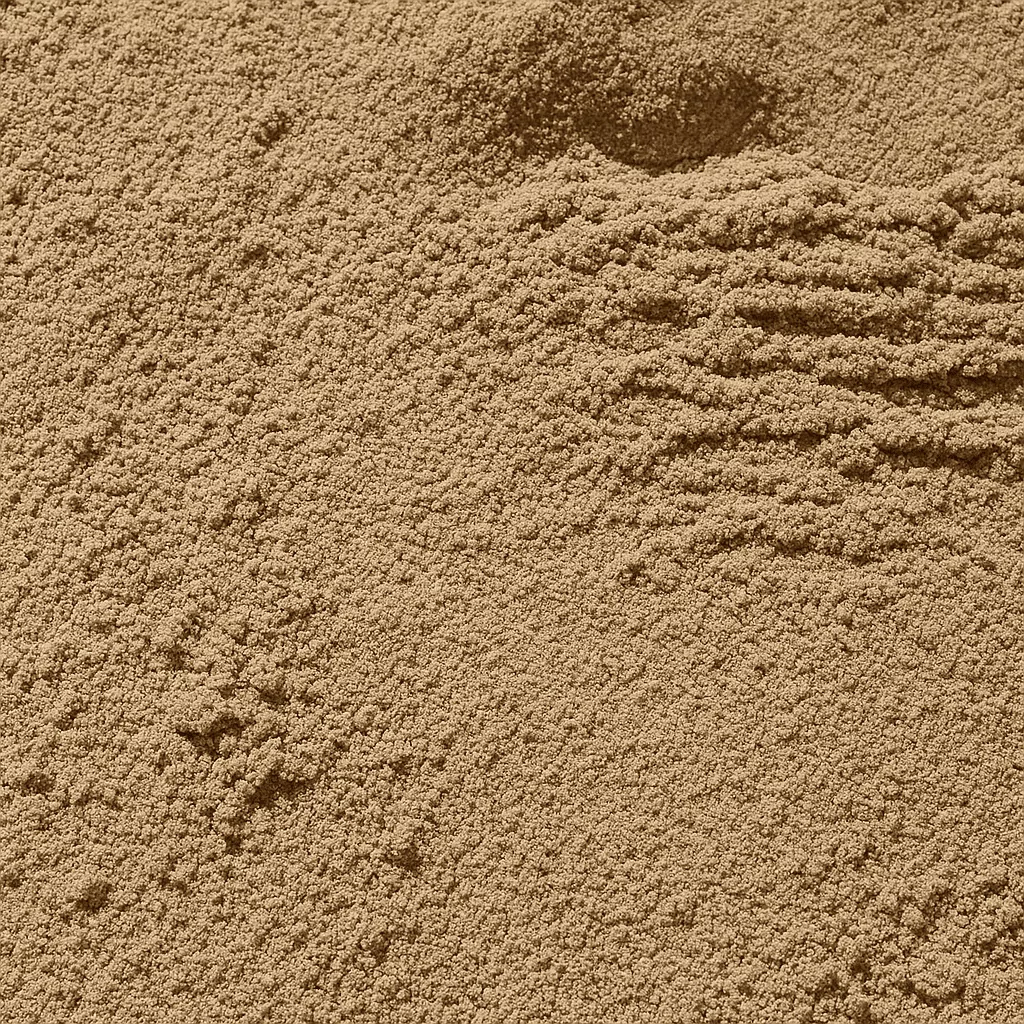
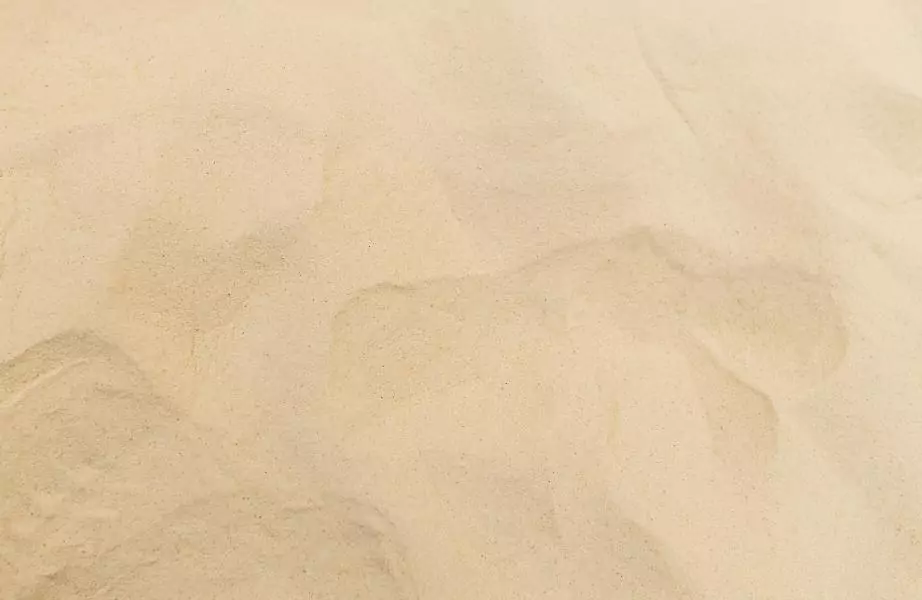

Sand in Harrison
Sand is a forgiving material, but only when you pick the right grade for the job. Soil around Harrison drains slowly and sheds water across the surface, so a deeper drainage layer earns its place under any flatwork or structure.
Whether you are bedding pipe, leveling a patio base, or filling a play area, the right sand keeps the project stable and the work straightforward.
Sand Products for Harrison Projects
Not every sand works for every task. Mason Sand is too fine for concrete mixing because it lacks the coarse particles needed for strength. Washed Sand has low fines and will not hold a compacted shape on its own. Playground Sand is cleaned for safety and should not be used as a structural fill.
| Product | Best For | Note |
|---|---|---|
| Mason Sand | Mortar, paver joints, fine leveling | Is clean and workable but will wash out under heavy rain without a proper base. |
| Washed Sand | Concrete work and clean fill | Contains no organic material but will not lock together for load-bearing surfaces. |
| Playground Sand | Play areas and sandboxes | Is screened and safe for children, but do not use it for construction or drainage beds. |
Choosing the Right Sand for Your Project
The project surface and load determine which sand to order. A 2- to 3-inch leveling course under pavers needs a different material than a sandbox or a pool base.
| Project | What to Order | Depth or Note |
|---|---|---|
| Mortar and masonry | Mason Sand | Mix with cement in a 3-to-1 ratio; keep the sand dry before use. |
| Paver leveling course | Mason Sand | Screed to 1 inch compacted; do not use washed sand because it will not lock. |
| Pool base | Mason Sand | Spread 2 inches and tamp flat; finer sand protects the liner. |
| Sandbox or play area | Playground Sand | Fill to at least 6 inches deep for safe digging and impact absorption. |
| Pipe bedding | Washed Sand | Place 4 to 6 inches below the pipe; clean sand prevents future settlement. |
How Local Weather and Soil Affect Your Sand Job
Harrison gets about 46 inches of precipitation a year. That rainfall means any sand layer that sits on top of the ground needs a drainage path or it will wash out from underneath. Planning a French drain or a gravel base below the sand prevents settling.
About 70 days a year bring at least a tenth of an inch of rain. Scheduling the delivery onto firm ground is important because wet soil compacts unevenly and can rut under the truck. Wait for a dry stretch before the material goes down. Around 85 days a year drop below 32 degrees F, which shrinks the work window and makes the ground heave and settle as it freezes and thaws.
Freeze and thaw cycles work on loose material all winter, which is the argument for the deeper first lift. A 6-inch base of compacted sand under a patio will ride out the movement better than a shallow skim coat. The ground around Harrison is in hydrologic group C, meaning it takes water in slowly and sheds a fair amount across the surface. That surface runoff can erode unsandbagged edges, so plan for a border to hold the sand in place.
Estimating Your Sand Order
Sand is sold by the ton, and the amount you need depends on the area and the depth you plan to spread. Measure the length and width of the project space in feet, decide on the depth in inches, and plug those numbers into our sand calculator to get a tonnage estimate that you can verify against the delivery total at checkout.
Ordering Sand Delivery from Gravel Monkey
When you order from Gravel Monkey, you choose the product online, enter your ZIP code, and see the delivered price at checkout. You select a delivery window morning or afternoon. You need to be present or have someone at the site during the window. The dump truck delivers 1 to 40-plus tons right to your address. Qualifying orders can have free delivery, and first-time customers can use code FIRSTTIMER50 for $50 off. You get an email confirmation, then a second email with the scheduled window and a photo of the load. That email must be approved before the truck rolls. Delivery is set at least 3 business days after the order date. For more details, see our About Gravel Monkey page, read customer reviews, and check the delivery information page.
Other Materials for Your Harrison Project
Sand rarely works alone. Pair it with a base or a cap material to get a complete job.
- Crushed Gravel, a stable base layer under sand that prevents washout in heavy rain.
- Crushed Concrete, a recycled drainage layer that compacts like gravel but costs less per ton.
- Driveway Gravel, top it over sand for a wearing surface that does not rut in the wet.
- Crushed Stone, bed sand against this angular material to lock in place and stop lateral shifting.
- Topsoil, cap a sand base with topsoil for a lawn bed that drains instead of pooling.
- Gravel & Rock, surround sand pockets with larger rock to slow erosion from surface runoff.
Frequently Asked Questions about Sand in Harrison
How much does sand delivery cost in Harrison?
The delivered price depends on your ZIP code and the tonnage you order, so there is no flat rate. Harrison gets about 46 inches of rain a year, so many buyers order sand for drainage and need to account for the base depth. You will see the total at checkout before you confirm the order.
How many tons of sand do I need for my project?
Tonnage depends on the area and depth. As a starting point, one ton of sand covers about 100 square feet at a 2-inch depth, but that varies with moisture content. Because Harrison has about 70 wet days per year, scheduling delivery onto firm ground matters; use our sand calculator to get a reliable number for your dimensions.
How do I stop it spreading past the edges?
Install a physical edge restraint such as metal edging, pressure-treated lumber, or concrete curbing. The border should be set at least 2 inches into the ground so it does not push out when the sand is compacted. For larger areas, a gravel trench around the perimeter also works.
What is the difference between the sizes of sand you stock?
Mason Sand is very fine, passing through a 1/8-inch screen, which makes it smooth for joints and leveling. Washed Sand has medium particles up to 1/4 inch and is clean of silt. Playground Sand is also fine but is washed and dried to remove dust and sharp edges for safety.
Ready to Order Sand for Your Harrison Project?
If you know the area and depth, use the sand calculator to find the tonnage. Then place your order online, choose your delivery window, and we will send the truck to your address. For more about delivery options, visit the Harrison hub page.
Gravel Monkey delivers sand to these nearby towns as well.
Ready to order sand in Harrison?
See the delivered price for your address and order sand by the ton online. Loads run from 1 to over 40 tons, with free delivery on qualifying orders.
Get a free sand quote
Fill out the form and our sales team will get back to you within the hour.