Buying Gravel in Wichita and Central Kansas: A Local Buyer Guide
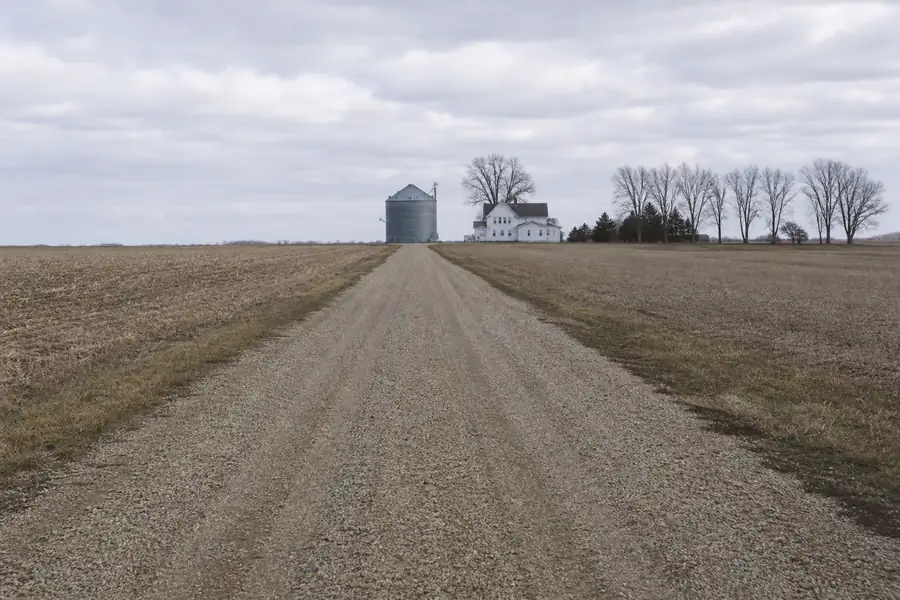
Wichita sits in the middle of Kansas’s open, flat prairie, and that changes how gravel behaves compared to a hilly state. Gravel Monkey delivers gravel across Wichita, KS and out into the surrounding farmland, and three things separate this market from most others: almost no natural slope, steady prairie wind, and clay-heavy subgrades in parts of the region. Buying gravel Wichita KS residents can count on for the long haul means planning around all three before you order a single ton, especially on a long rural driveway or farm access road rather than a short city lot.
Key Takeaways
- Flat terrain sheds water through crown, not slope, so shape matters more than ditching.
- Kansas wind pulls fines out of loose or poorly compacted gravel, leading to ruts and washboarding.
- Expansive clay subgrades in parts of central Kansas need a thicker compacted base to resist heaving.
- Acreage and farm access roads can require several times the tonnage of a standard driveway.
- Delivery from Wichita reaches Derby, Andover, Newton, and Hutchinson without a big cost jump.
- Gravel Wichita KS orders typically run $30 to $65 per ton delivered, depending on material and distance.
Buying Gravel in Wichita, KS: Why Flat Terrain Changes Your Drainage Plan
On flat ground like most of Wichita and the surrounding county, a gravel driveway sheds water through crown, not slope, because there is rarely enough natural grade to send runoff toward a ditch.
Sheet flow is when water spreads evenly across a surface instead of channeling into one defined path, and it is the normal drainage pattern across most of central Kansas. A crown works with that pattern instead of fighting it: crews compact the crushed stone 2 to 4 percent higher in the center than at the edges, so water splits and runs off both sides evenly rather than pooling in the middle.
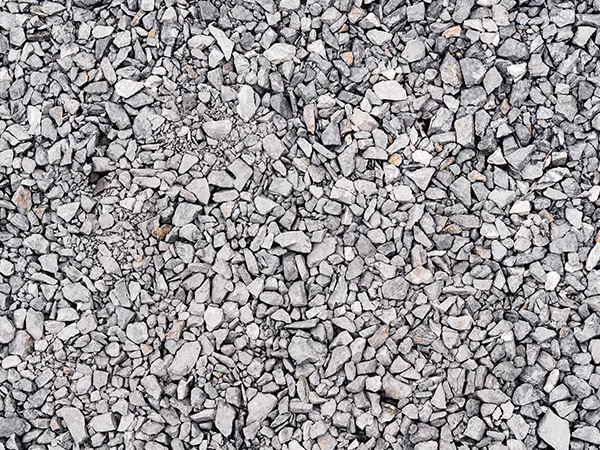
Digging a ditch beside a flat driveway without building that crown into the surface itself does very little, because the ground does not fall away to carry water into it. The crown has to do the work. Many crews build that base with crusher run, since its mix of stone and fines compacts hard enough to hold the shape.
Wind Erosion and Fines: Picking Gravel That Holds Up Under Kansas Wind
Kansas’s steady prairie wind strips loose fines off a gravel surface before they ever get the chance to lock the larger stone into place. Fines are the small particles under about a quarter inch that fill the gaps between bigger stones and bind a compacted layer together.
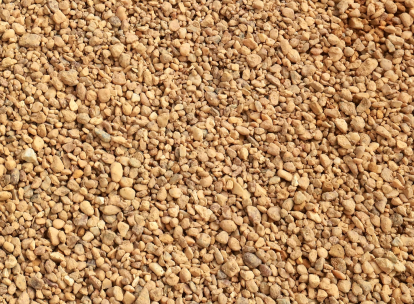
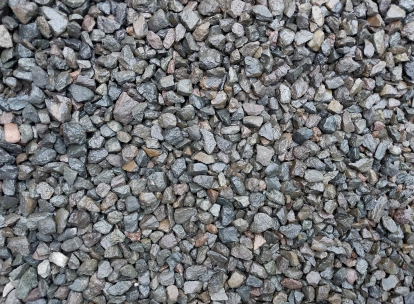
Rounded, washed gravel like pea gravel has almost no fines and depends on weight alone to stay put, which works fine in a sheltered garden bed but struggles on an open driveway apron where the wind has a clear run at it. Angular crushed stone with the right fines content compacts into a dense mat that wind cannot easily lift.
This pattern shows up across Kansas, not just around Wichita, on any driveway that sits exposed on open ground with nothing to break the wind.
Expansive Clay Soils in Central Kansas: Why Base Depth Matters
Parts of central Kansas sit on clay-heavy subgrades that swell when wet and shrink when dry, and that movement can heave a thin gravel layer out of level within a season or two. Expansive clay is a soil type that changes volume noticeably with moisture, pushing up in wet weather and pulling back down as it dries.
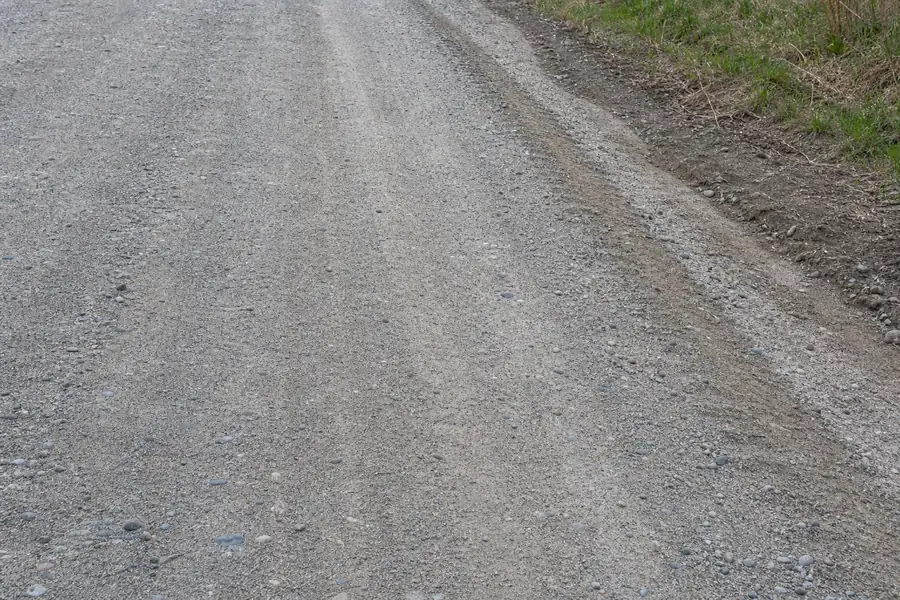
A driveway built with just 2 inches of gravel dropped straight onto clay telegraphs every one of those movements to the surface, showing up as ruts, dips, and a soft, spongy feel underfoot.
A compacted base 4 to 6 inches deep, sometimes separated from the clay with geotextile fabric, spreads the load and keeps the surface stable even as the ground beneath it shifts.
Ordering Gravel in Wichita, KS for Acreage Properties and Farm Access Roads
A quarter-mile farm access road at 12 feet wide and 4 inches deep takes roughly 90 to 100 tons of gravel, several times what a typical city driveway needs, because length adds up fast even before the surface gets any wider.
Property owners moving from a town lot to acreage outside Wichita often underestimate tonnage because they are used to pricing a driveway in a few dozen feet, not a quarter mile. Run the numbers for your own dimensions with the driveway gravel calculator before placing an order, since getting the tonnage wrong on a long rural road usually means a second delivery and a second delivery fee.
Farm access roads that see truck and equipment traffic hold up better with a road base layer under a crushed stone surface course, since the coarser base resists rutting under heavier axle loads than a single layer of small stone.
Gravel Delivery from Wichita, KS to Derby, Andover, Newton, and Hutchinson
Gravel delivered from Wichita, KS typically runs $30 to $65 per ton, with the exact price shaped by material type, order size, and how far the truck has to travel.
Wichita’s central spot in the state keeps most of the surrounding towns within an easy delivery radius. Derby and Andover sit close enough that hauling cost barely moves the price. Newton and Hutchinson run a bit farther out, so expect a modest delivery charge added on top of the per-ton rate for those trips.
For a full breakdown of what shapes that number, see this guide on the cost of a load of gravel. Ordering a full truckload instead of splitting a project into smaller deliveries almost always brings the per-ton price down, since the supplier is not running a half-empty truck out to a rural address.
Common Mistakes When Buying Gravel in Wichita, KS
Most gravel problems in this part of Kansas trace back to one of a handful of habits, and all of them are avoidable before the first truck ever shows up.
- Skipping the crown and relying on a ditch that has nowhere to drain on flat ground.
- Using rounded, washed gravel on an exposed driveway where wind strips it away within a season.
- Dropping gravel straight onto untreated clay instead of building a compacted base.
- Ordering by guesswork on a long rural driveway and running short mid-project.
FAQs
How much does gravel cost in Wichita, KS?
Delivered gravel in the Wichita area typically runs $30 to $65 per ton, depending on the material and how far the load has to travel. Crushed stone and road base tend to sit at the lower end of that range, while decorative or specialty materials cost more.
What is the best gravel for a long farm driveway in Kansas?
Angular crushed stone or crusher run over a compacted road base holds up best on long farm access roads, since the angular shape locks together under truck and equipment traffic. Rounded gravel is a poor fit here, since it shifts and migrates under repeated heavy loads.
Do flat Kansas driveways need a crown or a ditch?
They need a crown built into the gravel surface itself, because flat ground rarely has enough natural slope for a ditch to do much work. The crown sheds water evenly to both sides regardless of how flat the surrounding land is.
How far does gravel delivery reach from Wichita?
Wichita’s central location makes delivery to Derby, Andover, Newton, and Hutchinson practical without a major cost jump. Towns further out can still be served, but expect a larger delivery charge on top of the per-ton price as distance increases.
Does wind actually affect a gravel driveway in Kansas?
Yes, steady prairie wind strips loose fines and lightweight stone off a poorly compacted surface over time. Choosing angular gravel with the right fines content and compacting it properly keeps this from becoming an ongoing maintenance headache.