How to Build a Gravel Dog Run: Materials That Are Safe for Paws
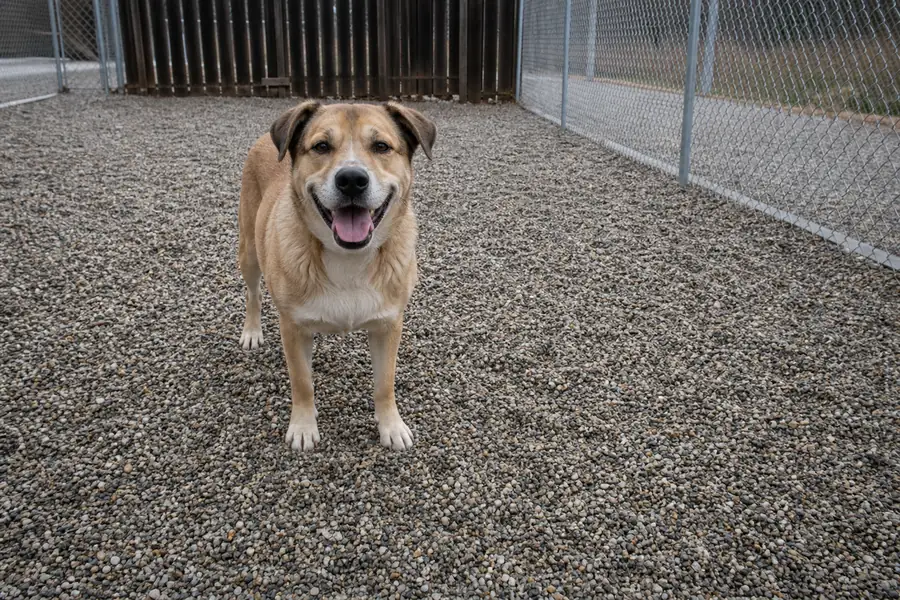
Quick answer: The safest material for a gravel dog run is rounded 3/8 inch pea gravel laid 3 to 4 inches deep over a compacted base, graded to drain, and kept out of direct summer sun where dark stone can get hot enough to burn paw pads.
A dog run keeps mud out of the house and gives your dog a spot to run, dig, and do their business without tearing up the lawn. But the wrong material turns a good idea into a vet visit. Sharp crushed stone slices paw pads, and fine dust works into eyes and between toes. Getting the material, depth, and drainage right is what separates a gravel dog run your dog actually uses from one they avoid.
Key Takeaways
- Rounded 3/8 inch pea gravel is the standard safe choice; angular crushed stone cuts paws.
- Build over a compacted base with a drainage layer underneath, not directly on soil.
- Slope the run slightly so urine and rain flush through rather than pool.
- A depth of 3 to 4 inches resists digging and keeps gravel from scattering into the yard.
- Dark or fine gravel gets hot in direct sun; light colored pea gravel plus shade keeps paws safe.
- Plan to top up or replace pea gravel every 2 to 4 years depending on how hard the run gets used.
Why Pea Gravel Is the Best Material for a Gravel Dog Run
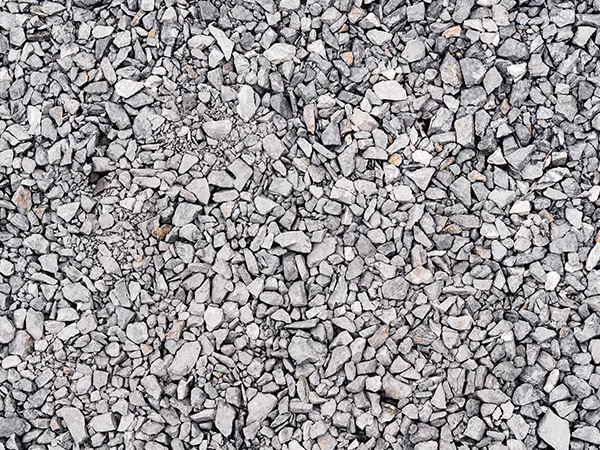
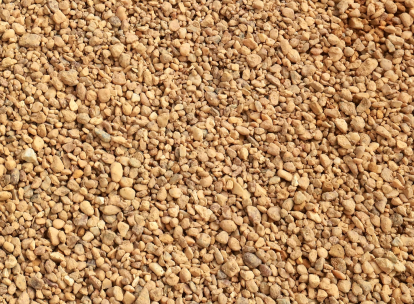
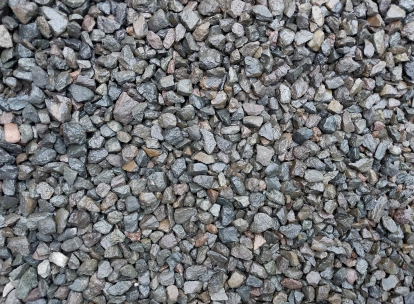
Rounded 3/8 inch pea gravel is the safest surface for a gravel dog run because its smooth, worn edges do not cut paw pads the way angular crushed stone does. Crushed stone like 57 stone or crusher run is made by fracturing rock, so every piece keeps sharp corners that dig into skin with repeated impact, especially on a dog sprinting or turning at speed.
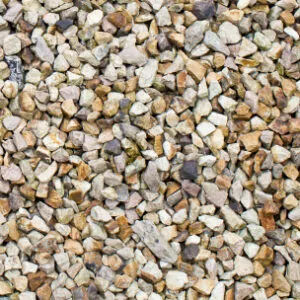
Fine material causes a different problem. Decomposed granite, sand, or screenings small enough to pass as dust get kicked into eyes, work into ears, and mat between toes and paw fur. Pea gravel avoids both failure modes. It is small enough to walk on comfortably and large enough that it stays put on the surface instead of packing into a coat. The tradeoffs between stone types are laid out in more detail in our pea gravel vs 57 crushed stone vs river rock comparison, and it is worth a read before you order material for any run your dog will use daily.
Building the Base: Drainage and Depth for a Gravel Dog Run
Base Layer and Depth
A gravel dog run needs a compacted base underneath the pea gravel, or the stone eventually sinks into the soil at gates and high traffic corners. A few inches of compacted drain rock or road base topped with 3 to 4 inches of pea gravel gives the surface enough structure to resist digging without feeling hard underfoot.
Skip the base and the run turns into a shallow mud pit within a season. That extra step at the start saves regrading and re-ordering stone every spring.
Slope for Drainage
A gravel dog run needs a slight grade, roughly 1 to 2 percent, so urine and rainwater flush through the gravel instead of pooling in low spots. Standing water breeds bacteria, holds odor, and stains pea gravel dark and slimy where it collects.
Grade the compacted base away from the house before the top layer of pea gravel goes down. In heavy rain regions this matters more than in dry climates, since a flat run in a wet area can stay saturated for days.

How Much Gravel Do You Need for a Dog Run?
A gravel dog run typically needs 1.5 to 6.5 tons of pea gravel at the standard 3 inch depth, depending on the size of the run. Use the pea gravel calculator to get an exact figure once you have measured the space.
| Run Size | Square Footage | Pea Gravel Needed (3 in deep) |
|---|---|---|
| 10 x 10 ft | 100 sq ft | 1.5 tons |
| 10 x 20 ft | 200 sq ft | 3 tons |
| 20 x 20 ft | 400 sq ft | 6 tons |
| 15 x 30 ft | 450 sq ft | 6.5 tons |
These figures cover the top layer only. Add the base layer separately, since a compacted sub base usually runs 2 to 3 inches at a lower material cost per ton than pea gravel.
Gravel Dog Run vs Turf, Mulch, and River Rock
Pea gravel beats mulch and artificial turf on hygiene because water and waste drain straight through the gaps between stones instead of sitting on top. A hose rinses a gravel dog run clean in minutes, while mulch absorbs urine and holds the smell, and turf traps waste against a backing that needs regular deodorizing to stay usable.
| Material | Typical Cost | Hygiene | Paw Safety |
|---|---|---|---|
| Pea Gravel | $40 to $60/ton | Rinses through, low odor | Excellent, rounded and smooth |
| River rock | $50 to $90/ton | Good drainage, larger stone slower to hose clean | Good, rounded but pricier per ton |
| Artificial turf | $8 to $15/sq ft installed | Needs enzyme cleaner, backing traps bacteria | Good but hot in direct sun |
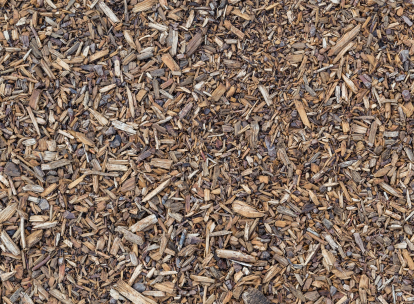
| Mulch | $30 to $45/ton | Absorbs urine, breaks down over time | Moderate, splinters and ingestion risk |
River rock offers similar paw safety to pea gravel since it is also rounded, but the larger stone size costs more and does not lock together as tightly, so digging dogs relocate it more easily. Mulch is the cheapest option up front but needs replacing more often once odor sets in.

Keeping a Gravel Dog Run Safe in Hot Weather and Easy to Clean
Dark colored stone in direct summer sun can reach surface temperatures hot enough to burn a dog’s paw pads within minutes. Light colored pea gravel stays noticeably cooler than dark river rock or asphalt millings because it reflects more sunlight instead of absorbing it.
Even light gravel needs a break from full sun. In a hot, high desert climate like Las Cruces, New Mexico, a gravel dog run in direct midday sun still needs a shade sail, a tree, or a covered rest area so the dog has somewhere to stand off the hot stone.
For odor, plain rinsing handles most day to day waste, but a monthly pass with a pet safe enzyme cleaner breaks down urine residue that hosing alone misses. Expect to add fresh pea gravel every 2 to 4 years as fines settle and work into the base, and restore the full 3 to 4 inch depth when you do.
FAQs
Is pea gravel safe for dogs’ paws?
Yes. Pea gravel is naturally rounded by water and weather, so it has no sharp edges to cut paw pads the way crushed stone can. It is also large enough that it does not pack into fur or paws the way fine dust or sand does.
How deep should gravel be for a dog run?
Most gravel dog runs need 3 to 4 inches of pea gravel over a compacted base. That depth resists digging and keeps the surface from wearing thin in high traffic spots like gates and fence lines.
Does a gravel dog run smell like urine?
Not if it drains properly. A gravel dog run built with a slight slope lets urine flush through the stone instead of pooling, and a monthly enzyme cleaner rinse handles residue that plain water misses. Flat, poorly drained runs are far more likely to hold odor.
How often do I need to replace gravel in a dog run?
Plan on topping up or replacing the pea gravel every 2 to 4 years, depending on how many dogs use the run and how much digging happens. Fines and waste work into the base over time, so the top layer gradually thins.
Can I use crushed stone instead of pea gravel for a dog run?
It is not recommended. Crushed stone like 57 stone or crusher run keeps sharp, angular edges from the crushing process, which can cut paw pads on a dog running or playing hard. Rounded pea gravel is the safer choice for any surface dogs walk or run on regularly.