Gravel and Landscape Rock in Denver: Snowmelt, Slope and Altitude
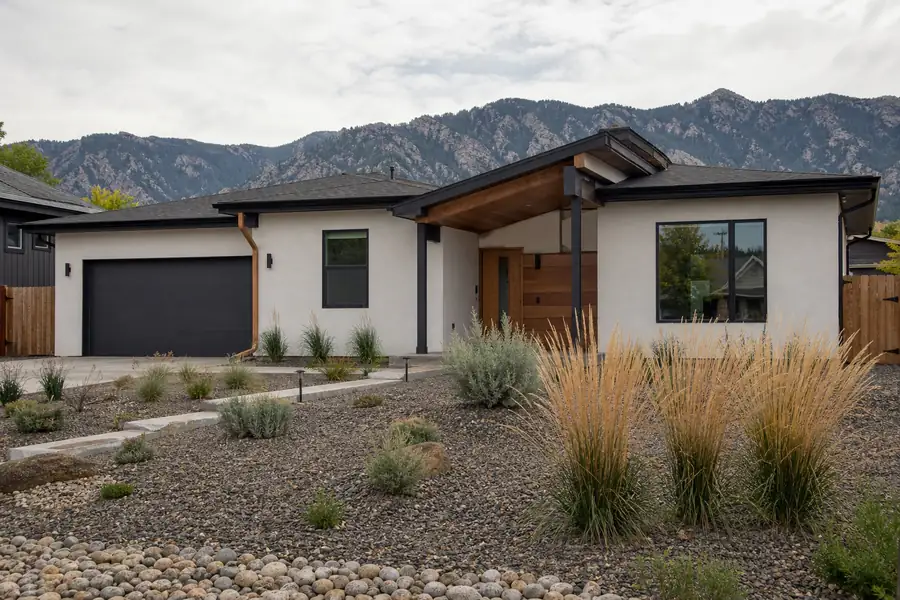
Denver’s gravel problem isn’t really about gravel. It’s about slope, snowmelt and an elevation that punishes anything not built to move water fast. A driveway or bed that holds up fine in a flat, humid climate can wash out here in a single spring thaw. Picking the right gravel for a Denver property starts with understanding what the mountains, the melt and the altitude actually do to a rock bed, and Gravel Monkey’s Denver location sees these three problems on nearly every job.
Key Takeaways
- Angular, washed gravel locks together and resists snowmelt runoff; rounded pea gravel rolls downhill and migrates into the street.
- Any slope over roughly 8 percent grade needs angular base rock, not rounded stone, to stay put.
- Denver’s semi-arid climate and local utility rebate programs make gravel and xeriscape beds a practical swap for thirsty turf.
- At 5,280 feet, more frequent freeze-thaw cycles heave loose or thin gravel layers over a single winter.
- A compacted angular base, geotextile fabric, and solid edging stop the annual spring gravel washout onto the curb.
Snowmelt and the Gravel Denver Driveways Need to Handle It
Fast, heavy snowmelt off a steep Front Range roof or hillside moves more water in a single afternoon than a flat-climate driveway sees in a month, and it takes the wrong gravel with it. Rounded stone floats and shifts under moving water; angular crushed stone locks into the layer beneath it and lets water pass through instead of carrying the surface away.
Grade varies a lot across the metro. Flatter suburbs like Aurora and Commerce City deal mostly with standing meltwater and mud, while foothill communities such as Golden and Evergreen see fast-moving runoff down real pitch. Either way, the base layer matters more than the gravel on top: skimping on a compacted sub-base is the fastest route to a rutted, muddy driveway by March.
Slope Grade: Why Angular Gravel Beats Pea Gravel in Denver
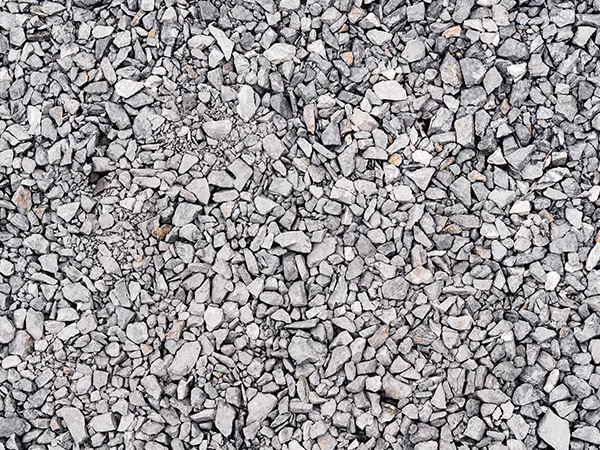
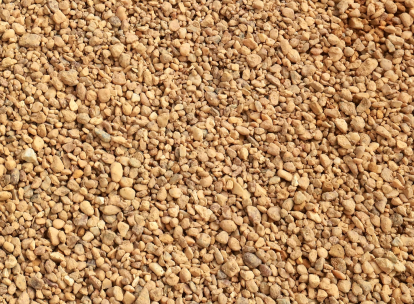
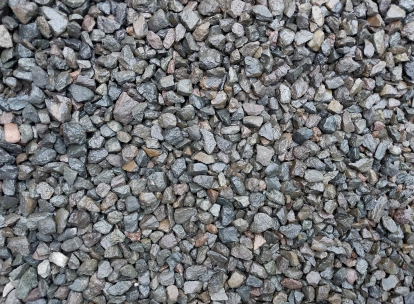
On any slope steeper than about 8 percent grade, angular gravel stays where you put it, while rounded pea gravel migrates downhill with every rain or melt cycle. Pea gravel’s rounded shape rolls like marbles under a tire or a boot. Angular stone, crushed rather than naturally worn, has sharp faces that interlock and resist that rolling motion.
That’s why pea gravel works well on a flat patio or fire pit ring but fails on a sloped driveway within a season or two. For grades beyond that 8 percent mark, our guide to the best gravel for a steep driveway covers stone size and base depth in more detail.
Xeriscaping with Gravel in Denver’s Semi-Arid Climate
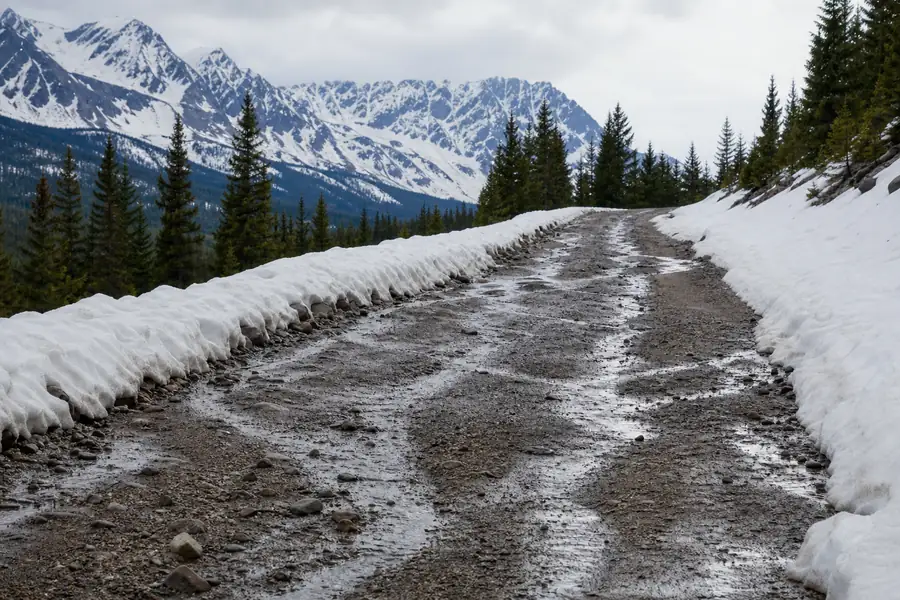
Denver gets roughly 15 inches of precipitation a year, dry enough that xeriscaping with gravel and drought-tolerant plants cuts outdoor water use sharply compared with a bluegrass lawn. Many Front Range utilities, including Denver Water, run turf replacement rebate programs that pay homeowners to swap thirsty grass for gravel beds and native planting, and suburbs like Highlands Ranch and Castle Rock have pushed similar water-wise landscaping as their aquifer supplies tighten.
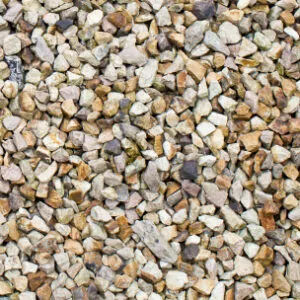
Decomposed granite and larger decorative stone both work well here. Decomposed granite gives a firm, walkable surface for paths, while decorative gravel and river rock define planting beds and dry creek beds that double as runoff channels during snowmelt.
Freeze-Thaw at Altitude and Denver Gravel Base Layers
At 5,280 feet, Denver’s ground cycles through more freeze-thaw swings each winter than most lower-elevation cities see, and every cycle can heave a loose or thin gravel base. Moisture trapped in the sub-base freezes, expands, and pushes stone upward; when it thaws, the surface settles unevenly, leaving dips and soft spots.
A compacted, angular base 4 to 6 inches deep resists this far better than a thin layer of rounded stone dropped straight on dirt. Homeowners across Colorado’s higher-elevation towns deal with the same cycle, which is part of why Gravel Monkey’s Colorado service area leans so heavily on angular base material over decorative rock alone.
Keeping Gravel in Denver Yards From Washing Into the Street
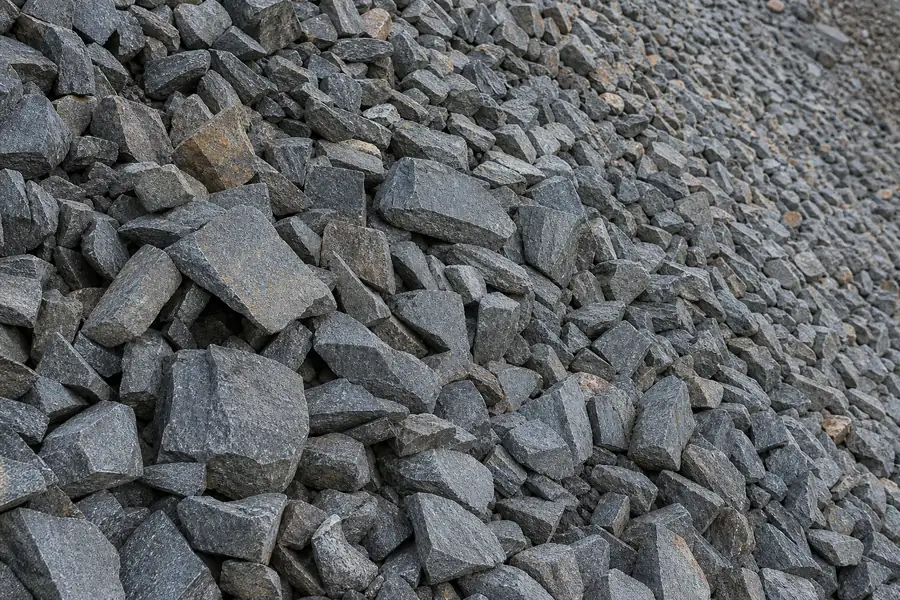
Gravel washing into the street every spring almost always comes down to missing edging, a fines-heavy base, or grading that funnels meltwater toward the curb instead of into the yard. Steel, paver, or cobble edging keeps the top layer contained, while a proper crown and slope send water off the surface rather than through it.
Geotextile fabric between the base and subgrade stops fines from pumping up into the gravel and turning it to mud, which is often what actually washes downhill. Larger stone in dedicated drainage channels or dry creek beds handles concentrated flow far better than the driveway gravel around it, since bigger stone resists the water pressure that carries small aggregate away.
FAQs
What gravel is best for a sloped driveway in Denver?
Angular crushed stone in the 3/4 inch to 1.5 inch range, set over a compacted angular base, holds up best on Denver’s sloped lots. Rounded pea gravel is not a good match once the grade climbs past about 8 percent, since it rolls rather than locking in place.
Does Denver offer rebates for xeriscaping with gravel?
Several Front Range utilities, including Denver Water, run turf replacement rebate programs that pay homeowners to remove grass and install gravel or drought-tolerant beds. Program details and payouts change from year to year, so check current terms directly with the local utility before starting a project.
Why does my gravel driveway keep washing into the street?
The most common causes are missing edging, a base layer heavy in fine material, and grading that sends meltwater toward the road instead of into the yard. Adding solid edging, a properly compacted angular base, and geotextile fabric under the gravel usually solves it.
How deep should a gravel base be in Denver’s climate?
Most driveways need a compacted angular base of 4 to 6 inches, with deeper bases on steep grades or areas with heavy freeze-thaw exposure. Skimping on base depth is the single biggest reason gravel surfaces rut and heave by late winter.
Is pea gravel a bad choice for Denver yards?
Not on flat, contained areas like patios or fire pit rings, where its rounded texture is comfortable underfoot. On slopes or open driveways it tends to roll and migrate, so angular crushed stone is the better call for anything with real grade.