Best Gravel for a Shed Base
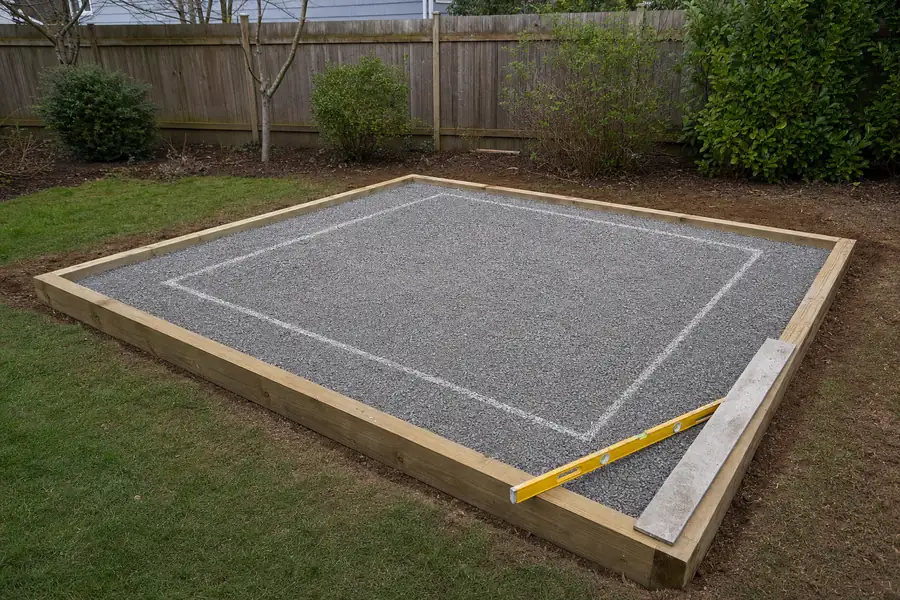
The best gravel for a shed base is 4 to 6 inches of compacted crushed stone, contained inside a timber or steel frame so it can’t spread outward under load. Use clean #57 crushed stone when drainage is the priority, crusher run when you want the pad to lock into a firm, solid surface, and skip round pea gravel altogether: it never stops shifting underfoot.
A shed pad has one real job: keep the floor flat, dry, and off bare dirt for the next twenty years. Get the stone type, depth, and frame right and the rest of the build follows on its own.
- 4 to 6 inches of compacted crushed stone is the standard depth for a shed base, not pea gravel.
- A timber or steel frame around the pad stops the stone from spreading at the edges.
- Clean #57 crushed stone drains fastest; crusher run compacts into the firmest, most solid pad.
- Oversize the pad 12 inches past the shed footprint on every side.
- Landscape fabric between the subgrade and the stone keeps the pad from sinking into the soil.
- A 10×12 shed pad at 5 inches deep needs roughly 4 tons of stone.
The Quick Spec for Gravel for Shed Base
Every solid shed pad follows the same basic spec, no matter what size shed sits on top of it.
| Material | Depth | Pad Oversize | Fabric | Frame |
|---|---|---|---|---|
| #57 Crushed Stone | 4-6 in | +12 in per side | Yes | Yes |
| Crusher Run | 4-6 in | +12 in per side | Yes | Yes |
| Pea Gravel | Never recommended | n/a | n/a | n/a |
#57 vs Crusher Run for Shed Pads
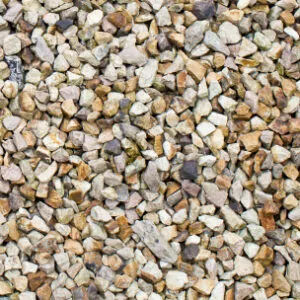
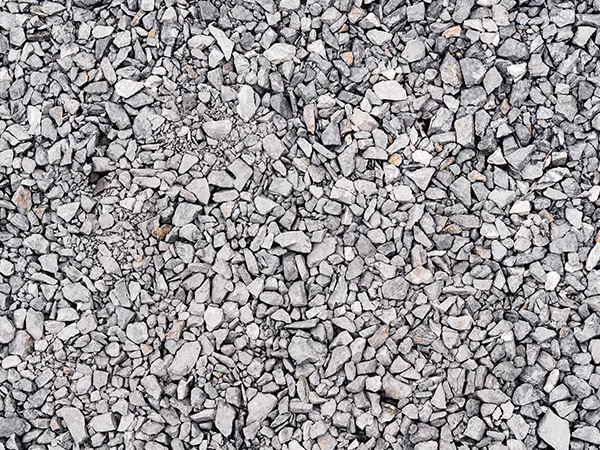
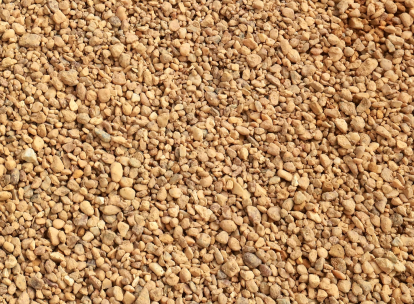
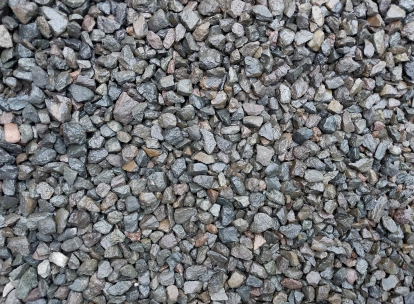
Loose #57 crushed stone stays put inside a frame because it’s washed, angular stone that bites against its neighbors, not because the pieces bond together. Crusher run does something different: it mixes crushed stone with stone dust, and that dust packs under compaction into a surface that feels almost solid underfoot. Round pea gravel has neither trait. It has no edges to grip, so it rolls and migrates no matter how tight the frame is, which is exactly the complaint that keeps showing up from builders who tried it under a shed floor.
| Feature | #57 Crushed Stone | Crusher Run |
|---|---|---|
| Drainage | Excellent | Good |
| Locks together | Good, needs a frame | Very good, compacts solid |
| Dust when dry | Low | Some |
| Best for | Wet or poorly drained sites | Firmest possible pad |
Pad Size and Tonnage by Shed
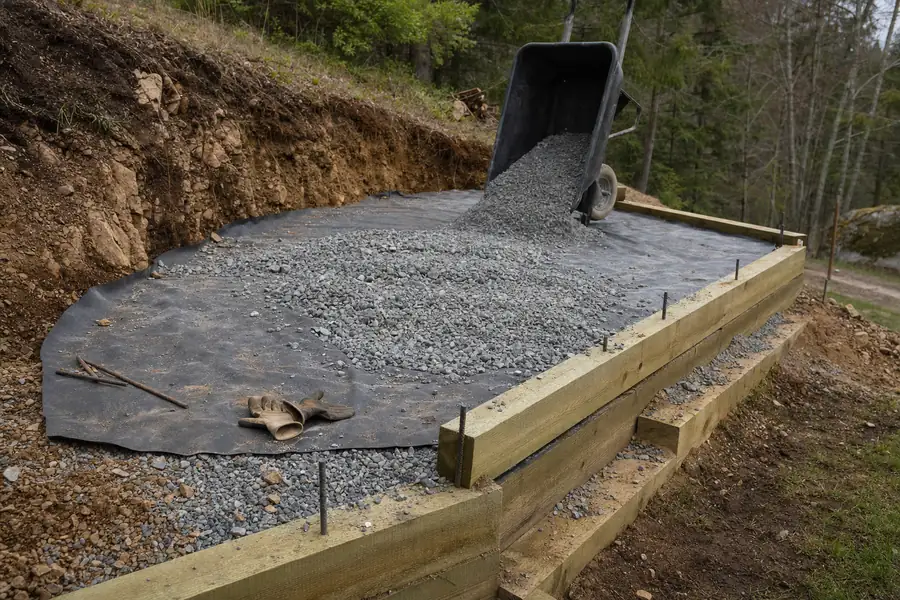
Pad size and tonnage scale directly with shed footprint once you add the 12-inch oversize on every side.
| Shed Size | Pad Size | Stone Needed at 5 In |
|---|---|---|
| 8×10 | 10×12 | ~3.0 tons |
| 10×12 | 12×14 | ~4.2 tons |
| 12×16 | 14×18 | ~6.3 tons |
| 12×24 | 14×26 | ~9.1 tons |
These figures assume compacted crushed stone at 5 inches deep. Run your own dimensions through the gravel calculator to fine-tune the order before you buy.
How to Build a Gravel Shed Base (8 Steps)
Building a gravel shed base without concrete takes a weekend for most sheds under 12×16, and the sequence matters more than the muscle behind it.
- Mark the pad 12 inches oversize on every side of the shed footprint.
- Strip sod and topsoil down to firm, undisturbed subgrade.
- Rough-level the site, or cut into a slope so the pad sits flat.
- Lay landscape fabric across the entire subgrade.
- Build a timber or steel frame around the perimeter to hold the stone.
- Fill with crushed stone in 2-inch lifts.
- Compact each lift with a plate compactor before adding the next.
- Screed the final layer level with a straight board.
Tools that make the job easier: a shovel and rake, a rented plate compactor, a string line and stakes to hold the frame square, and a 4-foot level to check the final grade.
Shed Base on a Slope
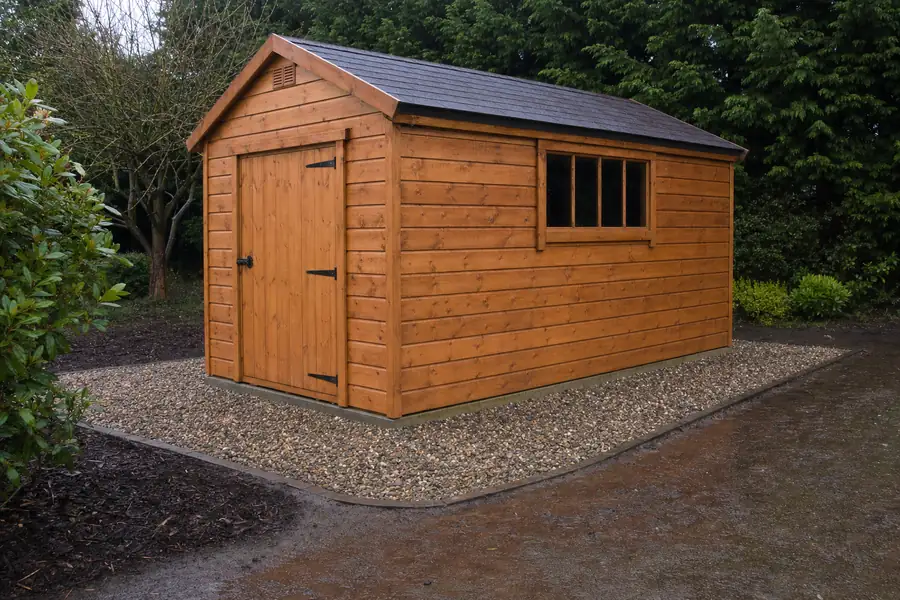
A sloped lot needs either a cut-and-fill pad or a stepped timber frame, and the choice comes down to how much the ground drops across the footprint.
- Cut-and-fill: cut into the high side and use that soil to build up the low side, then compact both before adding stone.
- Stepped frame: build a taller timber wall on the downhill side to hold a level pad without moving as much dirt.
- A drop of more than about 6 inches across the pad usually calls for a stepped frame instead of straight cut-and-fill.
Builders working sloped lots around Kalispell, Montana, lean on stepped frames more often than flat-lot customers do, simply because so few backyard sites there sit level to begin with.
Mistakes That Ruin a Gravel Shed Base
Most shed pad failures trace back to one of a handful of repeatable mistakes.
- Skipping the fabric: stone works its way into bare soil and the pad sinks unevenly within a year or two.
- Building the pad the same size as the shed: without the 12-inch oversize, water sheets straight off the roof and undercuts the edge.
- Using round pea gravel: it never locks in place, frame or no frame.
- Skipping compaction: loose lifts settle unevenly once the shed’s weight sits on them.
- Ignoring downspouts: water dumped at the pad’s edge from a roofline erodes the stone and washes out the frame.
These line up closely with the errors covered in our guide to common gravel installation mistakes, which apply just as much to a shed pad as to a driveway.
Gravel vs Concrete for a Shed Base
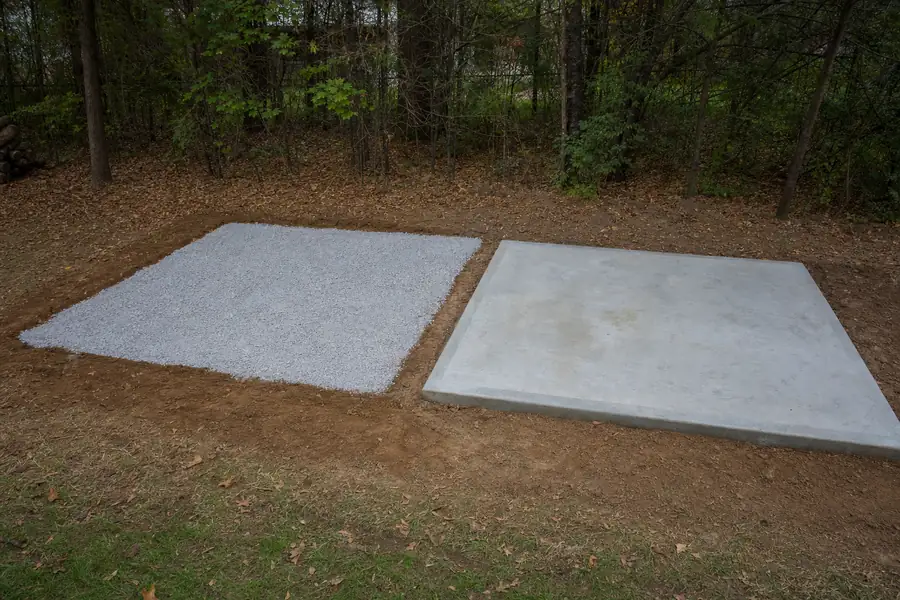
Gravel drains better than concrete and costs a fraction as much, which is why most storage sheds under 200 square feet sit on crushed stone rather than a slab. A gravel pad drains rainwater straight through instead of pooling it against the floor framing, and a weekend builder can install one without hiring a concrete crew. Concrete earns its higher cost when the shed doubles as a workshop or garage and needs to carry a vehicle, heavy machinery, or a permanent anchor point. For a typical garden or storage shed, a well-built gravel pad holds up for decades at far less cost and effort.
FAQs
How thick should gravel be under a shed?
Most sheds need 4 to 6 inches of compacted crushed stone under the floor. Lighter sheds under 100 square feet can get by with 4 inches, while larger sheds or sites with soft soil do better with a full 6 inches.
Do I need landscape fabric under a shed base?
Yes. Fabric separates the crushed stone from the soil below it, which stops the stone from working its way into the dirt and causing the pad to sink unevenly over time.
How much gravel do I need for a 10×12 shed?
A 10×12 shed needs a pad around 12×14 feet once you add the standard 12-inch oversize on each side, which takes roughly 4 tons of crushed stone at a 5-inch depth. Exact tonnage shifts slightly depending on the stone you choose and how deep you build.
Can I put a shed straight on gravel?
Yes, as long as the gravel is compacted crushed stone inside a frame, not loose stone piled on bare ground. Most sheds sit directly on skids or a floor frame set on top of a properly built gravel pad, with no concrete required.
How do you keep shed base gravel in place?
Contain it inside a timber or steel frame, use angular crushed stone like #57 or crusher run instead of round pea gravel, and compact it in lifts as you build. Angular stone locks against itself under load, while round stone always finds a way to roll and spread.